
RF Pixel LED Controller
58 productsUsing RF (Radio Frequency) or IR (Infrared) handheld remotes remains the most direct, convenient, and reliable way to manage dynamic lighting effects across addressable LED strips and outdoor pixel light fixtures. Operating via tactile pushbuttons or touch-sensitive color wheels, physical remotes deliver instant local control over pre-programmed lighting sequences without depending on smartphone apps or local network connectivity.
SuperLightingLED™ RF Pixel LED Controller Series offers flexible pairing options, available as complete controller-and-remote kits or standalone receiving units. This allows installers and end users to select the ideal wireless hand-held remote or wall-mounted touch panel for their specific layout. For everyday convenience, these remotes are powered by standard coin cell batteries (such as CR2032) or standard AA/AAA batteries, ensuring low power consumption and long battery life.
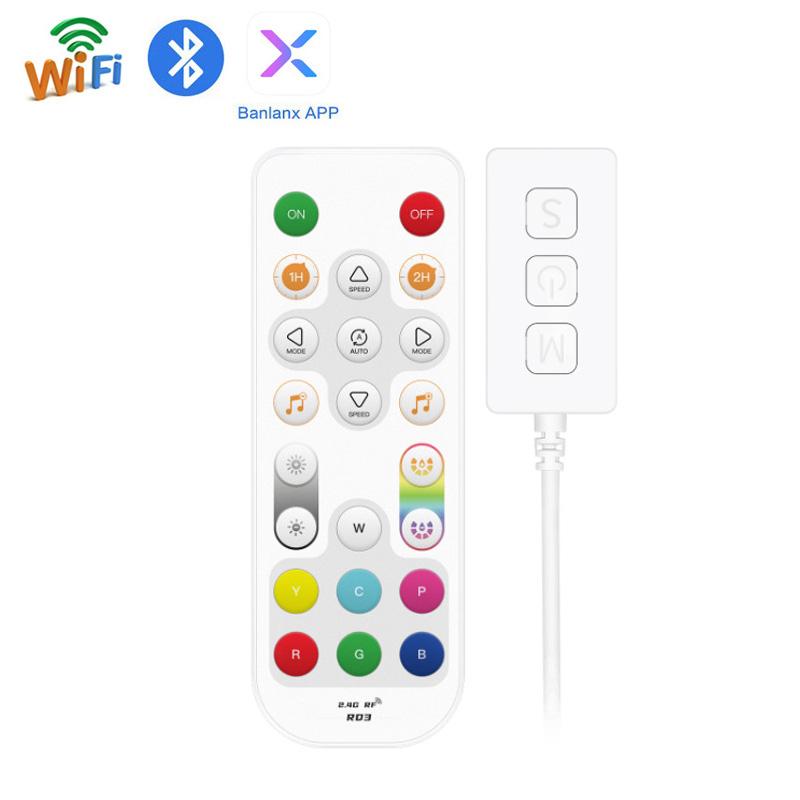
SP501E LED WiFi Controller Compatible Alexa, Smartphone
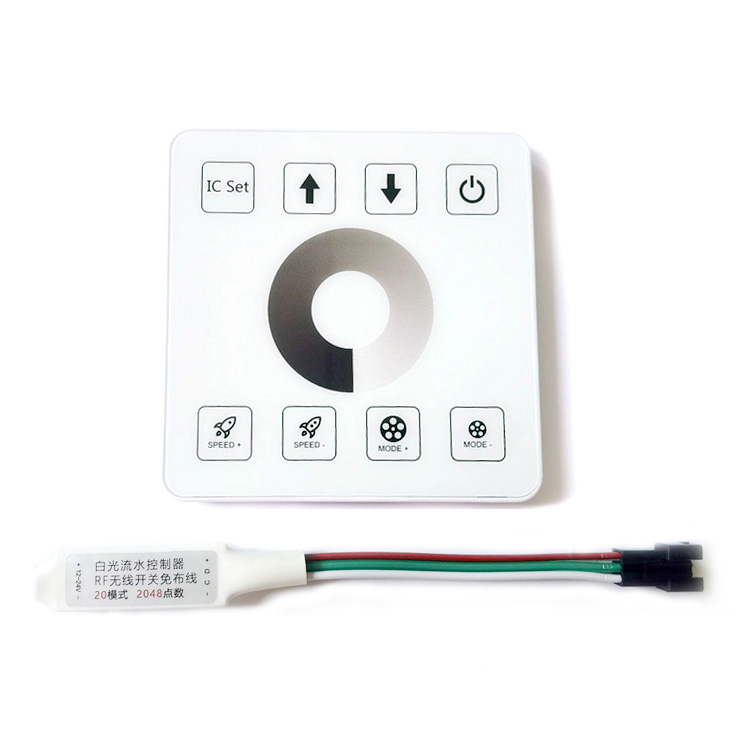
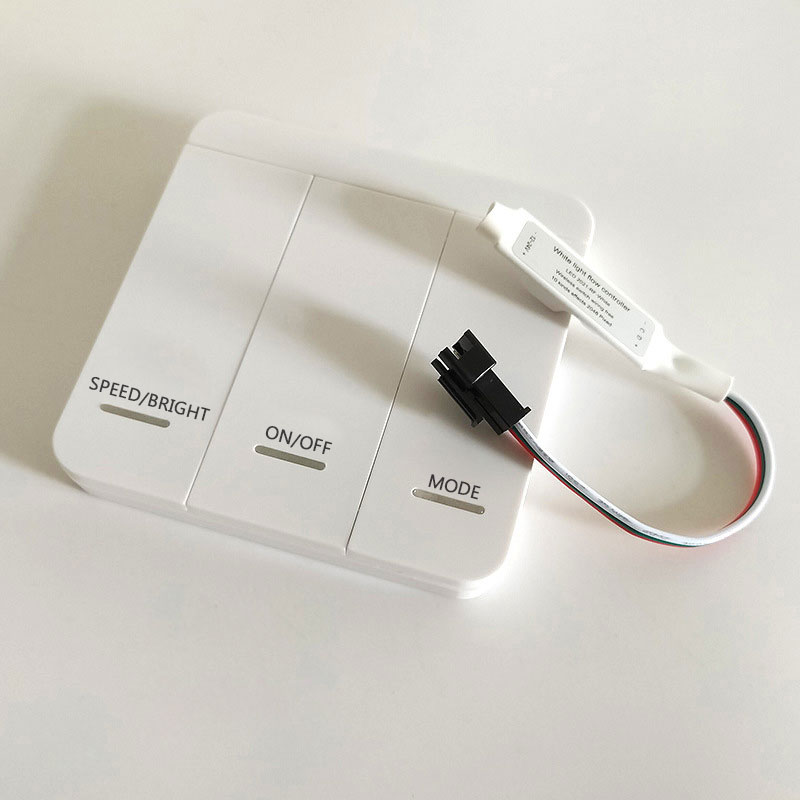
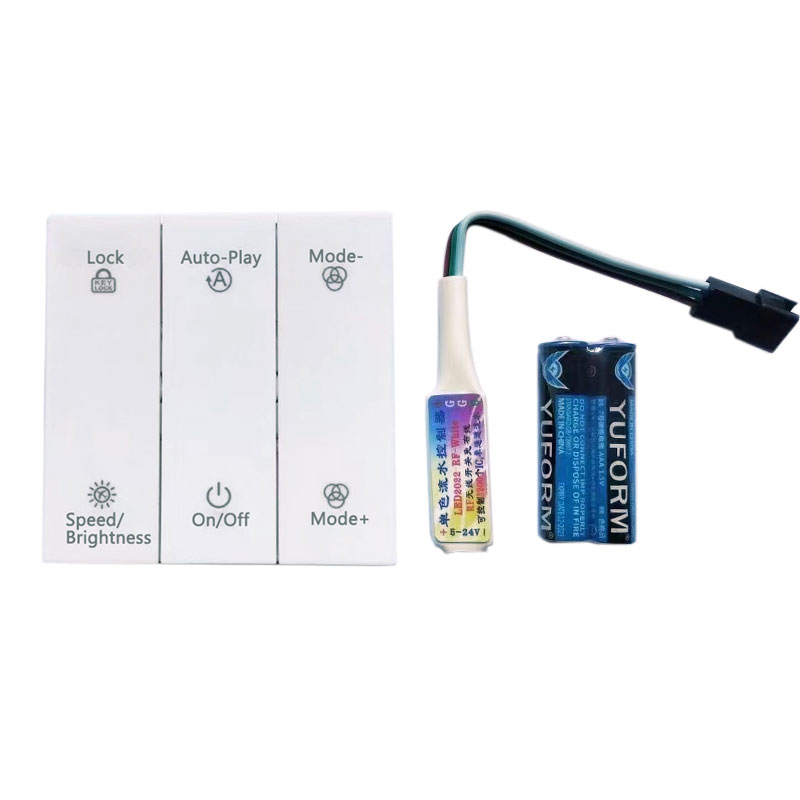
Mini SPI RF LED Controller With Panel Control For Running Water LED Strip
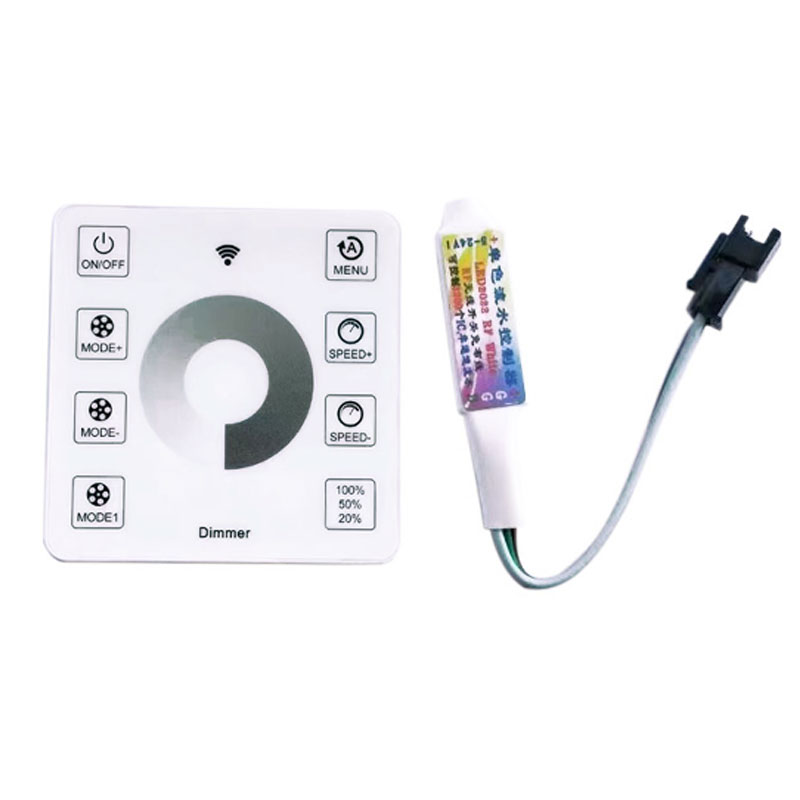
Wireless Addressable LED Mini Controller Panel
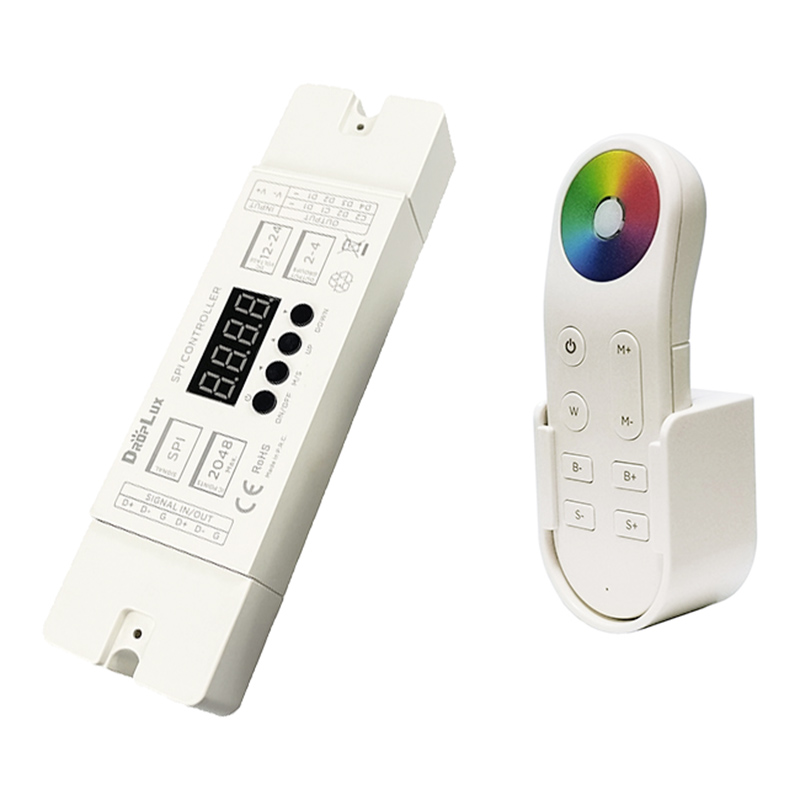
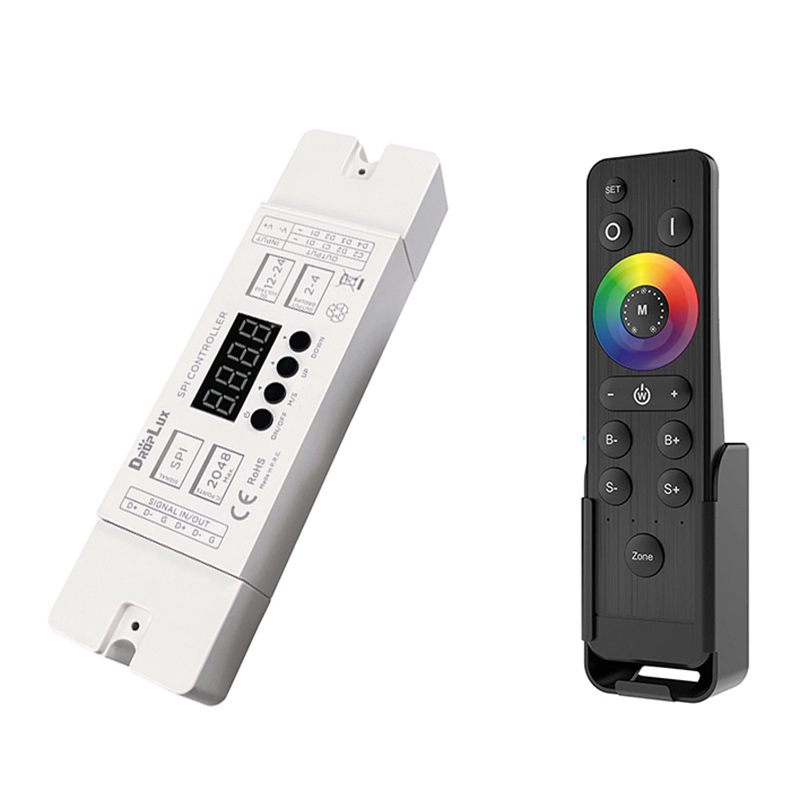
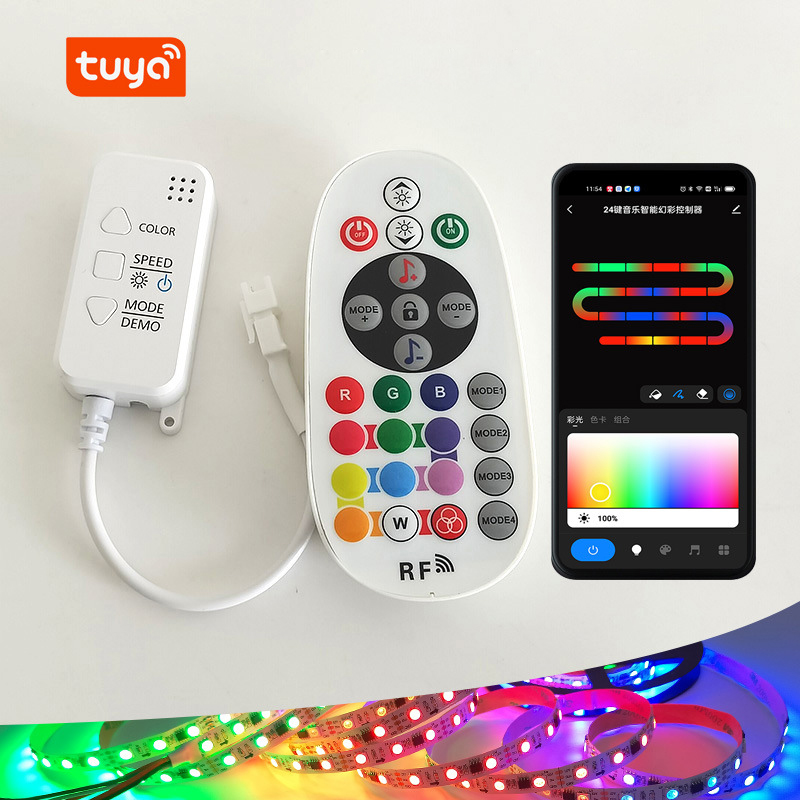
Tuya WiFi Alexa Addressable Dream Color Music LED Controller

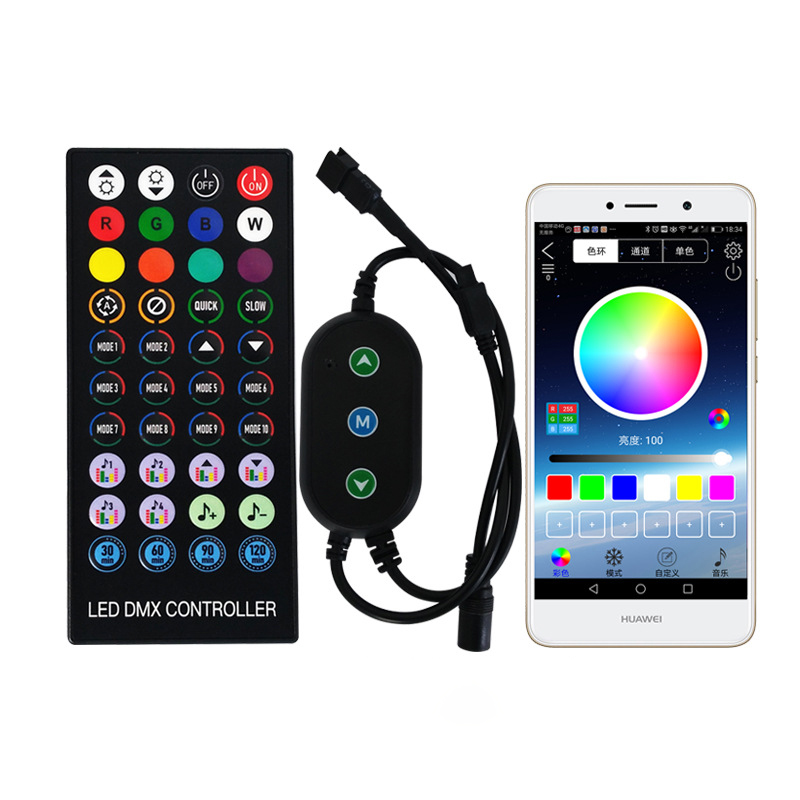
Bluetooth Led Dream Color Music Controller - Smart Lighting
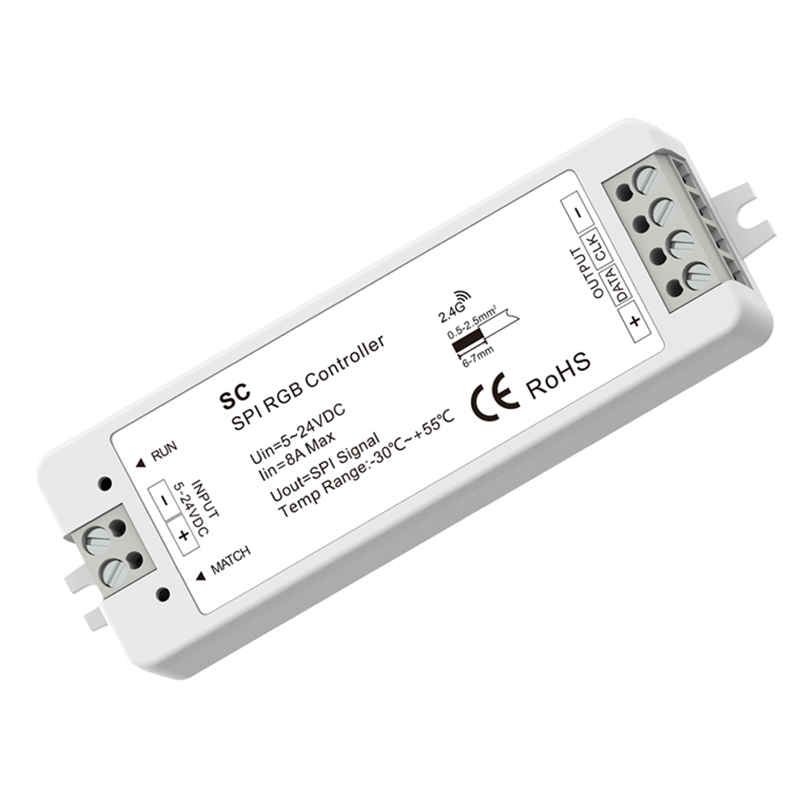
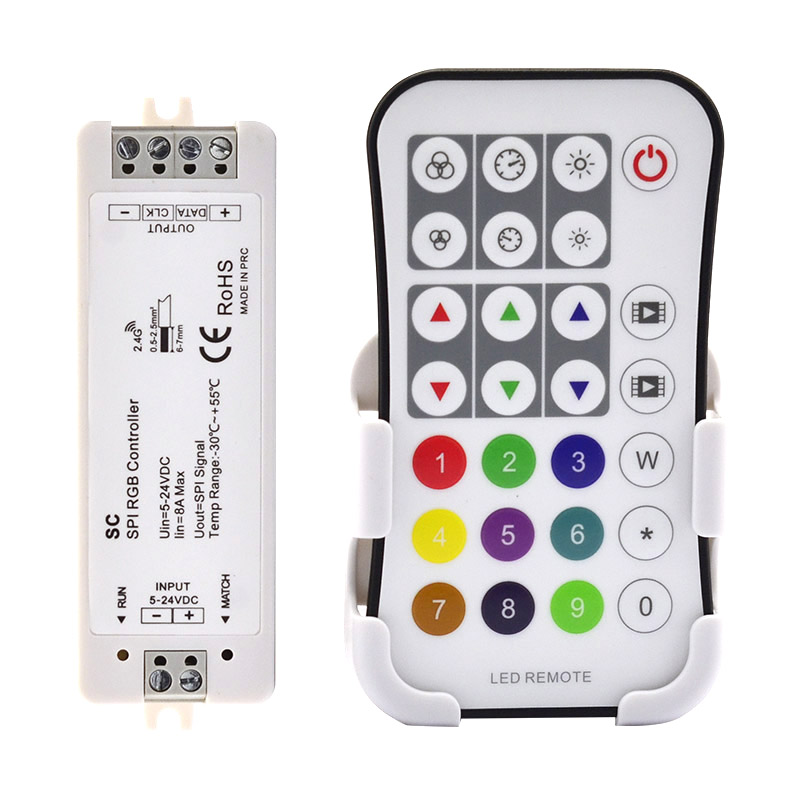
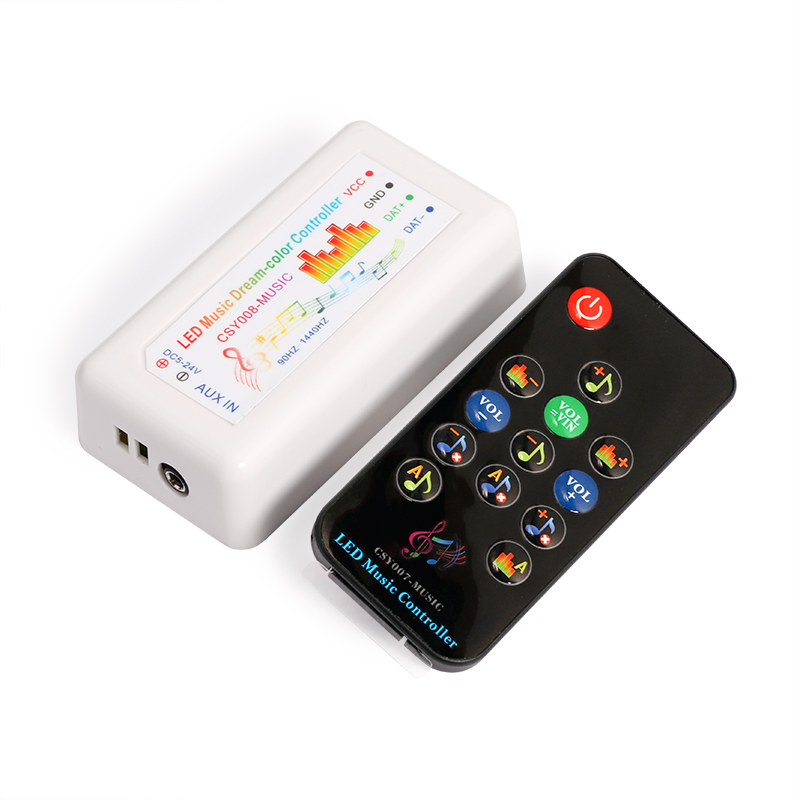
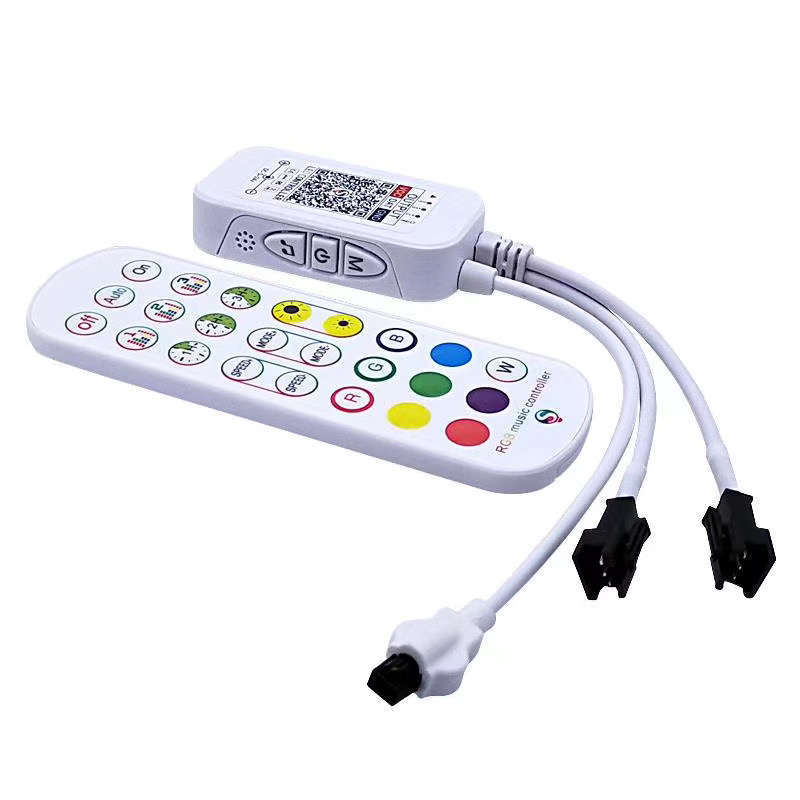
DC5-24V Bluetooth SPI Dream Color Dual Channel RF Remote RGB LED Controller For Addressable LED Strip Light- duoCo StripX APP
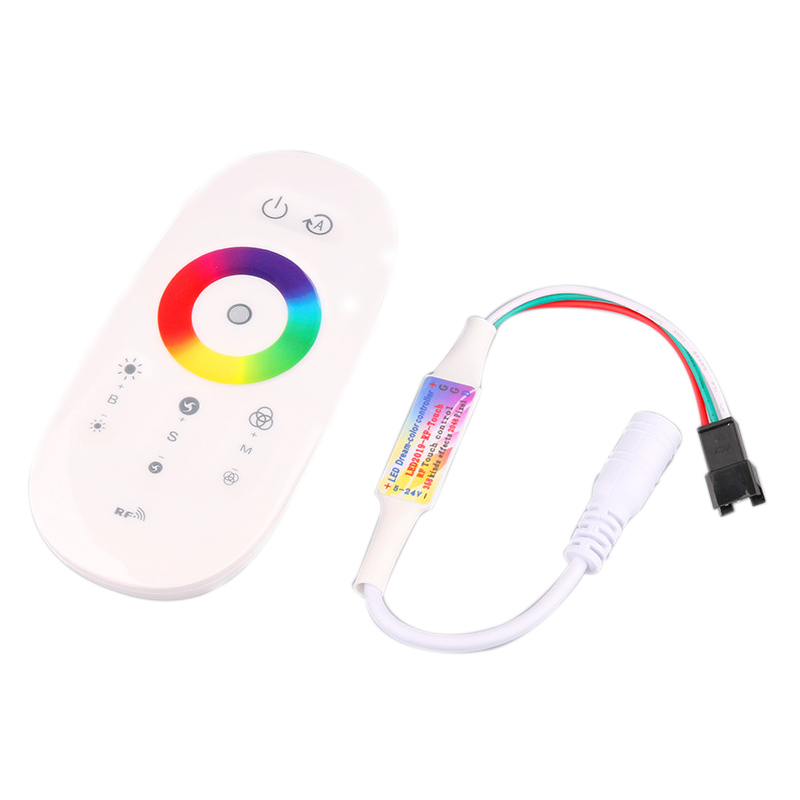
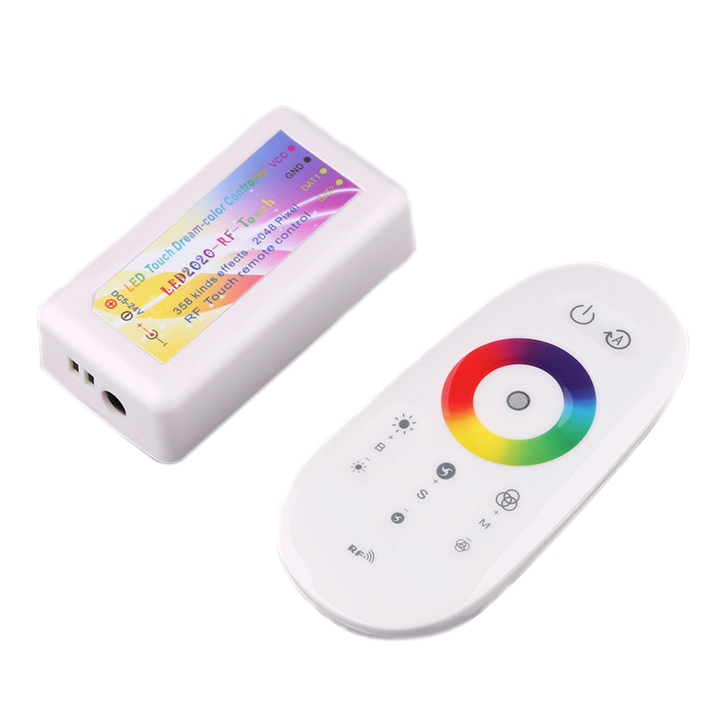
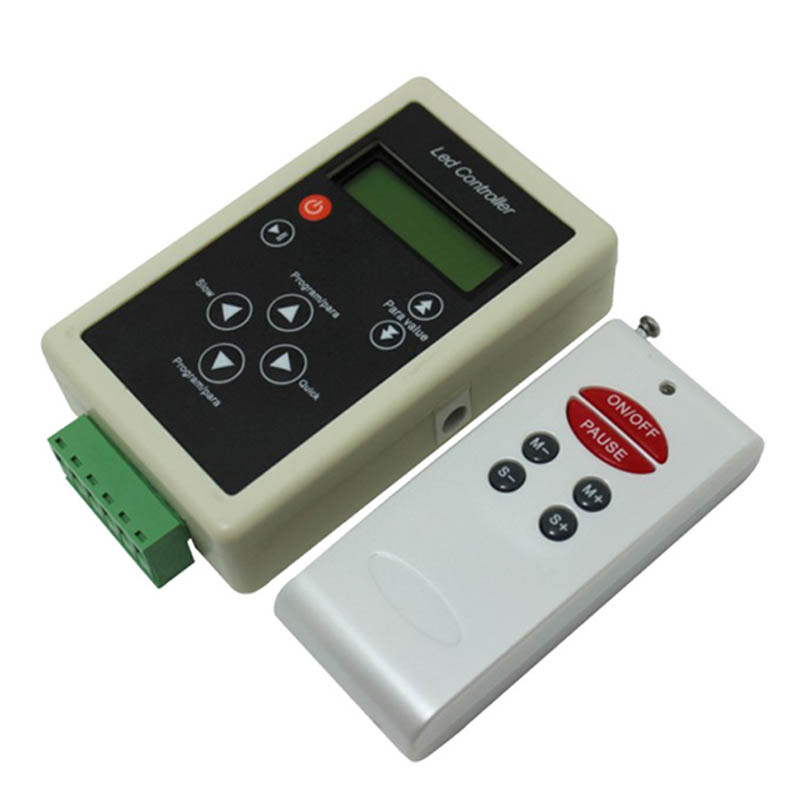

RF LED Dream Color Controller DC12V - 133 Modes for 6803/2811 IC Strips
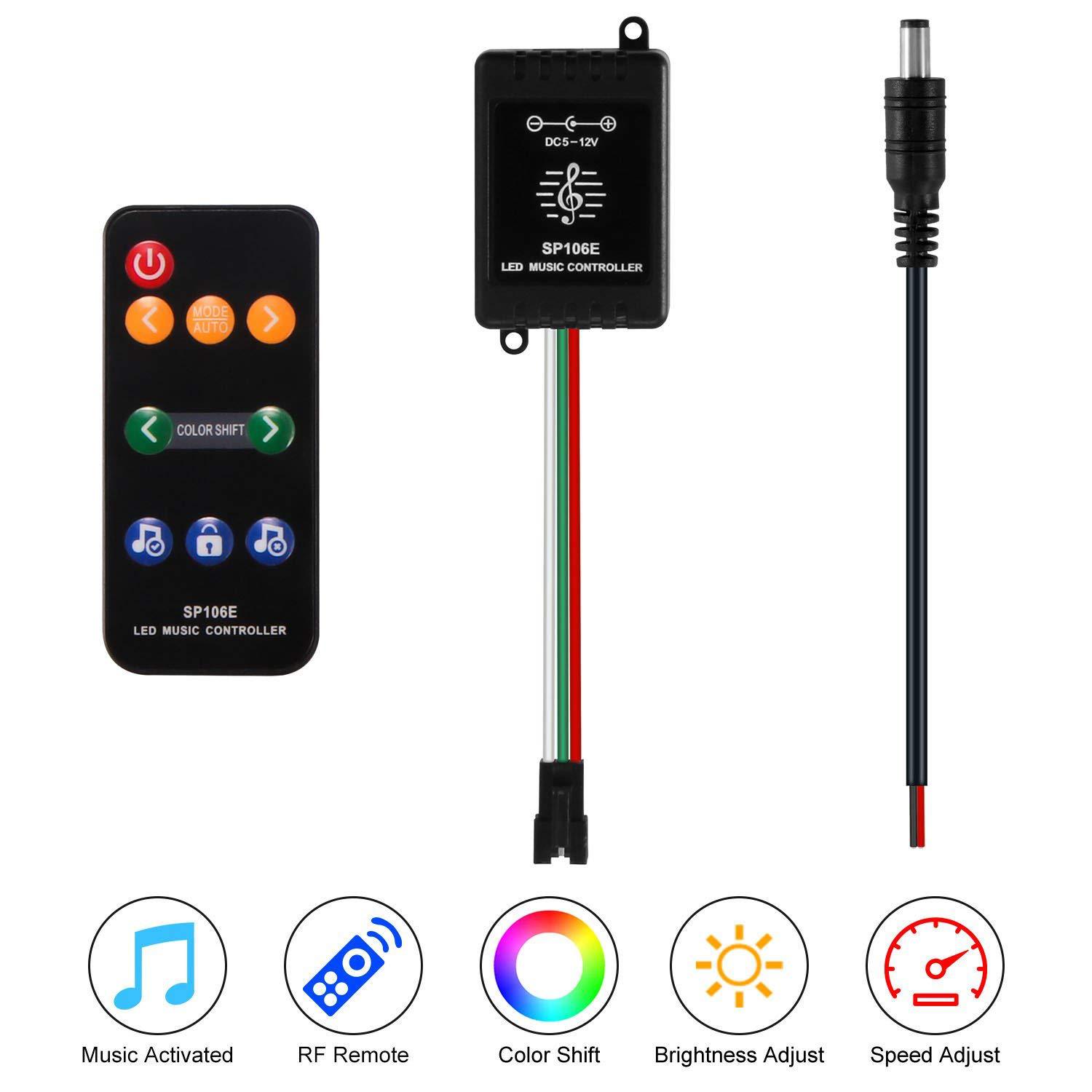
SP106E Music LED Controller - WS2812B/SK6812 Dream Color Sync | 9Key RF
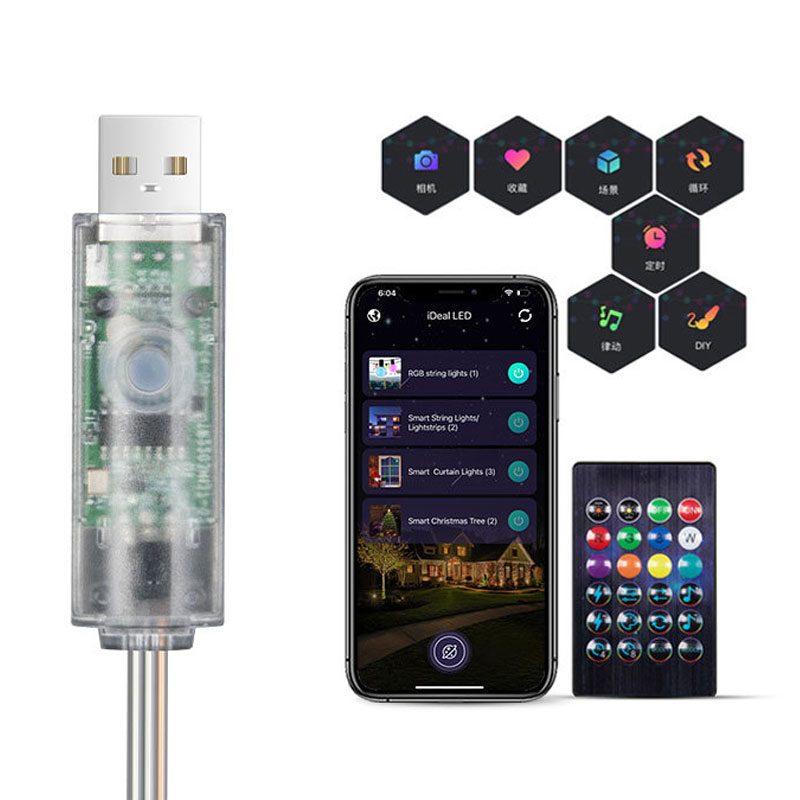
Mini IR Bluetooth USB Controller - Fairy & String LED Lights | App/Remote
Wireless Remote Control Addressable LED Rope Lighting
Easily adjust pixel effects via wireless remote, compatible with programmable pixel controllers for stunning dynamic lighting displays.
Frequently Asked Questions About RF Pixel LED Controllers
Got questions about picking the right RF controller for your addressable LEDs? I've been answering them for 12 years. Here are the most common ones.
No, and this is a common mistake. Most RF remotes are paired to a specific controller or controller family from the same brand. They operate on specific frequencies, like 2.4GHz, and use proprietary codes. You can't mix a MiBoxer remote with a SkyDance controller. Always buy them as a matched set or check the product page for compatible remote models.
SPI stands for Serial Peripheral Interface. It's the signal protocol, the 'language' the controller uses to talk to each individual pixel on your addressable strip. Different IC (Integrated Circuit) chips on the strips, like a WS2811 or an SK6812, speak slightly different versions of this language. If your RF SPI controller is set for the wrong IC type, you'll get flickering, incorrect colors, or nothing at all. Always match the controller's setting to the chip on your strip.
Yes, many of our systems are designed for this. Controllers like the MiBoxer series allow you to pair multiple receivers to a single remote, either all controlled as one giant group or assigned to different 'zones'. This lets you control multiple separate strips in a large room perfectly in sync without running data wires between them. Just make sure the controllers are within the remote's 30-meter range.
Many of our modern RF pixel LED controllers are hybrids. They give you the simple, reliable RF remote for quick changes, but also include WiFi or Bluetooth connectivity. This lets you use an app like Tuya, Smart Life, or BanlanX for more complex scene creation, scheduling, and music synchronization. It's the best of both worlds: a physical remote anyone can use, plus advanced app control. Check out our WiFi Alexa controllers and Bluetooth controllers for examples.
This is the most important spec to check. It varies wildly, from a few hundred pixels on a mini controller to over 2048 on a more powerful one. For example, our SPIR3 can handle 1536 RGB pixels. Always check the controller's 'Max Pixels' or 'Max ICs' spec. Trying to run more pixels than the controller is rated for will cause lag, flickering, and random effects because its processor just can't keep up.
You can, but the controller itself needs to be protected. The controllers are typically rated IP20, meaning for indoor, dry locations only. For outdoor use, you must install the controller inside a proper NEMA-rated weatherproof enclosure. The RF signal has no problem working through the plastic box. Just be sure to use waterproof wiring and IP68 connectors for the LED strips themselves.
It's unlikely with modern controllers. Most new RF LED systems use the crowded but well-managed 2.4GHz frequency band and have a pairing process that links a specific remote to a specific controller. This helps them ignore other signals. Older or cheaper systems using 433MHz might have more issues with interference from things like car key fobs or weather stations, but it's not a common problem anymore.
You get all the classic addressable effects. Think rainbow chases, flowing water, meteor trails, color wipes, and scanner effects. Many also include music sync modes that react to ambient sound via a built-in microphone. The number of modes can range from a dozen on a simple controller to over 130 on more advanced models. You can typically control the speed and brightness of any effect directly from the RF remote.