
Color Change RGB LED Controllers
8 sub-categoriesWhat a RGB LED controller do? How do you control RGB LED lights?
RGB Controller is dedicated to controlling 4 pin RGB light strips (V+, R, G, B) with various control types, most of them are compatible with DC5-24V or DC12-24V or DC12-48V low voltage input. With different control signals, RGB led light strip controller is able to adjust the brightness and color of the strip, it also with various built-in dynamic modes such as color jumping, fading, etc., to add vitality to the environment.
If you are not satisfied with the RGB light controller's self-contained colorful modes, you can choose the more flexible DMX RGB control, 0-10V RGB control, or DALI RGB control. With DMX master programming, users can create an almost infinite variety of color changing lighting effects and scenes to use for different scenarios.
Some users may want to customize the colors and effects of the RGB strips to their liking or the ambiance of the room, and don't want overly complicated controls, this is the time to consider using computer to program your RGB led strip lights. Connecting to a computer via a USB port and using specific PC software to control RGB strip lights is more suitable for home and small-scale projects.
Wall-mounted led RGB controller is a more traditional means, allowing users to select colors, adjust brightness or switch preset modes directly through intuitive buttons, knobs, or touch controls. Nowadays, it's mostly popular to control RGB led tape via mobile app with WiFi or Bluetooth support, or directly use RF or IR remote to change the RGB color and mode wirelessly. For those occasions where you need to create dynamic lighting effects, hold an event or party, lighting effects synchronized with music can create a vibrant atmosphere and add fun and dynamism to the event.
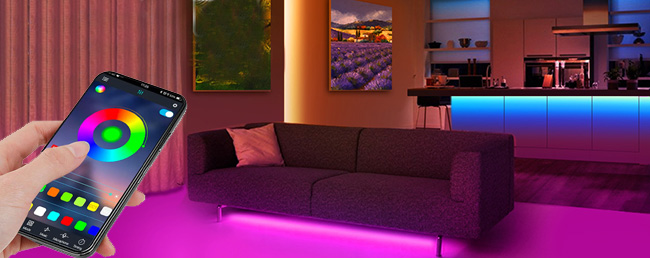
RGB Bluetooth Controller
Choosing an RGB Bluetooth Controller is the superior solution when stability, local reliability, and rapid response times are your top priorities. Unlike WiFi systems that rely on an active internet connection and router proximity, Bluetooth LED controllers establish a direct peer-to-peer link with your smartphone. This makes them an absolute necessity for environments without reliable network access, such as mobile RVs, boats, or cars, and for users who want to avoid the "smart home lag" often found in cloud-based WiFi systems.
Bluetooth Control: Instant Response & Offline Stability
The primary advantage of Bluetooth over WiFi is its offline resilience; your lighting continues to function perfectly even if your building's internet drops. Bluetooth also offers significantly lower latency (often <100ms), ensuring that color changes and music-sync effects feel instantaneous rather than delayed. For users managing complex setups, the "signal isolation" of Bluetooth prevents cross-interference, meaning you only control the specific set of RGB color-changing LED strips you are actively paired with.
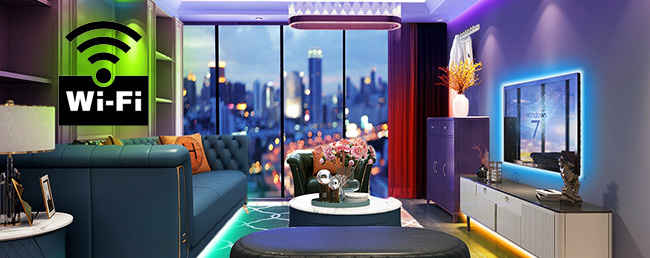
WiFi RGB LED Strip Controller
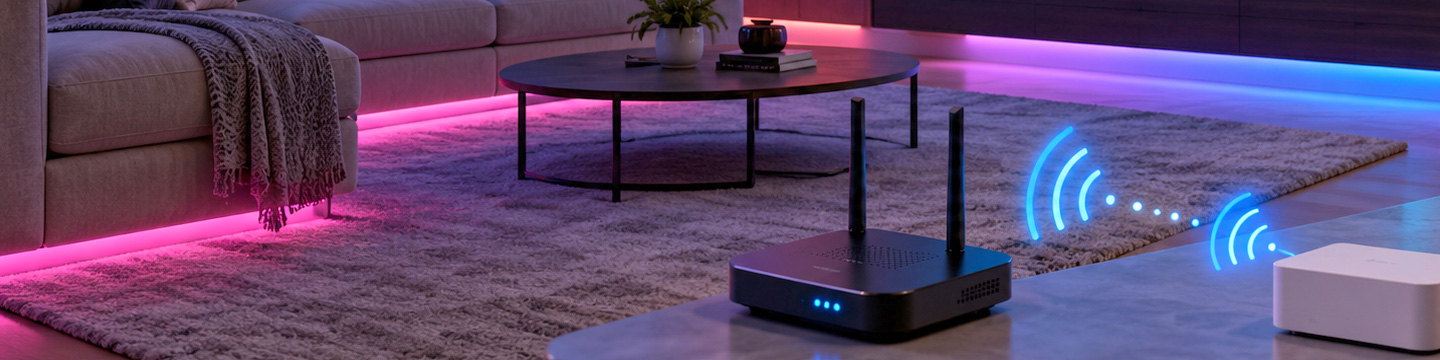
WiFi-integrated LED controllers have become the gold standard for residential smart lighting, offering unparalleled convenience for modern home automation. By connecting your RGB LED strip light to a 2.4GHz network, you can manage your atmosphere from anywhere in the world, allowing for complex scheduling, timer runs, and scene settings directly through a smartphone and a tablet. This technology is not limited to interiors; also apply to outdoor landscapes, patios, and pool areas.
Smart Living with WiFi RGB LED Strip Controllers
The power of a WiFi RGB controller lies in its vast ecosystem compatibility. Most units support leading smart home platforms including Amazon Alexa and Google Assistant, enabling hands-free voice control for color changes and dimming. Depending on your specific hardware, you can utilize a variety of high-performance apps tailored to different user needs:
-
Tuya Smart / Smart Life: The most versatile choice for overall home automation and cloud-based access.
-
BanlanX (SP Series): Ideal for users wanting advanced "All In One" IoT features and PWM/SPI signal versatility.
-
Surplife / Magic Home Pro: Popular for its intuitive interface and broad compatibility with UFO-style controllers.
Some RGB light controllers also feature dual-mode modules (WiFi + Bluetooth, WiFi + RF or WiFi + IR) to ensure a stable connection during initial setup and reliable performance even if the local network fluctuates.
-
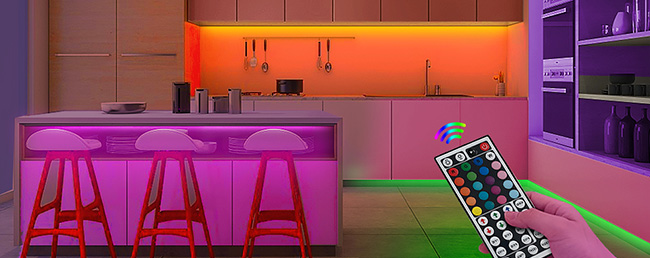
RF Remote Control RGB
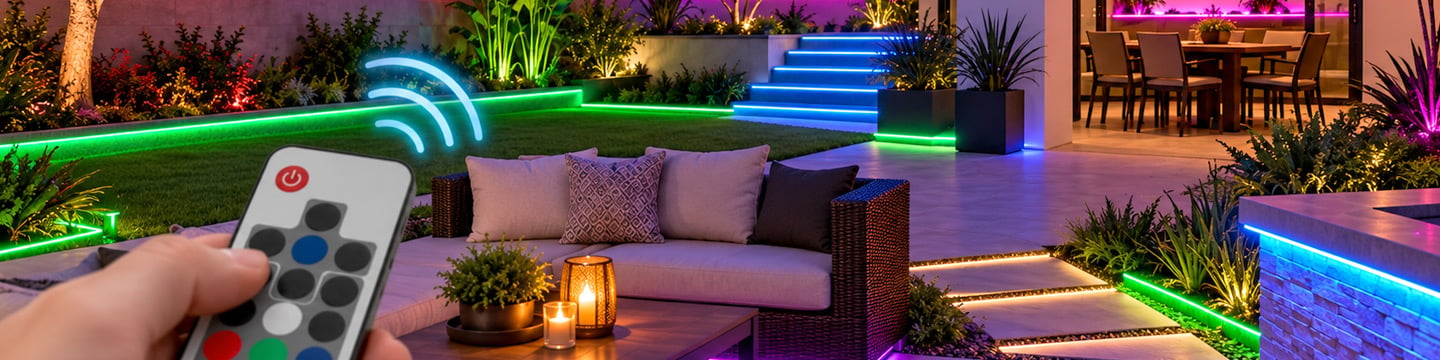
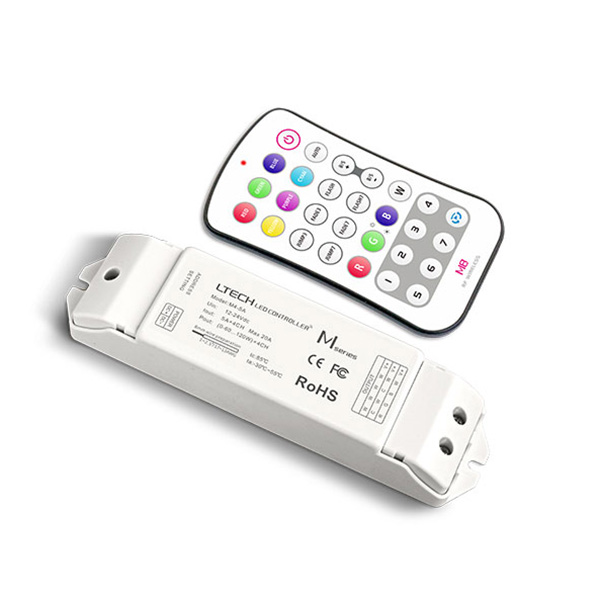
For RGB LED strip users seeking a balance between affordability and powerful wireless performance, our RF Remote RGB Controllers are for versatile color-changing lighting LED management. Unlike IR systems that require a direct line-of-sight, these Radio Frequency (RF) units operate through walls and obstacles, making them a favorite for homeowners and professional installers alike.
Master Your Atmosphere with Classic RF Remote RGB Controllers
The enduring popularity of these Classic RF Remote RGB Controls lies in its technical reliability and "set-and-forget" simplicity. High-end models from brands like LTECH include power-fail memory and a 5-year warranty, ensuring long-term stability for your investment.
If you require more flexible RGB LED control options beyond these fixed pairings, consider exploring the Skydance Wireless RGB System or Mi-Light Wireless RGB Controller series, which allow you to mix and match specific RF handheld remotes or wall-mounted wall panels for a custom interface. For high-voltage LED projects, please visit our High Voltage RGB Controller category to ensure system compatibility.
IR Remote RGB Control Box

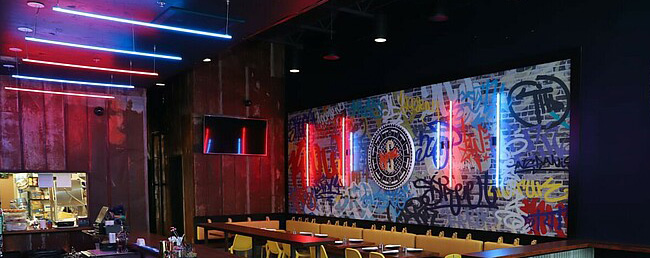
For many color-changing RGB LED tape lighting enthusiasts and professional installers, the IR Remote Controller remains a top choice for localized, interference-free environmental control. Unlike broader RF wireless systems, Infrared (IR) technology requires a direct line-of-sight, which is precisely why users specify it for multi-zone RGB setups.
Why Choose IR Over RF for Your RGB Project?
For instance, if you have RGB flexible LED strips in separate display cabinets or shelving units within the same room, an IR remote allows you to adjust one specific RGB controller without accidentally changing the colors of the others. This makes them ideal for targeted applications like under-cabinet kitchen lighting, landscape accents, and marine or boat interiors.
Wall Mount RGB LED Controller
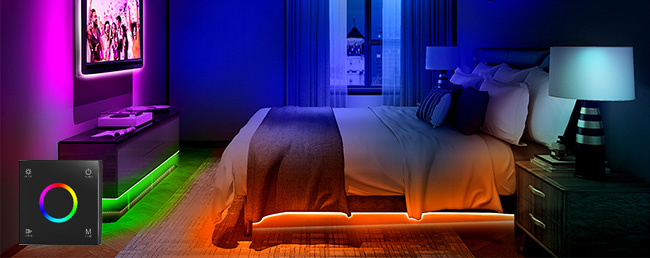
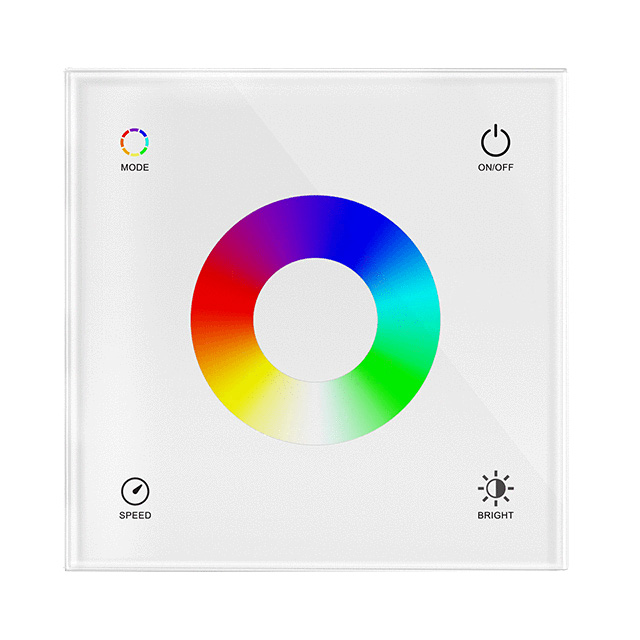
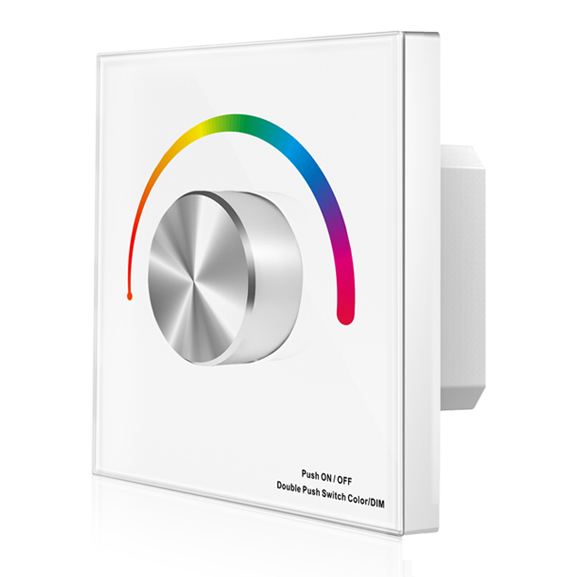
Hard-wired wall mount RGB LED controllers are the traditional standard for both high-end residential lighting projects and professional commercial lighting environments. Unlike basic handheld remotes that are easily lost or suffer from dead batteries, these fixed RGB panels provide a permanent, reliable interface for architectural lighting.
While DIY enthusiasts appreciate the sleek aesthetics of glass or rotary wall-mount touch color RGB controllers, small business owners—such as those managing retail boutiques, bars, or offices—prioritize them for their "always-ready" accessibility and robust performance. Choosing a wall-mounted RGB control solution ensures that color adjustments for your multi-color LED strips are integrated directly into your space's infrastructure.
Why choose a hard-wired wall controller over a purely RF wireless system?
• Unmatched Signal Reliability: Hard-wiring eliminates the latency or "dead zones" common in wireless-only environments, ensuring the RGB lights respond instantly every time.
• Flexible Hybrid Ecosystem: These wall-mounted RGB lights panels are not limited to local control; models such as the Skydance T3 series are compatible with other RF remotes. This allows you to install a permanent wall station as your primary hub while adding optional handheld RF remotes for convenience from a distance (up to 30m).
• High Power Handling: Supporting up to 12A total load (4A per channel), these LED RGB controllers wall mount can handle significant lengths such as 15 meters (49 feet) of RGB LED strips, ranging from 144W at 12VDC to 288W at 24VDC.
RGB LED Music Controller
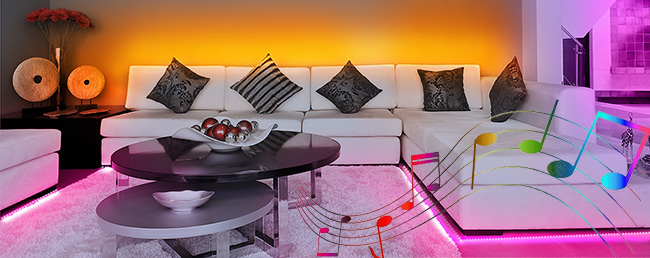
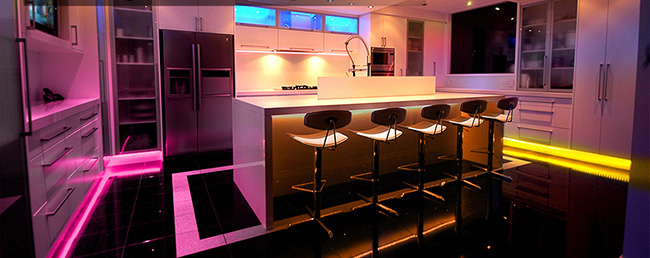
Elevate your lighting experience from static to cinematic with our premium range of RGB LED Music Controllers. Whether you are designing a high-energy home theater, a professional KTV lounge, or a custom car interior, these RGB LED strip controllers bridge the gap between sound and sight. Choose between built-in high-sensitivity microphones or 3.5mm audio jacks for non-interfered, professional-grade music synchronization.
Many LED tape light users often look for ways to sync lighting with gaming setups or party zones; our controllers solve this by using advanced sound recognition technology to make your RGB flexible LED strips flash, fade, and pulse in perfect harmony with every beat.
Beyond music modes, enjoy up to 16 static colors and classic DIY modes to adjust brightness and speed via radio-frequency or infrared remotes.
PC Software RGB Controller
Elevate your architectural and event lighting from static colors to immersive experiences. Our Pro-Grade PC Software RGB LED Controllers are designed for professionals who require granular control over dynamic lighting sequences.
Unlike basic RGB hardware setups, this RGB control system allows you to program intricate color transitions, rhythmic pulses, and branding-aligned palettes directly from a computer interface.
Why Choose PC Software Control Over DMX Systems?
While DMX software is the standard for stage lighting, our integrated PC Software Controllers offer a more streamlined and cost-effective solution for RGB color-changing LED strip installations:
• Simplified Architecture: Eliminate the need for expensive DMX decoders and complex addressing. These LED controllers connect directly to your PC via USB or Ethernet, sending high-speed PWM signals straight to the RGB LEDs.
• User-Friendly Programming: The dedicated software features a visual interface with pre-set dynamic libraries, making it easy to create custom effects, sync with music, or schedule time-based lighting changes.
• Universal Compatibility: Works seamlessly with standard DC RGB strip lights, offering a "Master Brain" for your entire lighting network.

DMX 512 RGB DMX Controller
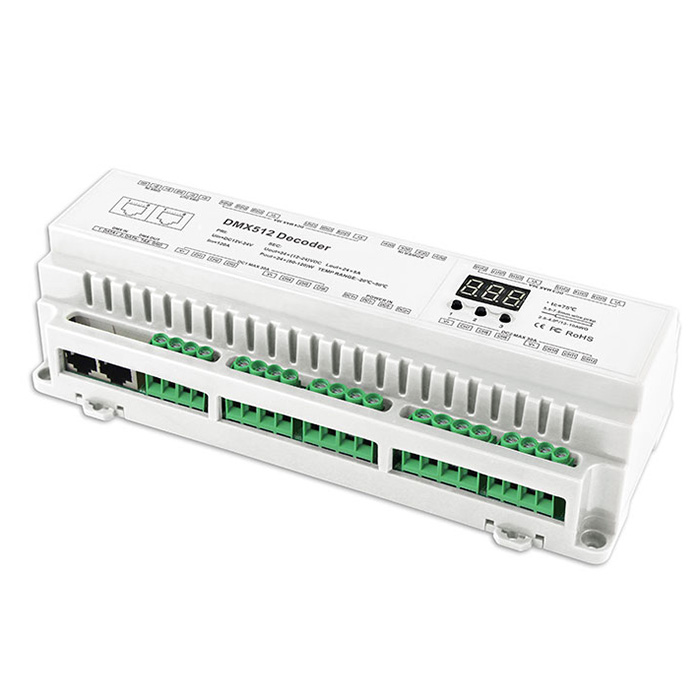
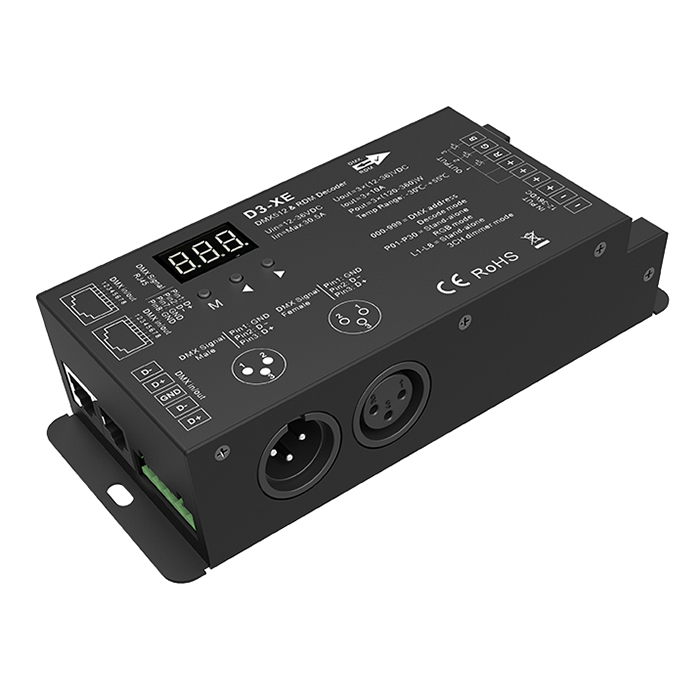
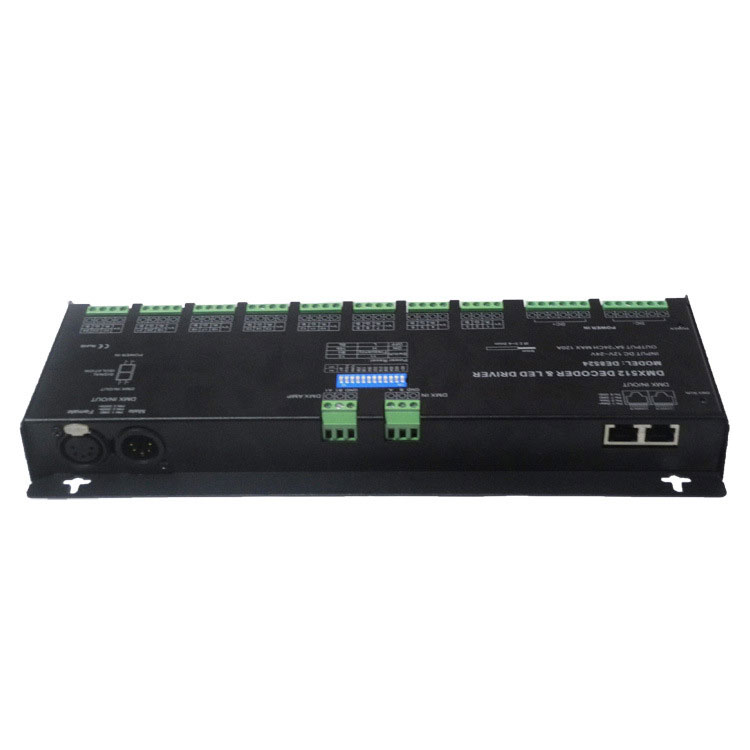
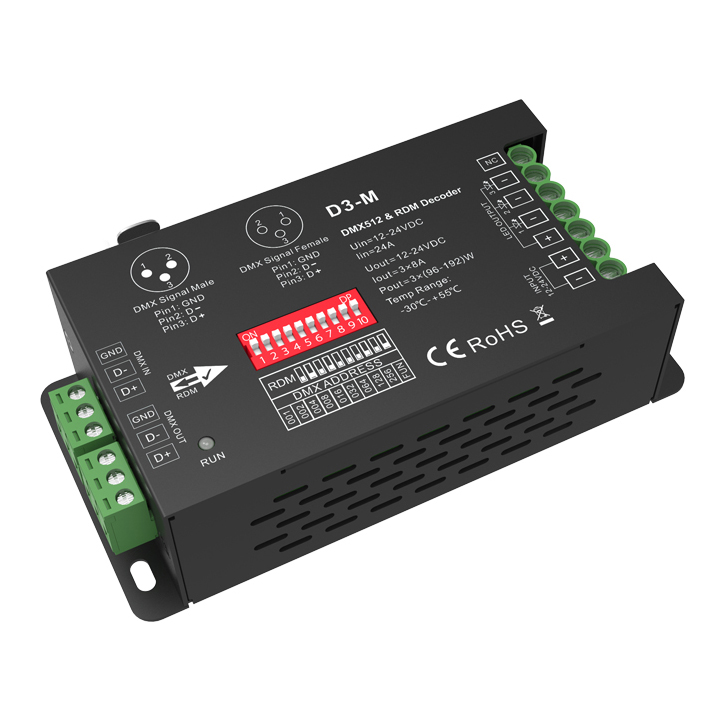
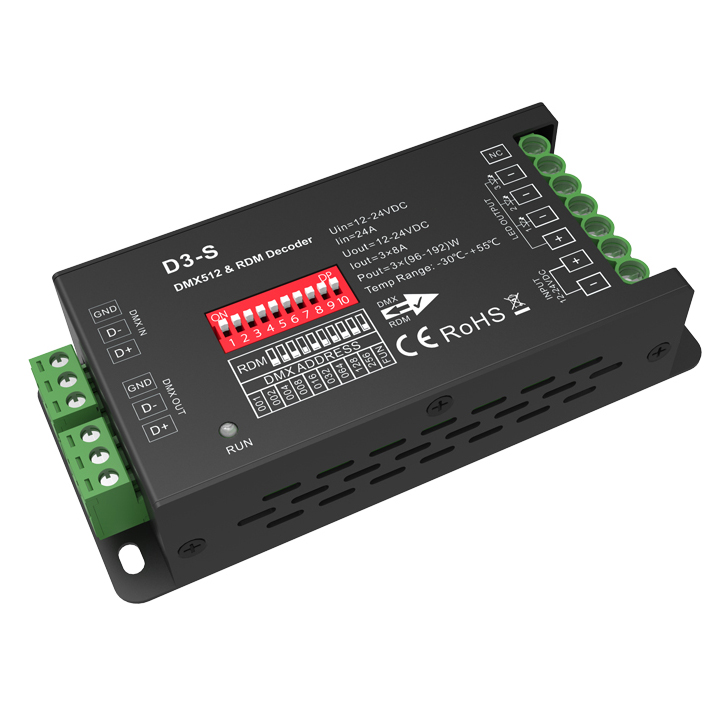
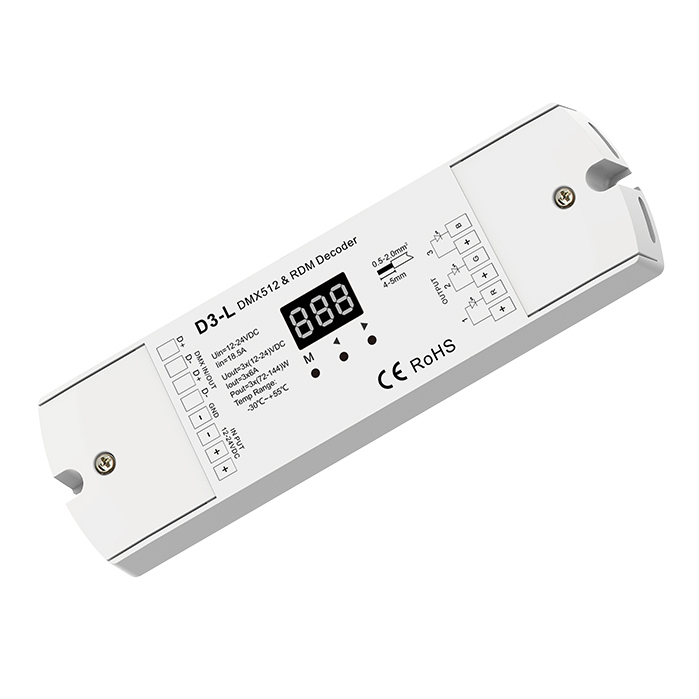
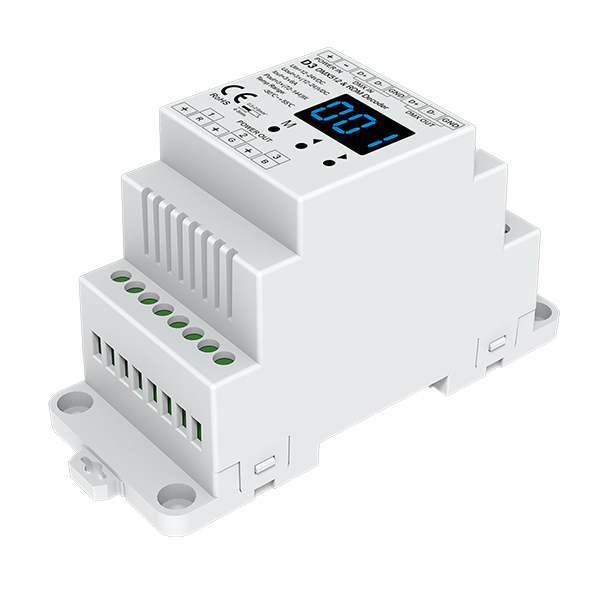
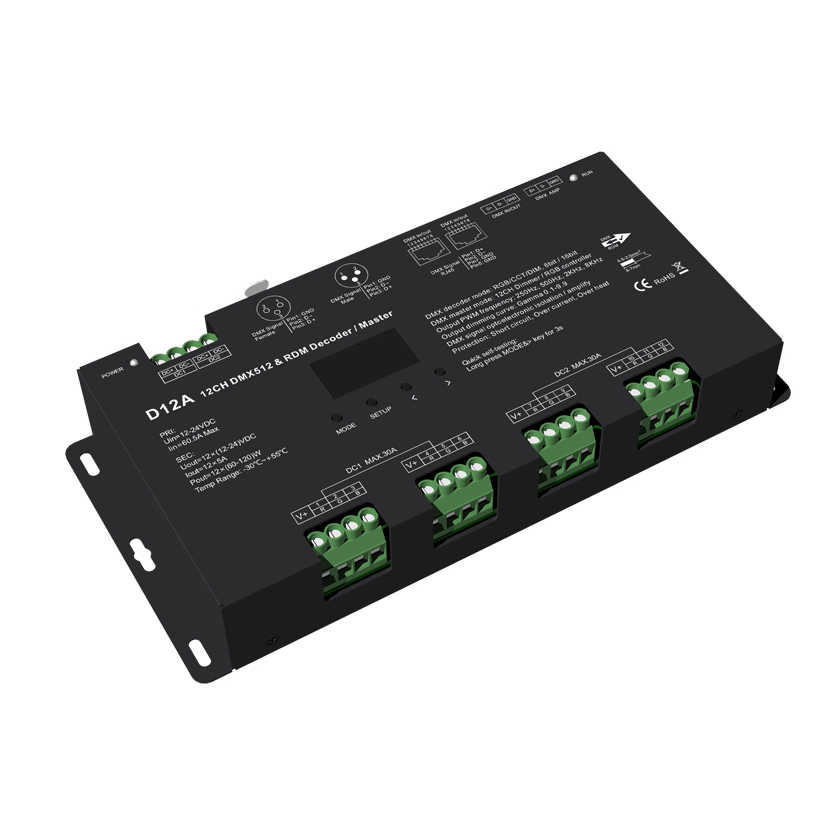
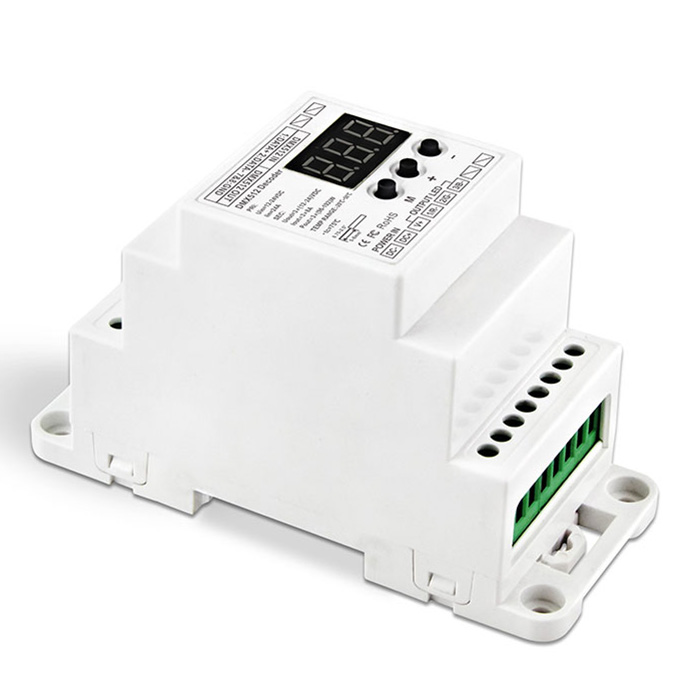
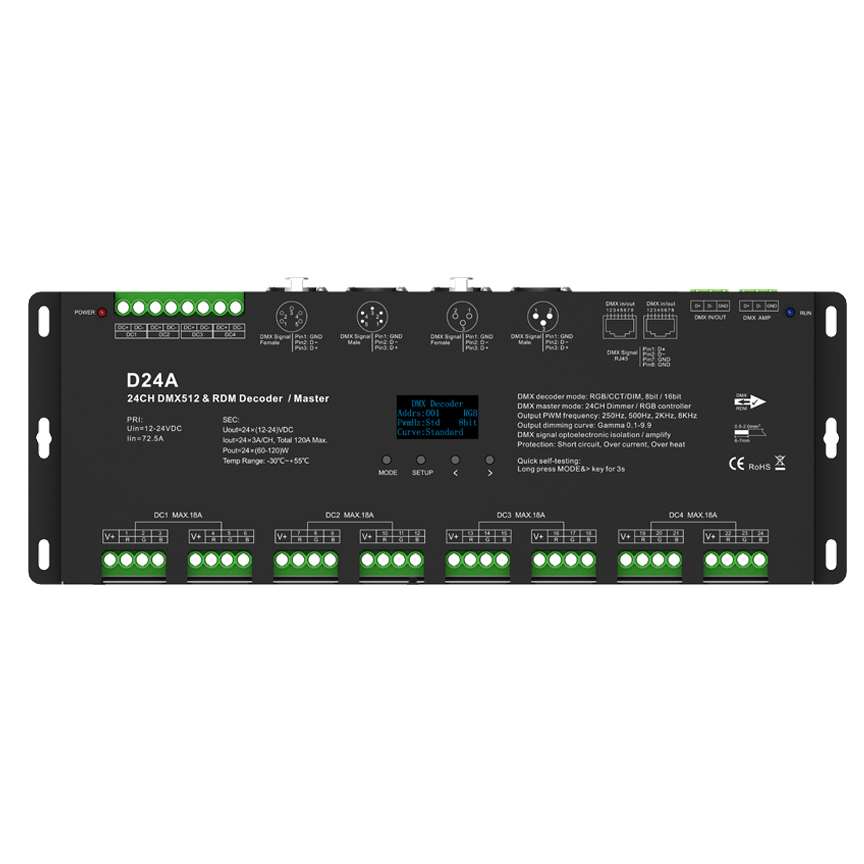
RGB dmx controller is a professional lighting control device, programmed autonomously through DMX software, for commercial lighting applications that require precise and sophisticated lighting control. These dmx RGB led controllers are compatible with standard DMX512 signal inputs and output PWM RGB signals, either single channel or even multiple 24 channels. This type of lighting control that converts DMX signals into another signal can also be called DMX RGB decoders.
In the event sites, DMX controller for RGB led strip seamlessly integrates with the lighting dmx console to realize complex light effects and scene changes. In landscape lighting and urban illumination projects, it can simultaneously control large-scale RGB strips to create dynamic and engaging lighting effects. LTECH's dmx RGB control integrates DMX 512 control with wireless Bluetooth control, allowing customers to control RGB led lighting through a range of intelligent means.
Best-selling Color Change RGB LED Controllers
41–60 of 167 products
+RC3-WiFi-&-IR-Dimmable-RGB-LED-Controller-with-IR-Remote.jpg "F3-D(WT)+RC3 WiFi & IR Dimmable RGB LED Controller with IR Remote")
+RC3-3CH-LED-RGB-WiFi-IR-Controller-with-Infrared-Remote.jpg "F3-M(WT)+RC3 3CH LED RGB WiFi IR Controller with Infrared Remote")
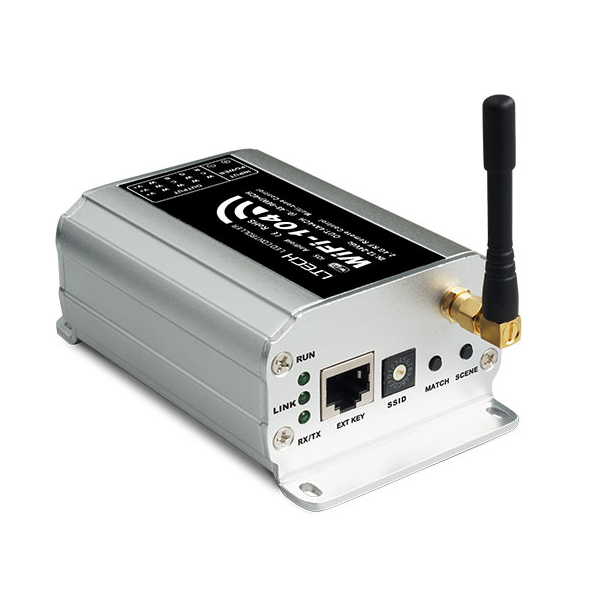
Max 18A 6A3CH, 2.4GHz WIFI RF Wireless Control Via IOS or Android Smart Phone Tablet PC with...
Frequently Asked Questions About RGB LED Controllers
Got a question about choosing or installing your color-changing controller? I've answered thousands of them over the years. Here are the most common ones.
Your color change RGB LED lights work by mixing three primary colors: Red, Green, and Blue. Inside each LED chip are three smaller diodes, one for each color. The RGB controller sends a signal using Pulse Width Modulation (PWM) to rapidly turn each of these diodes on and off, varying their individual brightness. Your eye blends these signals together to see a single, specific color. Want purple? The controller mixes red and blue. Want yellow? It mixes red and green. That's how it creates millions of shades from just three base colors.
When your LED lights start changing color on their own, it's almost always a signal problem. If you're using an IR remote, another device's remote could be interfering. With RF or WiFi controllers, it could be radio interference from a nearby router or even a neighbor's device on the same frequency. Also, check your connections—a loose wire can cause the controller to reset. Lastly, if it's a smart controller, make sure you haven't accidentally left a timer or automated scene running in the app.
It all comes down to range and features. RF (Radio Frequency) is a simple, reliable option that works through walls up to about 50-100 feet. Bluetooth connects directly to your phone, which is great for single-room control without needing a network. WiFi connects the controller to your home router. This is what you need for smart features like controlling your lights when you're away from home or using voice commands with Alexa and Google controllers.
Yes, you can wire them in parallel from the controller's output terminals. The critical thing to check is the total amperage. Add up the amps for both strips; if that total is higher than the controller's max amp rating, you'll burn it out. For longer runs or heavy loads, you should power the second strip using an RGB signal amplifier. It takes the signal from the first strip and gives it fresh power from a second power supply.
If you've lost the remote, you're usually not stuck. Most modern controllers offer more than one way to connect. If you bought a WiFi or Bluetooth model, you can always use the smartphone app—Tuya, Smart Life, Casambi, and others give you full control. Many controllers, even simpler RF ones, also have physical buttons on the housing itself that let you cycle through basic colors and modes.
Pretty much, as long as it's a standard 'common anode' (V+) strip. The most important thing is to match the voltage. If you have a 12V strip, you MUST use a 12V power supply with a controller that can handle 12V. If you have a 24V strip, use a 24V power supply. The controller doesn't convert voltage; it just passes through whatever the power supply gives it. Mixing voltages is one of the fastest ways to kill your lights.
You step up to DMX when you need professional, reliable control over multiple lights or complex scenes. Think architectural facades, stage lighting, or synchronizing an entire building's lights perfectly. If you need to program precise, repeatable shows with zero lag, DMX is the standard. For a single room's cove lighting, it's overkill; a good WiFi or RF controller is easier and more cost-effective. But for big, serious jobs, you'll want our DMX controllers and decoders.
They do, but with varying levels of sophistication. The most basic ones use a built-in microphone and just react to any loud noise, which can look a bit random. Higher-quality music controllers have adjustable sensitivity so you can dial in the response. The best ones have a 3.5mm audio-in jack, allowing them to analyze the music signal directly. This lets them react differently to bass, mids, and treble for a much more accurate light show.
It's almost never broken. This happens when the order of the Red, Green, and Blue channels coming out of the controller doesn't match the wiring order of the strip. It's an easy fix. Make sure you connect the RGB wires correctly. Look in the app or check the remote's manual for an 'RGB sequence' or 'color correction' setting. This lets you cycle through the possible wiring orders (like GRB, BRG, etc.) until pressing the red button makes the strip light up red.
Yes, and it's important to use the right one. For any outdoor or wet environment like a deck, patio, or bathroom, you need a controller with an IP67 or IP68 rating. A common mistake is putting a standard indoor controller in a 'weatherproof' box, but condensation can still build up inside and cause it to fail. A fully sealed, purpose-built outdoor waterproof LED controller is the only reliable, long-term solution.
It's about the number of channels and the quality of the white light. An RGB controller has 3 channels for Red, Green, and Blue. An RGBW controller adds a 4th channel for a dedicated white LED chip, giving you a much purer, higher-quality white than you can get by mixing RGB. An RGB+CCT (or RGBWW) controller has 5 channels: R, G, B, plus two white chips (one warm, one cool), letting you create any color *and* tune the shade of pure white. You must match the controller to the type of strip you have. We wrote a guide explaining the differences in detail.