
Deep Red Light 660nm LED Strip
22 products
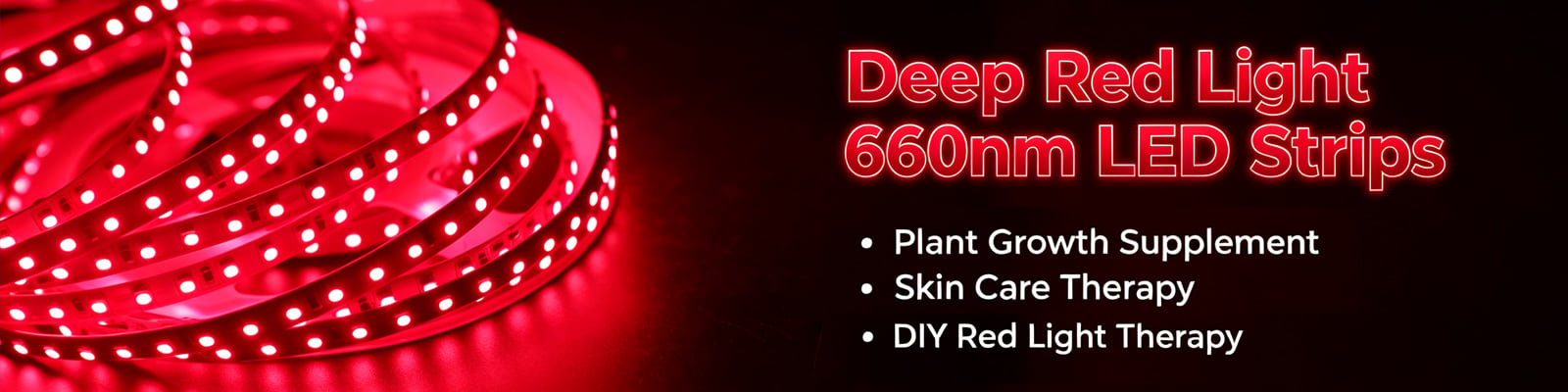
660nm is visible light, referring to red light with a wavelength of 660 nanometers. When 660nm light is emitted from a light source, our eyes are able to see a distinct reddish glow. The wavelength range of red light is between 620nm and 750nm, with 630nm 640nm 650nm 660nm all showing red light.
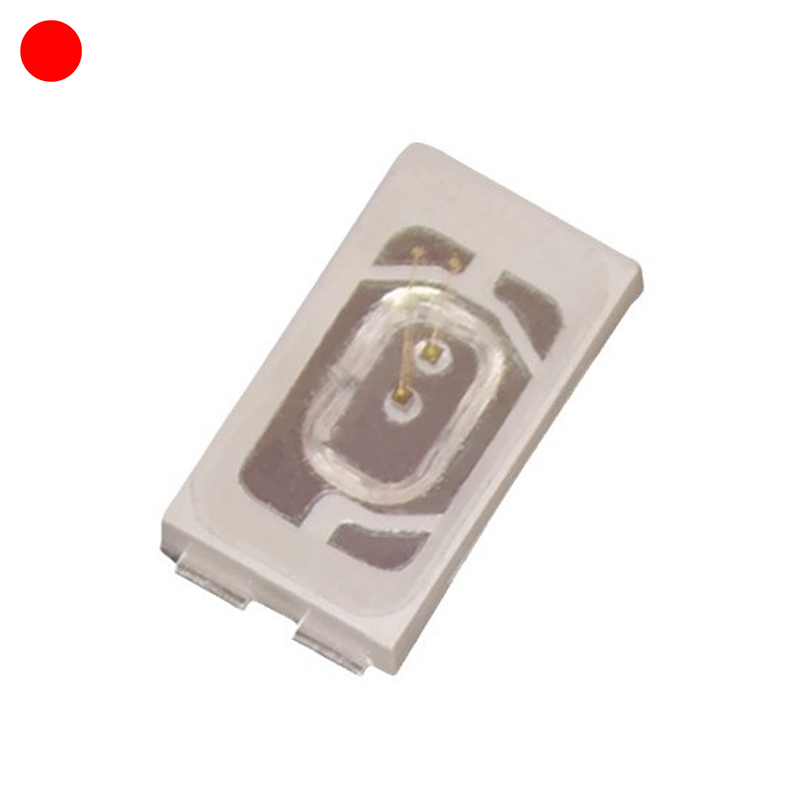
LED lights can emit 660nm red color light, SMD2835, SMD3528, and SMD5050 can do red light. Using these low voltage DC 12V or 24V deep red 660nm led light strips for light therapy can promote cell regeneration and repair, anti-inflammation, improve blood circulation, reduce pain, and promote wound healing. LED 660nm red light therapy has a positive effect on both skin health and mental health. In plant growth lighting, red light around 660nm has a significant effect on photosynthesis, especially under certain 500nm blue light conditions, which can promote plant growth and flowering. Sometimes 660nm mixed with 3000K/3500K warm white light is also chosen to help vegetable growth.
The deep red 660 nm long wave red light has a high penetrating power. Compared to the invisible infrared 850 nanometers, 660 nanometer red light is lower in energy and has a milder effect on living organisms. The wavelength of 640nm-670nm deep red light is longer than 620nm-630nm normal red light, so 660nm red light is good for plant growth and medical treatments. 660nm deep red led strips provide uniform illumination coverage and are suitable for lighting applications that require uniform lumens over a large area.
Red Light Therapy vs. Near Infrared Light Therapy
660nm LED Strip Light Spectrum Test PDF
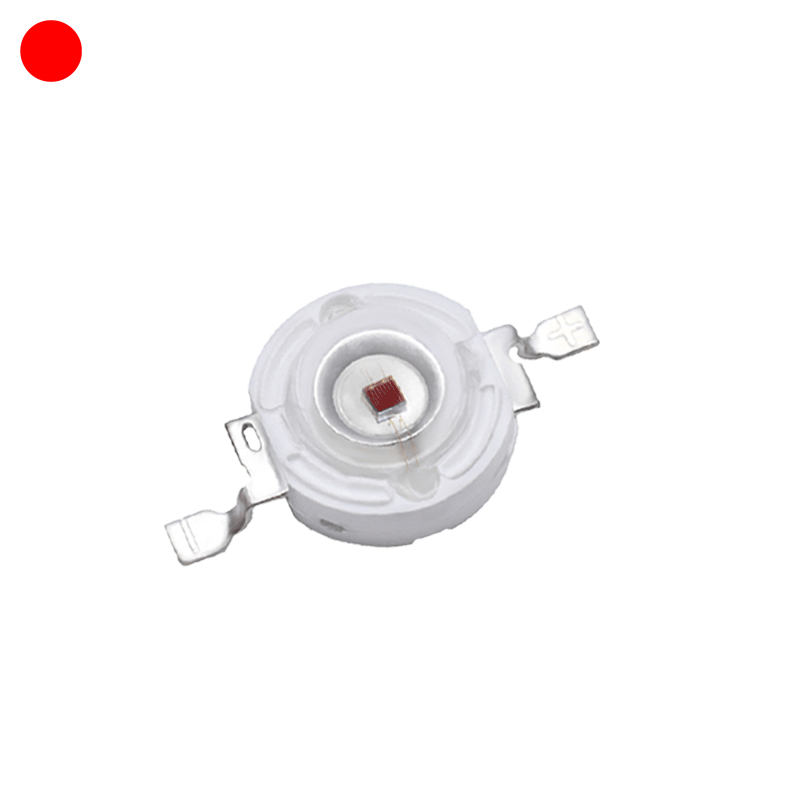
630nm 660nm LED Deep Red Light Emitting Diode, 0.5W to 3W, 100PCS
FAQ About Deep Red Light 660nm LED Strips
Your questions about 660nm red light for therapy and plant growth, answered by an engineer.
On our 660nm deep red LED strips, that specific color isn't just for show—it's a precise wavelength of light chosen for its biological effects. Unlike a simple indicator light on an appliance, the 660nm wavelength is a peak absorption point for cellular mitochondria and plant chlorophyll. This is what makes it so effective for red light therapy and promoting plant photosynthesis. So, the red light's meaning here is therapeutic and functional, not just decorative.
It depends on your target. 660nm deep red light is fantastic for skin health—it's readily absorbed by the surface layers to help with things like collagen production and wound healing. 850nm near-infrared (NIR) light is invisible to your eye and penetrates much deeper, reaching muscles and joints. That's why many of our best red light therapy lamps and strips combine both: you get the skin benefits from 660nm and the deep tissue relief from 850nm working together.
That's a classic case of voltage drop, and it's the number one issue with any long run of a 12V red LED strip. After about 5 meters (16.4 ft), a 12V red LED light will show a noticeable dimming. The fix is to use a 24V strip for longer runs, or wire power to both ends of your 12V strip.
While 660nm red light is critical for flowering and photosynthesis, plants really thrive with a mix of wavelengths. Blue light regulates growth and keeps plants from getting too tall and 'stretchy.' For the absolute best results, especially for a full growth cycle, you'll want to use one of our multi-spectrum grow lights that combine red, blue, and sometimes far-red wavelengths.
You don't *have* to, but I strongly recommend it. Heat is the main killer of LEDs. While these strips don't get searing hot, they do generate warmth. An aluminum channel acts as a heatsink, pulling that heat away from the chips and extending the strip's lifespan significantly. It also makes for a much cleaner, more professional-looking installation and protects the strip from being bumped or damaged.
Generally, 660nm deep red light is safe for your eyes and doesn't require special goggles for the intensity levels of these strips. It's not like UV light which can cause damage. However, the light can be very bright and looking directly into any bright light source for a long time can be uncomfortable. I'd just recommend not staring straight into the LEDs for extended periods. Common sense applies.
Yes, you can control them with our DC-side single color LED dimmers.
You can, but only if you use a strip specifically designed for it. Standard LED strips will fail quickly in the high heat and humidity of a sauna. The adhesive will let go, the plastic will degrade, and the electronics will corrode. We offer the Sauna Resistant 660nm Red Light Therapy LED Flex Tape, which is built with high-temperature components and a protective silicone housing to handle exactly that environment.
The specific 660nm wavelength is a workhorse in two main fields. First is photobiomodulation, or red light therapy, where it's used to improve skin health, speed up muscle recovery, and reduce inflammation. The second is horticulture, where it's a key driver of photosynthesis and is essential for plant flowering and fruiting. So while it looks like a simple red light, it's actually a highly targeted tool for influencing biological systems in people and plants.
It's a trade-off between customization and convenience. Pre-built panels are plug-and-play, which is great. But our 660nm deep red LED strips give you total design freedom. You can build a therapy device that fits perfectly into a sauna, wraps around a specific area, or lines a custom-built cabinet. If you need to cover an unusual shape or integrate the lighting seamlessly, our LED tape light is the better, more flexible option. For a simple box, a panel might be easier.