
Side Emitting Silicone LED Diffuser
55 products
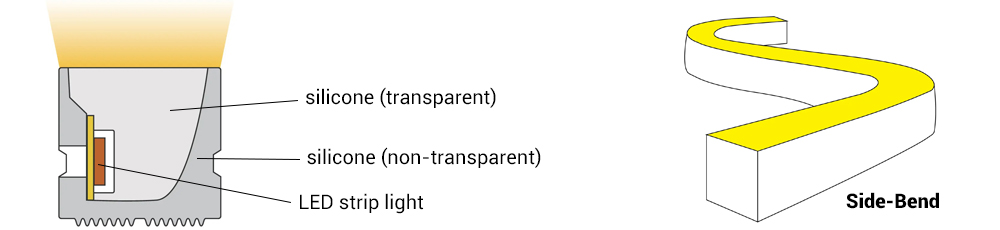
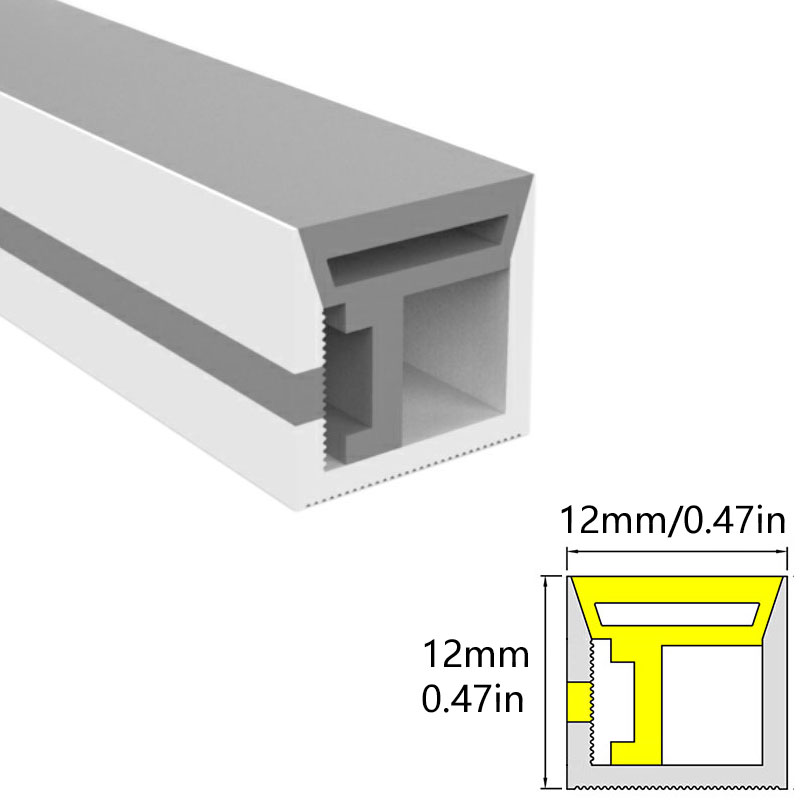
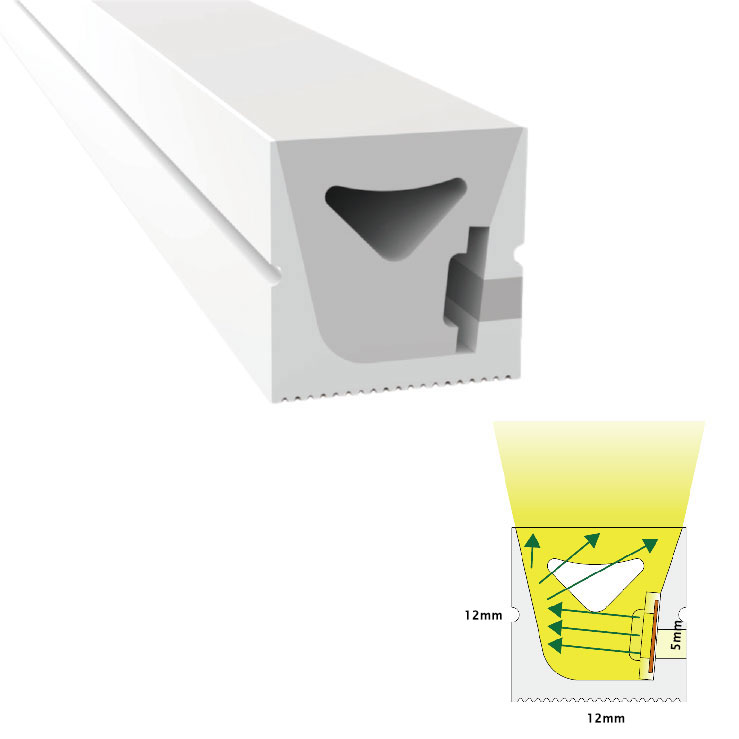
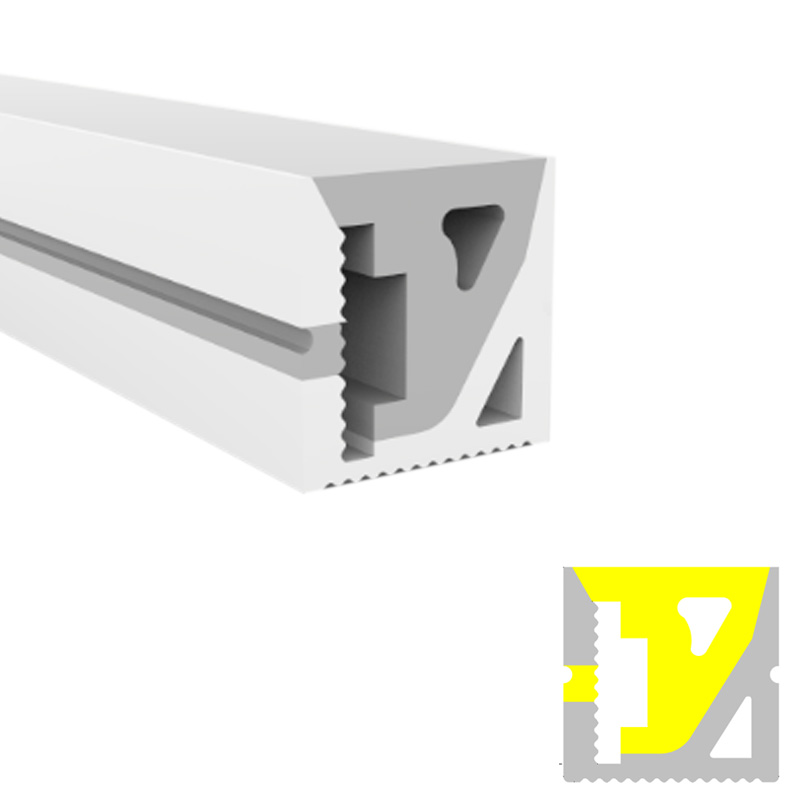
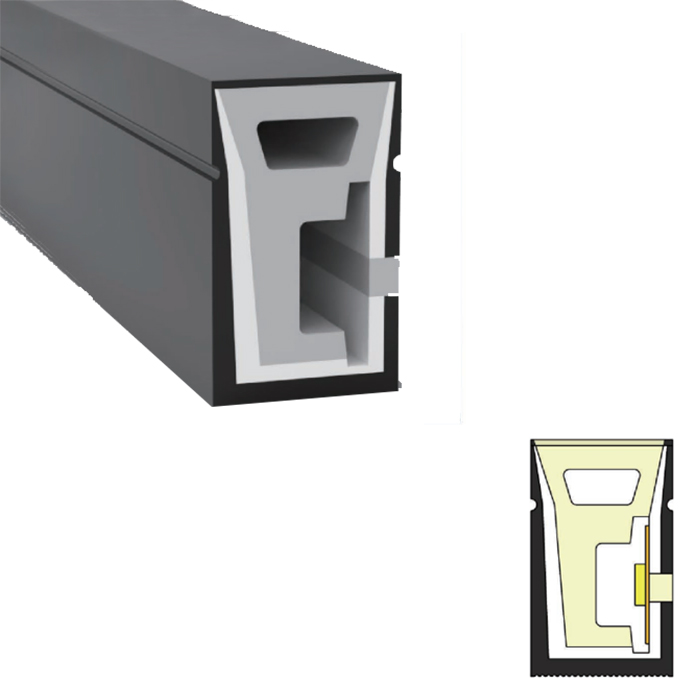
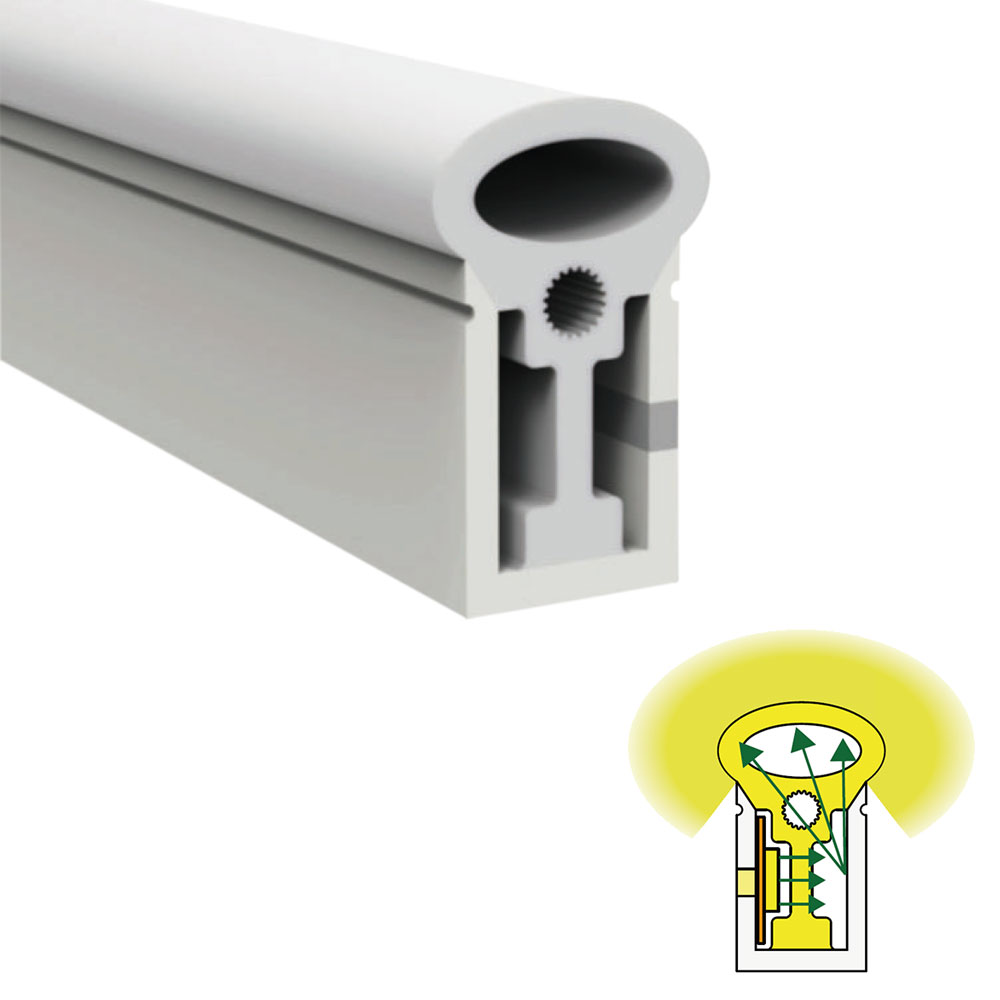
The core design of side-emitting neon tubes involves vertically installing the LED strip inside the tube, allowing light to emit uniformly from the sides of the LEDs while enabling the silicone tube led flexible neon to bend horizontally. Side-emitting led light housing silicone tubes primarily come in two structures: one with a flat top and one with a dome top, catering to diverse needs from functional neon lighting to artistic neon expression.
Our side neon led tubes are available in the following shapes:
• Rectangular shape: ultra-thin side-bend linear lights, 04*08~12*20 size, 4mm~12mm PCB;
• Square shape: square tube side-bend neon lights, 10*10~30*32 size, 5mm~15mm PCB;
• Dome shape: logo neon lights, 04*12~15*25 size, 5mm~12mm PCB.
Threading LED Strips into Neon Sleeves: DIY Tips & What Not to Do
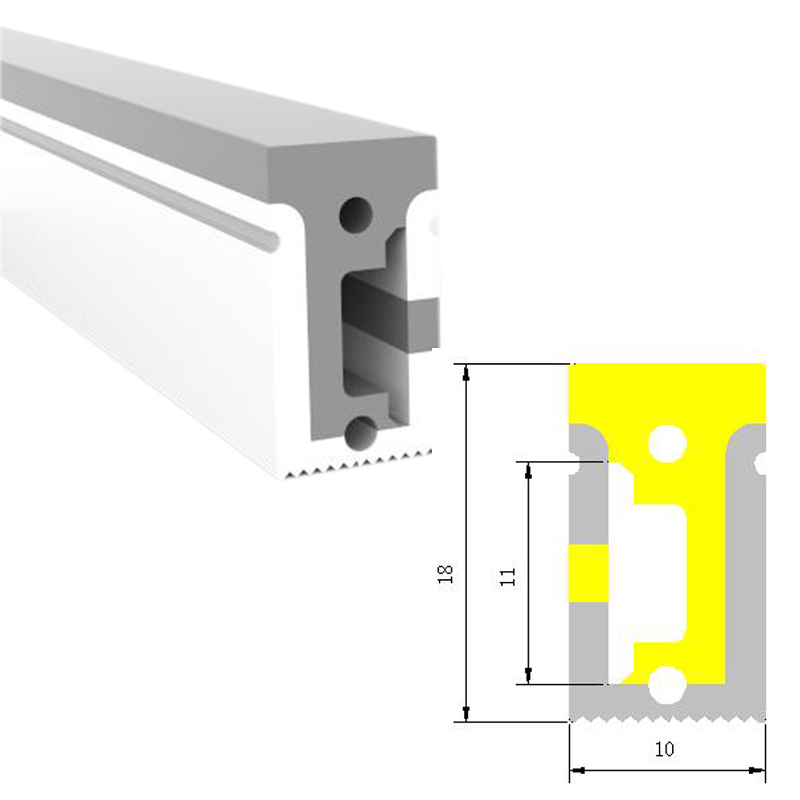
10*18mm LED Neon Tube - 180° Side Emitting - For 8-10mm LED Strip
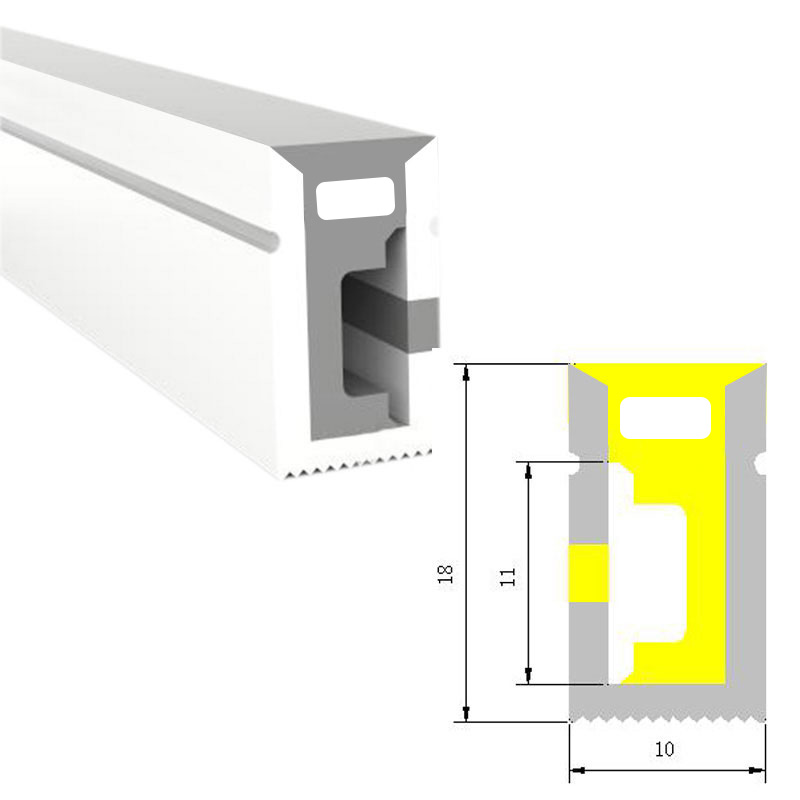
Silicone LED Channel Diffuser - 10mm Strip, IP67 Waterproof
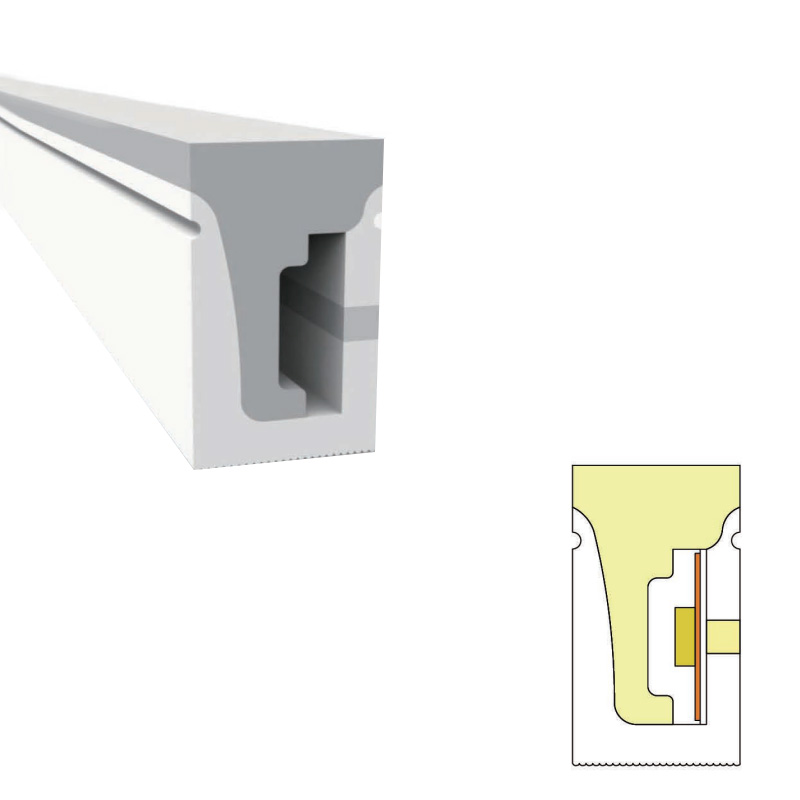
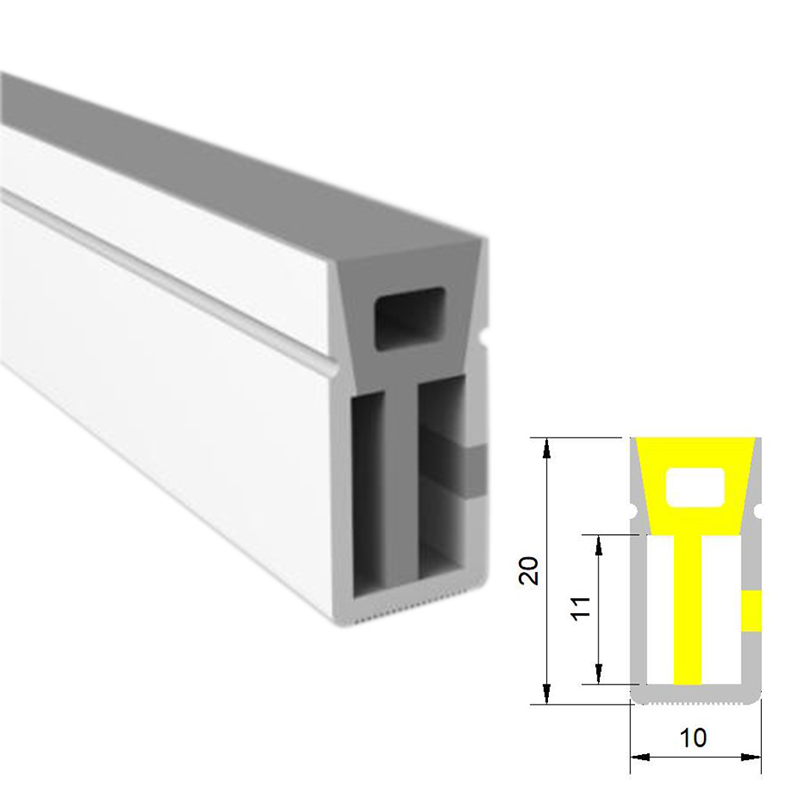
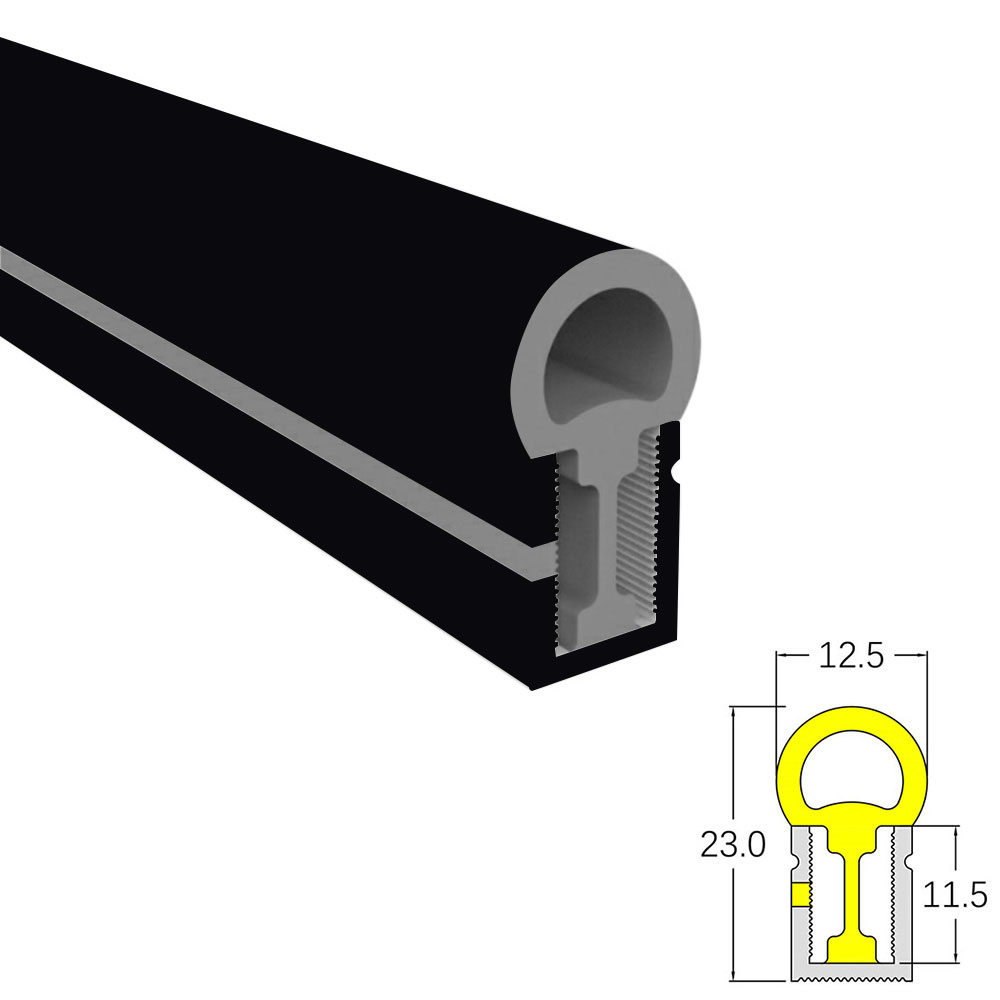
10*23mm Full Black Neon Tube - 180° Double Side Lighting - For 10mm LED Strip
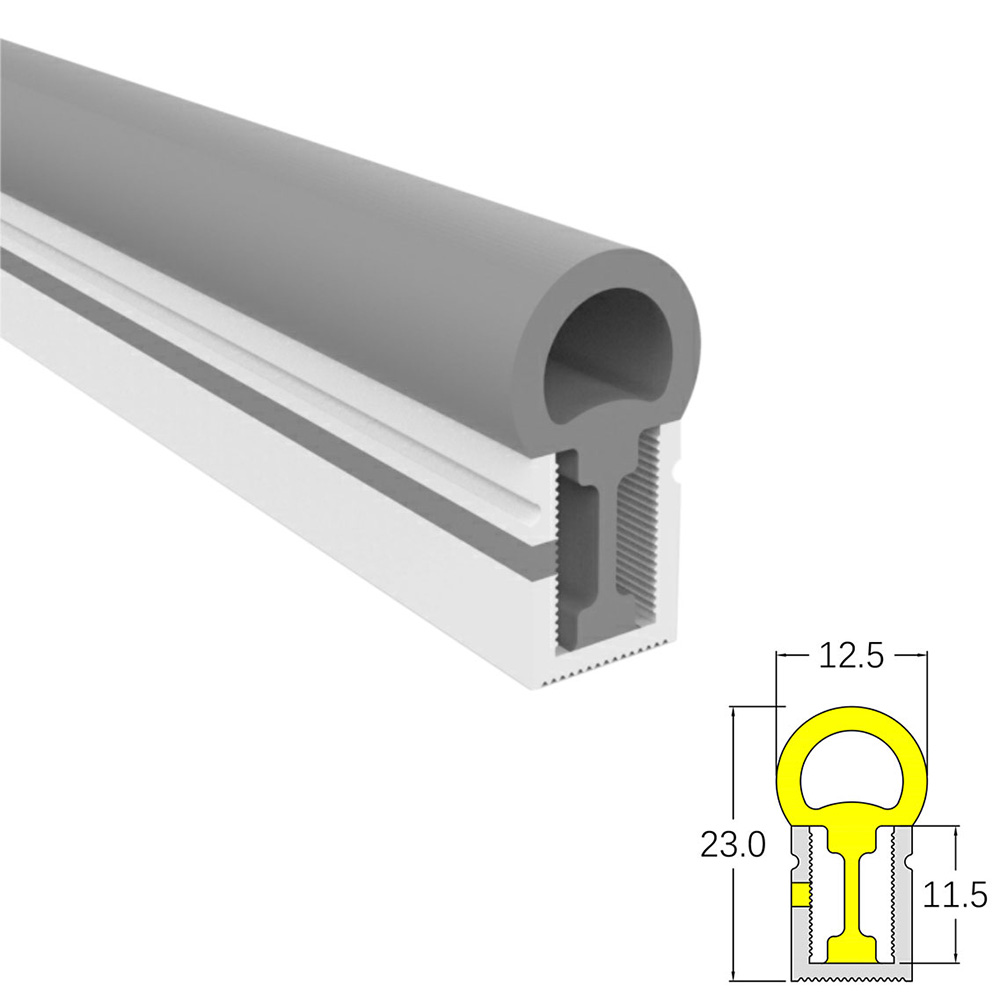
10*23mm LED Neon Tube - 180° Side Emitting - For 10mm LED Strip
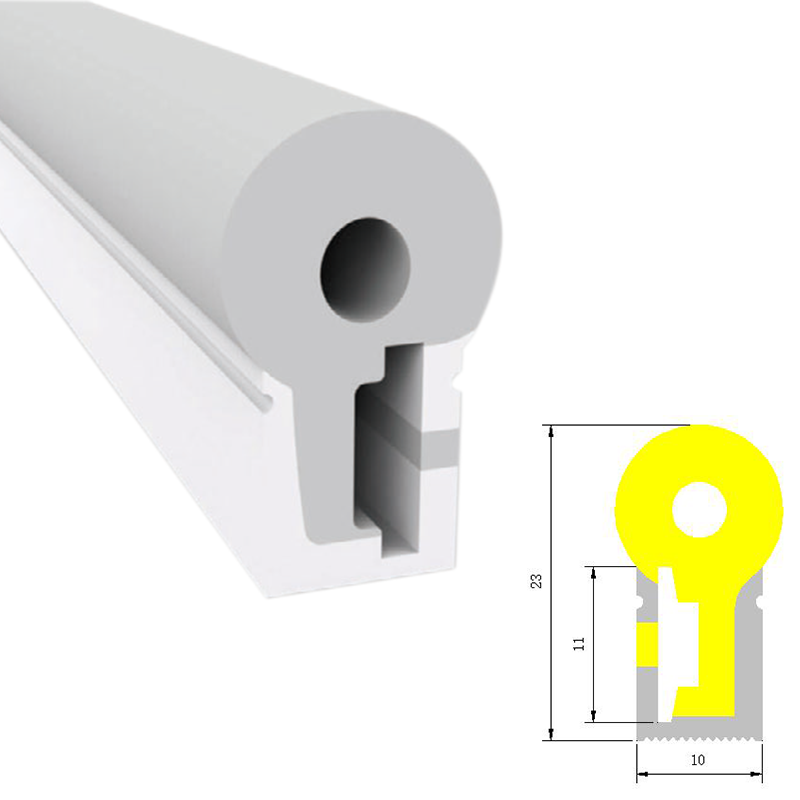
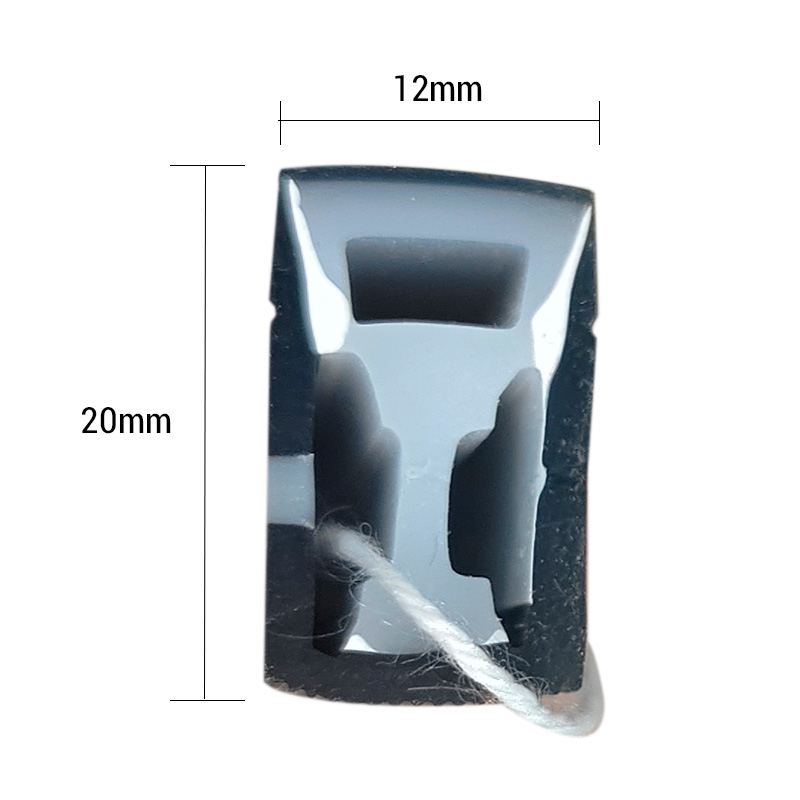
12x20mm Side Neon Black LED Lights Diffuser For 10mm PCB Tape
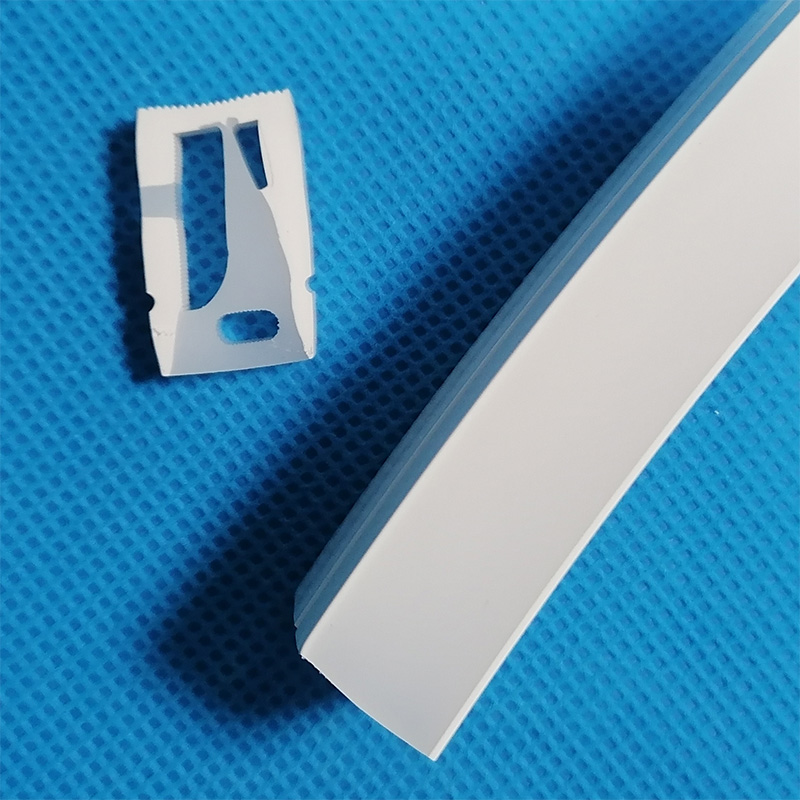
12mm Side Emitting Flexible Silicone LED Channel - IP67 Bendable Diffuser
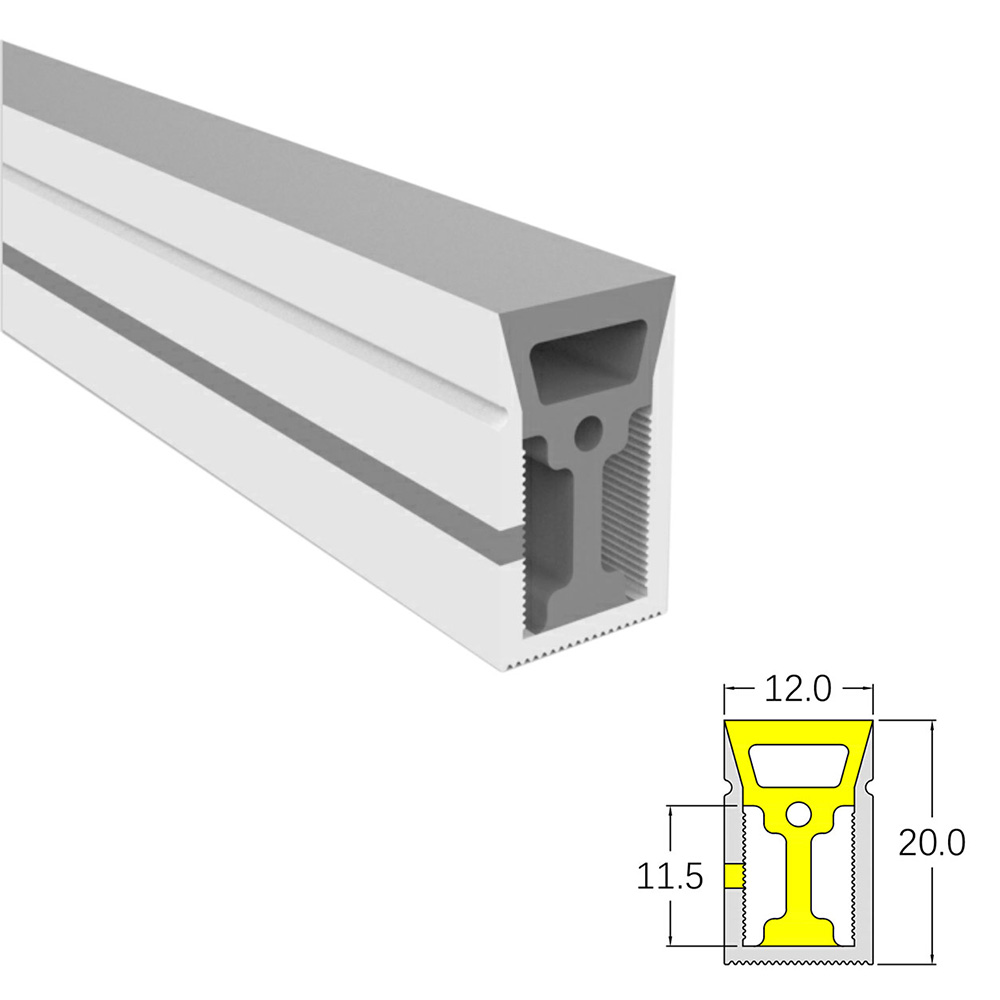
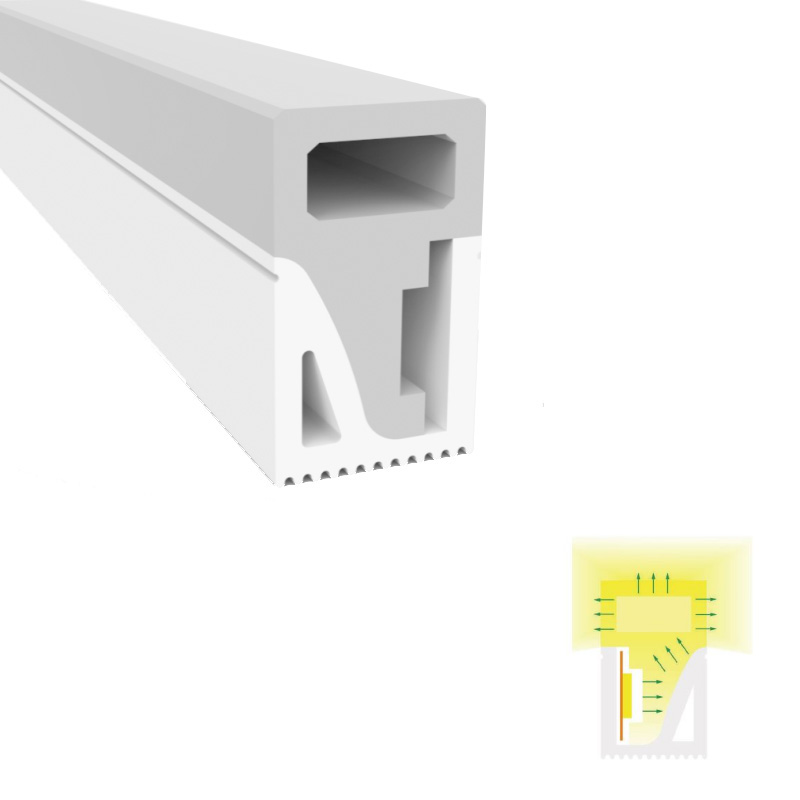
Flexible 180° LED Channel | 10mm Strip Diffuser | Silicone
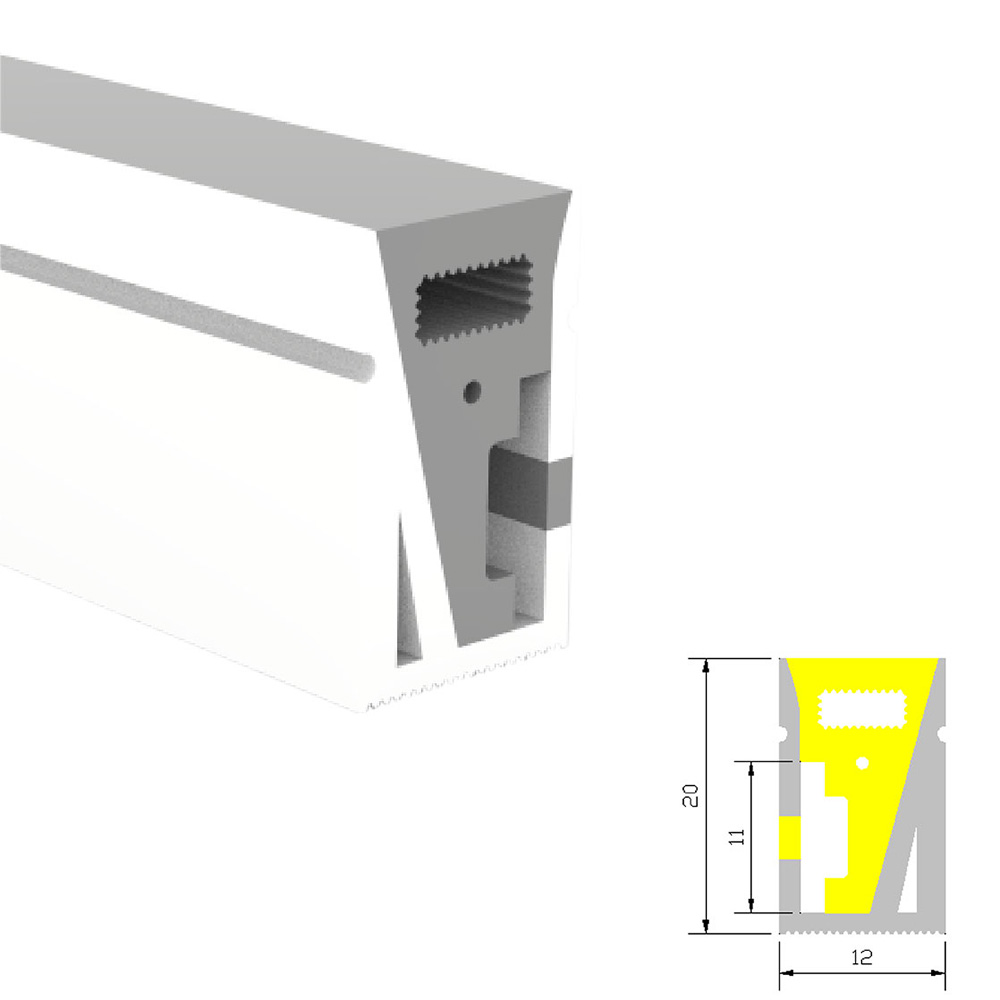
12*20mm Side Emitting Silicone Neon LED Light Diffuser Tube
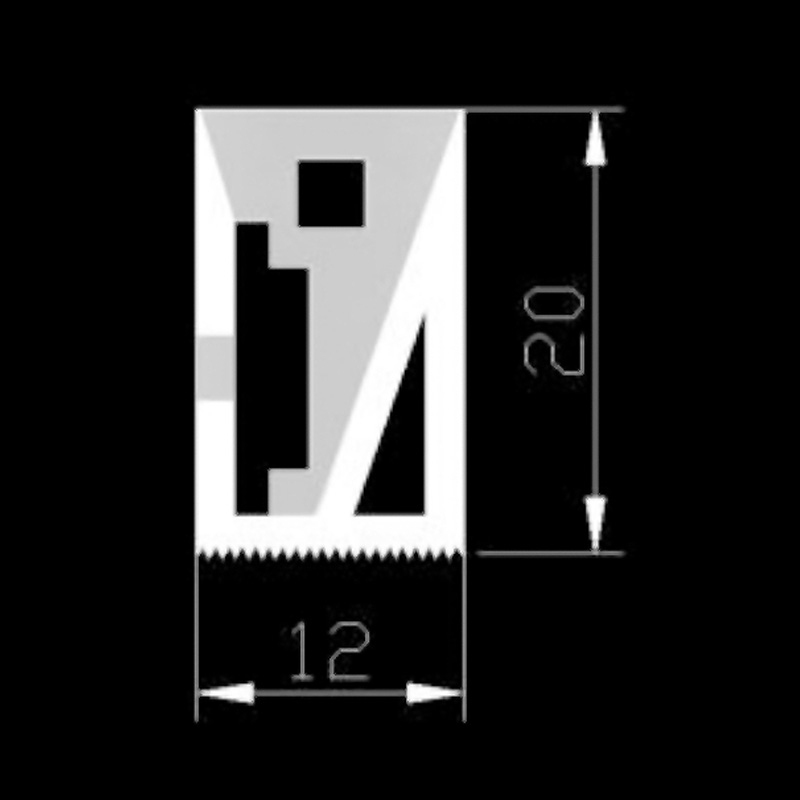
12*20mm Side Emitting Flex Silicone LED Neon Tube Diffuser
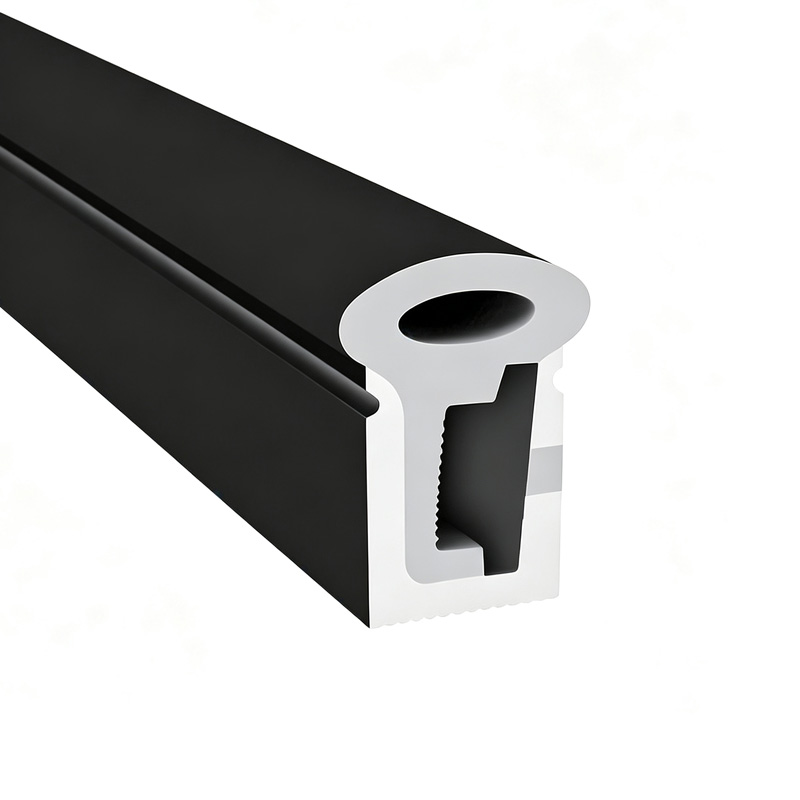
12x25mm Dome Side Neon Black Silicone Sleeve For 12mm LED Strips
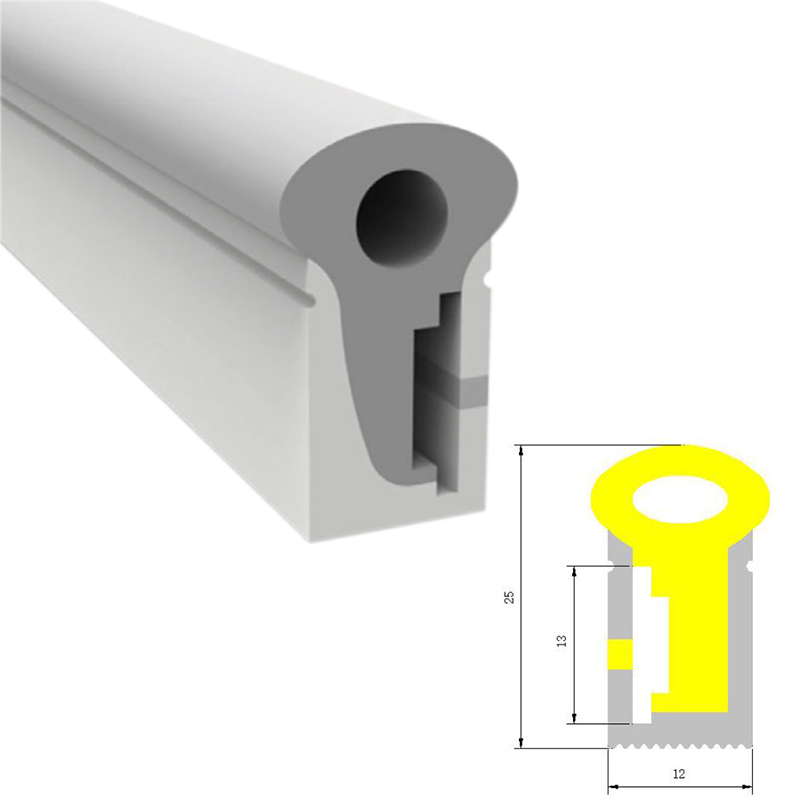
12*25mm 270° Side Glow Dome Top Flex Silicone LED Light Channel
Frequently Asked Questions About Side Emitting Silicone LED Diffusers
Got questions before you start your project? I've been answering these for 12 years. Here are the most common ones that come up for side-emitting neon tubes.
It's all about the direction of the bend. A side emitting silicone LED diffuser is designed to bend horizontally, on a flat plane—think writing your name in lights on a wall. A top-emitting tube bends vertically, like going up and over an archway. You install the LED strip vertically inside a side-emitter to make the light shoot out the side.
It's a simple, clever design. You mount a standard flat LED strip inside the tube, but on its side, so the LEDs are facing the wall of the diffuser. The high-quality silicone then scatters that light, blending the individual dots from the LEDs into one continuous, uniform line of light that glows out from the side profile. That's how you get a smooth, dotless neon effect.
This depends on the specific profile, but as a rule of thumb, for a common 8x16mm side-emitting tube, you can safely get down to a 30mm or 40mm radius. Trying to force a tighter bend than the tube is designed for can damage the solder joints on the LED strip inside, causing sections to fail. Smaller profiles can often bend tighter.
The silicone tube itself is waterproof, but the finished product is only waterproof if you seal the ends correctly. To get a proper IP67 rating, you must use silicone adhesive to glue on the end caps, both the solid one and the one with the wire hole. A properly sealed assembly is great for outdoor use.
It comes down to the final look and how wide you want the light to spread. A dome top side emitting diffuser gives you that classic, rounded neon tube appearance with a very wide beam angle, often 180 degrees or more. A flat top profile provides a clean, recessed-looking line of light with a more controlled beam, usually around 120 degrees, which is better for architectural accents.
They serve a very specific design purpose. When the light is off, a black silicone housing provides a sleek, 'disappearing' look on dark surfaces. When it's on, the black frame makes the light color appear more saturated and intense by increasing the contrast. The actual surface that emits the light is still a neutral white, so it won't tint your light, just make it pop.