
RF Remote Control RGB
59 products
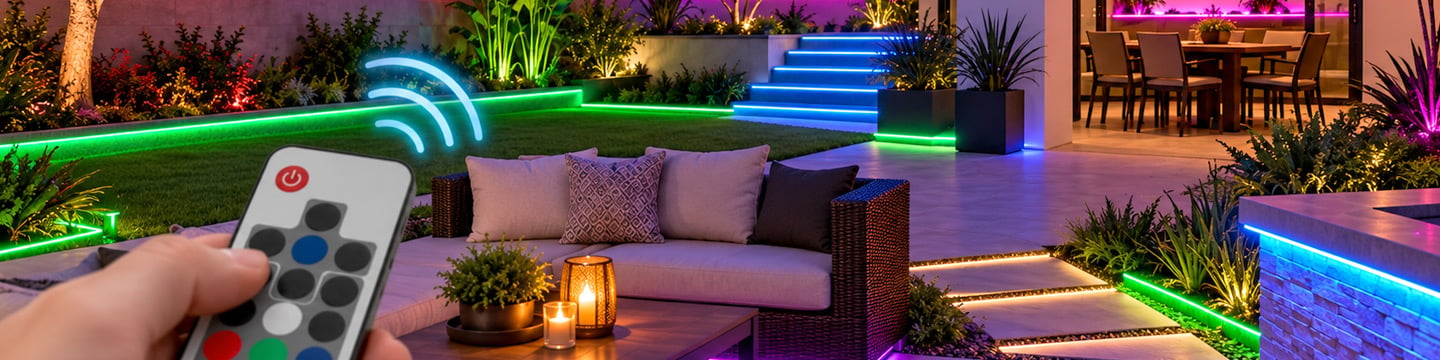
For RGB LED strip users seeking a balance between affordability and powerful wireless performance, our RF Remote RGB Controllers are for versatile color-changing lighting LED management. Unlike IR systems that require a direct line-of-sight, these Radio Frequency (RF) units operate through walls and obstacles, making them a favorite for homeowners and professional installers alike.
Master Your Atmosphere with Classic RF Remote RGB Controllers
The enduring popularity of these Classic RF Remote RGB Controls lies in its technical reliability and "set-and-forget" simplicity. High-end models from brands like LTECH include power-fail memory and a 5-year warranty, ensuring long-term stability for your investment.
If you require more flexible RGB LED control options beyond these fixed pairings, consider exploring the Skydance Wireless RGB System or Mi-Light Wireless RGB Controller series, which allow you to mix and match specific RF handheld remotes or wall-mounted wall panels for a custom interface. For high-voltage LED projects, please visit our High Voltage RGB Controller category to ensure system compatibility.
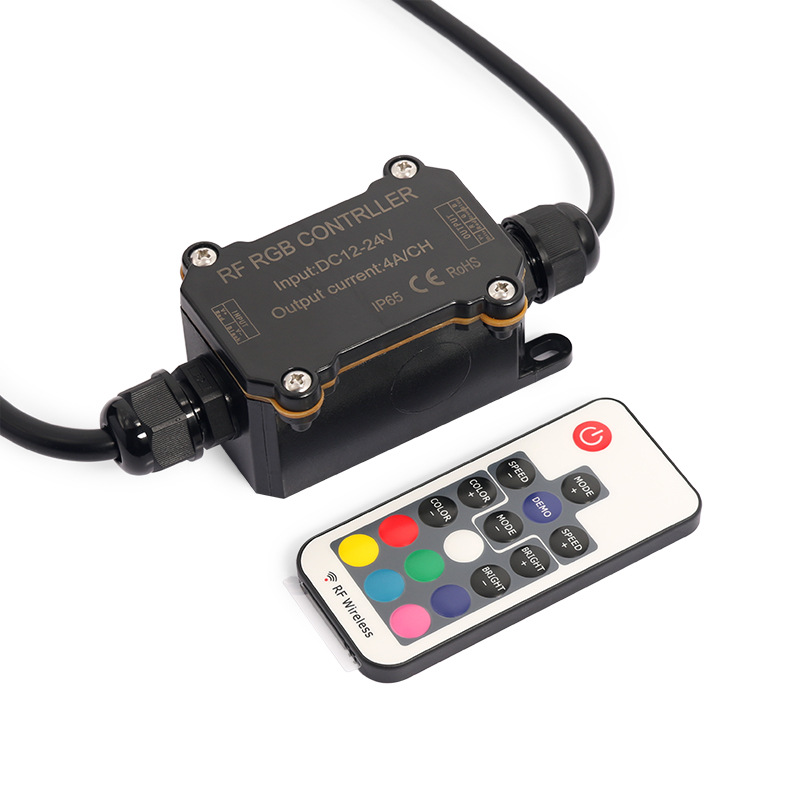
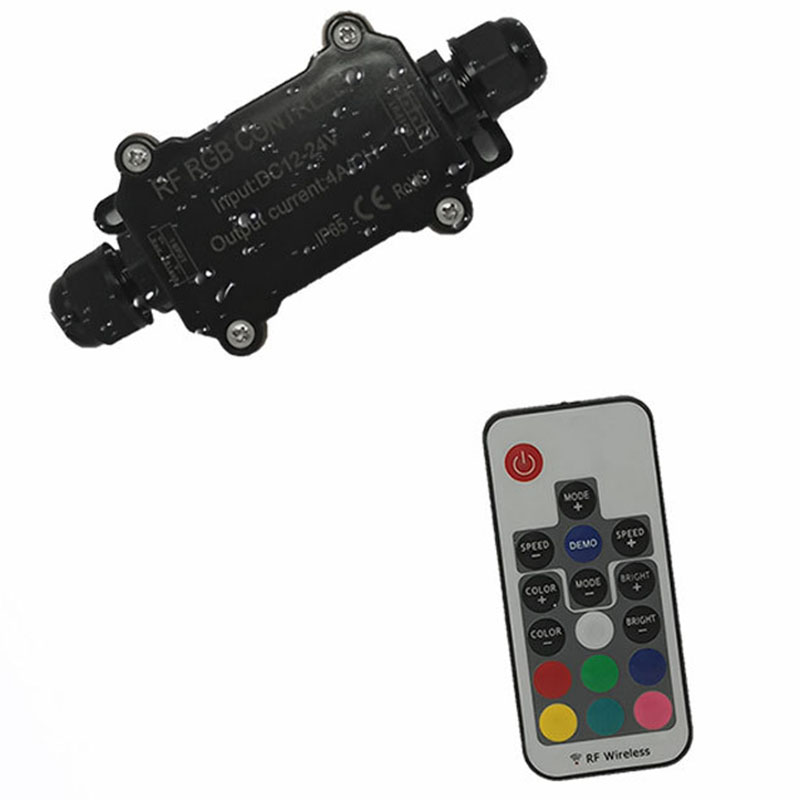
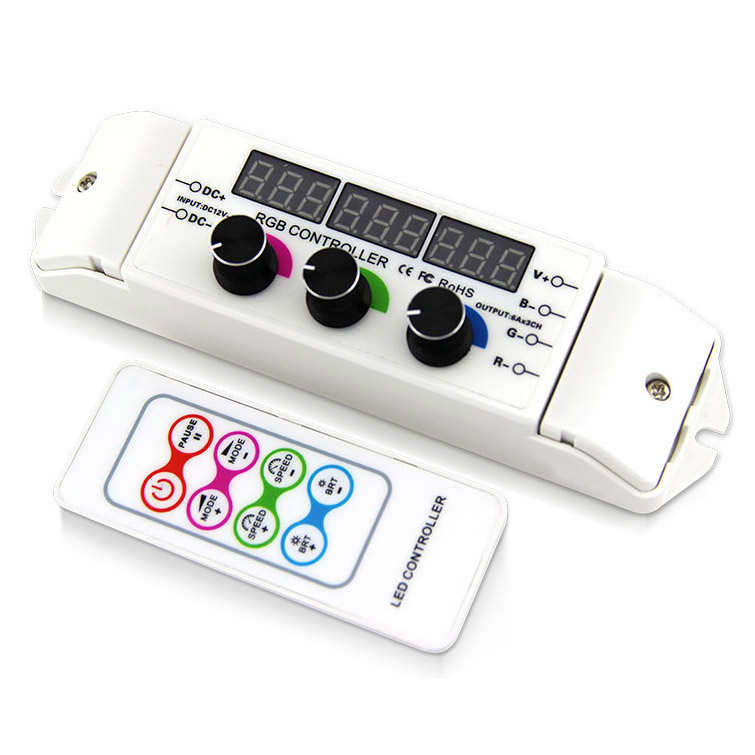
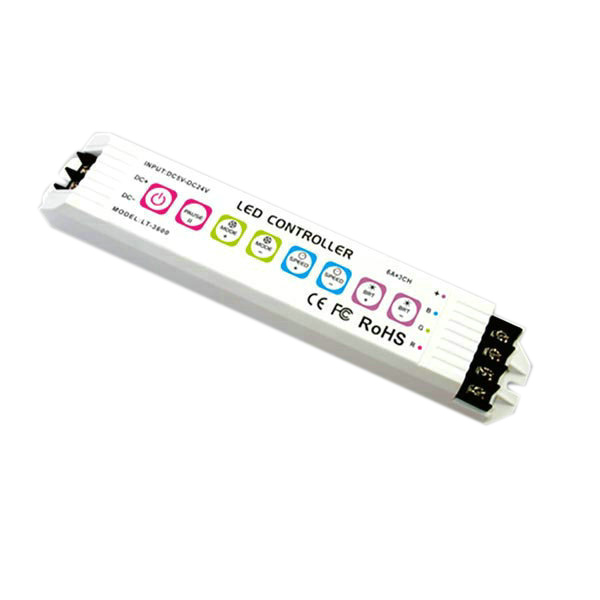
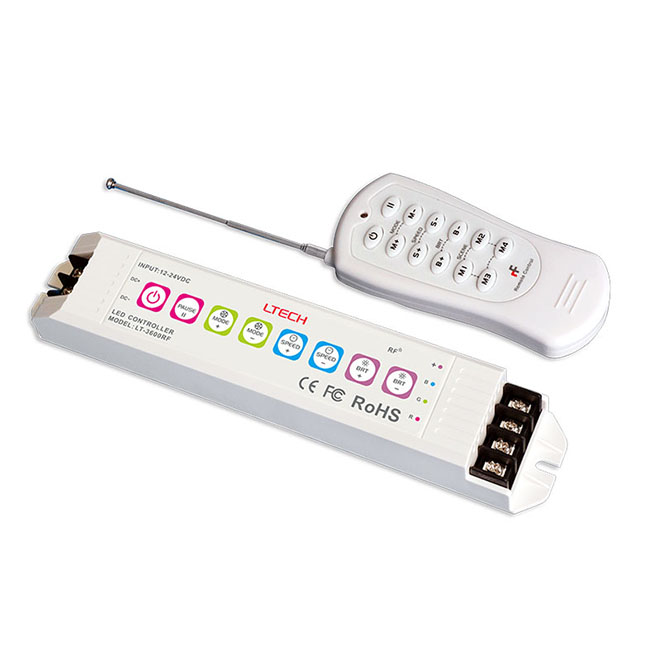
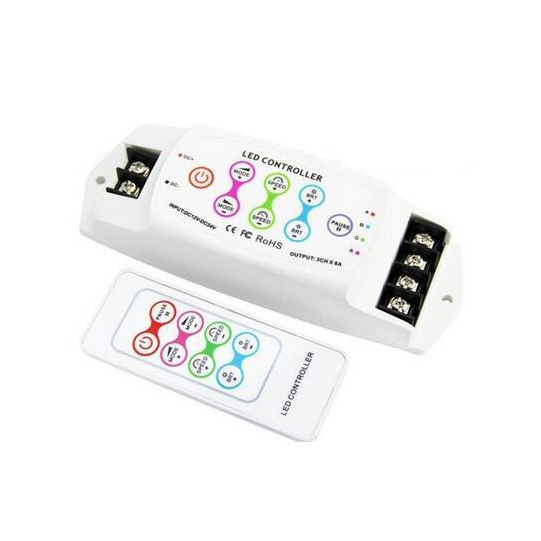
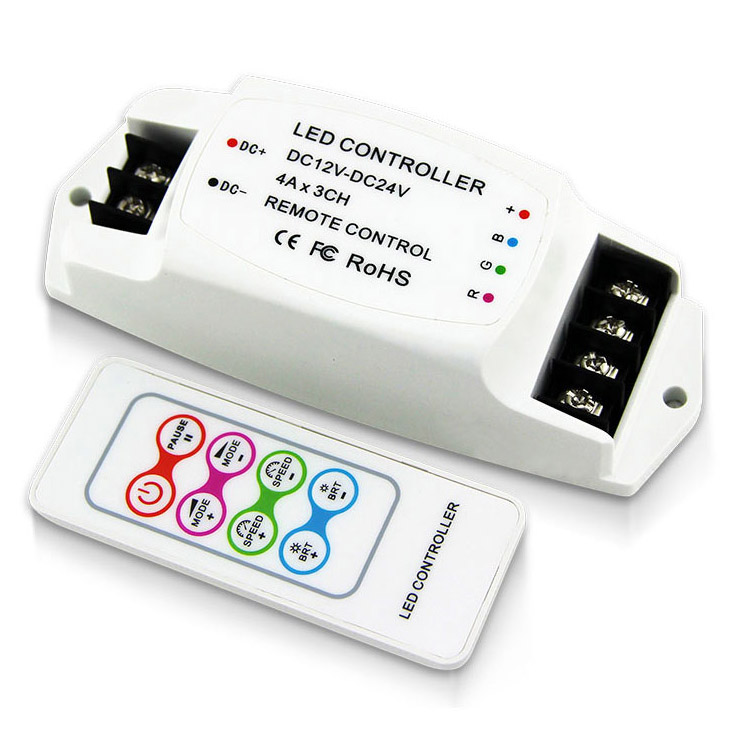
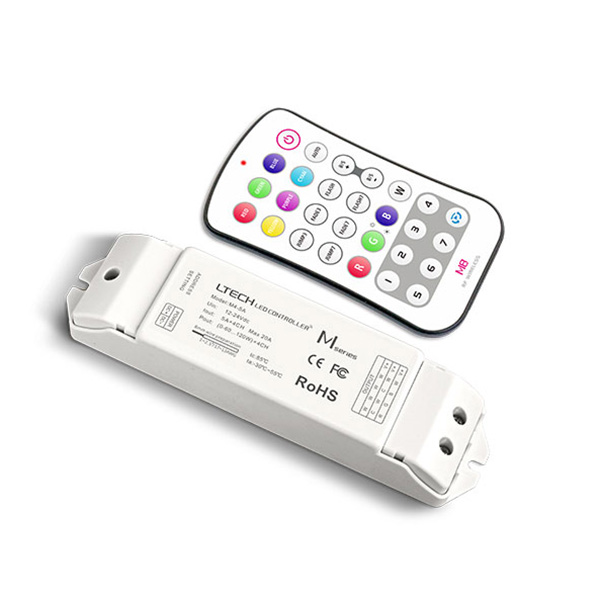
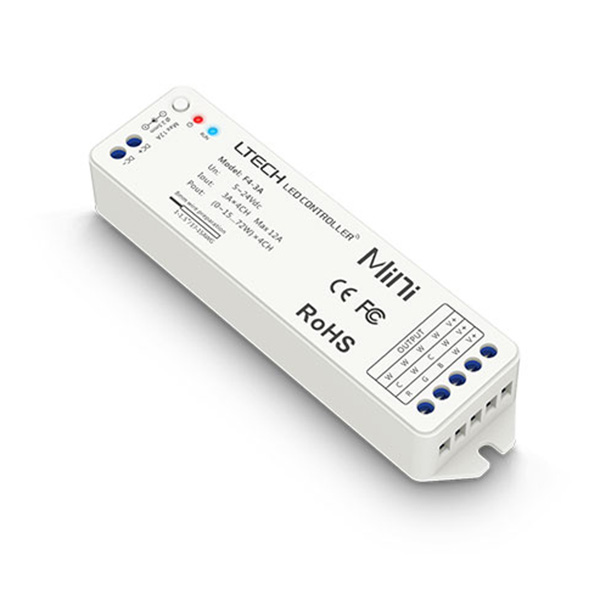
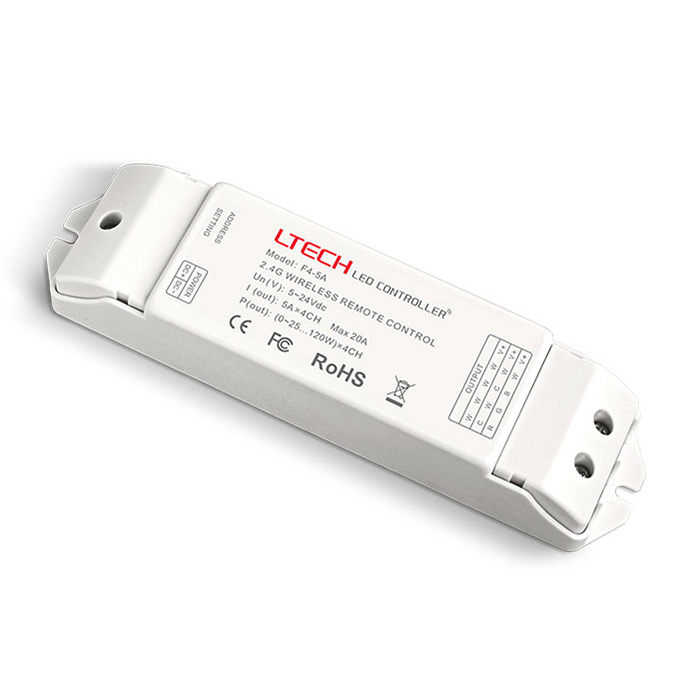
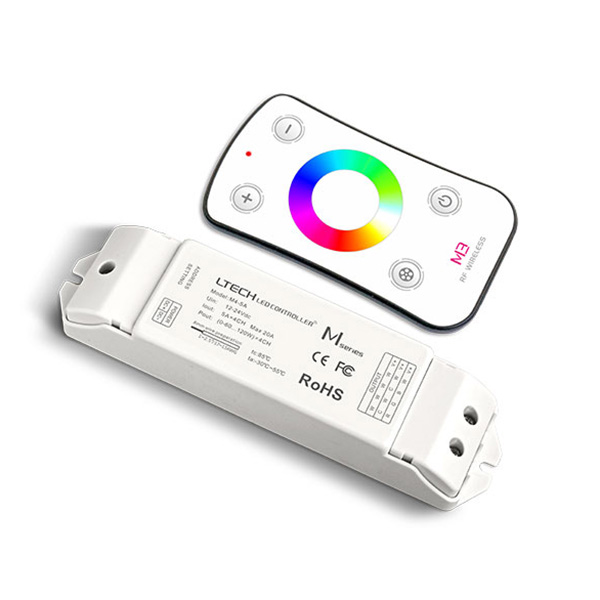
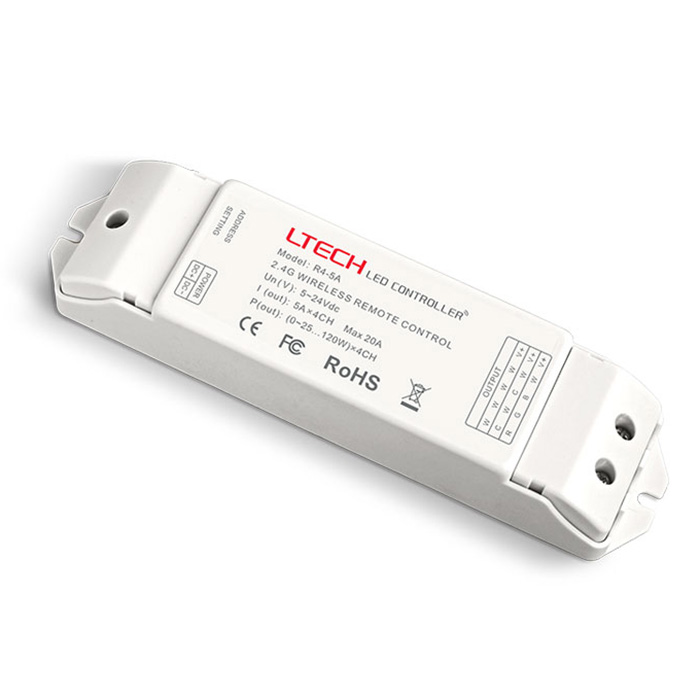
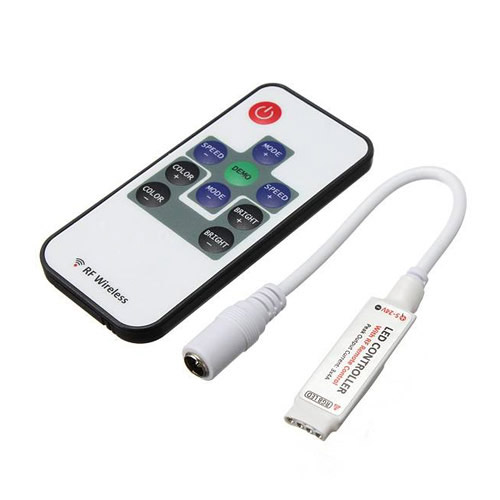
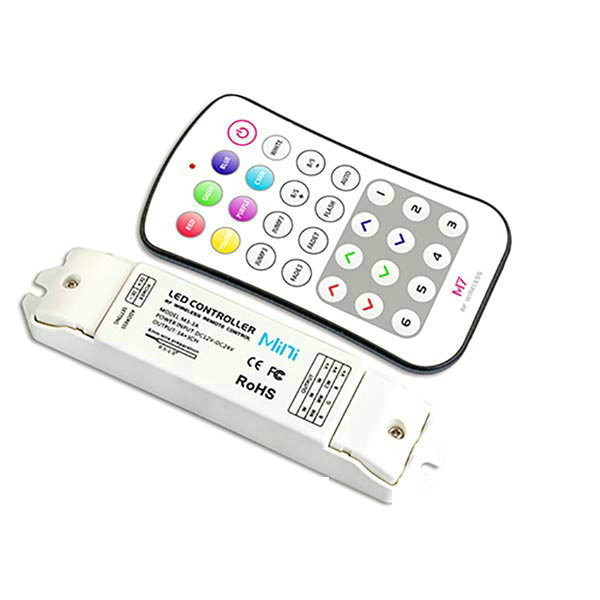
12A RGB LED Mini RF Controller (5-24V) - Wireless 15m Remote for Strip Lights
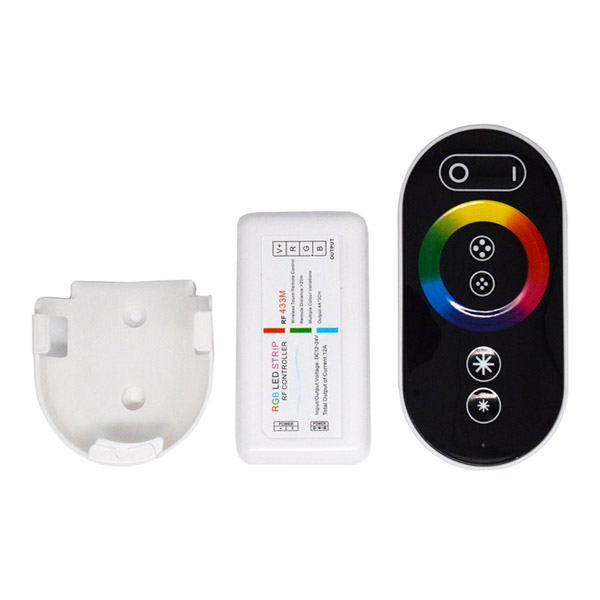

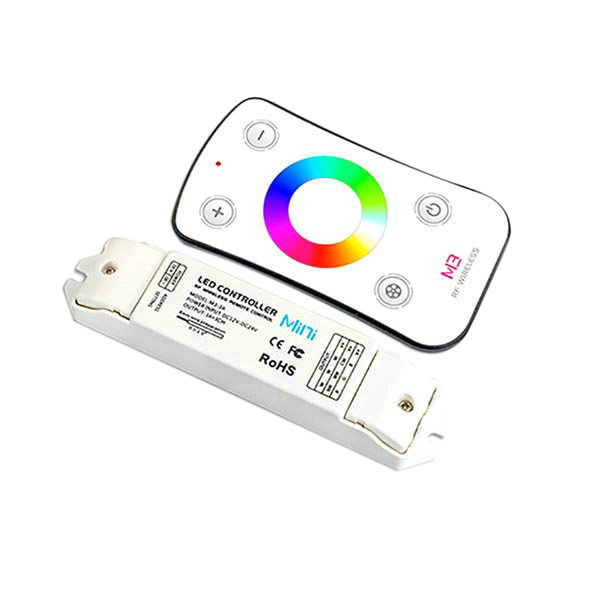
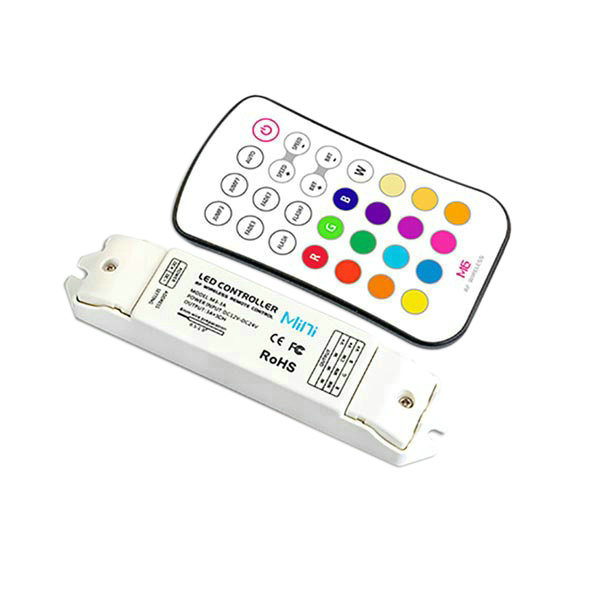
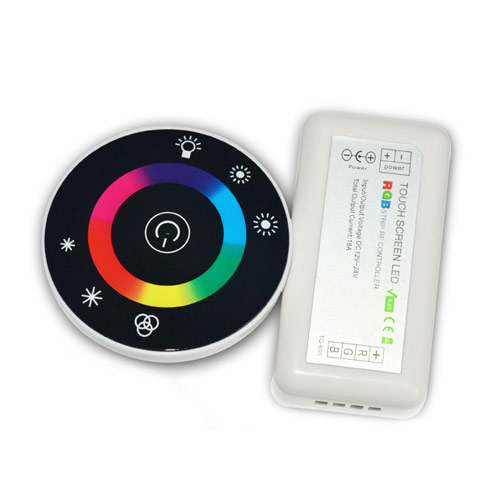
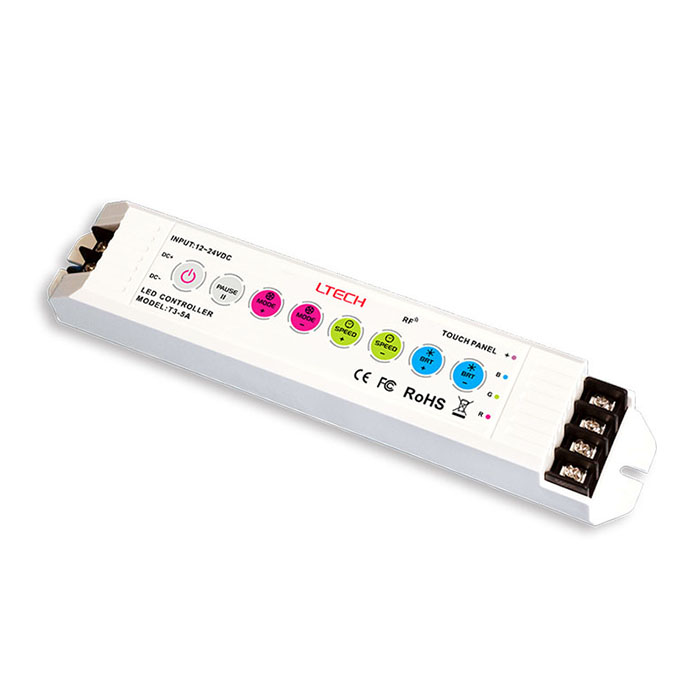
DC12/24V UFO Touch RGB LED Controller - 18A 3-Channel Wireless Remote | 432W Power
Frequently Asked Questions About RF Remote RGB Controllers
Got a question about setting up your RF remote system? I've been answering these on the support desk for over a decade. Here are the common ones.
First, pull the plastic tab out of the battery compartment if it's brand new. If you've used it before, try a fresh battery—the coin cells (usually a CR2025) can die suddenly. Also, check that you're within range. If it's a new setup, make sure the remote is paired to the receiver; some kits need you to press a button on the receiver and then a button on the remote to link them.
Your RF remote sends a radio signal to a receiver that's wired between your power supply and the LED strip. When you press a color on the remote, it sends a command telling the receiver how to mix the red, green, and blue channels. The receiver then adjusts the power to each of those channels on the RGB strip using a technique called Pulse-Width Modulation (PWM).
This depends on the controller's amperage rating, not its signal. A typical controller rated for 5 amps per channel can handle about one 16.4ft (5m) reel of standard 60 LED/m 5050 RGB strip. If you overload it, the controller will overheat and fail. For longer runs, you need to use an RGB power amplifier after the first strip to inject fresh power, or spec a controller with a higher amperage output from the start.
Look for a small tray on the bottom edge of the remote. There's usually a tiny tab you have to push to one side with your fingernail or a small screwdriver while you pull the tray out. It's designed to be tight so it doesn't fall out. The battery type, usually a CR2025 or CR2032, is printed right on the battery itself. Slide the new one in, positive side up, and you're good to go.
Yes, absolutely. You just need to match an IP67-rated RGB controller, like our outdoor waterproof model, with an IP65 or IP67 rated RGB strip. The key is ensuring every connection is also waterproof. This often means using silicone sealant and heat shrink, or looking at our dedicated IP68 connector series to build a system that can handle rain and humidity without failing.
Our advanced RF systems are designed for multi-zone control. With those, you can pair a single remote to multiple receivers, either controlling them all at once or selecting them individually.