
RGB LED Music Controller
9 productsElevate your lighting experience from static to cinematic with our premium range of RGB LED Music Controllers. Whether you are designing a high-energy home theater, a professional KTV lounge, or a custom car interior, these RGB LED strip controllers bridge the gap between sound and sight. Choose between built-in high-sensitivity microphones or 3.5mm audio jacks for non-interfered, professional-grade music synchronization.
Many LED tape light users often look for ways to sync lighting with gaming setups or party zones; our controllers solve this by using advanced sound recognition technology to make your RGB flexible LED strips flash, fade, and pulse in perfect harmony with every beat.
Beyond music modes, enjoy up to 16 static colors and classic DIY modes to adjust brightness and speed via radio-frequency or infrared remotes.
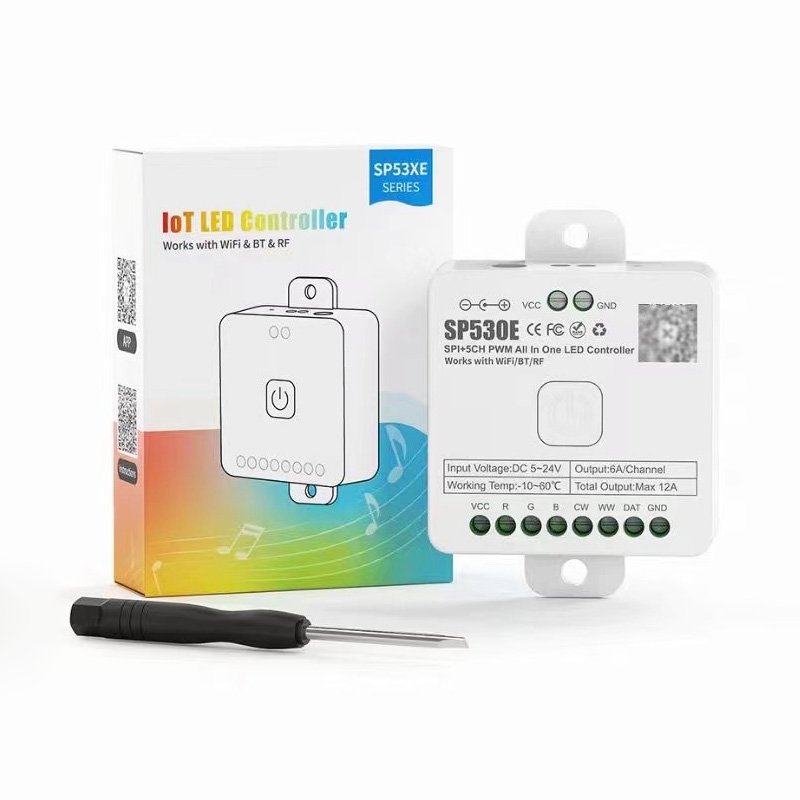
SP530E WiFi Bluetooth RF Music LED Strip Light Controller (Upgraded of SP630E)

1500W RF Music Controller AC110-220V - Stage & Bar RGB LED Strips
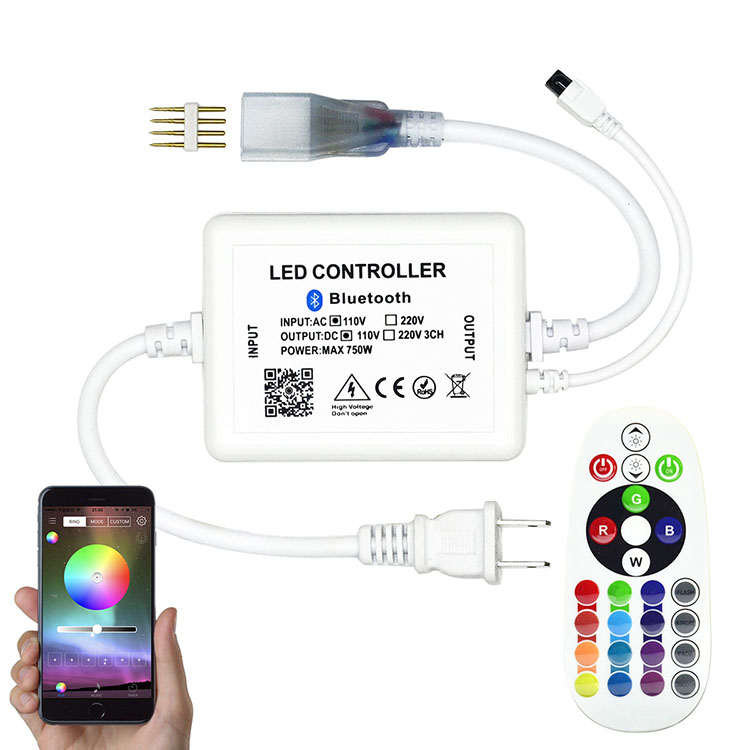
AC110V 750W WiFi/Buletooth Music IR Wireless High-Voltage RGB Controller For High Voltage LED Tape Lights - Support Alexa, Google Home and Nest
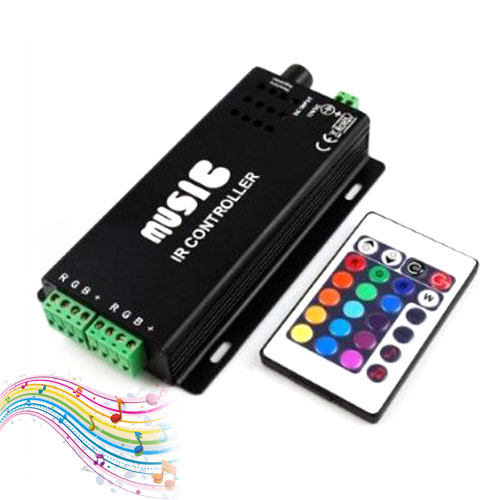
12V/24V 144W Music Sync RGB LED Controller - IR Remote for Bars/Cars
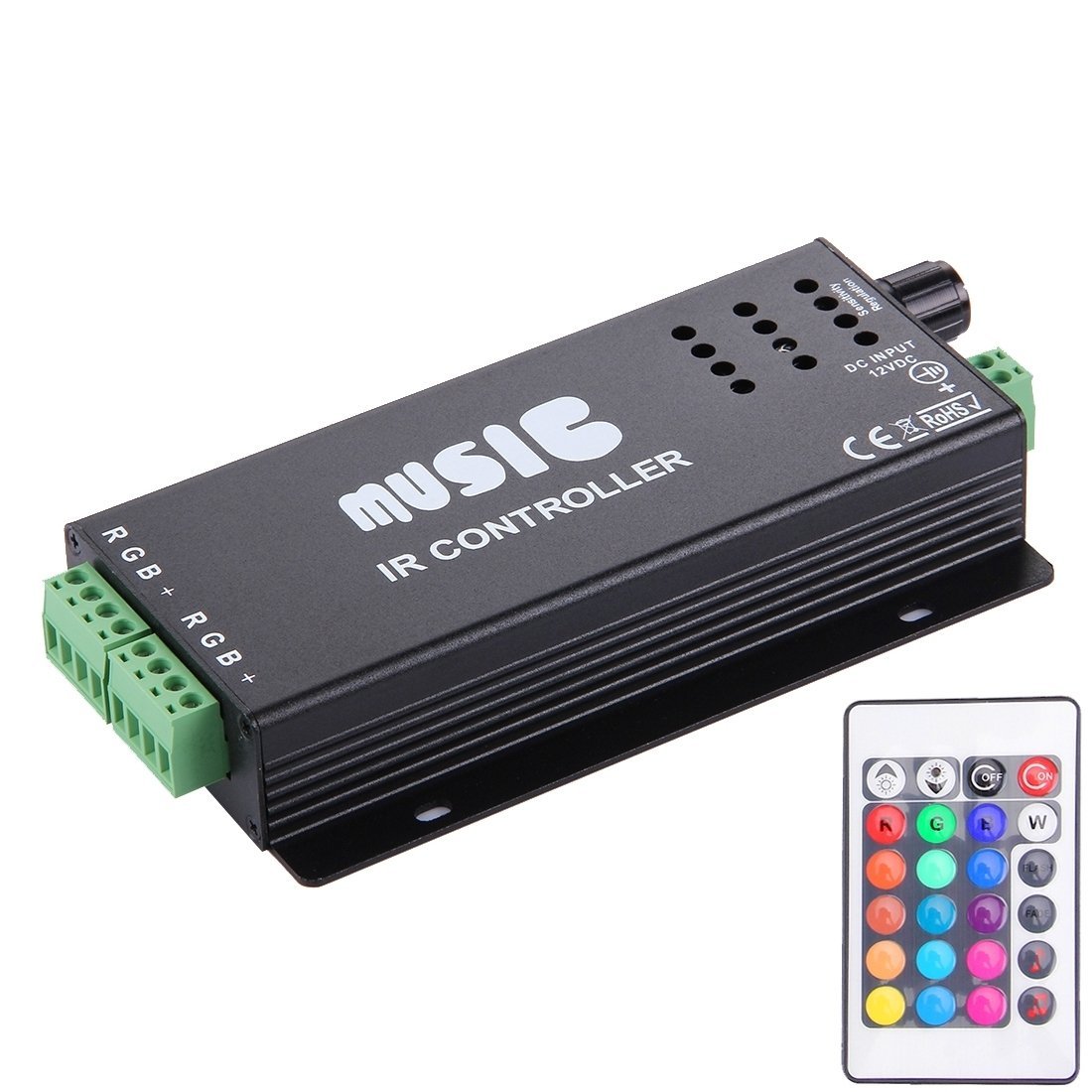
DC12-24V Music LED Controller SX-020 - RF Touch Remote 20m | 180W
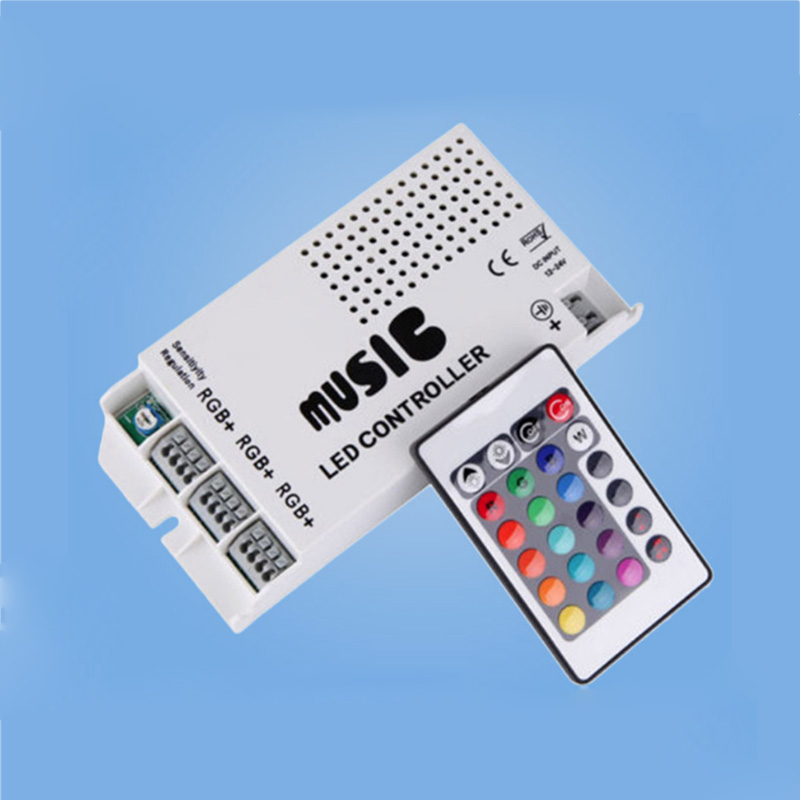
Music Sync RGB LED Controller 12V/24V 216W - KTV/Bar Sound Recognition
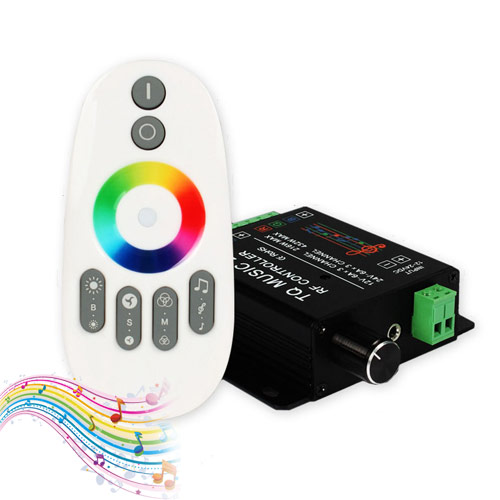
DC12/24V RGB LED Music Controller - Sound Sync 216W/432W IR Remote
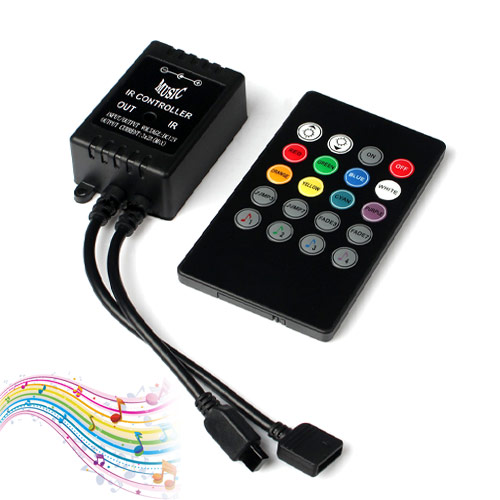
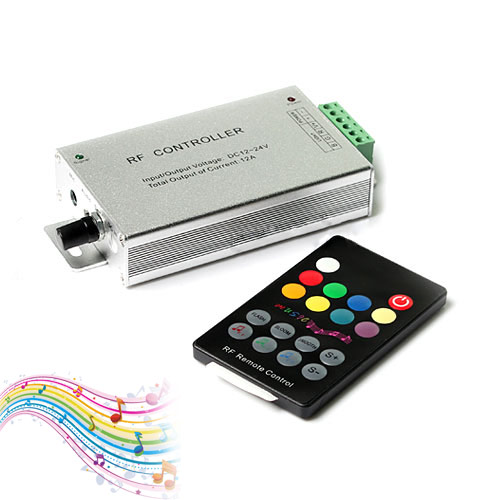
DC12/24V 3A 4CH LED Music Controller - Sound Activated RGB Strips | IR Remote
Frequently Asked Questions About RGB LED Music Controllers
Your technical questions, answered directly. Here's what our engineers get asked most often about syncing your lights to sound.
It uses one of two methods. Most of our RGB LED music controllers have a small, high-sensitivity microphone built right into the controller box that picks up ambient sound. For a cleaner signal, especially in noisy environments or for pro setups, other models have a 3.5mm audio input jack. You plug a splitter from your audio source directly into that, giving the controller a perfect, interference-free feed of the music.
This usually comes down to microphone sensitivity or placement. If the mic is too far from the sound source, it picks up echoes and background noise, confusing the rhythm detection. Try moving the controller box closer to your speakers. Many remotes also have sensitivity adjustment buttons (often marked with a + or -) that let you fine-tune how it reacts. A lower sensitivity can help it focus only on the main beat.
You'll need to calculate the total wattage of your LED strip. Check the strip's product page for its 'watts per meter' (or foot). Multiply that number by the total length of the strip you're connecting. For example, if your strip uses 12W per meter and you're running a 10-meter length, you need 120W of power (12W/m * 10m). In that case, an RGB LED music controller that outputs 144W is perfect, giving you a safe buffer.
Yes, but you absolutely must use a model designed for it. We have specific high-voltage RGB strips and controllers that run on AC110V-220V directly, like our 750W and 1500W models. Never, ever connect a standard DC12V/24V music controller to a high-voltage strip, or vice-versa. It's an instant failure and a serious safety hazard. Always match the voltage of the strip, the controller, and the power source.
These are pre-programmed effects that react to sound in different ways. Instead of just flashing, you might get a 'beat' mode where the colors jump on a drum kick, a 'fade' mode where colors slowly pulse with the music's volume, or a 'spectrum' mode that tries to follow the melody. They use algorithms to analyze the music's frequency and dynamics, giving you more variety than a simple on/off flash.
Yes, you can wire multiple strips to one controller in parallel, as long as their combined total wattage doesn't exceed the controller's maximum output. For very long runs or complex layouts where you might overload the controller, you'd wire the first strip to the controller, then add RGB power amplifiers between subsequent strips to inject fresh power while passing along the same signal. For more details, check out our guide on wiring RGB strips.