
Sensor Dimmer
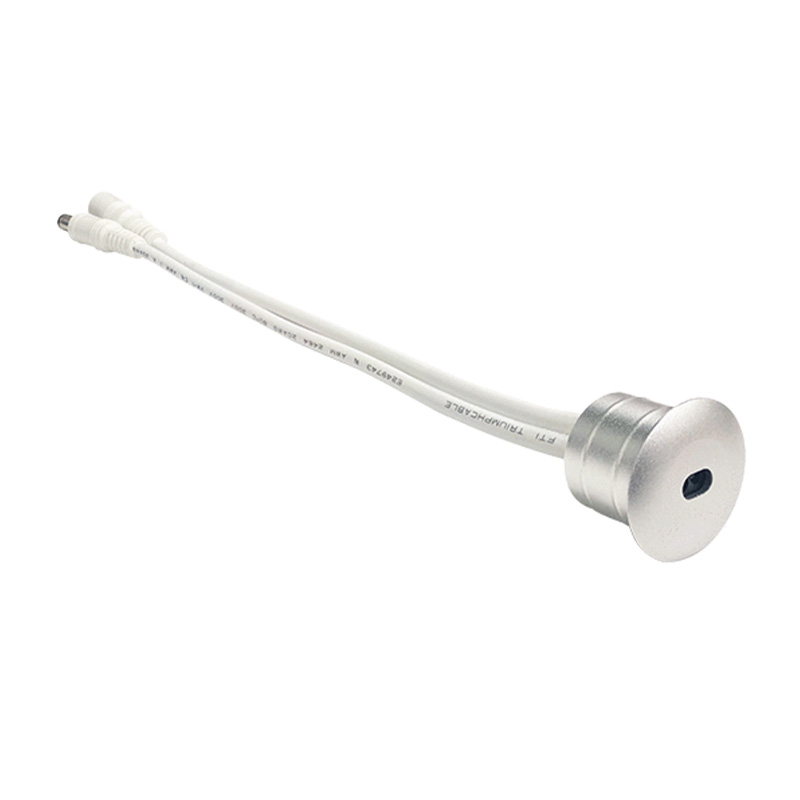
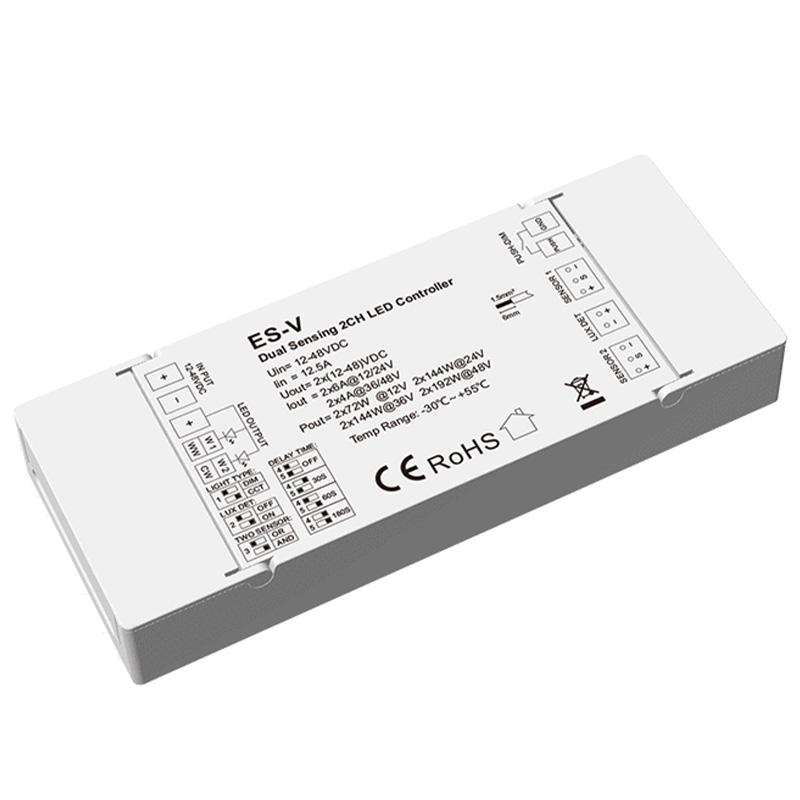
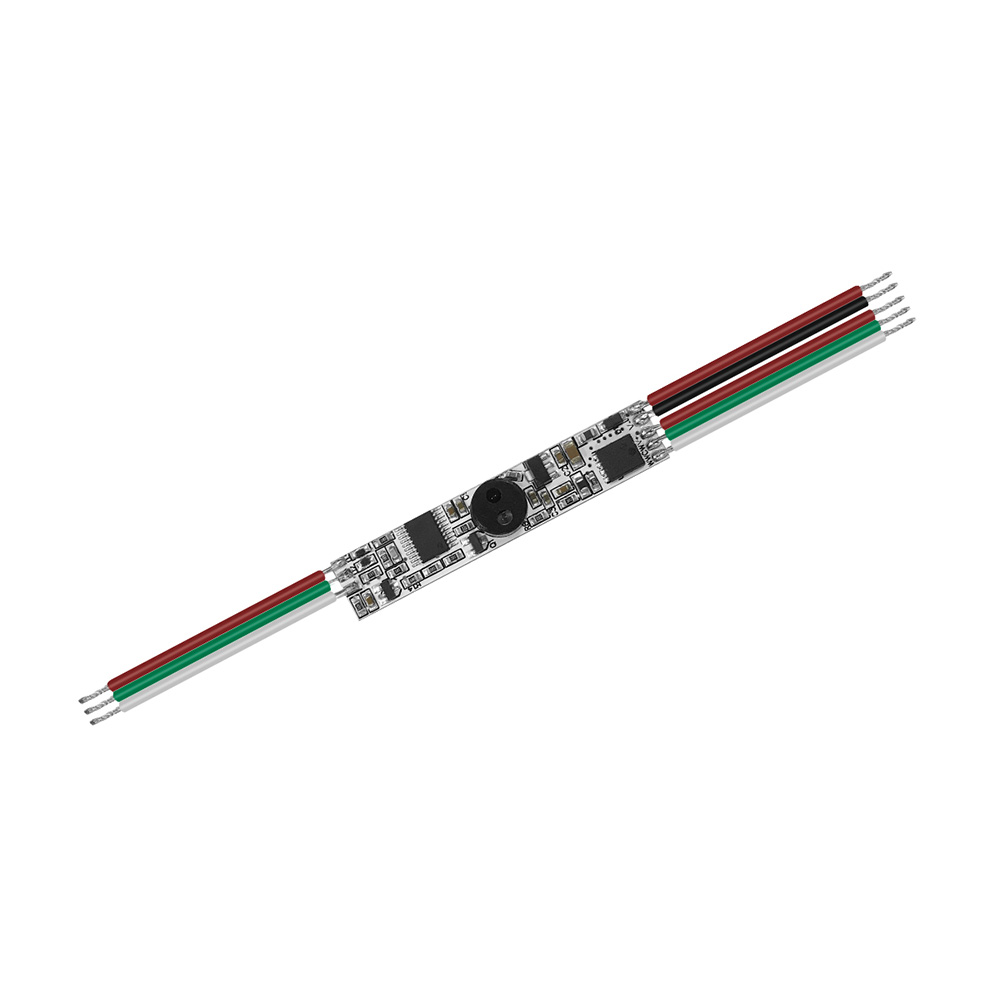
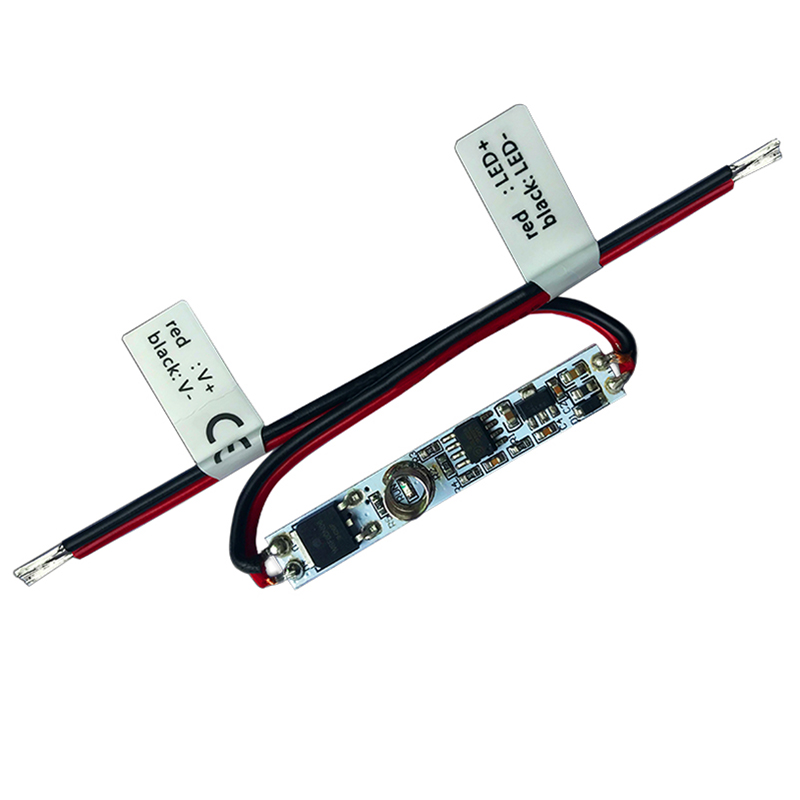
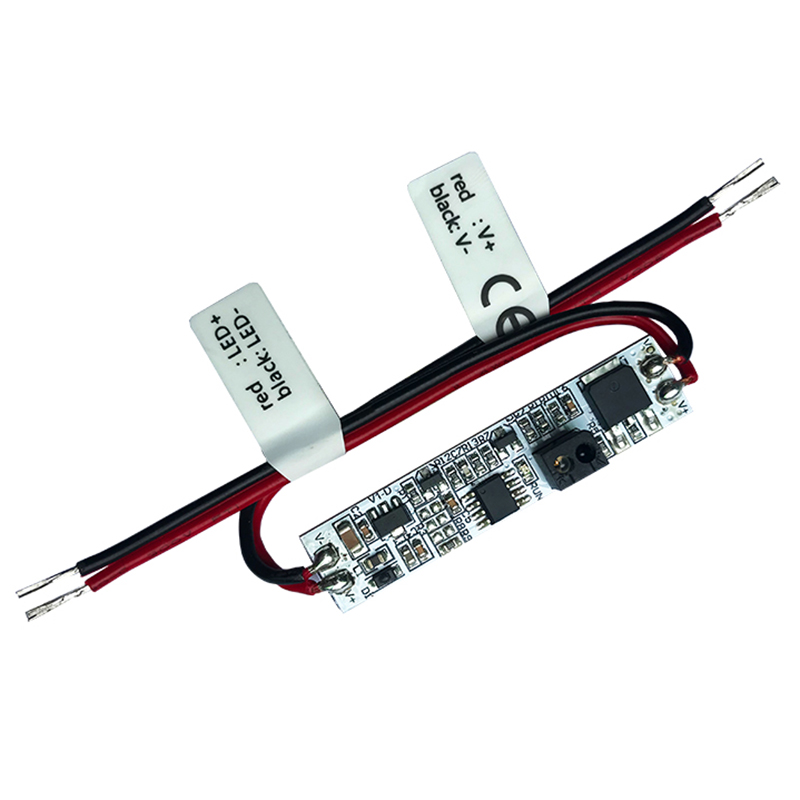
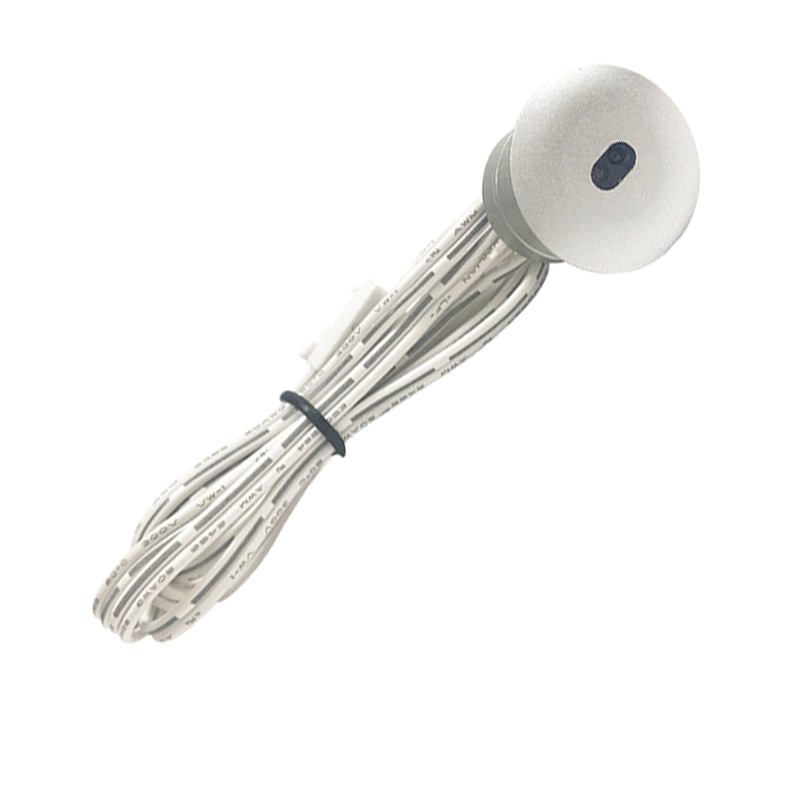
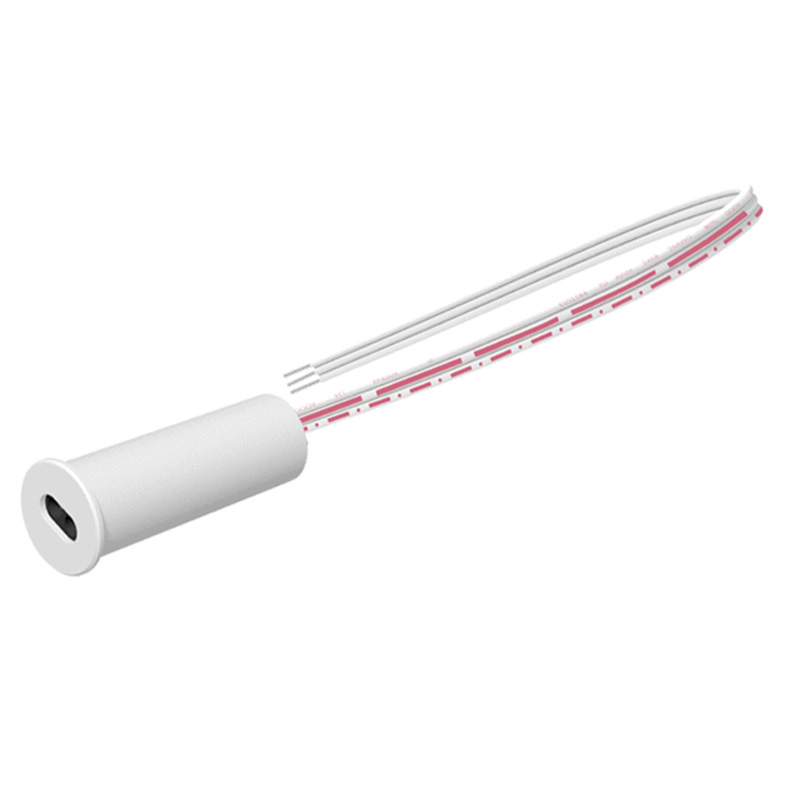
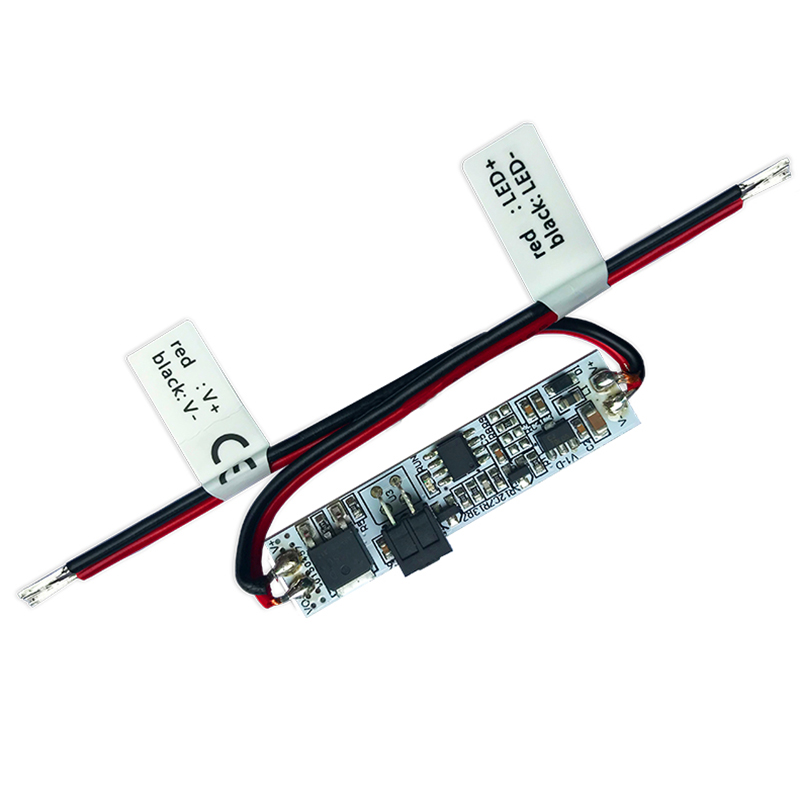
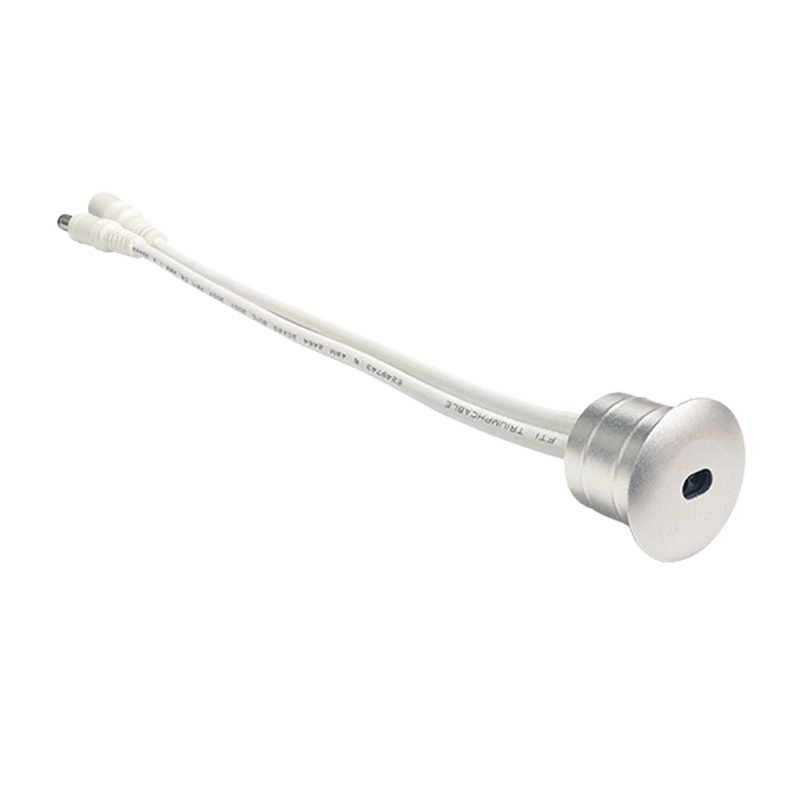
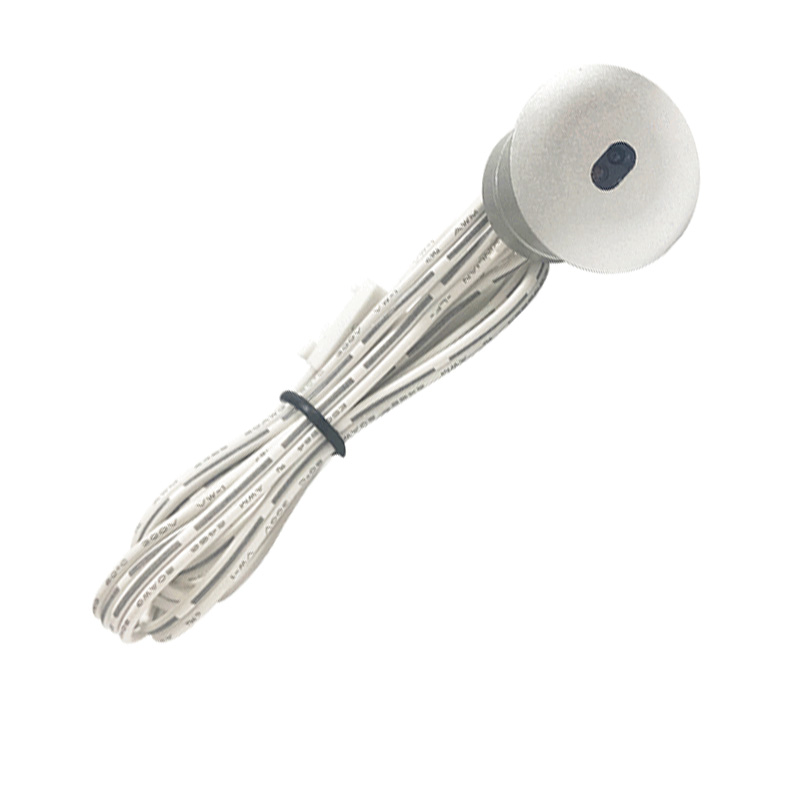
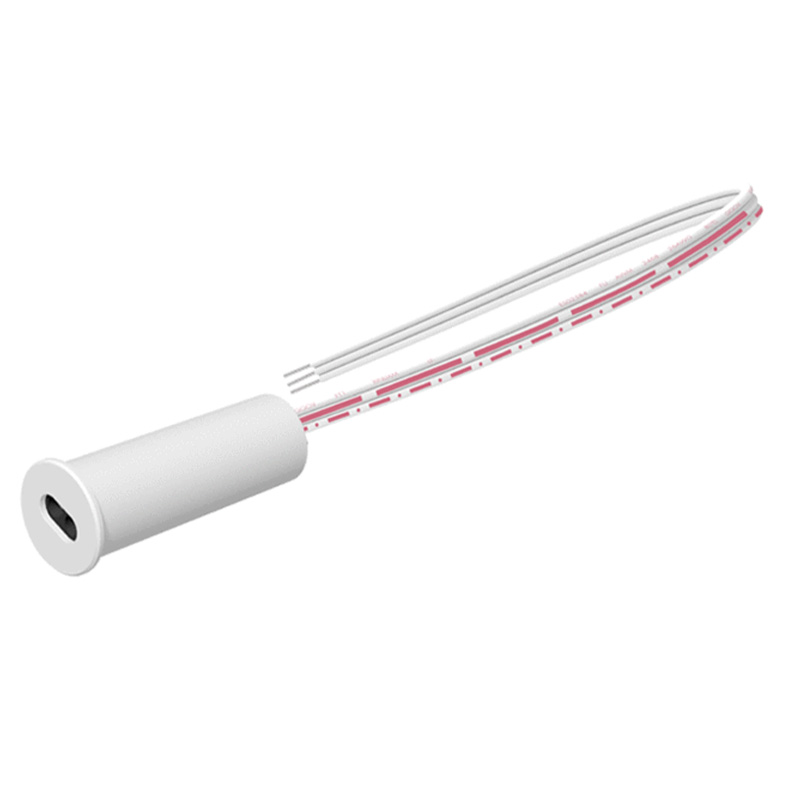
28 productsDimmable Occupancy Sensor is led detecting lighting control device that combines switching and dimming functions. Occupancy sensor dimmer automatically turns LED lights on and off and adjusts the brightness level based on compatible sensor types in the form of motion detection, hand swipe, touch, or door opening and closing.
You can adjust the light level and color temperature as needed to enhance lighting comfort with a 0%-100% adjustable brightness range. The light can stay on for up to 180 seconds or even 600 seconds after the sensor is triggered. After the human body leaves the room, the light turns off directly or maintains a low level of illumination when necessary. For rooms with plenty of daylight, the included daylight sensor can prevent the lights from being triggered during the day.
Dimming occupancy sensor supported modes:
- Lights always on
- Lights off
- Auto-sensing: lights come on only when sensed, then go off or stay low
Passive infrared PIR sensitivity up to 2-5 meters (6.56-16.4ft), 3-6 meters (9.84-19.7ft), or 4-7 meters (13ft-23ft)

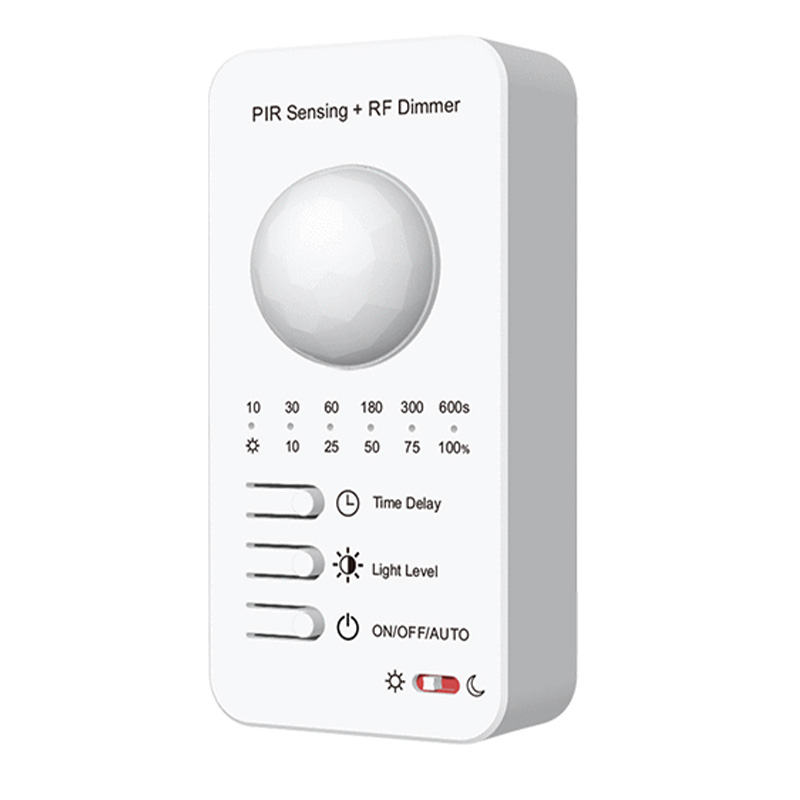

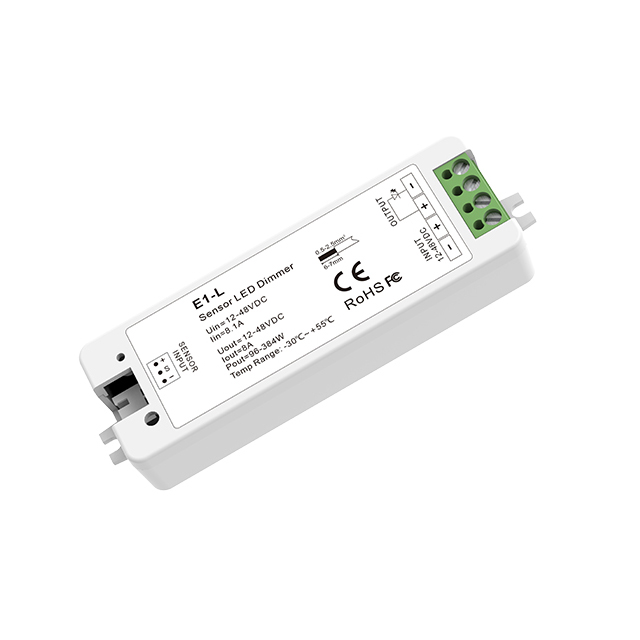
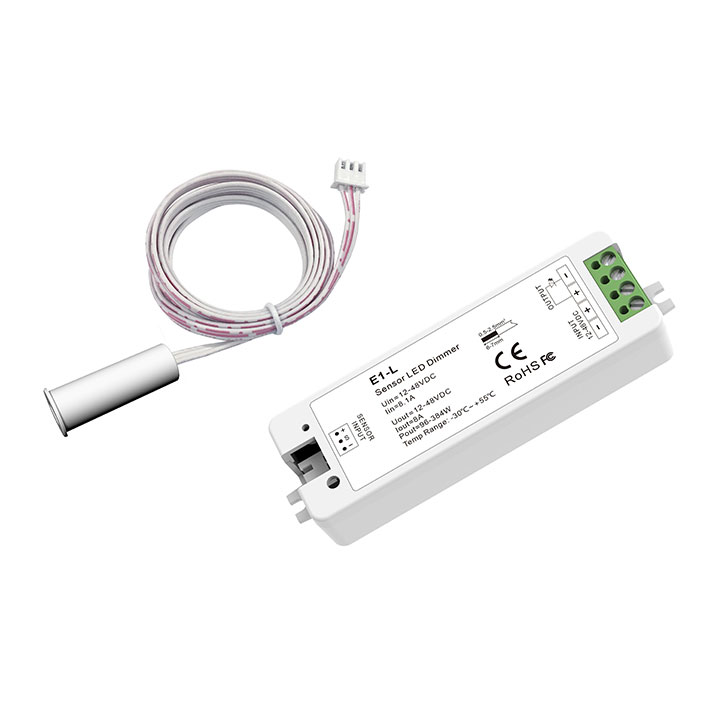
E1-L+ED(C) 12-48VDC 8A Door Sensor + 1CH LED Controller - superlightingled.com


FAQ About Sensor Dimmer
Direct engineering answers on wiring, voltage limits, sensor detection ranges, and low-voltage dimming controls for LED strip lights.
A sensor light is a self-triggering luminaire that responds automatically to physical presence, motion, or changes in ambient illuminance. While a standard switch merely cuts DC power on and off, an LED strip dimmable sensor provides variable Pulse Width Modulation (PWM) duty cycles from 0% to 100%. That allows you to set custom resting standby brightness levels, control gradual fade-in transitions over 1 to 2 seconds, and set soft dimmed backgrounds rather than plunging a room into complete darkness.
An optical light sensor measures local ambient illuminance in lux to lock out artificial lighting whenever daylight exceeds your preset trigger point. Across our sensor dimmer models, integrated photocells let you calibrate detection between 2 lux (pitch black) and 50 lux (typical overcast indoor ambient level). If the room already receives 65 lux of natural sunlight, the sensor controller holds the gate off regardless of PIR trigger events, saving power on cabinet and stair LED strip lights.
Base your pick on line-of-sight requirements: PIR detects shifting thermal infrared radiation across 2 m to 6 m and requires an exposed lens, whereas a 10.525 GHz microwave sensor dimmer detects physical Doppler movement straight through acrylic, glass, and thin non-metallic cabinetry. If you are concealing controls inside an aluminium profile behind a frosted diffuser, select microwave units like the EMR. For open walk-in pantries or open stair runs where draft airflow could cause false triggers, stick with PIR sensor heads.
Match the sensor dimmer input rating exactly to your LED power supply and LED strip operating voltage, because these are constant-voltage pass-through devices. While 12V works for small cabinet runs under 3 m, running a 24V setup cuts conductor amperage in half and eliminates visible voltage drop over 5 m to 10 m runs. For commercial coves spanning 15 m to 20 m from one power point, our 48V sensor controllers like the E1-L handle up to 384W without thermal stress.
Yes, dual-output units like our EH-R line-voltage sensor dimmer provide simultaneous 100-240VAC relay switching alongside a dedicated 0/1-10V analog sinking circuit. You wire mains line and neutral to the sensor, then route the purple and grey 0-10V control lines to your dimmable LED driver. This eliminates phantom stand-by vampire draw while providing soft-start dimming down to 1% across commercial fixtures.
Keep a clear clearance radius of at least 15 cm to 20 cm in front of the infrared transceiver diode to prevent self-reflection lockouts. Highly reflective stainless steel splashbacks, gloss lacquer doors, or mirror edges bounce emitted infrared pulses straight back into the receiver, making the sensor think a hand is permanently parked in front of it. Mount heads like the EB-CV(L) pointing downward into open matte countertops, keeping sweep gestures within a 1 cm to 8 cm distance for crisp switching.
Only if the unit's rating plate explicitly states 12-48VDC, as found on our heavy-duty E1-L and E1-RS sensor dimmer hardware. Typical miniature inline modules max out at 24V; connecting them to a 48V bus breaks down the input voltage regulator inside 10 seconds. On certified 48V units running an 8A load, the internal MOSFETs switch at 2 kHz PWM with minimal thermal dissipation, safely delivering up to 384W to high-density single-color or dual white cct strips.
Your sensor for LED lights is operating in two-step corridor stand-by mode rather than standard auto-cutoff mode. Controllers such as the E1-RC and EV-R feature dual-state DIP settings: state one turns lights to full 100% upon motion trigger, while state two holds an ambient 10% or 25% nightlight orientation glow indefinitely after hold times expire. Toggle the unit's stand-by timer DIP switch from infinity to 0s to force a complete 0V shutdown when zones sit vacant.
Controllers like the ES32-V read top and bottom PIR sensors independently, firing constant-voltage step channels sequentially along the flight in the direction of travel. Each of the 32 channels delivers up to 1A at 5V to 24V, and you can tune delay intervals between steps from 0.1 to 0.5 seconds on the OLED screen. For detailed channel pinouts and wiring gauge sizing, read our practical stair light installation guide.
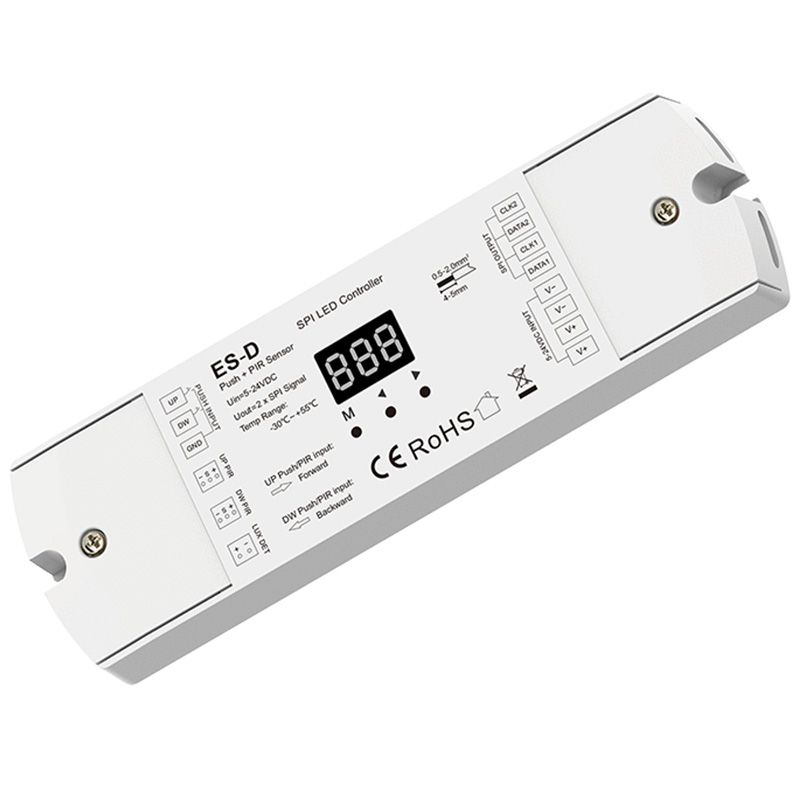
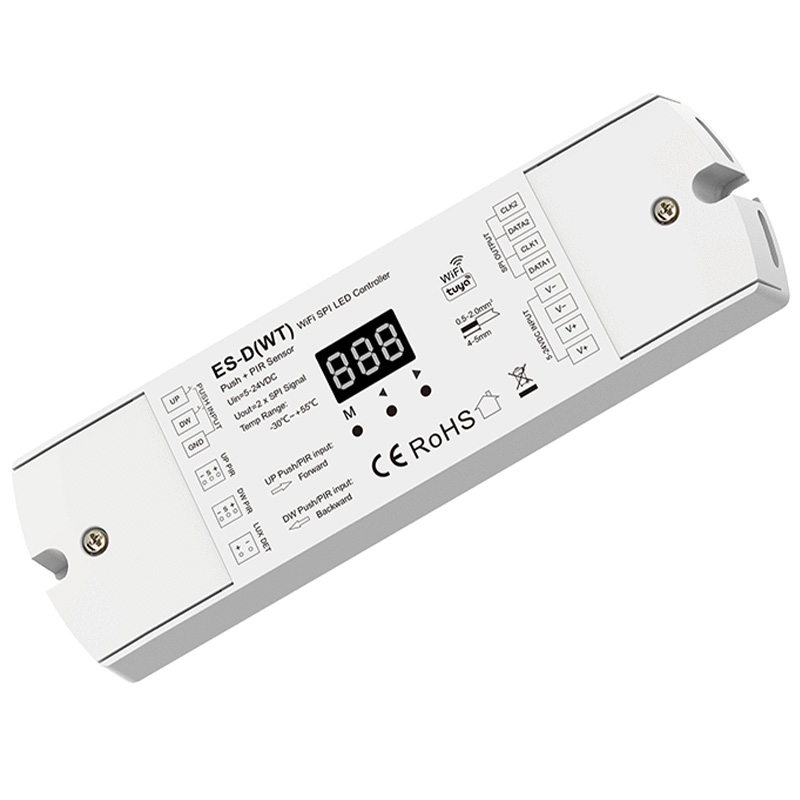
Yes, our ES-D(WT) controller merges a PIR motion sensor with an addressable SPI IC output to sweep programmable chasing colors along continuous runs. Rather than lighting an entire length uniformly, the controller commands digital pixels on ws2811 led tape to cascade a wave of light in front of you as you walk down hallways. The unit supports 28 common driver ICs and integrates with Tuya Wi-Fi for speed, brightness, and color palette customization.