
Ultra-long Constant Current LED Strips
62 products
When your project needs more than the standard 5-meter (16.4 ft) roll, you hit a wall: voltage drop. The further the electricity travels, the dimmer the LEDs get, shifting a crisp white to a muddy yellow by the end. Our Ultra-long Constant Current LED Strips are the specific solution to this problem. Unlike standard LED strips that just use simple resistors, these are engineered with integrated circuits (ICs) and optimized circuit architectures that actively manage the power, guaranteeing perfectly consistent brightness and color on a single continuous run of 10m (32.8ft), 15m (49.2ft), 20m (65.6ft), 30m (98.4ft), or even up to 40m (131.2ft) at 24V or 36V DC. This is a fundamentally different approach than our DC 48V LED strips, which fight voltage drop by using a higher voltage.
The LED brightness and the color keep the same at the beginning and the end, suitable for long LED lighting projects, simple wiring and cost less. We also offer IP20, IP65, IP67, IP68 waterproof ratings for each long led strip to suit your indoor and outdoor installation. There are various light colors you can choose from single colors to color changing RGB, RGBW, RGBCCT, and addressable pixel lights.
Please Note: These ultra long led strip lights still need to be controlled by a constant voltage LED controller and power supply at the ends.

IP68 Waterproof LED Strip Lights Kit - Addressable RGB Light TM1914 - 5m~50m
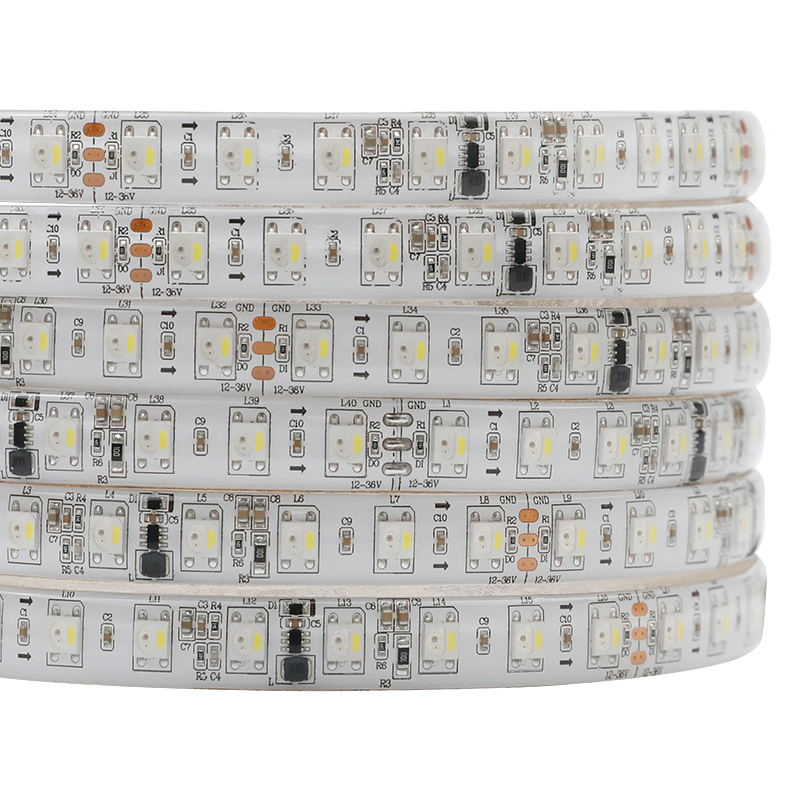
SK6812 12V to 36V Wide Voltage RGBW Individually Controllable LED Light Strip 80LEDs/m
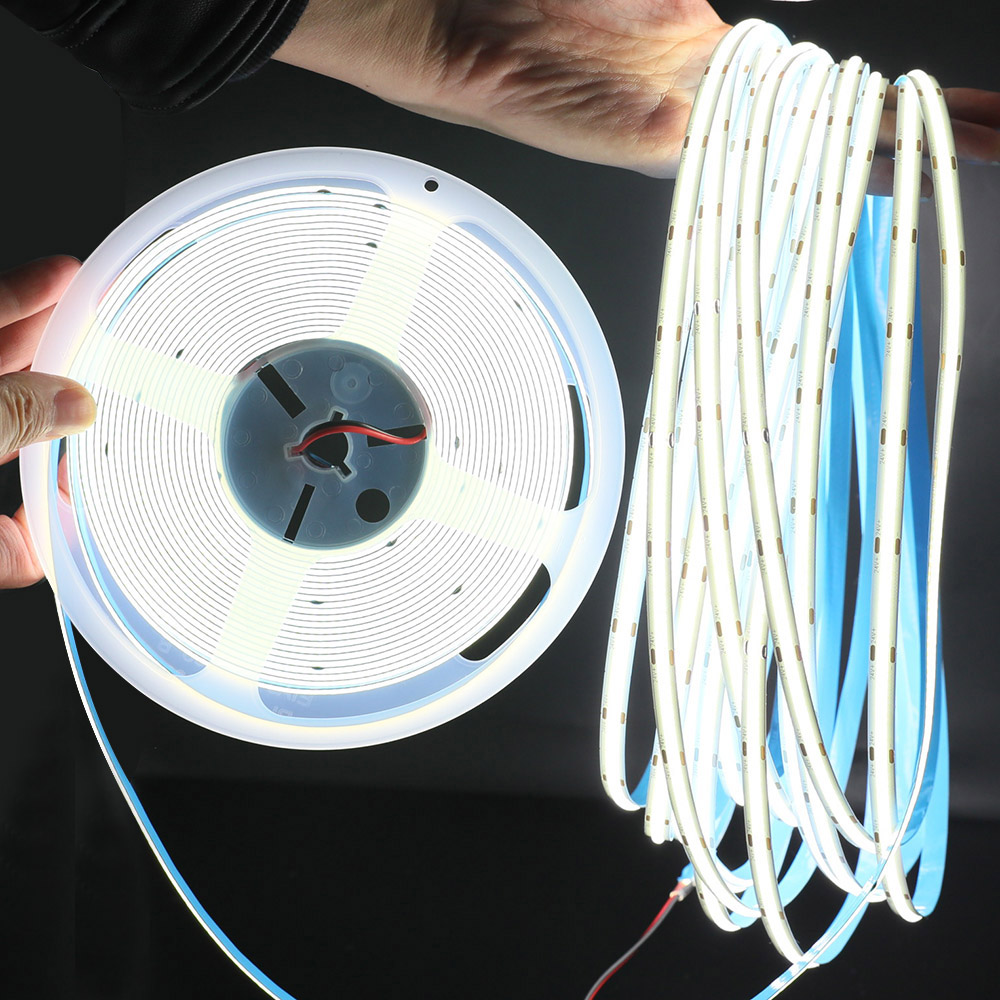
DC24V White COB Bedroom LED Strip - 65.6Ft Without Voltage Drop
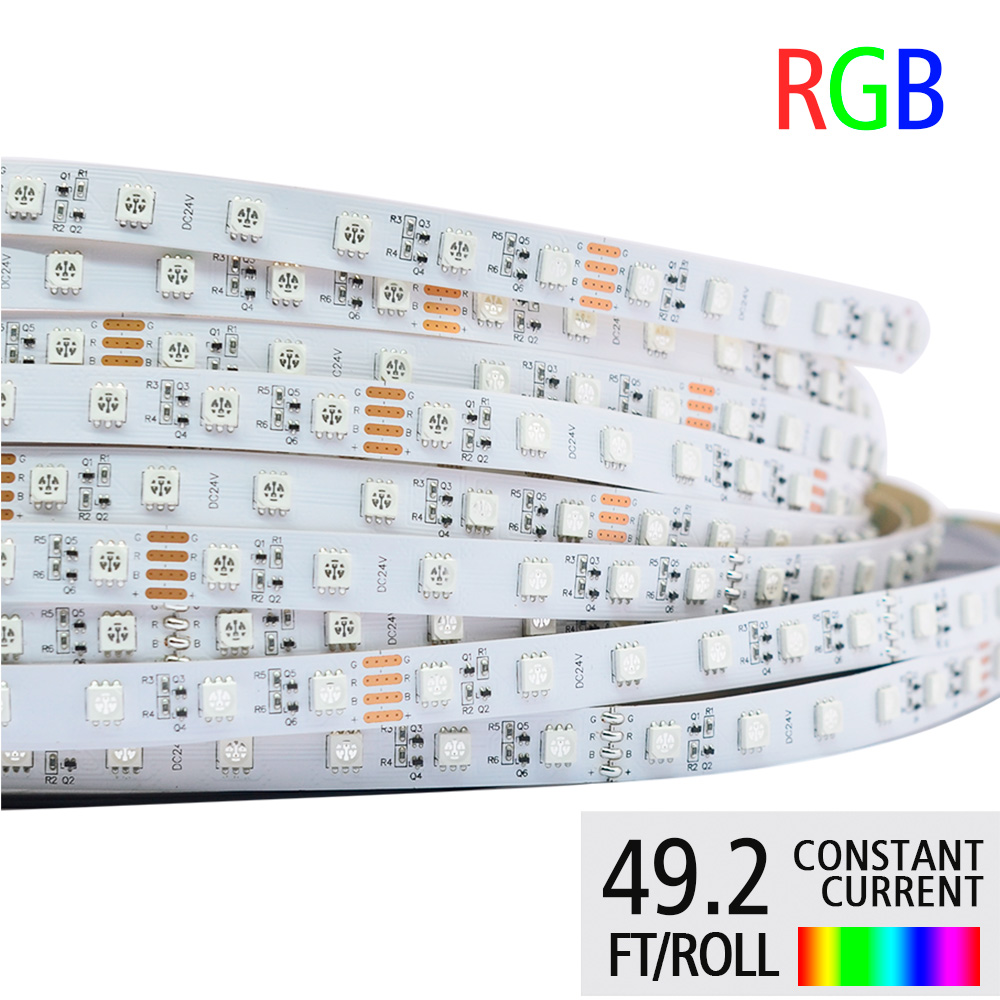
24V Constant Current RGB LED Light Strip 10m to 20m Long Reel
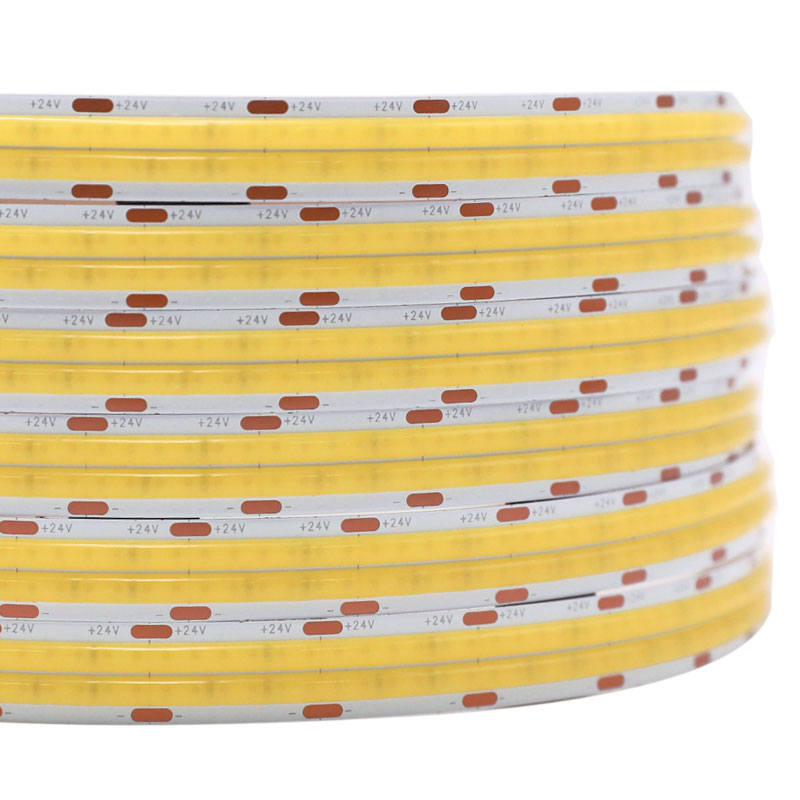
65.6Ft Long Run 24V Super Bright Double Row COB LED Strip
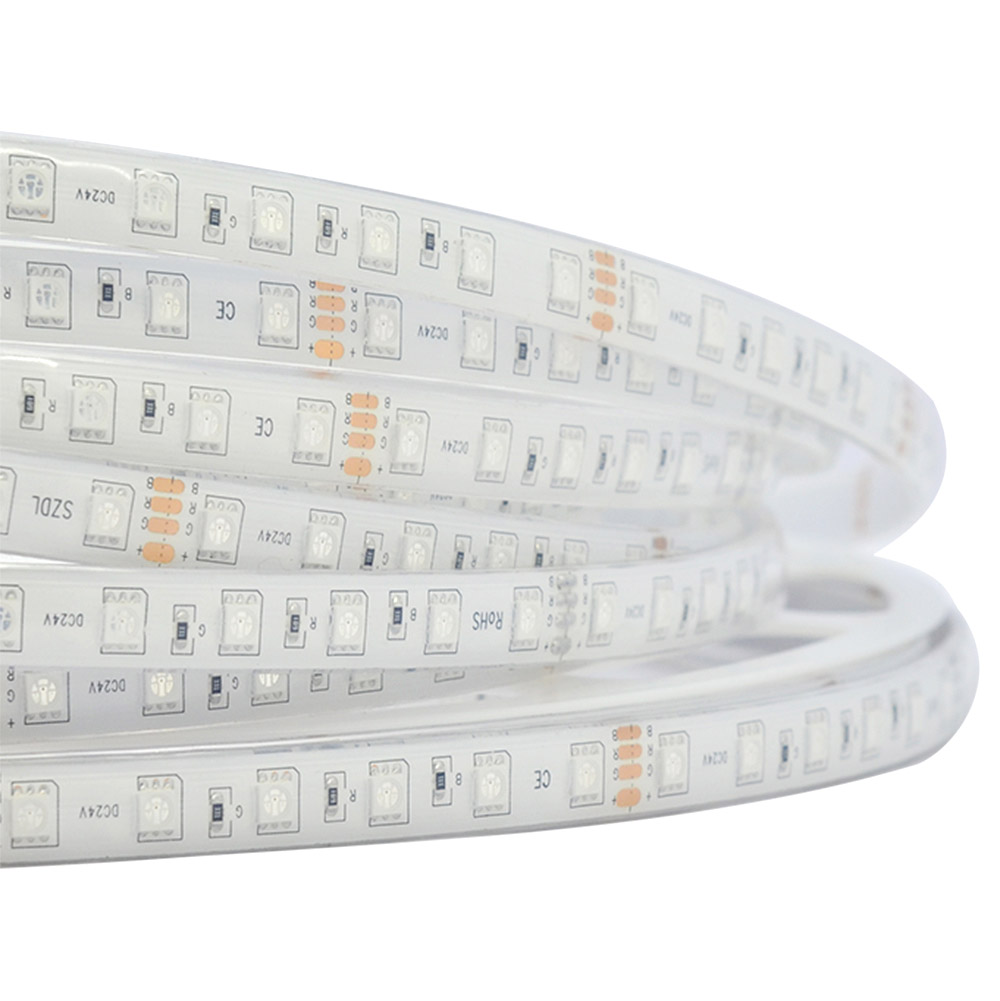
DC24V 65.6ft Color Change LED RGB Light Strip No Voltage Drop
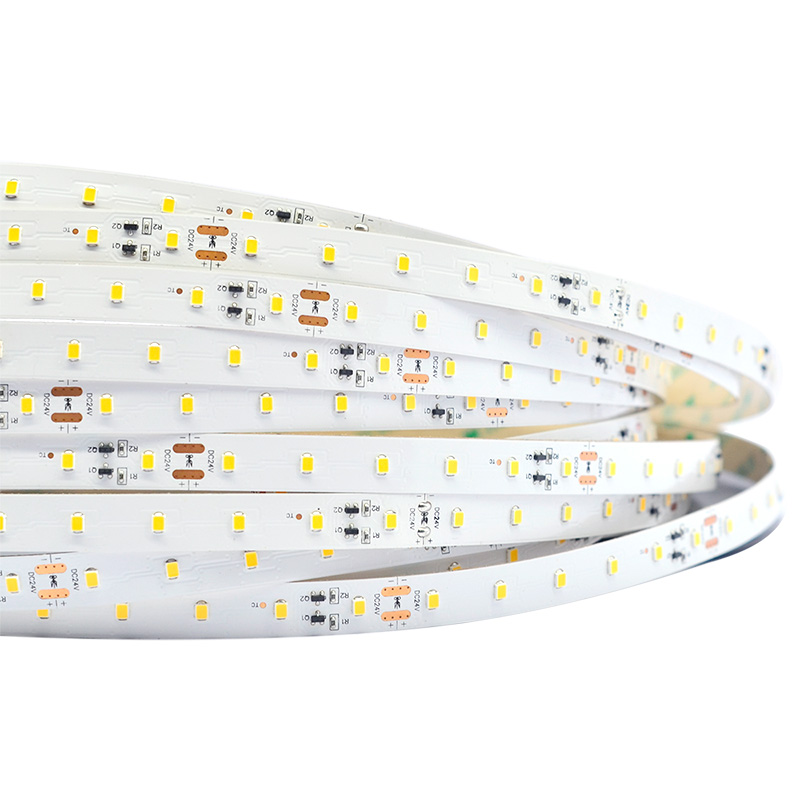
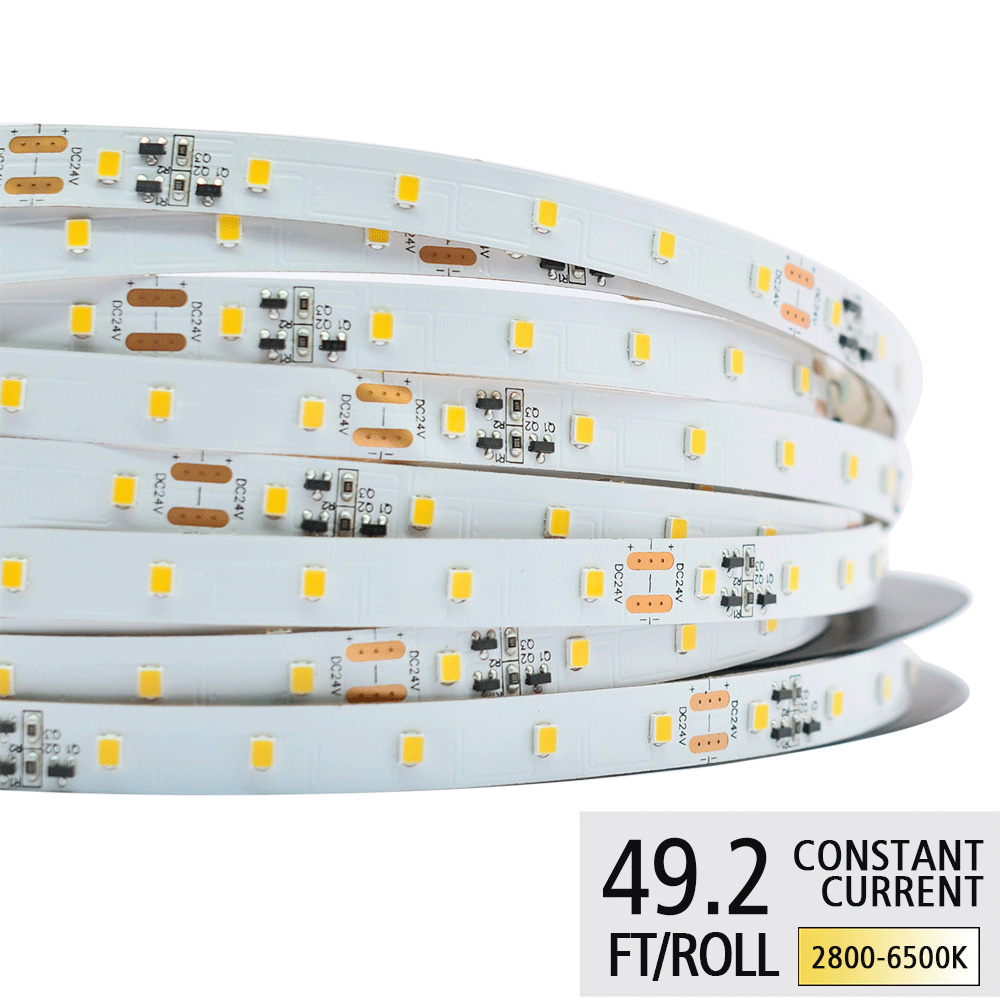
Constant Current 2835 White 15m Long LED Strip Lights
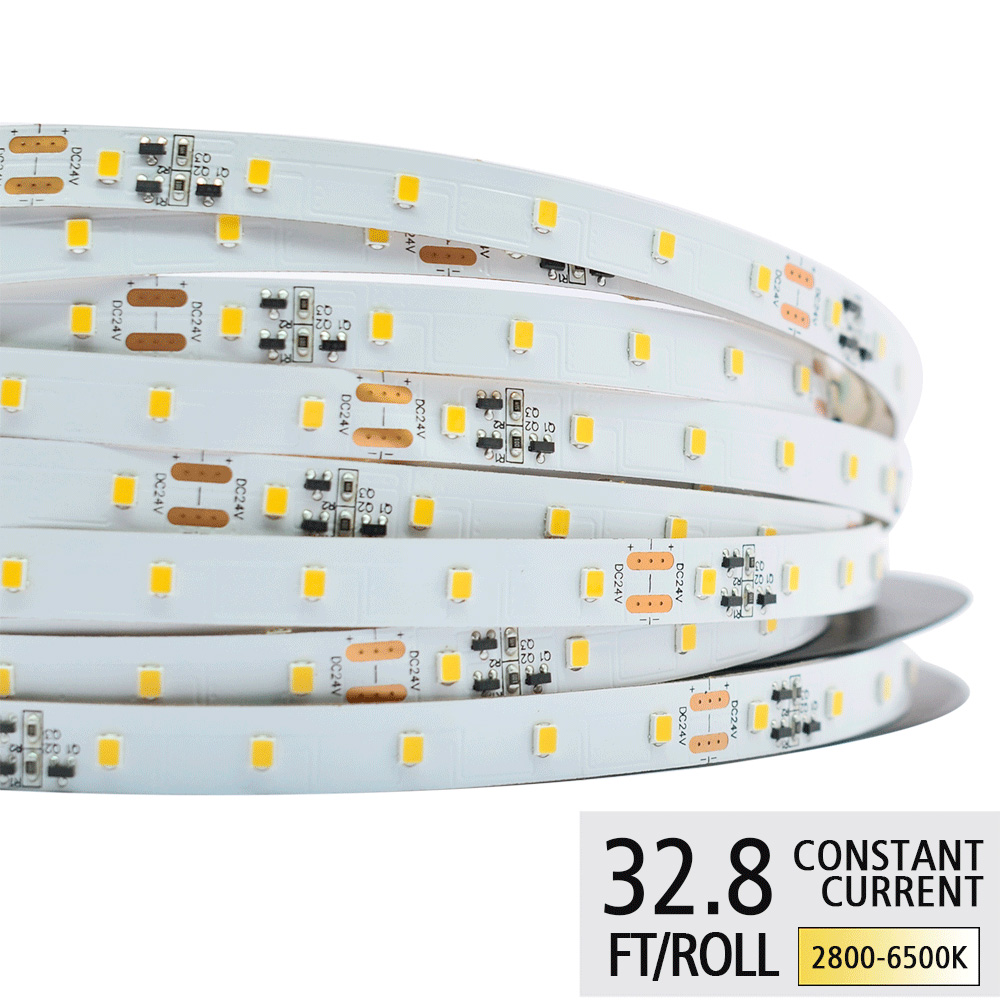
Constant Current 33ft-66ft 2835 Flexible Long White LED Strip
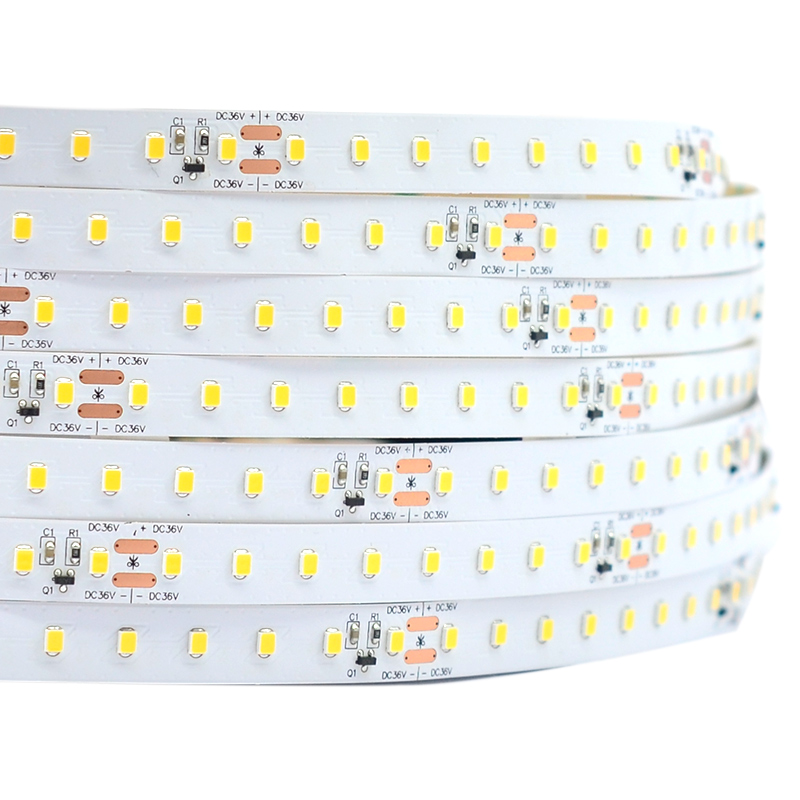
DC36V 2835SMD White Super Long Constant Current LED Strip Light - 32.8 to 98.4Ft Optional
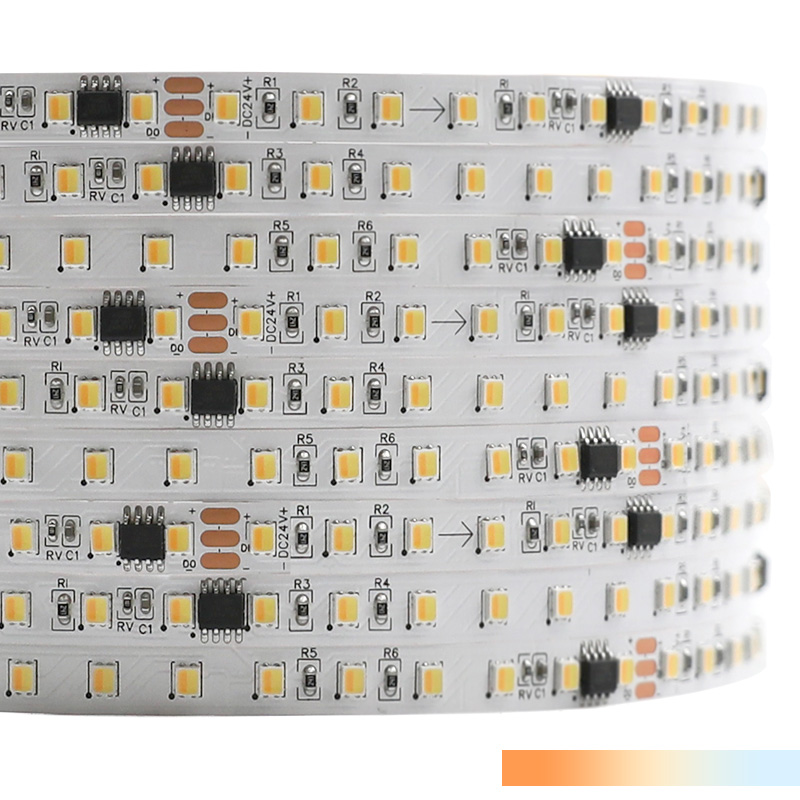
Long Thin Addressable 2-in-1 2835 CCT LED Strip
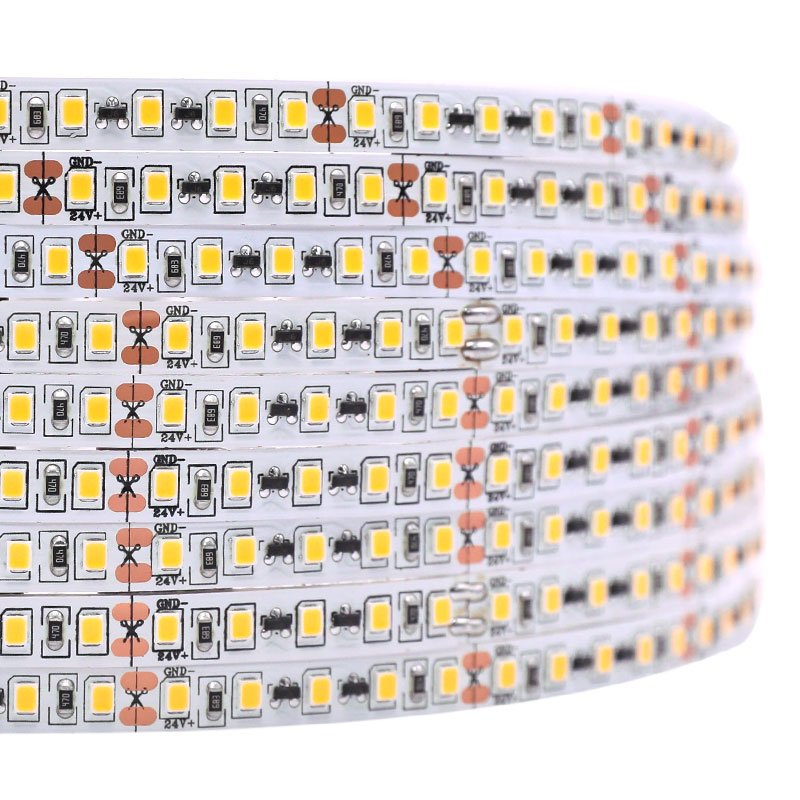
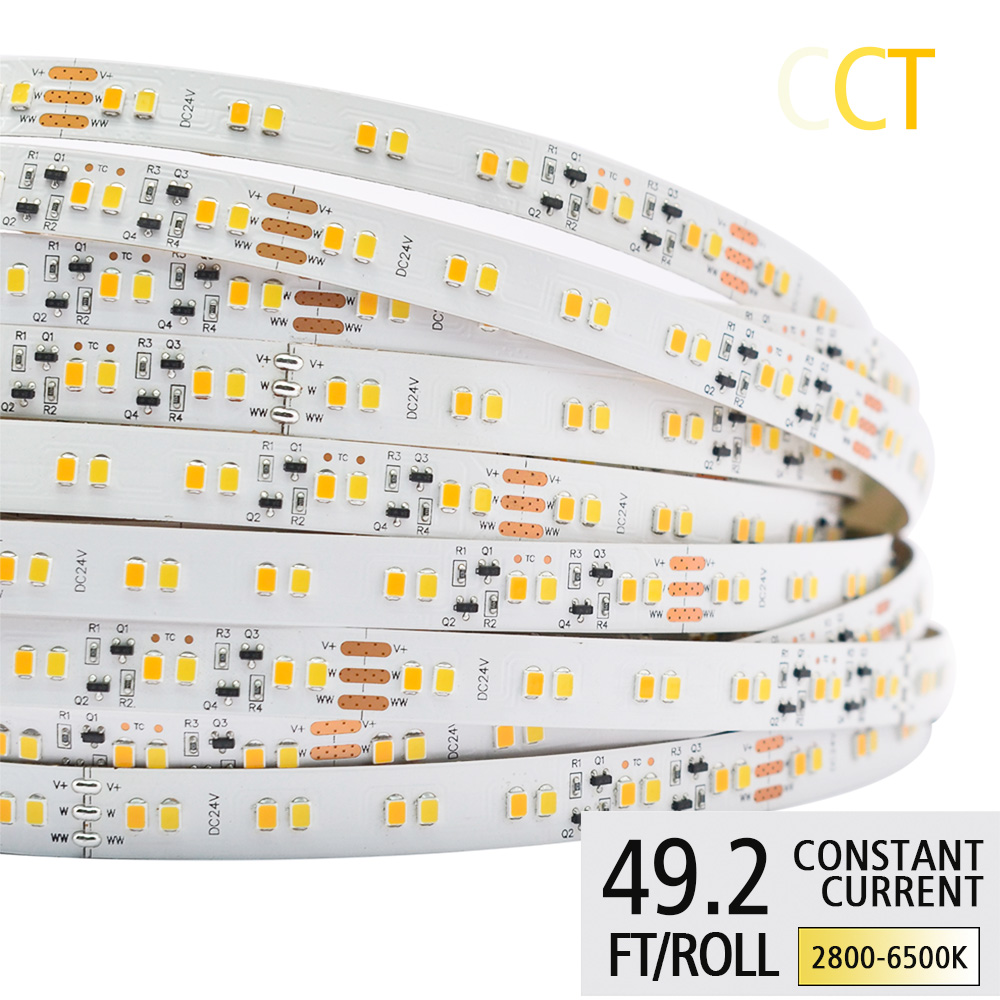
24V 2835 Dual white 10m to 20m Long Dimmable LED Strip Light
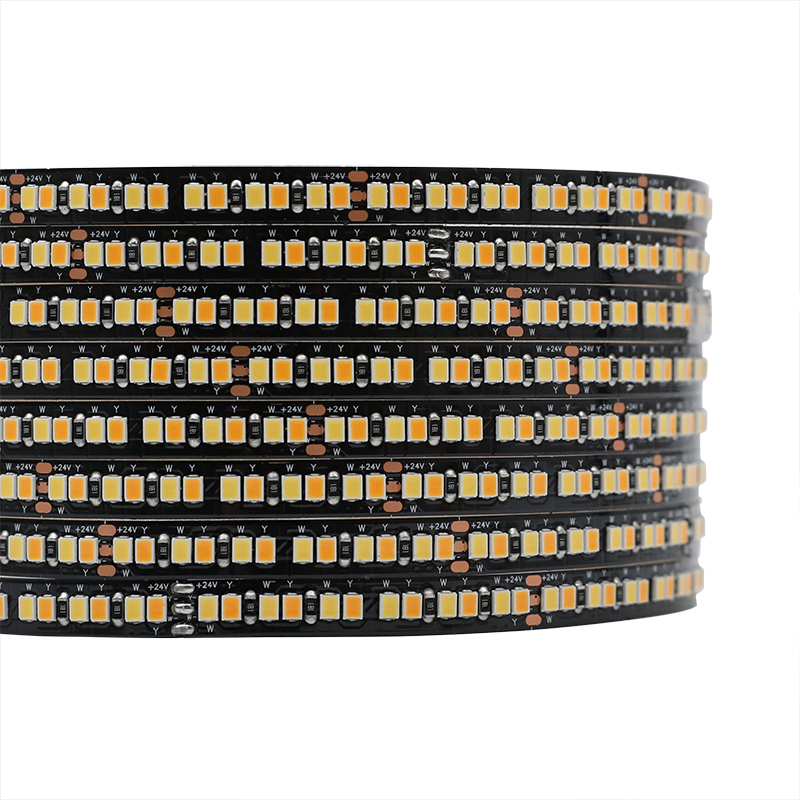
24V Super Long CCT Adjustable High CRI 98 LED Strip Lights 20m Voltage Stable
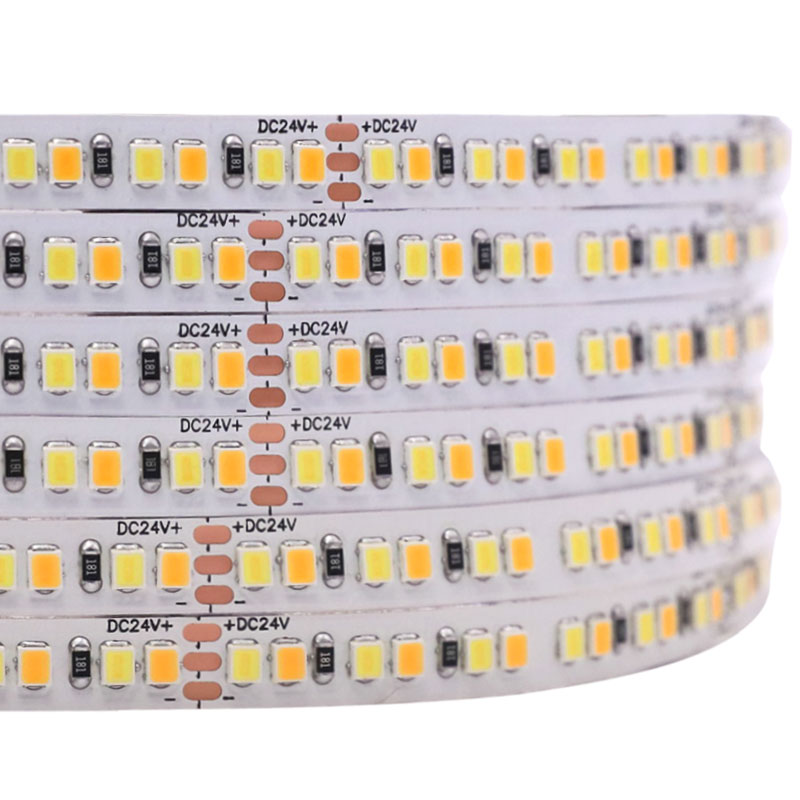
DC24V 2835 Warm White + Daylight White Adjustable LED Light Strip
 Single Row Flexible LED Tape Lights with 1200 High Brightest 5050SMD LEDs For Home Decoration Lighting.jpg)
24V Single Colors And RGB 20m 65.6ft Long LED Strip
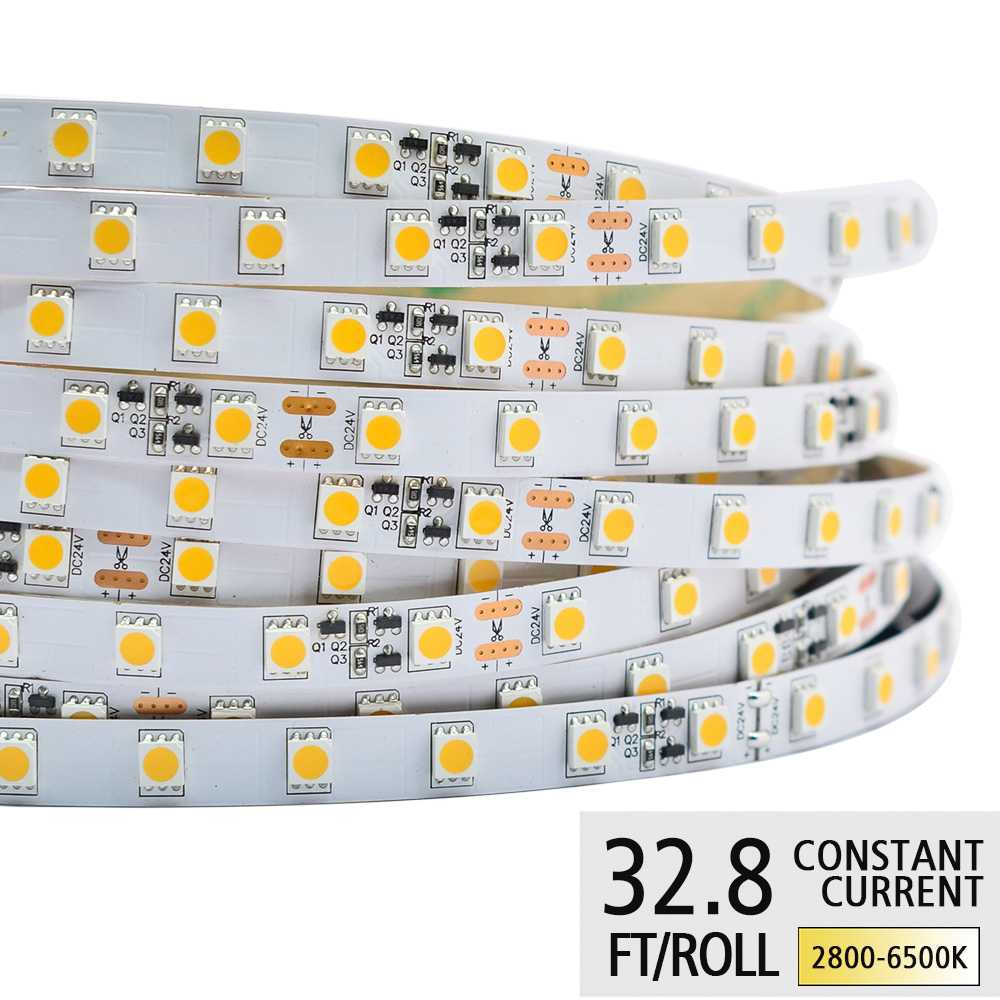
Constant Current 10m 15m 20m 5050 Long White LED Light Strip
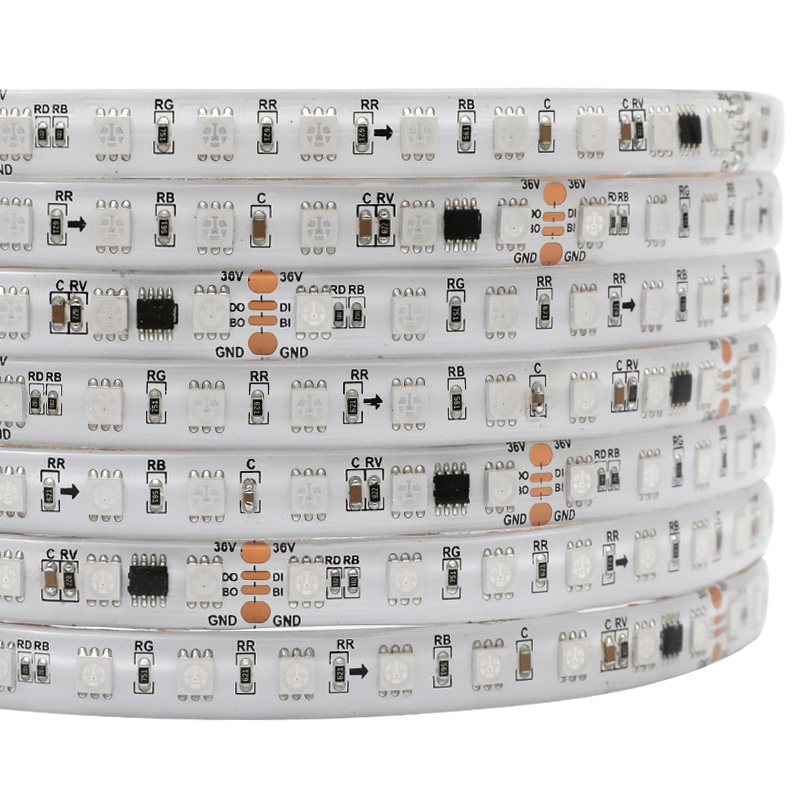
Max 25m 82ft Long 36V Dual Data UCS1903 5050 Addressable RGB LED Strip Light
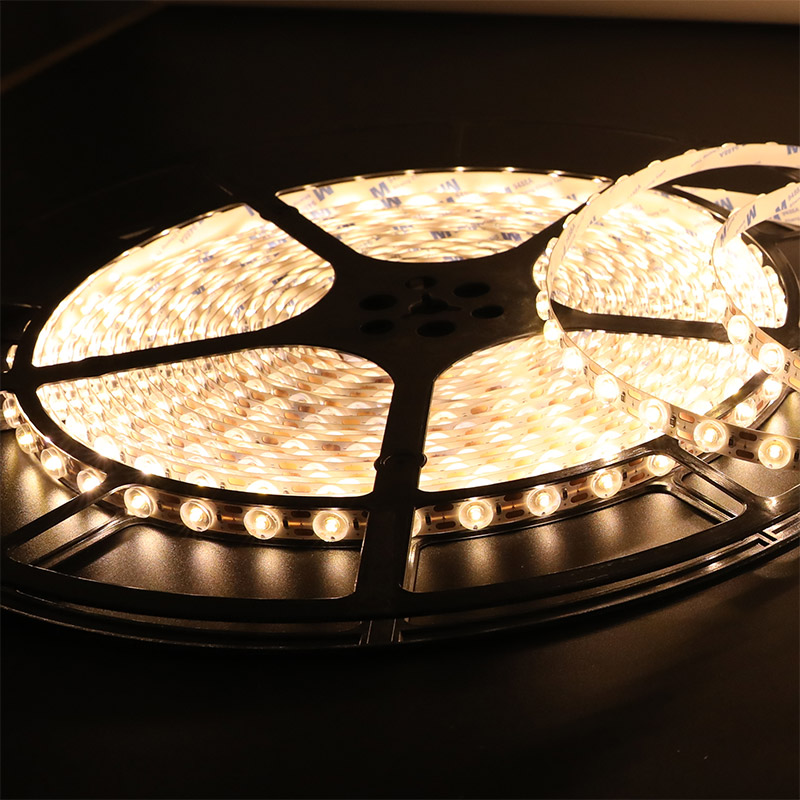
DC24V 3000K Diffuse Reflection Bendable LED Strip Lights Lens
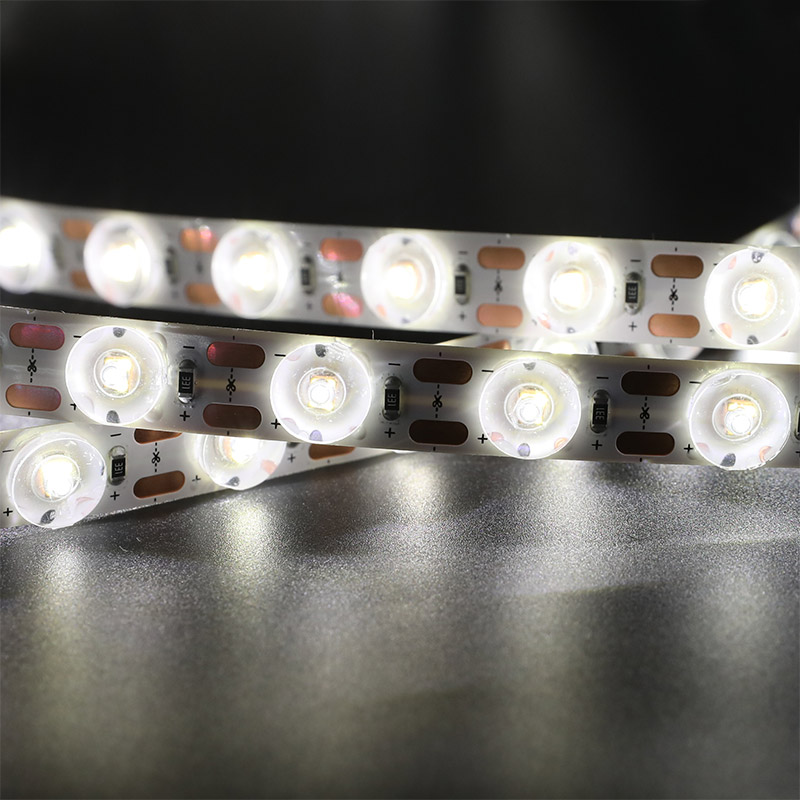
DC24V Diffuse 170 Degrees Lens 5000K LED Tape Light Neutral White
Frequently Asked Questions About Ultra-long Constant Current LED Strips
Got a question about a long-run installation? I've probably answered it before. Here are the common ones that come up right before an order.
It's all about how the power is managed on the strip itself. A standard constant voltage strip gets a fixed voltage (like 24V) and uses simple resistors to limit current. Over a long run, that voltage drops, dimming the LEDs at the far end. Our ultra-long constant current LED strips also start with a standard constant voltage power supply, but they have small IC chips right on the strip. These chips act as tiny regulators, ensuring each group of LEDs gets the exact same current. That's how you get perfectly even brightness from start to finish, even on a 50-meter run. It's just a smarter design for long-distance projects.
This is a really common and fair question. Think of it this way: the main power supply provides the bulk "constant voltage" (e.g., 24V or 48V) to the entire strip. Then, the small "constant current" ICs integrated along the strip act as tiny, individual power managers for each section of LEDs. They take that main voltage and make sure each LED group gets the precise, stable current it needs. You don't need a big, expensive lab-grade constant current driver; you use a standard, cost-effective constant voltage power supply and let the smarts on the strip handle the regulation.
The rated current isn't one single number; it varies with the specific strip's LED type, density, and voltage. For instance, our 30m TM1934A RGBIC strip has a 10-pixel/meter version drawing about 10W/m, and a lower-density 6-pixel/meter version at 5-6W/m. The key is that the onboard ICs ensure each pixel *group* gets its correct rated current, no matter where it is on the strip. This is the 'constant current' feature that stops voltage drop from ruining your project. Always check the product's datasheet for the watts-per-meter to size your power supply correctly.
Absolutely. Our ultra-long 24V LED light strips have clearly marked copper cut points, just like any standard strip. You can snip them with sharp scissors and rejoin sections with solder or the right size connectors. Just remember, the "no voltage drop" feature works across a continuous factory roll. If you cut a roll into many shorter, separate pieces for a complicated layout, you'll need to plan your wiring to power each section properly, just as you would with any other strip.
100 feet is about 30.5 meters, a length where standard strips give you headaches. We have several products designed for this exact scale. Our 24V to 36V 100ft white LED strip is a direct, single-roll solution. For addressable color, our 30-meter (98.4ft) TM1934A RGBIC strips are perfect. Using one of these saves you from wiring in signal amplifiers and multiple power injection points, which drastically simplifies the installation and reduces points of failure.
Yes, you absolutely do. While the strip itself has no voltage drop, the wire *between* your power supply and the strip can still lose voltage, especially if it's a long cable. For a 20 or 30-meter strip, don't use the thin 22-gauge wire that comes with small kits. You should use at least 18 AWG for the connection, and if your power supply is more than 10 feet away from the strip, I'd go with 16 AWG to be safe. Using the right gauge wire ensures the strip gets the full, stable voltage it needs from the start.
Yes, that's the whole point of this design. With a standard addressable strip, voltage drop over that distance would cause whites to look pinkish and solid colors to shift hue at the far end. Our TM1934-based long-run strips are engineered specifically to prevent this. The constant current ICs ensure the power is perfectly regulated for every single pixel, so the color you command at the start is the exact same color you'll see 40 meters down the line.
Let's clear this up, because the terms can be confusing. The "constant current" regulation is happening *on the strip itself*, handled by the little ICs. The *control signal* you send to the strip is typically a standard PWM (Pulse Width Modulation) signal from a "constant voltage" controller. The controller's job isn't to regulate current; it just tells the strip how bright to be or what color to display. That's why you can use our standard RGB and CCT controllers with these advanced strips. They're compatible with the control systems you already know.
It's always a good idea. While the constant current design is more efficient and runs cooler than an overdriven constant voltage strip, all LEDs generate some heat, and heat is the enemy of lifespan. For any of our strips over 10W per meter, we strongly recommend using one of our aluminum channels. The channel acts as a heatsink, pulling heat away from the LEDs and ICs. This is crucial for maintaining brightness and hitting that 50,000-hour lifespan. For low-power accent lighting it's less critical, but it's always best practice.
Yes, we do this every day. A huge portion of what we ship is built to a customer's drawing and never appears on the public website. You can specify the exact length (down to the inch), the IP rating you need (like IP67 silicone tubing), and the length and type of lead wires you want pre-soldered and sealed at each end. Just send us a sketch or a description of what you need. An engineer will be back to you, usually the same day and always within 12 hours, with a full solution, wiring diagram, and a quote. No fee, no obligation.
On standard pixel strips, it definitely would. That's why many of our ultra-long models, like the TM1934A neon flex, use a dual-signal or 'breakpoint resume' design. This means there's a backup data line running in parallel. If one pixel fails or has a bad connection, the data signal simply hops over to the backup line and continues on to the next pixel without interruption. This makes the data transfer incredibly robust over the full 30 or 40-meter run, so you don't get the flickering or data errors that plague long, single-line pixel tape installs.