
Ultraviolet LED UV Chip
7 productsUltraviolet LEDs use semiconductor technology to produce exact wavelengths of ultraviolet light, offering advantages over traditional mercury vapor UV lamps such as lower energy consumption, a longer lifespan, and the absence of dangerous mercury. We provide a complete line of UV LEDs covering UV-A, UV-B, and UV-C to meet different application requirements.
UV-A LED (320nm-400nm): typically includes near UV 405nm LED, 395nm LED, 380nm LED, 365nm UV LED, mainly used for fluorescent reaction, art creation, plant growth, UV curing, etc.
UV B LED (280nm-320nm): commonly includes 308nm LED, widely used in medical therapy, plant lighting, reptile lighting, experimental research, and so on.
UV-C LED(200nm-280nm): Includes 265nm LED, 270nm LED, 275nm LED, and 280nm LED, used for air, water, and surface disinfection and sterilization.
Our UV light diode chips feature a high-lumen design with 99% gold wire and copper base to ensure stability and reliable UV&LED ultraviolet output performance. Easy to DIY and integrate into various lighting devices, LED and UV chip is widely applicable to the needs of electronic engineers, researchers, medical sterilization equipment developers, art creators and maintenance personnel.
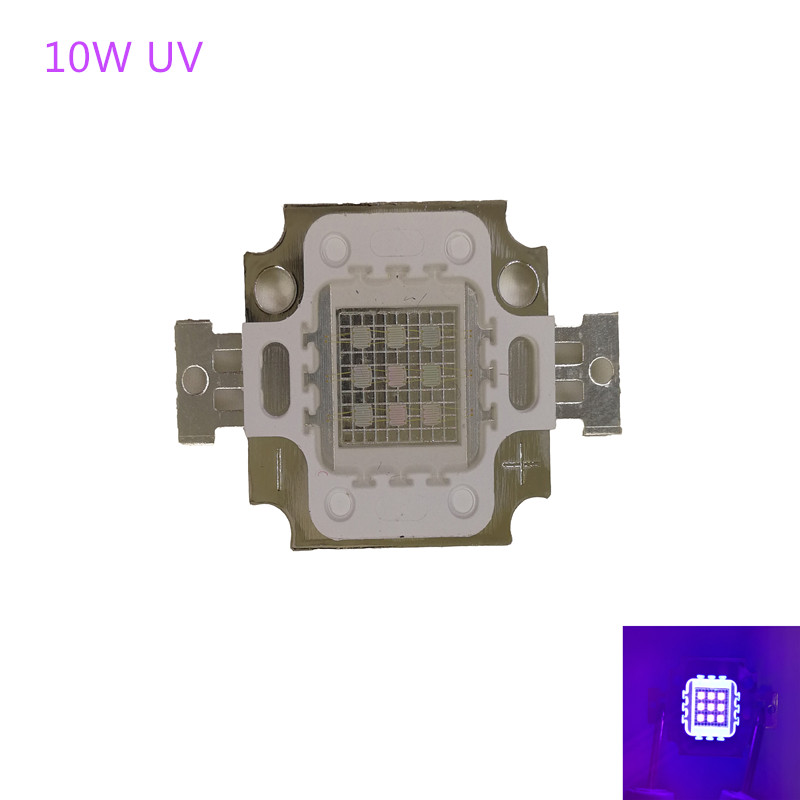
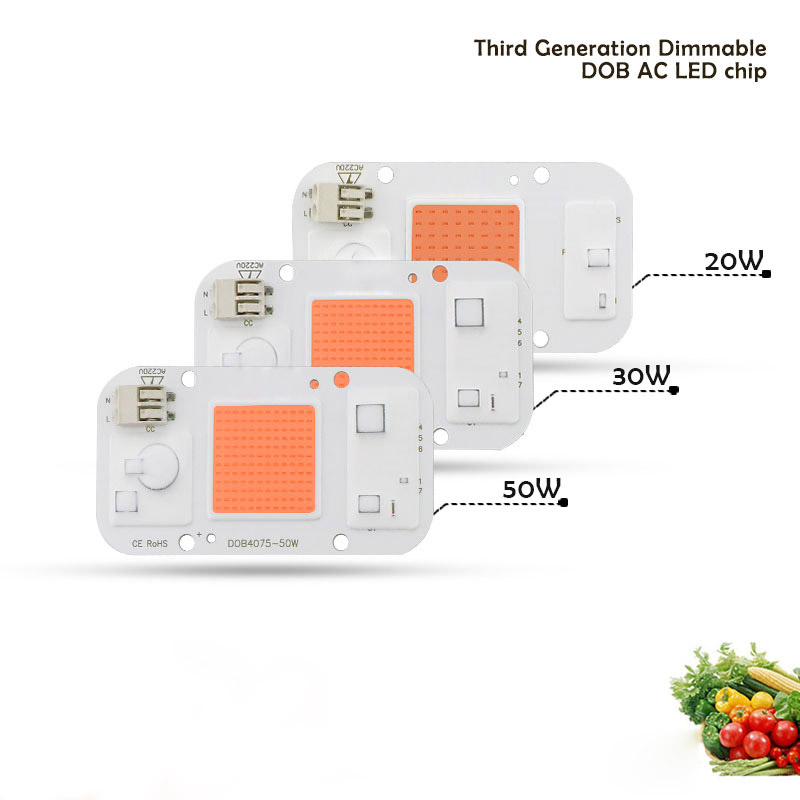
AC220V 20W/30W/50W 1 Pcs COB LED Chip For Indoor Plants
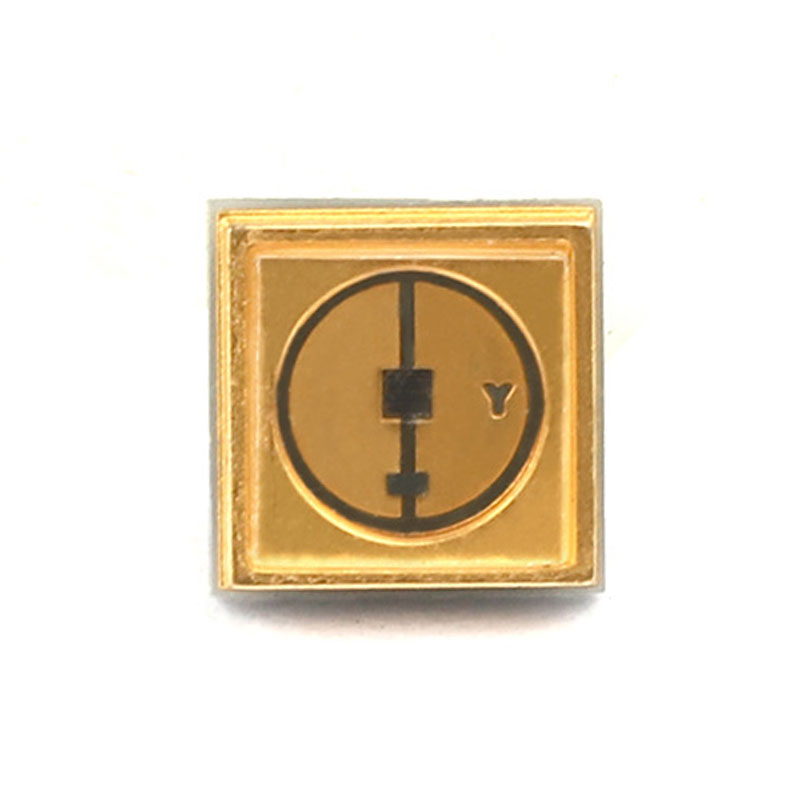
265nm-280nm Efficient Sterilization SMD3535 UV C LED, 30pcs/pack
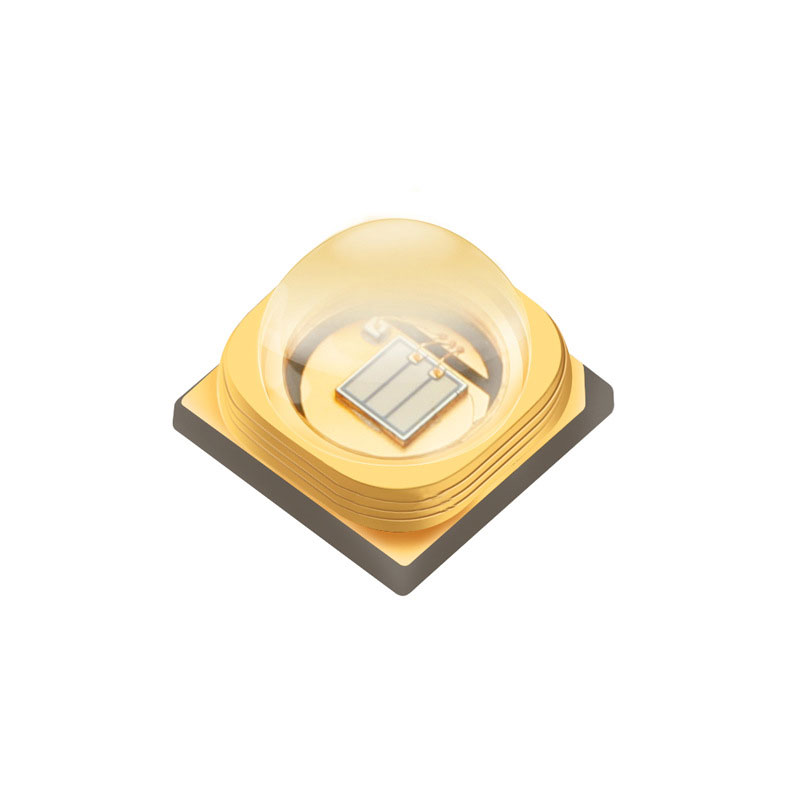
365nm SMD3535 UV Blacklight LEDs For Curing, 3D Printing
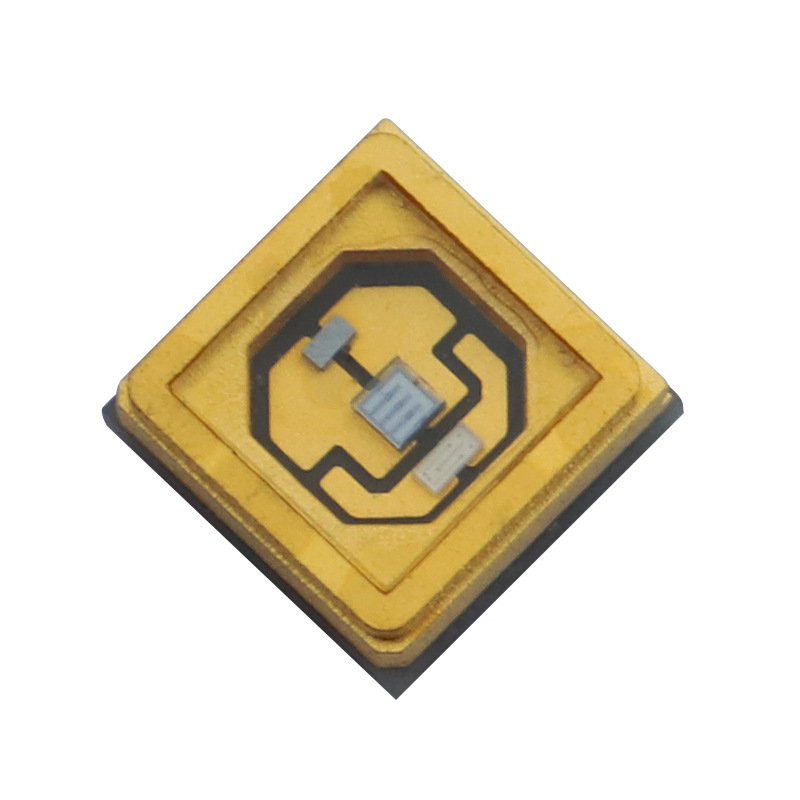
308nm SMD3535 UV-B Light LED For Light Therapy, Plant Growth, Reptiles
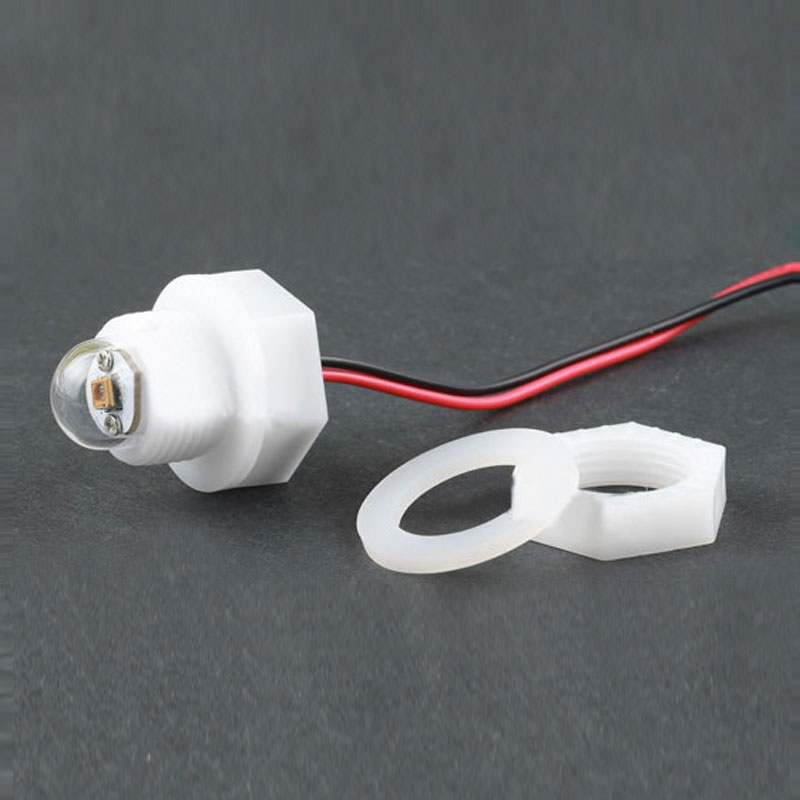
DC12V/24V UV Static Water Sterilizer LED Module, 10pcs/pack
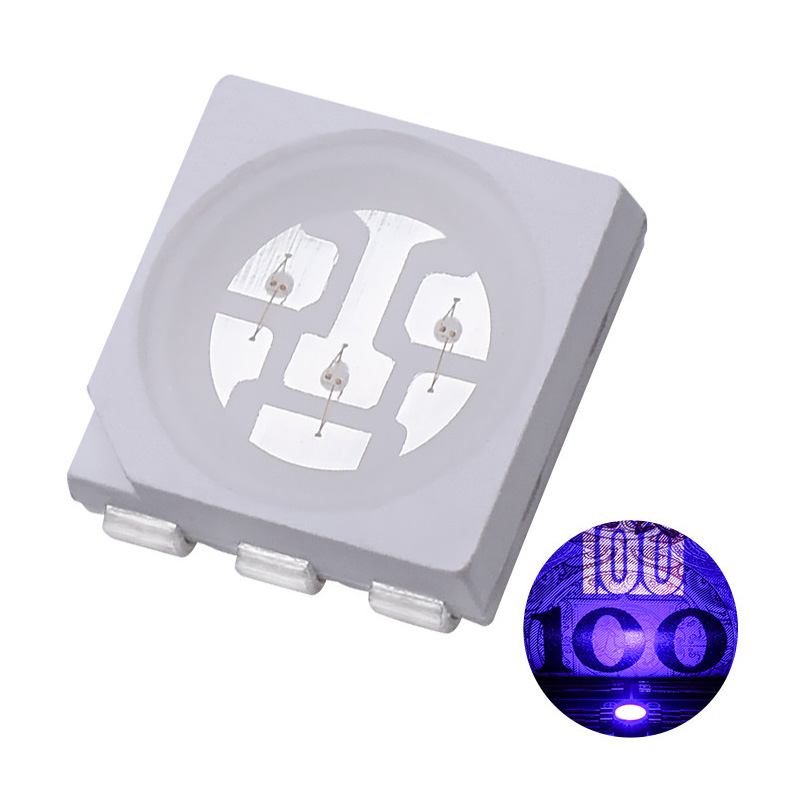
Purple 5050SMD LED Chip - 500PCS By Sale
Frequently Asked Questions About Ultraviolet LED UV Chips
Got a question about using UV LEDs in your project? We’ve answered the most common ones we get on the tech support desk right here.
Ultraviolet (UV) light is simply a type of electromagnetic radiation that's invisible to the human eye, with a wavelength shorter than visible violet light. We split it into three main bands that do very different jobs: UV-A (320-400nm) for curing and blacklights, UV-B (280-320nm) for medical treatments, and UV-C (200-280nm) for germicidal sterilization. You have to pick the right chip for the right task.
An LED, or Light Emitting Diode, creates light by passing electricity through a semiconductor. Inside the chip, electrons jump across a junction, and when they do, they release energy in the form of photons—which are tiny particles of light. For a UV LED chip, the specific materials are engineered to release photons at a precise ultraviolet wavelength. It's a solid-state process with no filaments to burn out, which is why they last so long.
It completely depends on the wavelength. Our UV-A chips (365nm-405nm) are mostly used by engineers and DIYers for curing resins, adhesives, and inks in 3D printers or custom fixtures. The UV-B chips (around 308nm) are typically integrated into medical phototherapy devices and reptile habitats. The UV-C chips (265nm-280nm) are designed strictly for sterilization and disinfection of water, air, and surfaces in sealed equipment.
You don't guess, you read it directly from the spec sheet. Every LED chip has a specific forward voltage (Vf) and a recommended drive current in milliamps (mA). If you exceed the voltage, it will burn out instantly. If you push too much current, it will overheat and die a quick death. Always use a constant current driver matched to the chip's specs, not a generic DC power supply.
SMD stands for Surface Mount Device; it's a single, small LED on a base. COB means Chip on Board; it's a cluster of many tiny LED dies mounted directly on one substrate. This creates a single, large, very uniform light source. For UV applications, a COB gives you an extremely intense, concentrated beam, which is great for spot curing. SMD chips can be spread out over a larger area for more even exposure.
Much longer than traditional mercury lamps, but their lifespan is all about managing heat and current. If you run them within spec and on a good heatsink, you can expect 10,000 to 20,000 hours before they drop to 70% of their original output. But if you overdrive them or let them run too hot, you can kill them in under a thousand hours.
Only with extreme caution and inside a sealed device. UV-C light works by damaging the DNA of microorganisms, and it will do the same thing to your skin and eyes, causing burns and long-term damage. You should never look at an active UV-C source or allow it to shine on your skin. These components are meant for product developers building enclosed water purifiers or air sanitizers with proper safety interlocks.
Yes, this is a core part of our business. Just send over your requirements. An engineer will get back to you with a full layout and quote, usually the same business day. There's no fee for the consultation and no obligation to order.