
LPD8806 IC Programmable LED Strips
4 productsEngineered for cross-referencing and maintaining older commercial lighting setups, our LPD8806 Addressable LED Strips provide exact hardware compatibility for older 2-wire SPI control systems. Utilizing a 7-bit (128-level grayscale) dual-data/clock timing structure, LPD8806 was once widely used in early pixel matrixes and custom stage chases. We maintain these specialty strips specifically to help engineers and facility managers repair damaged runs or replace aging tape lights in vintage installations without the heavy downtime and expense of reprogramming legacy master control units.
Recommended Upgrade for New Projects: For all new architectural or dynamic lighting builds, 2-LED/pixel LPD8806 (5V) is fully superseded by individually addressable SK9822 or APA102 (5V) for superior PWM refresh rates and smooth dimming, or WS2815 / GS8208 (12V) for modern dual-data signal redundancy (breakpoint resume) and long-run voltage stability.
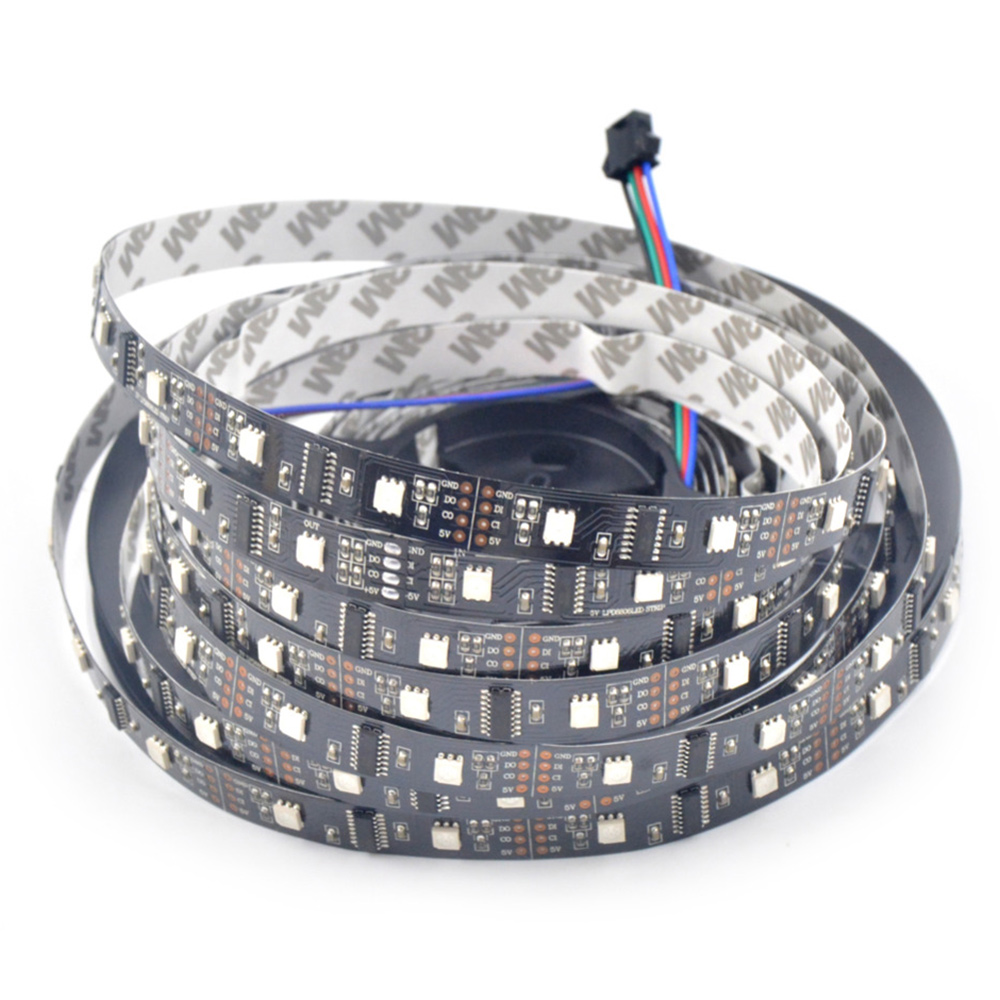
LPD8806 DC5V Series Flexible LED Strip Lights, Programmable Pixel Full Color Chasing, Indoor Use, 160LEDs 16.4ft Per Reel By Sale
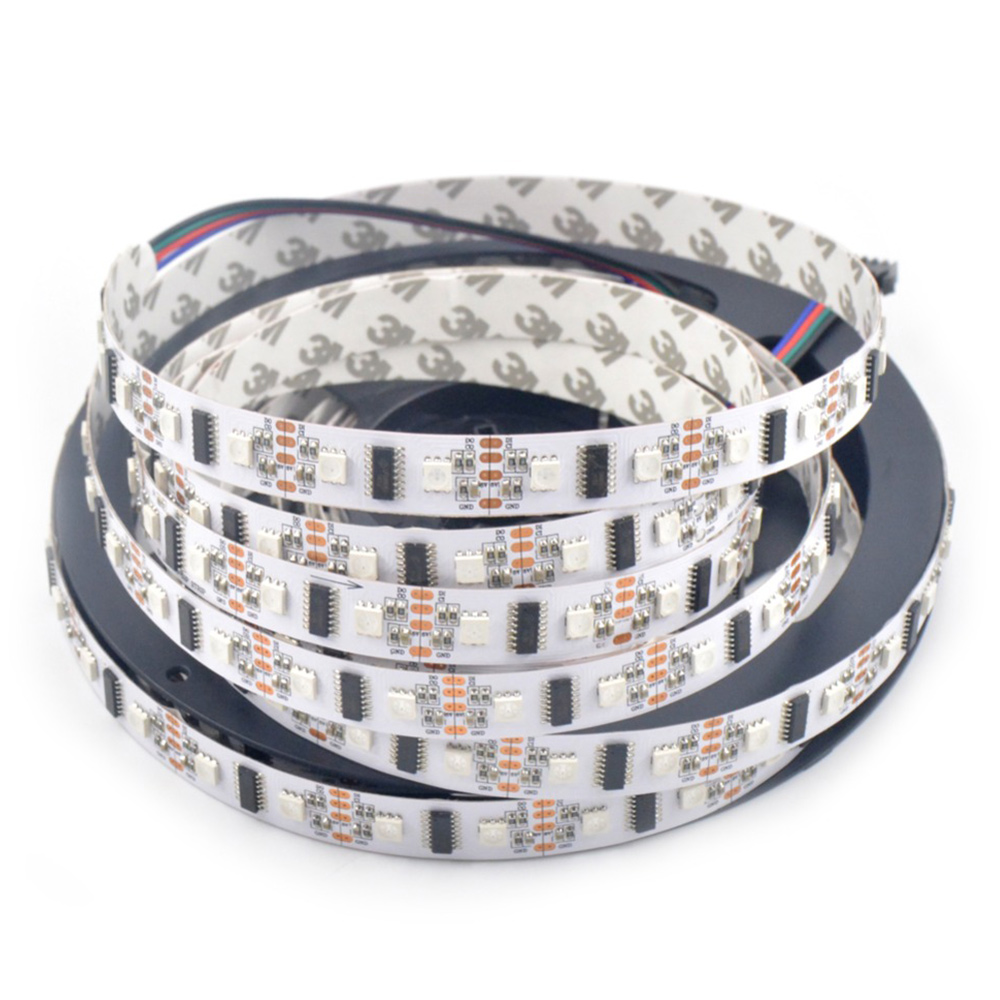
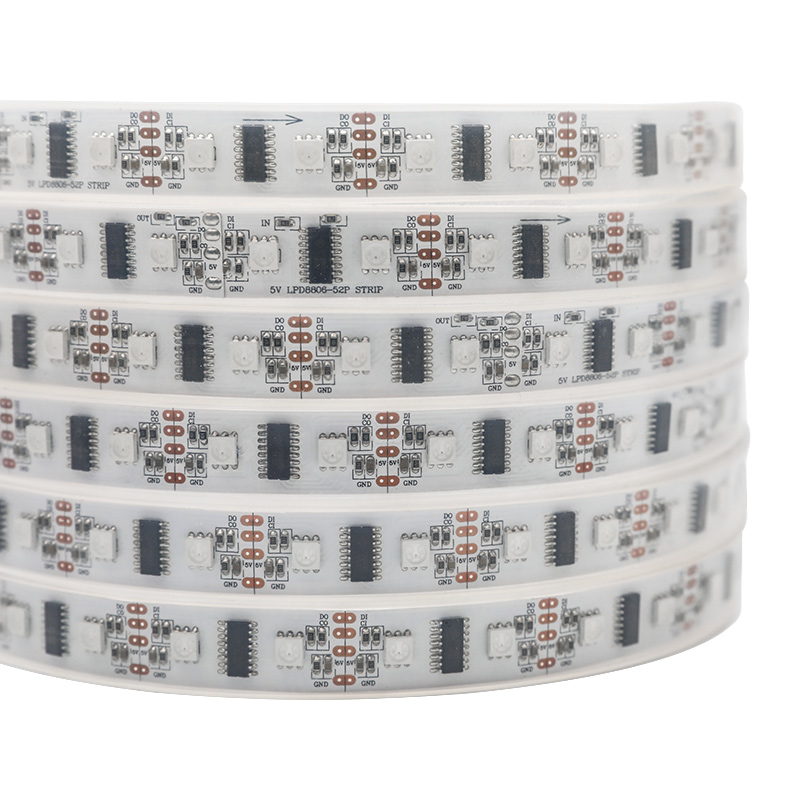
LPD8806 DC5V Series Flexible LED Strip Lights, Programmable Pixel Full Color Chasing, Indoor Use, 300LEDs 16.4ft Per Reel By Sale
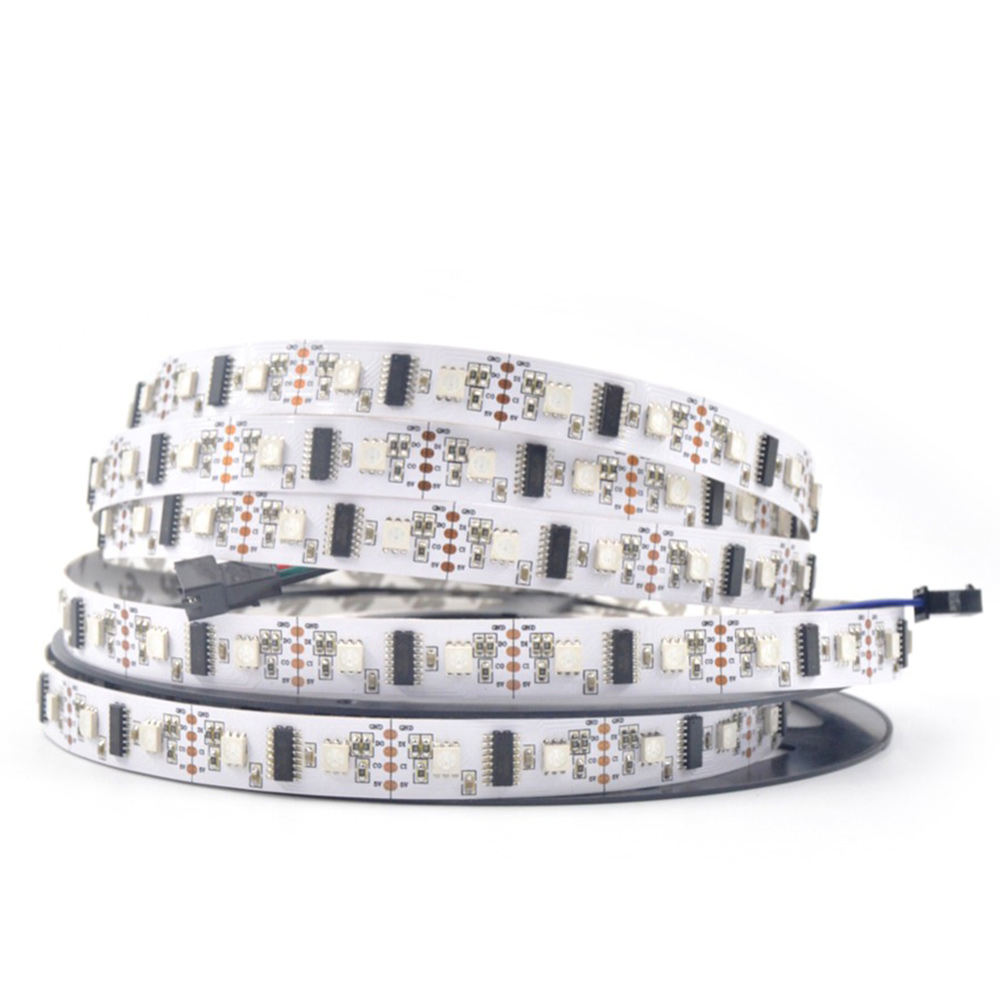
Frequently Asked Questions About LPD8806 IC Programmable LED Strips
Your technical questions, answered by an engineer. Here’s what you need to know before you spec or install LPD8806.
An LPD8806 LED strip is an older type of digital RGB strip that uses a two-wire system (data and clock) for control. Frankly, for any new project, you'd be better off with a modern chip like an SK9822 or WS2815. We stock LPD8806 specifically for engineers and facility managers who need to repair or extend existing, older lighting installations without having to reprogram the entire legacy control system. It's a direct-replacement part for those specific jobs.
You need a controller specifically designed for two-wire (SPI, Data/Clock) LED strips that supports the LPD8806 chipset. Many generic Arduino libraries (like the one from Adafruit) and some dedicated hardware controllers support it. Modern single-wire controllers for strips like the WS2812B will not work at all. Always check the controller's spec sheet for LPD8806 compatibility before you buy.
This is a common point of confusion. These are 5V addressable strips, but the LPD8806 IC controls the LEDs in pairs. So, one 'pixel' or addressable unit actually consists of two physical LEDs. You can't control every single LED by itself, only in groups of two. This is different from modern 5V individually addressable strips where one pixel equals one LED.
The LPD8806 uses a 7-bit PWM for each color channel, which gives you 128 levels of brightness. This means it can produce 128x128x128 = ~2 million colors. Newer chips use 8-bit PWM (or higher), giving them 256 levels and the familiar 16.7 million colors. On slow, smooth fades, you might notice some 'stepping' with an LPD8806 that you wouldn't see on a modern strip. For fast chases and color changes, it's usually not noticeable.
Yes, absolutely. The LPD8806 was one of the first chips that became popular in the maker community for this exact reason. Adafruit has a well-supported LPD8806 library for Arduino. For Raspberry Pi or other 3.3V controllers, you will need a logic level shifter on the data and clock lines to boost the signal to the 5V the strip expects. Sending a 3.3V signal directly often fails, especially on longer strips.
Yes, you can. The strips have designated cut lines, usually marked with a scissors icon, located between every pair of LEDs (which is one pixel). You can cut there with sharp scissors and then solder wires to the copper pads to link sections together. Just make sure you match the connections correctly: 5V, CLK (Clock), DAT (Data), and GND.
It comes down to supply and demand for a specialty component. The LPD8806 IC is no longer mass-produced on the scale of chips like the WS2812B. We maintain this product line with smaller, dedicated factory runs specifically for the maintenance and repair market. The cost reflects its status as a legacy part for preserving high-value installations, not a commodity for new builds.
We do this all the time; it's a huge part of our business. Send us a drawing or even just a photo of what you need—exact lengths, wire lead types and lengths, and what kind of connectors you need pre-soldered. An engineer on my team will get back to you, usually the same business day, with a complete wiring diagram and a parts quote. There's no fee for the consultation, and you're not obligated to order. A lot of what we ship is built to a customer's drawing.
They are very similar older chips, but not directly interchangeable. The key difference is the color resolution: LPD8806 has 7-bit color depth (128 levels per channel), while the LPD6803 has only 5-bit color depth (32 levels per channel). The LPD8806 provides visibly smoother dimming and more color nuance. If you're replacing a strip, you must use the same chip type; you can't mix LPD6803 strips into an LPD8806 installation without reprogramming the controller.