
Multi-Row LED Strips Series
28 productsEngineered for large-scale architectural installations, dynamic stage productions, and immersive full-wall color rendering, our multi-row addressable LED strips represent the pinnacle of high-lumen output within the pixel-lighting family. By arraying 2, 3, or 4 parallel LED rows onto wide flexible PCB bases (15mm, 16mm, 20mm, and 25mm widths), these ultra-bright LED ribbons deliver maximum luminous density and fluid pixel control, eliminating light gaps for seamless edge-to-edge coverage.
Featuring bright SMD5050 or high-density SMD2835 LEDs with ICs, these strip lights boast an expanded luminous surface and a wide viewing angle for superior light distribution. Optimized for DC12V and DC24V power systems using group-controlled IC architectures, they are ideal for high-power cove lighting, wide aluminum channels, custom matrix displays, automotive custom lighting, and demanding commercial task illumination.
Driven by industry-standard RGBIC, RGBWIC, and White ICs—including WS2811, WS2818, UCS1903/UCS2903, TM1812, SK6812, TM1814, and native DMX512—these bright addressable LED strips offer seamless plug-and-play compatibility with advanced control platforms like WLED and MADRIX for boundless dynamic color effects.
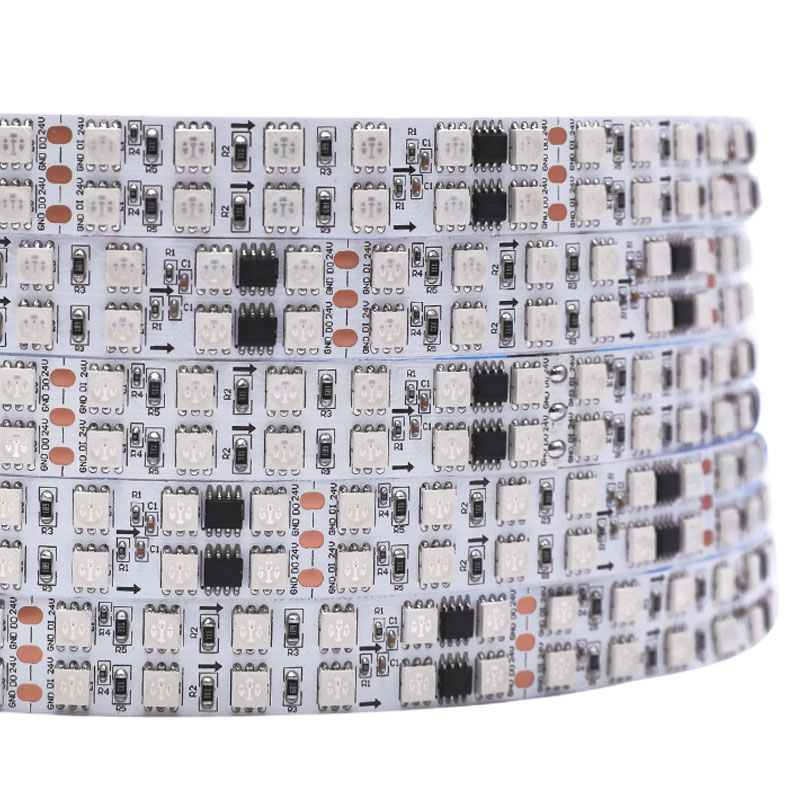
DC24V WS2811 SMD5050 Double Row Addressable RGB LED Strip 168LEDs/m
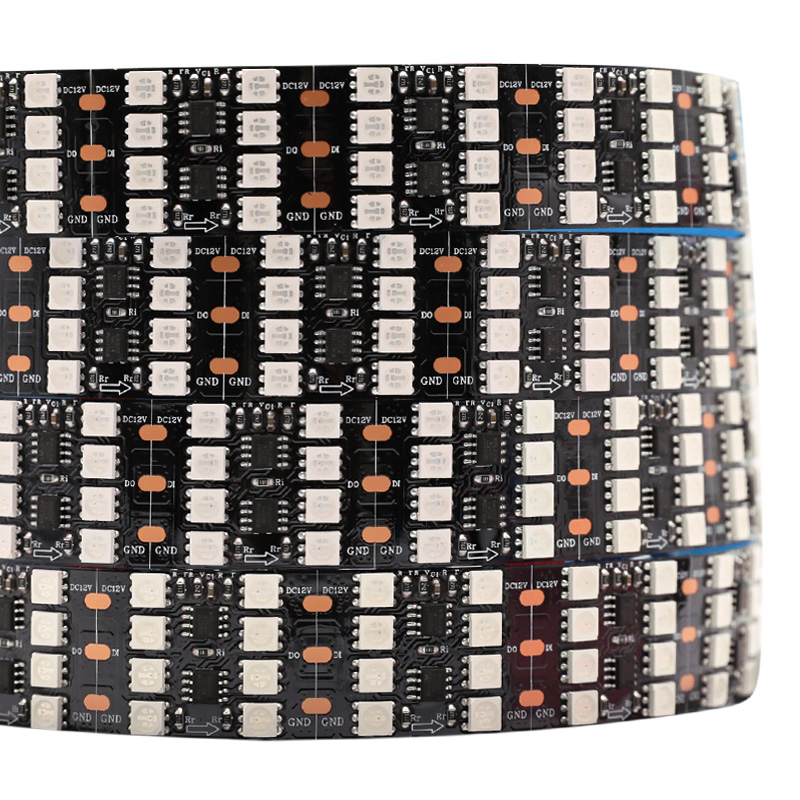
12V WS2811 Brightest Quad Row Addressable RGB LED Strip Black
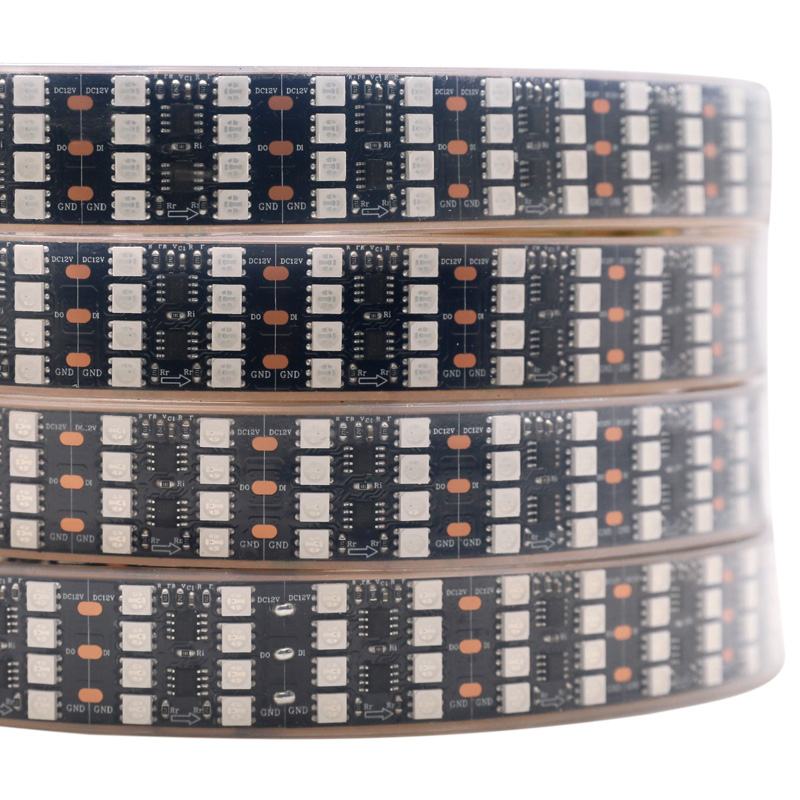
Waterproof IP67 WS2811 12V 4 Row Brightest Outdoor Addressable LED Strip
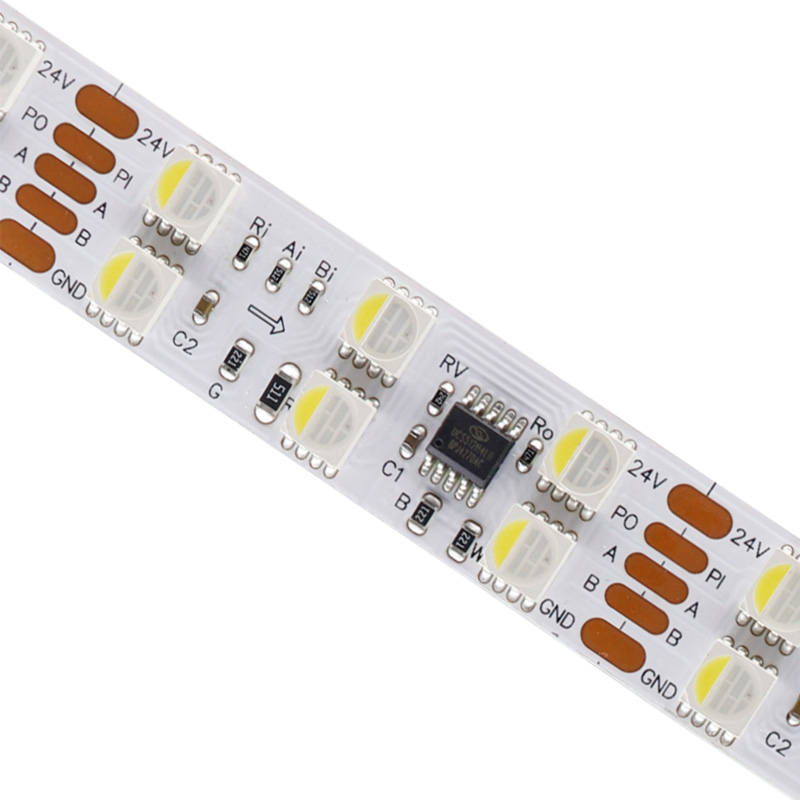
Double Row DMX RGBW LED Strip DC24V 15mm 600LEDs 16.4ft
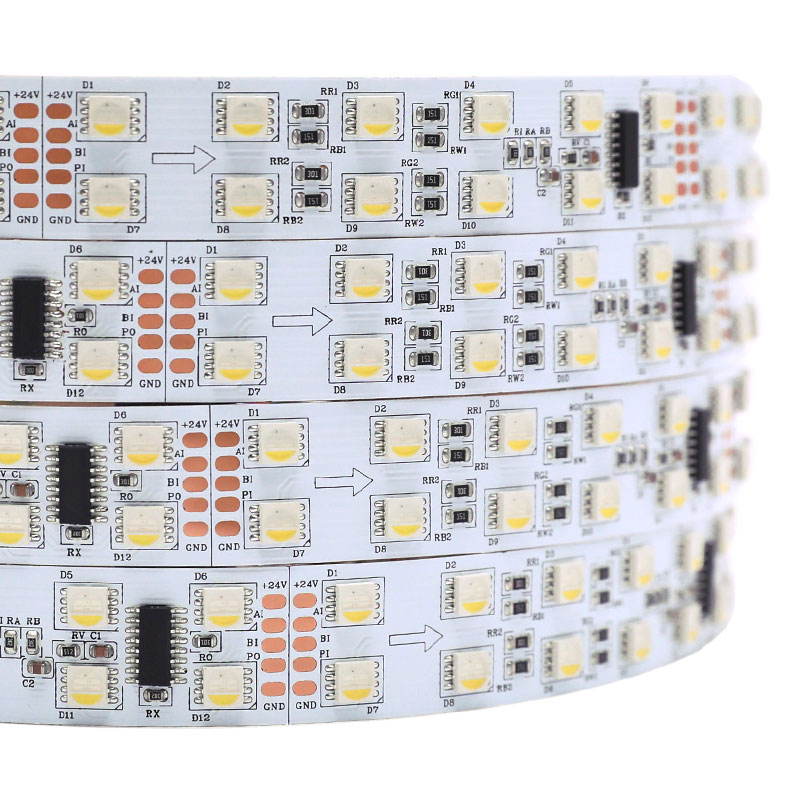
Dual Row RGBW DMX LED Strip Lights 600LEDs 50/100 Pixels
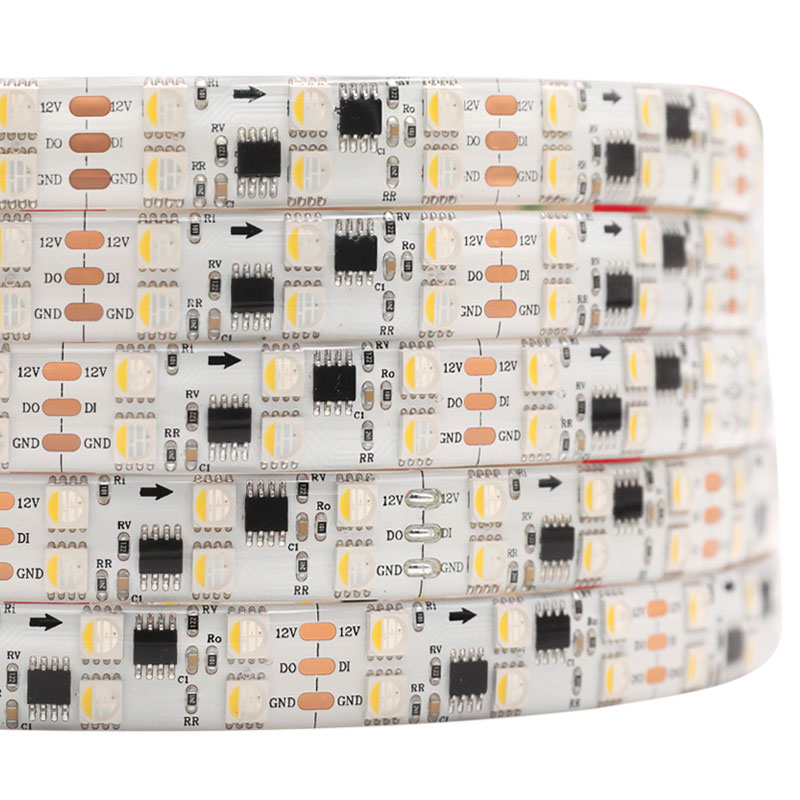
Double Row High-Density Addressable RGBW TM1814 LED Strip
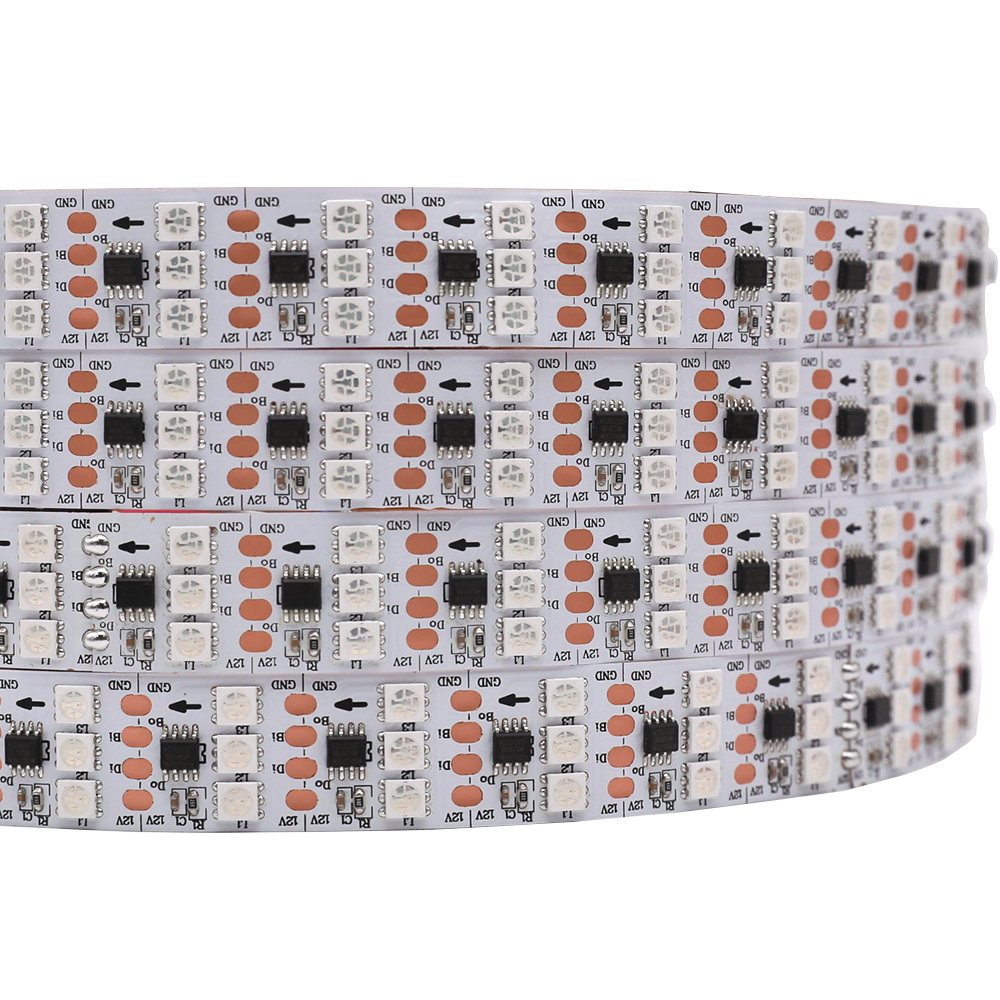
Triple Row Addressable RGB LED Strip - WS2818 Breakpoint Resume
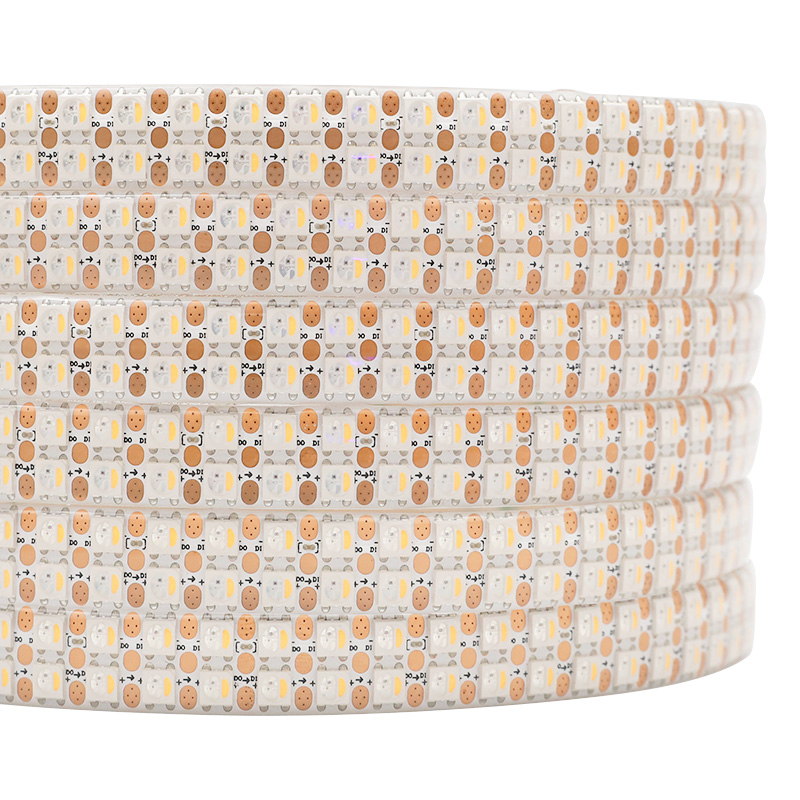
Brightest RGBW DC5V SK6812 4 in 1 Pixels Individual Addressable LED Strip
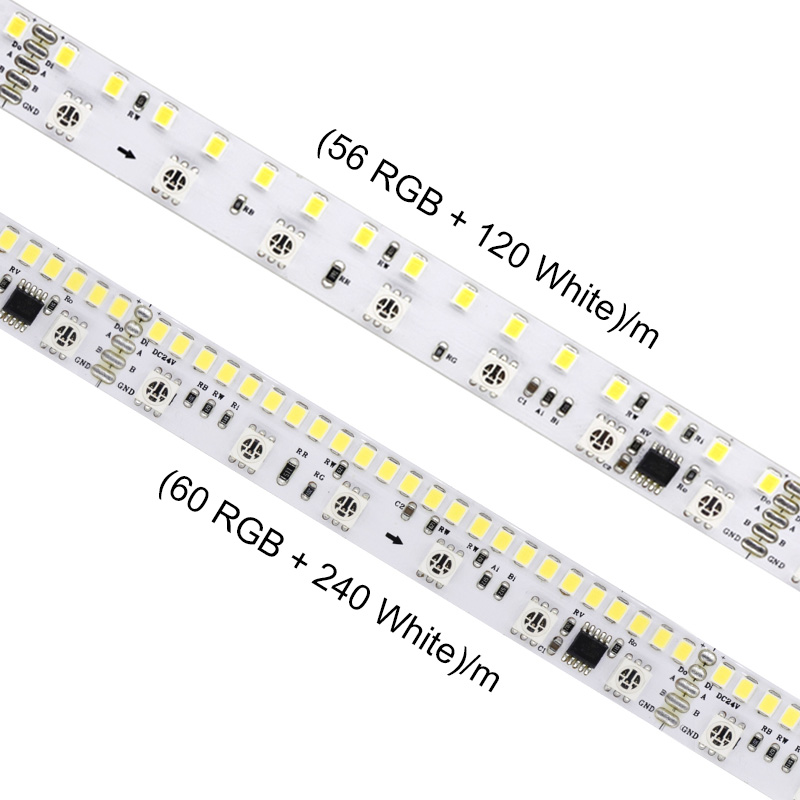
Double Row 5050 RGB + 2835 White LED DMX RGBW Strip 24V
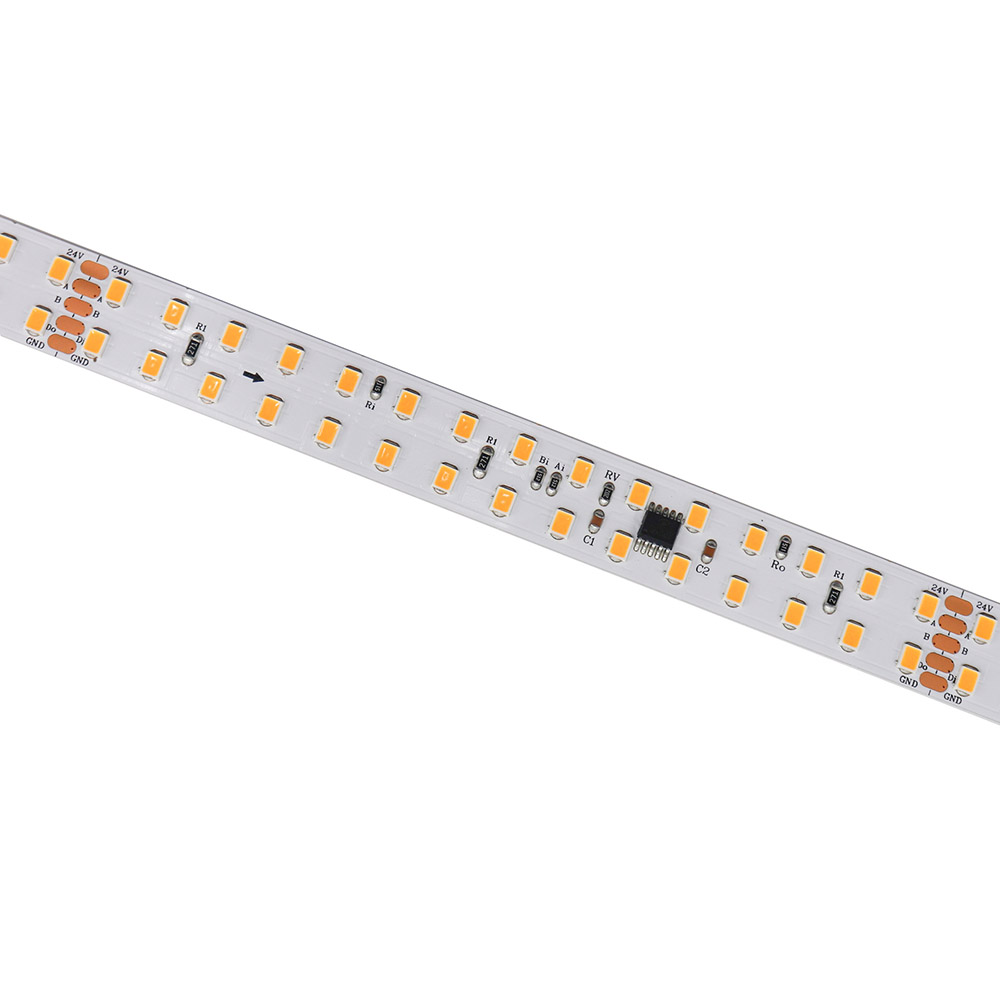
3000K/4000K/6500K LED Double Row DMX Light Strip
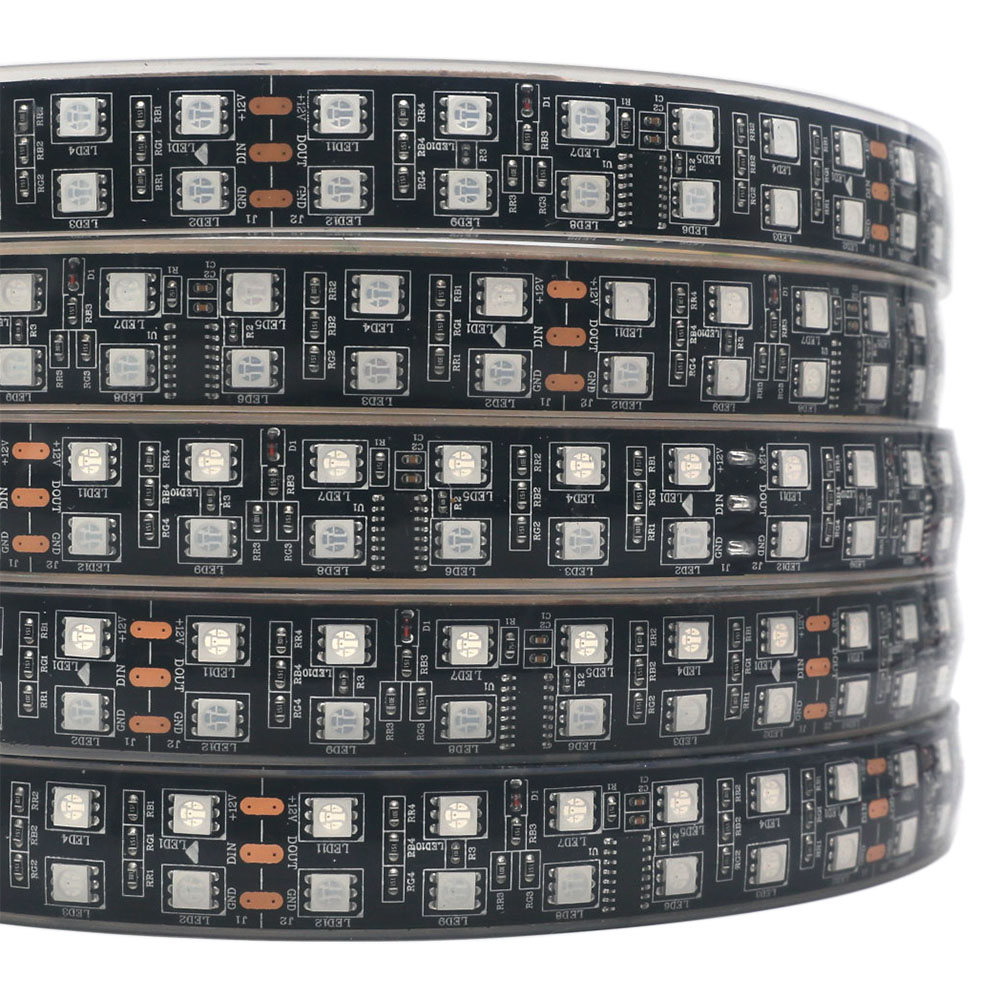
Dual Row TM1812 DC12V 120LEDs/m Flexible LED Strip Lights Programmable LED Lights
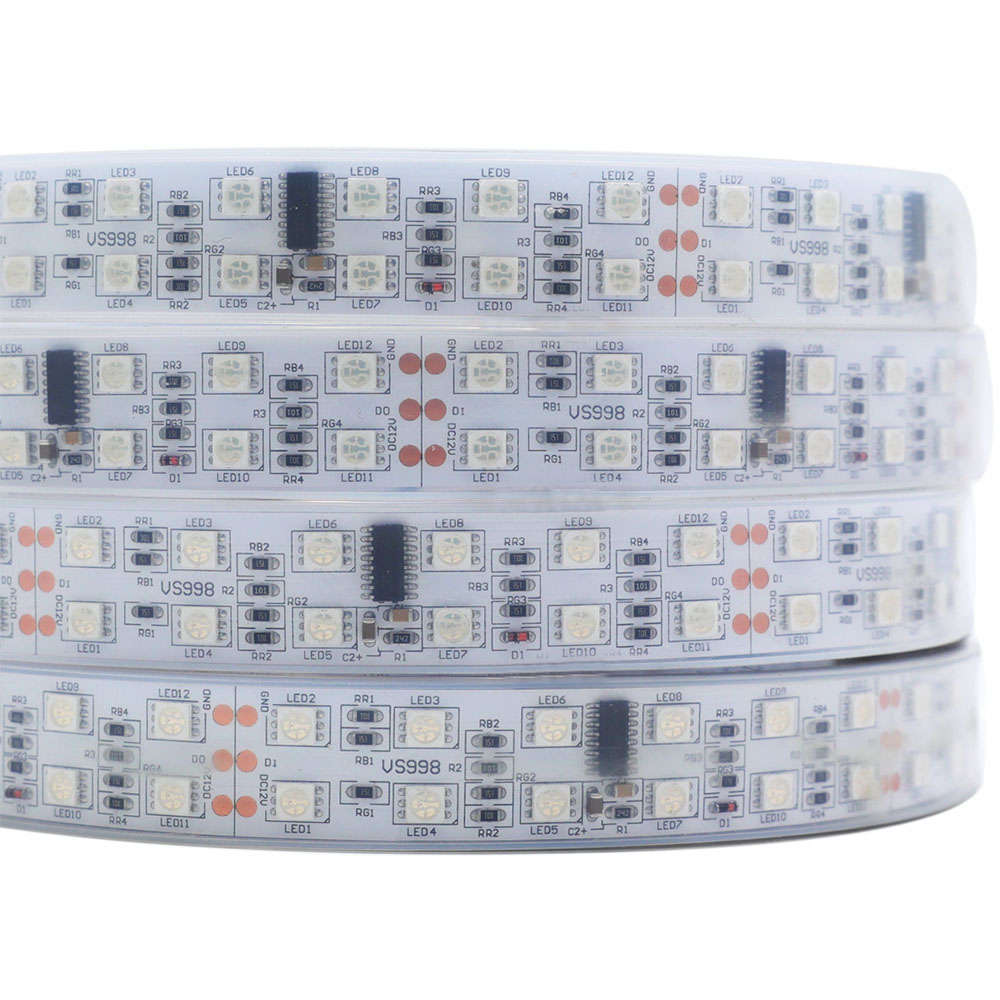
Dual Row TM1812 Series Flexible LED Strip Lights, Programmable Pixel Full Color Chasing, Outdoor Waterproof optional, 600LEDs 16.4ft Per Reel By Sale
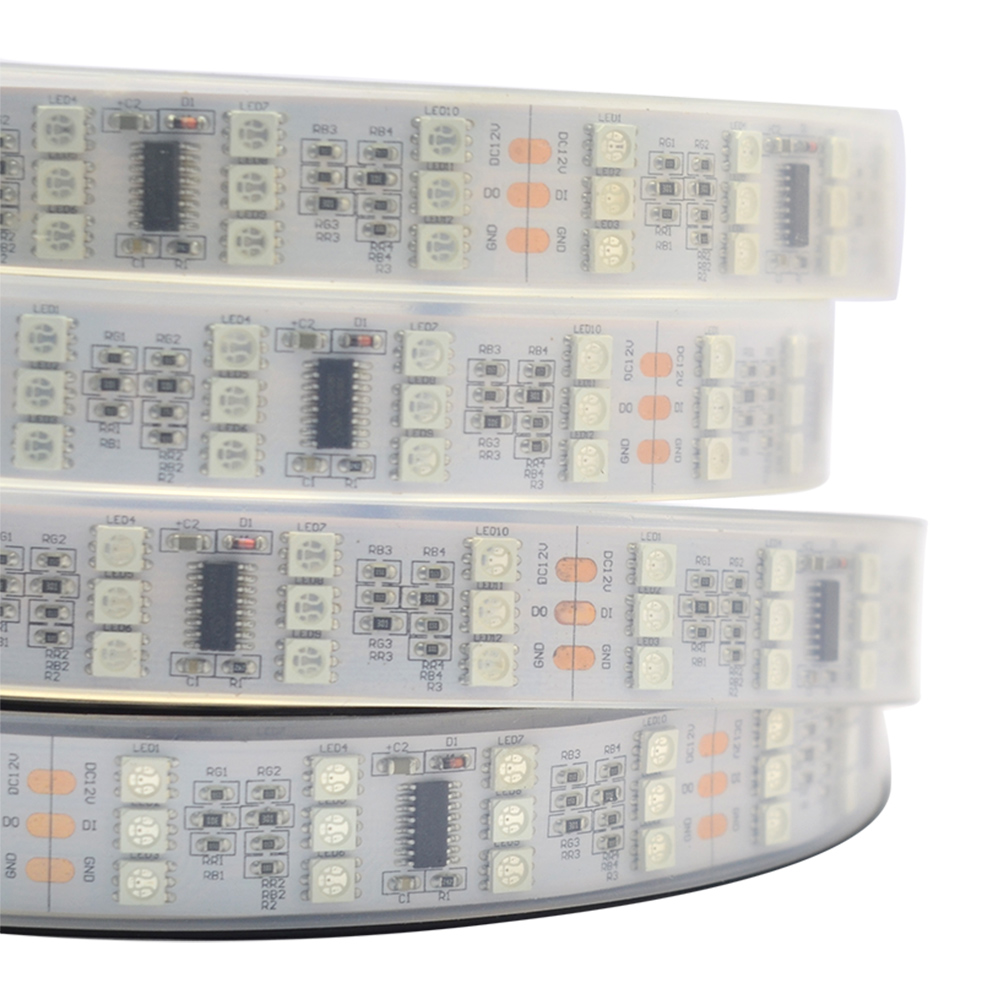
12V Triple Row TM1812 Addressable RGB LED Light Strips 144LEDs/m
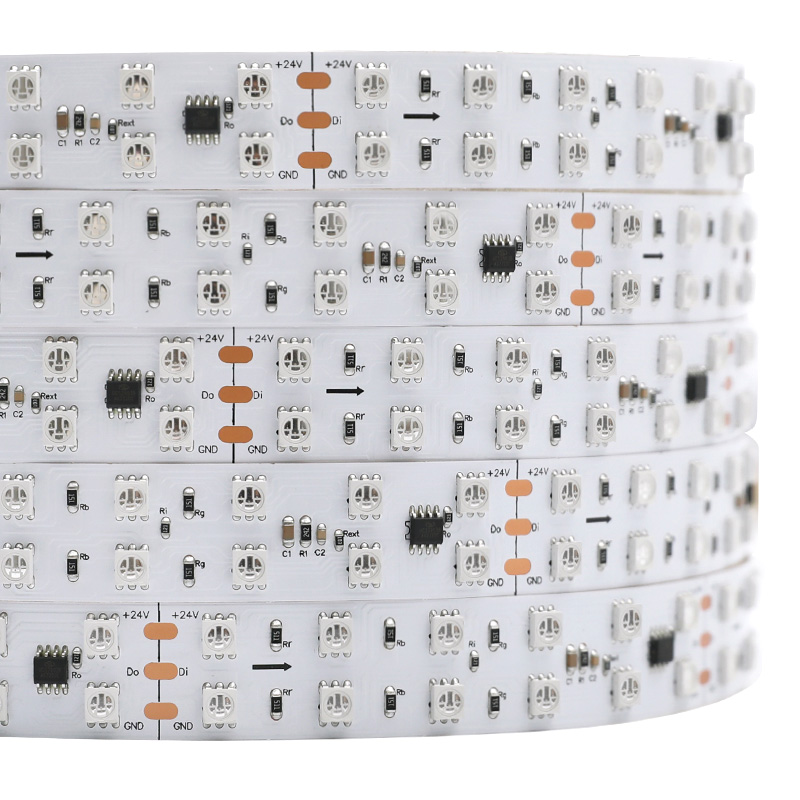
UCS2903 Addressable Double Row RGB LED Strip 120LEDs/m
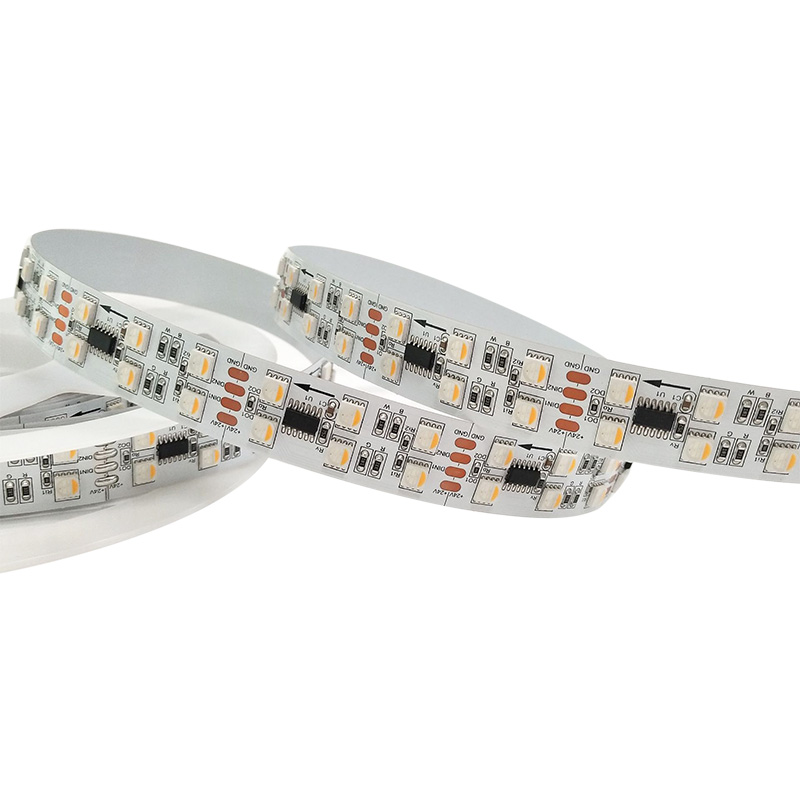
WS2814 Dual Row RGBW Addressable Led Strip 24V
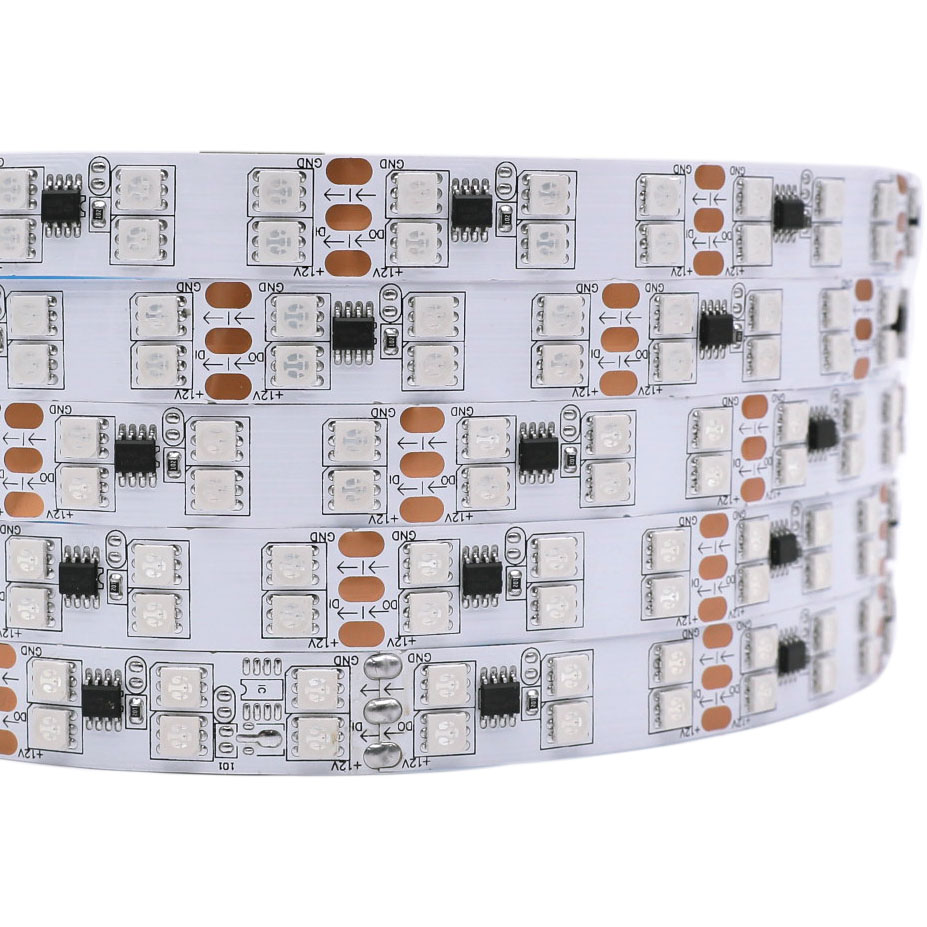
DC12V WS2811 120LEDs/m Double Rows 20mm Width Flexible Addressable Dream Color LED Strip Light
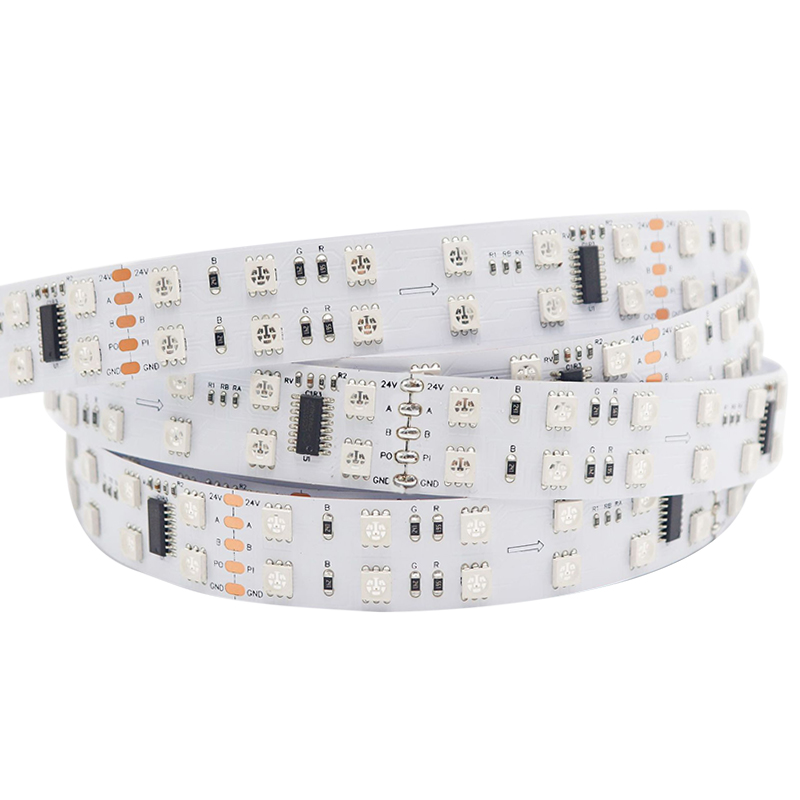
DC24V 20mm Bright Double Row DMX RGB LED Strip
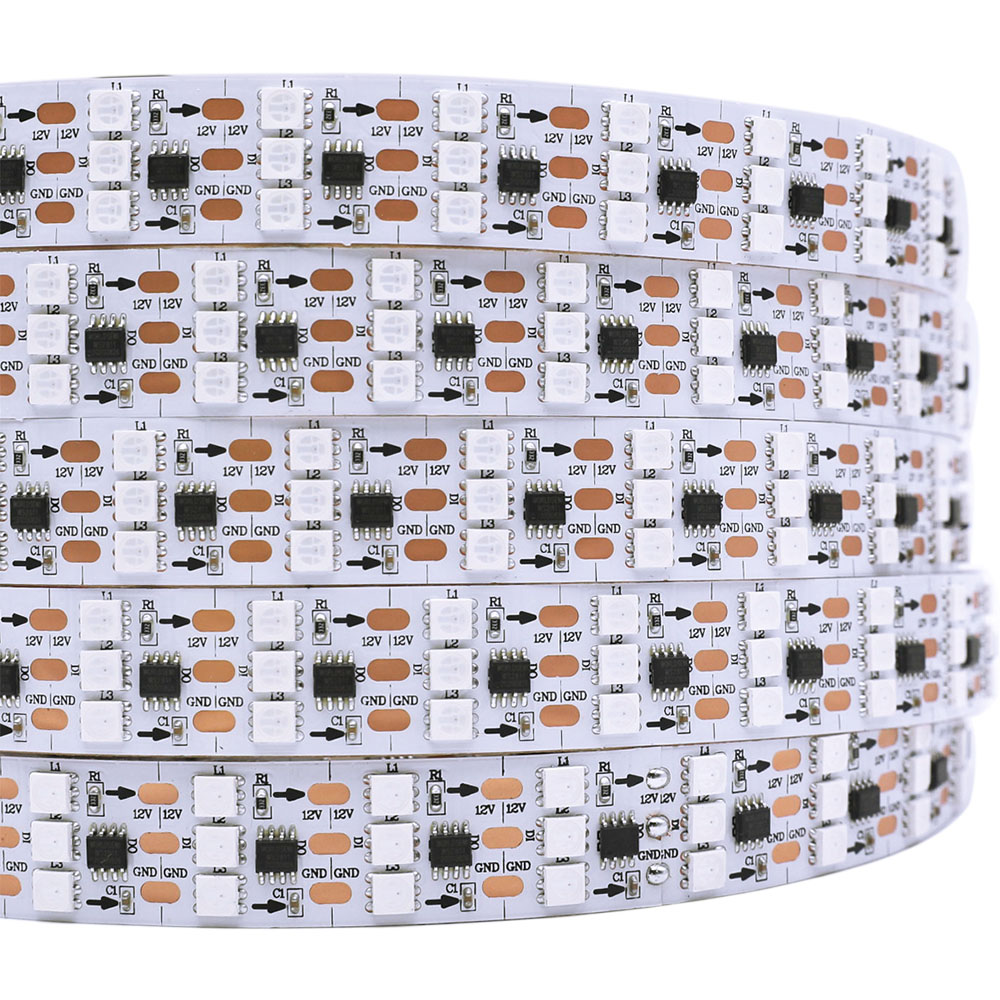
DC12V WS2811 High Brightness Addressable LED Strip Light, 144 LEDs/M, 16.4ft/5M Triple Row 5050 RGB Flexible LED Strips
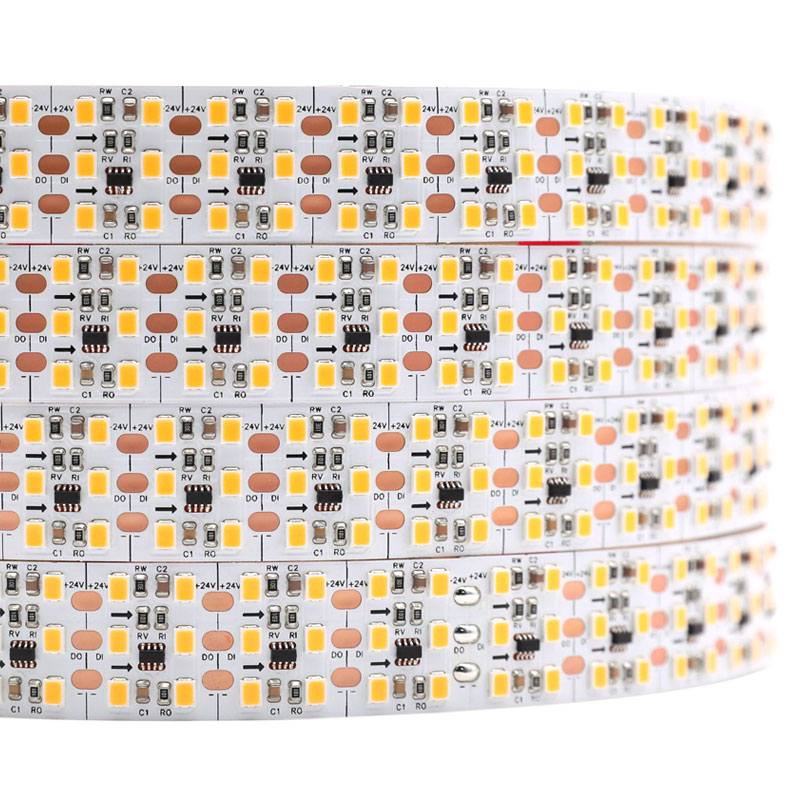
WS2811 Ultra Bright Addressable White LED Strip Triple Row
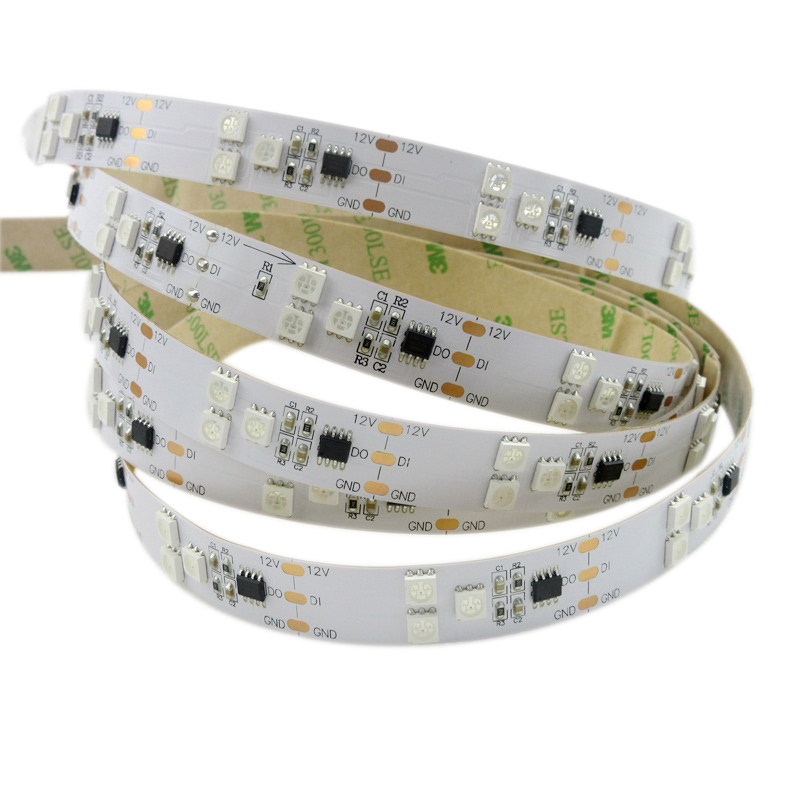
12V UCS1903 15mm Dream Color RGB LED Strip Light 30LEDs/m
Frequently Asked Questions About Multi-Row LED Strips
Got a question about our high-output multi-row strips? I've answered thousands of them over the years. Here are the most common ones.
It's almost a direct multiple. A dual-row strip is nearly twice as bright, and a triple-row is close to three times the brightness of a standard addressable strip using the same LED chip. But that addressable led brightness comes with higher power draw and more heat, so you need to plan your power supplies and heat sinking to match. It's a trade-off for getting that much light out of one strip.
Simple math. Find the 'watts per meter' on the product page, multiply it by the total meters you're using, then add 20% as a safety margin. So, for 5 meters of a strip that uses 30W/m, you'd calculate (5m * 30W/m) * 1.2 = 180W. You'd need a power supply rated for at least 180 watts. Don't skip that 20% overhead; it keeps the power supply from running hot and failing early.
Because they're incredibly dense with LEDs. Packing two, three, or even six rows of LEDs into a small space generates a lot of heat. It's normal, but it has to be managed. You absolutely must mount these strips on an aluminum channel or another metal surface. The metal acts as a heat sink, pulling the heat away from the chips and dramatically increasing their lifespan.
Not very far, because the power draw is so high. With a 24V dual or triple-row strip, you'll start to see voltage drop—dimming or a color shift to red at the far end—after about 5 meters. On 12V, it's even shorter. For any run longer than a single reel, you have to plan for power injection at both ends, and sometimes in the middle, too. We cover this in detail in our addressable wiring guide.
It means that a group of 6 LEDs on the strip acts as a single, controllable pixel. You can't change the color of each individual LED within that group; all 6 will always be the same color. This is a common design on higher-voltage strips to reduce the cost and the amount of data the controller needs to send, making long runs more stable. For individual LED control, you need a strip from our individually addressable series.
Heat is the primary enemy of any LED. If you run a triple-row strip at 100% full white brightness 24/7 without a heat sink, its lifespan will be significantly shorter. However, if you mount it properly in an aluminum channel and run it at around 80% brightness for daily use, you can still expect 30,000-50,000 hours of life, just like a standard strip.
The easiest way is in your control software. Every good pixel controller, from WLED to Madrix, has a global brightness limiter. Setting this to 70% or 80% is often a good idea anyway—it dramatically reduces power consumption and heat, and you may barely notice the difference in perceived brightness. This is much better than trying to use a physical dimmer.
Yes, we do this every day. A huge portion of what we ship is built to a customer's drawing. If you need a triple-row strip cut to an exact length, with specific IP67 waterproof connectors pre-soldered for a plug-and-play installation, just send us a sketch. It doesn't need to be a fancy CAD file; a photo of a drawing on a notepad works. An engineer will spec it out and send you a complete parts list and quote, usually within 12 hours. There's no fee for the consultation and no obligation to order.
They're excellent for both. The sheer light output, especially from the RGBW and dedicated white versions, makes them perfect for high-performance task lighting like under cabinets or in workshop coves. You get the functional brightness you need, plus the ability to create any dynamic effect you want.