
LED Light Cord Extension Cable
30 productsLED Light Cord Extension is a wire cable designed to extend the power supply or electrical transmission to led lights. It usually consists of conductive copper wire with an insulating material wrapped around the outer layer to ensure safety and prevent short circuits. Also have outdoor cable for led lights.
We offer a wide range of low voltage LED strip and LED light electrical extension cords, including 2/3/4/5/6 pins, wire gauges from 26AWG thin to 12AWG thick, UL certified, to meet the needs of different LED lighting projects. Quick connect Dupont/termial/hippo cords, JST extension cables, outdoor waterproof plug cables are also available for convenience.
Please choose the right pin extension cables according to your light strip type. You can freely combine the led wire color corresponding to light color.
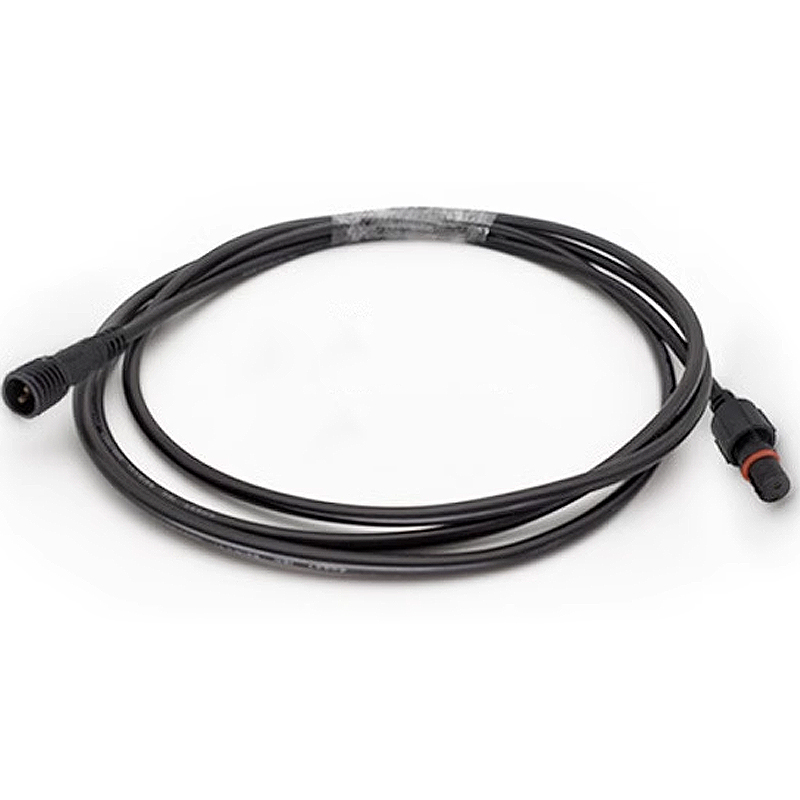
20 Inch Male To Female 2 Pin Outdoor Light Extension Cable Cord
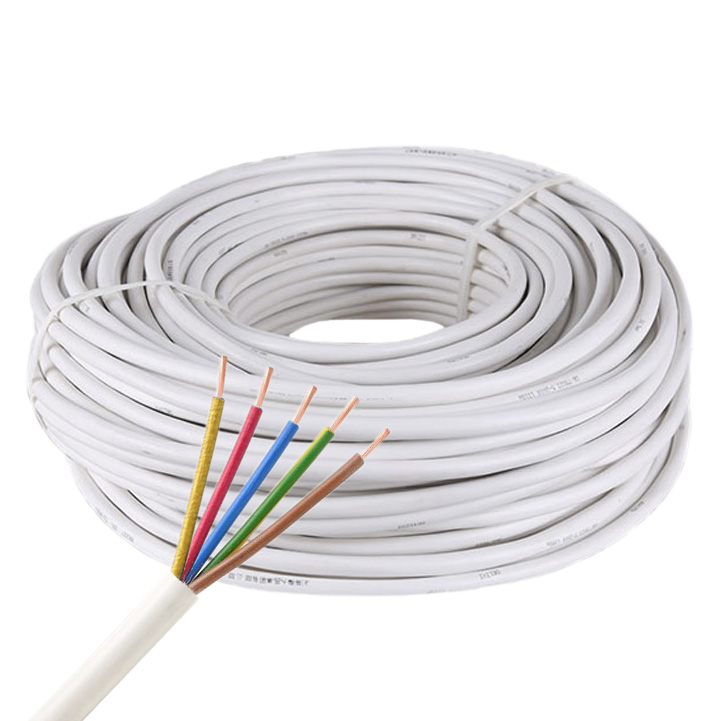
5-Pin 20/18AWG RGBW White Waterproof Power Cable 3.28Ft/1m
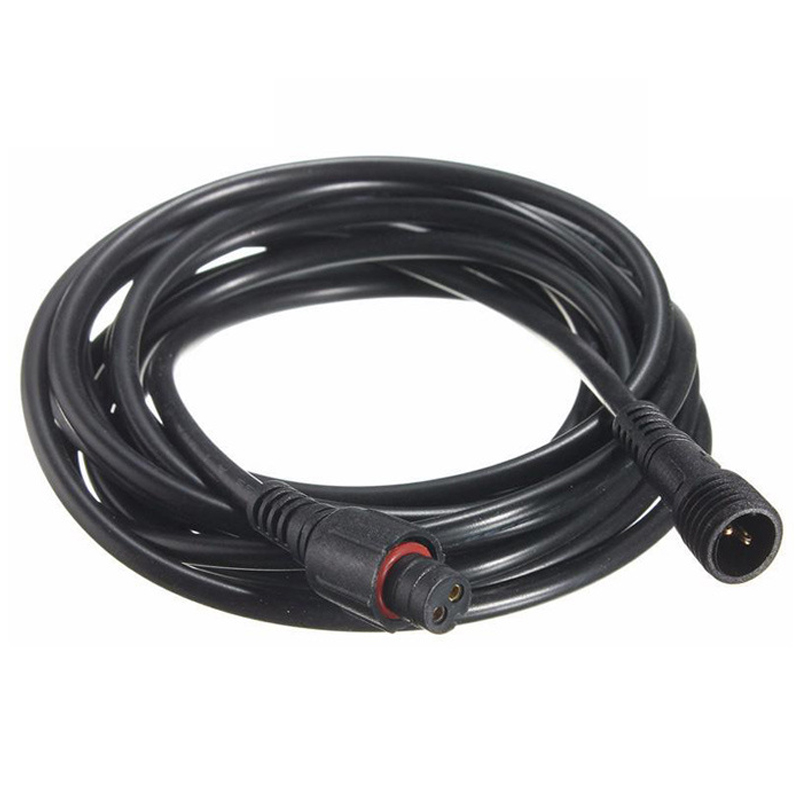
10m 33ft Extra Long 2 Pin Outdoor Extension Lead Male To Female Cord
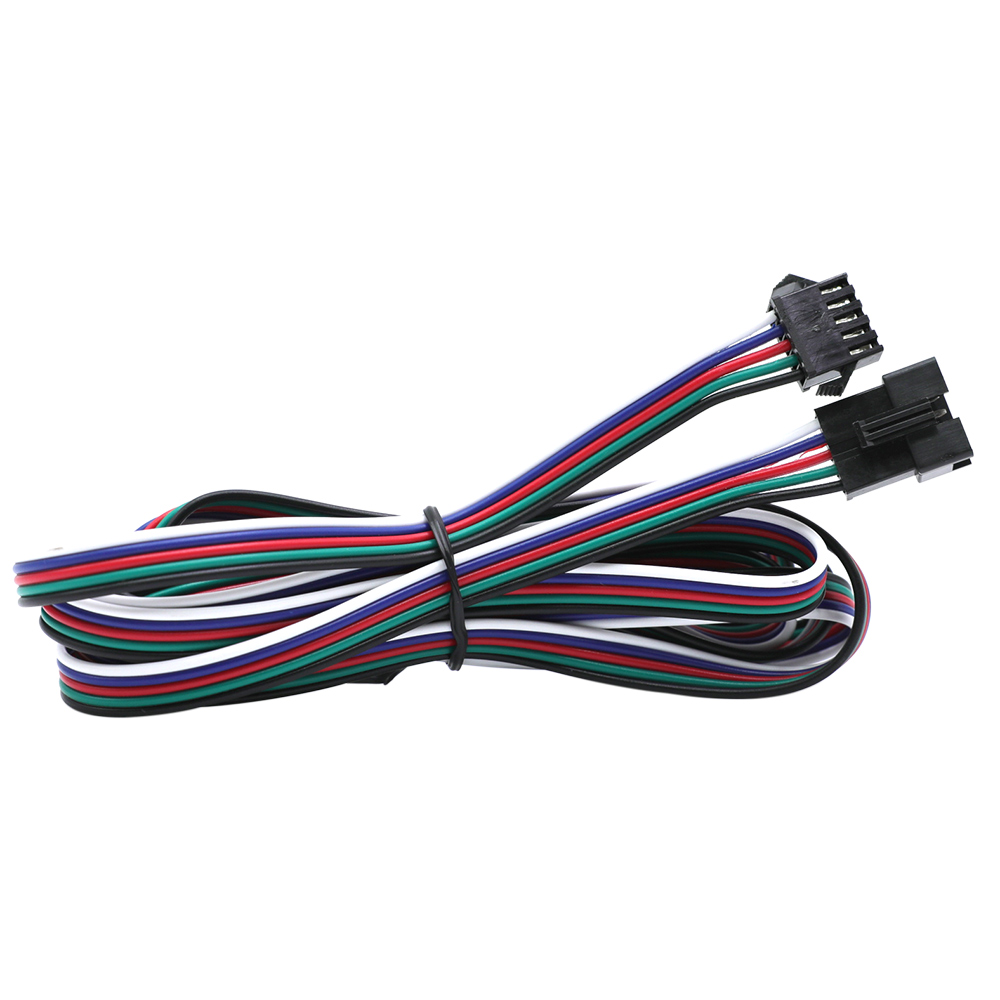
5-pin JST Extension Wire Connector For RGBW LED Strip Lights
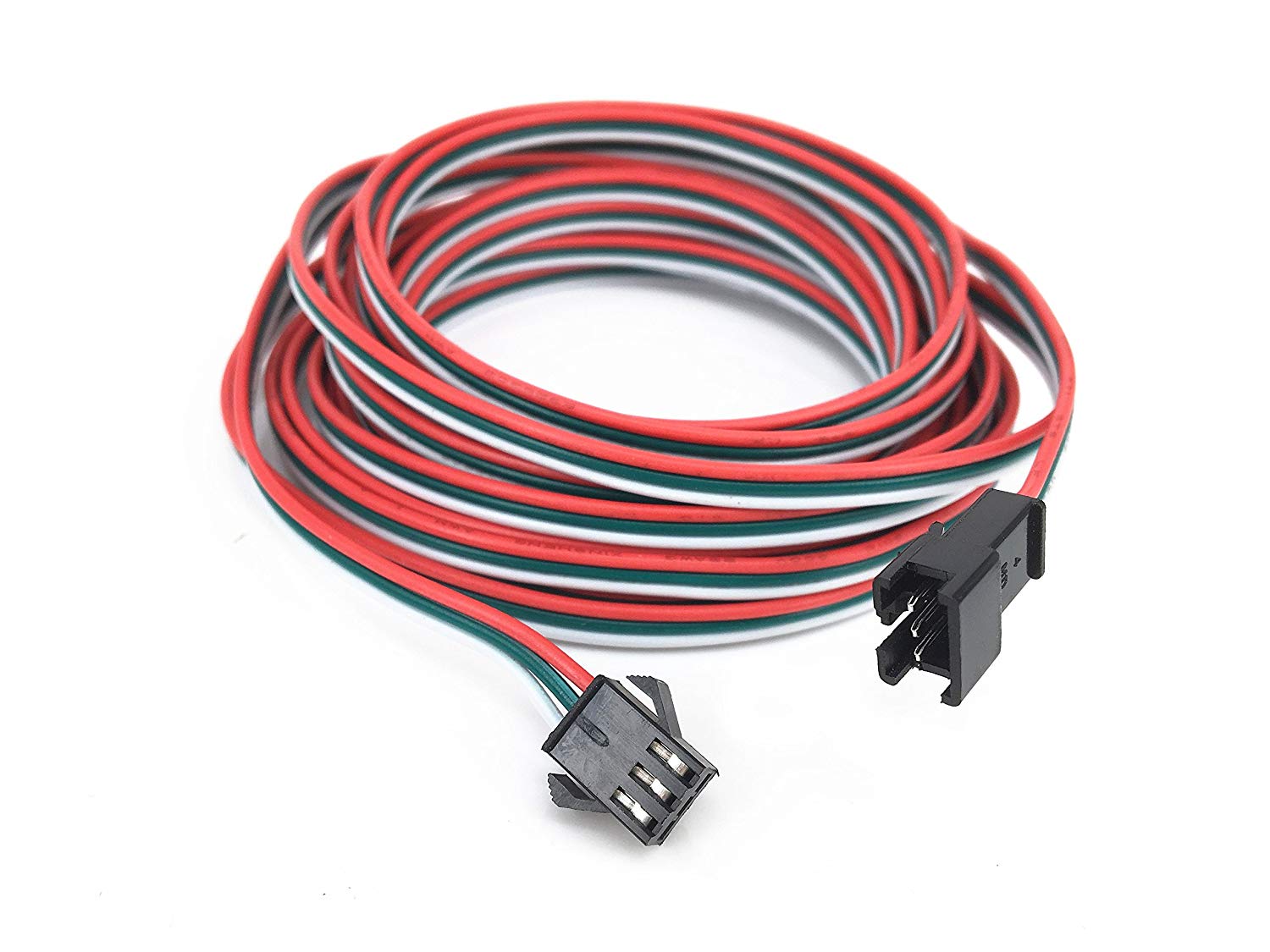
3PIN JST Extension Cable for WS2811/SK6812 LED Strip - 5V/12V No Solder
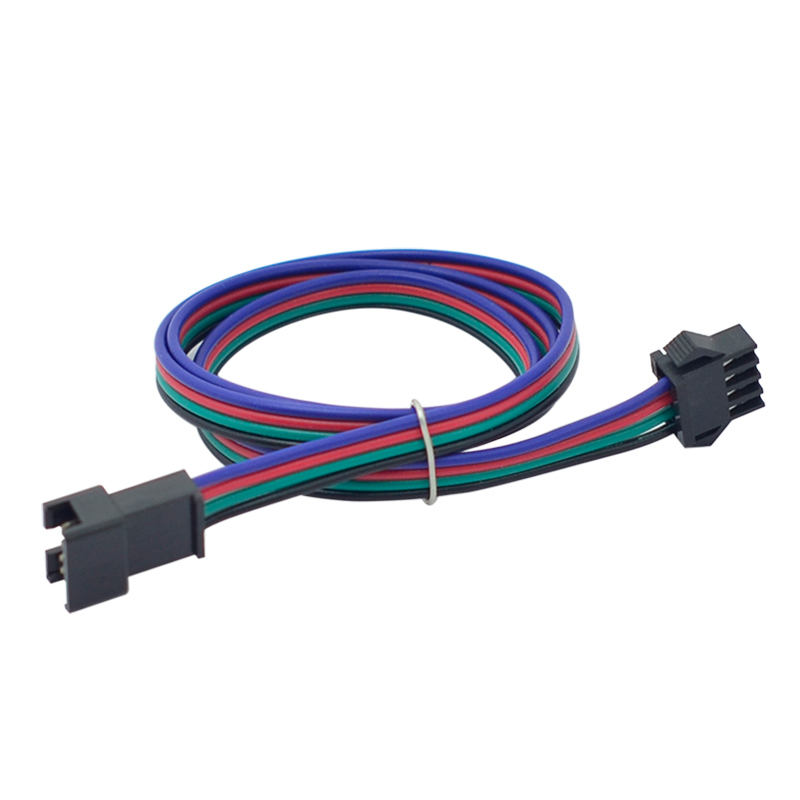
4PIN JST LED Terminal Extension Cable Male to Female
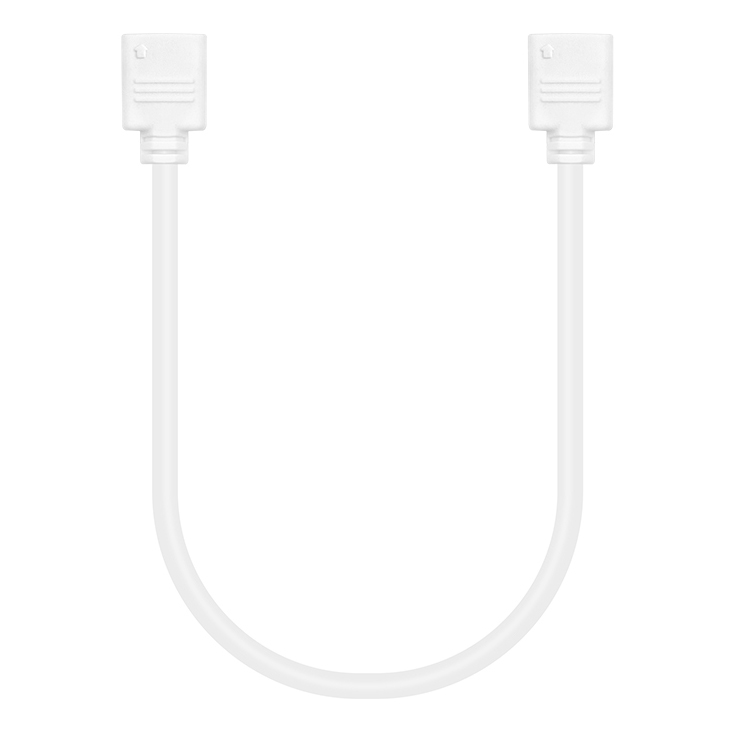
4 Pin RGB LED Strip Extension Cable - 1m/2m/5m for 5050/3528 LEDs | Solderless
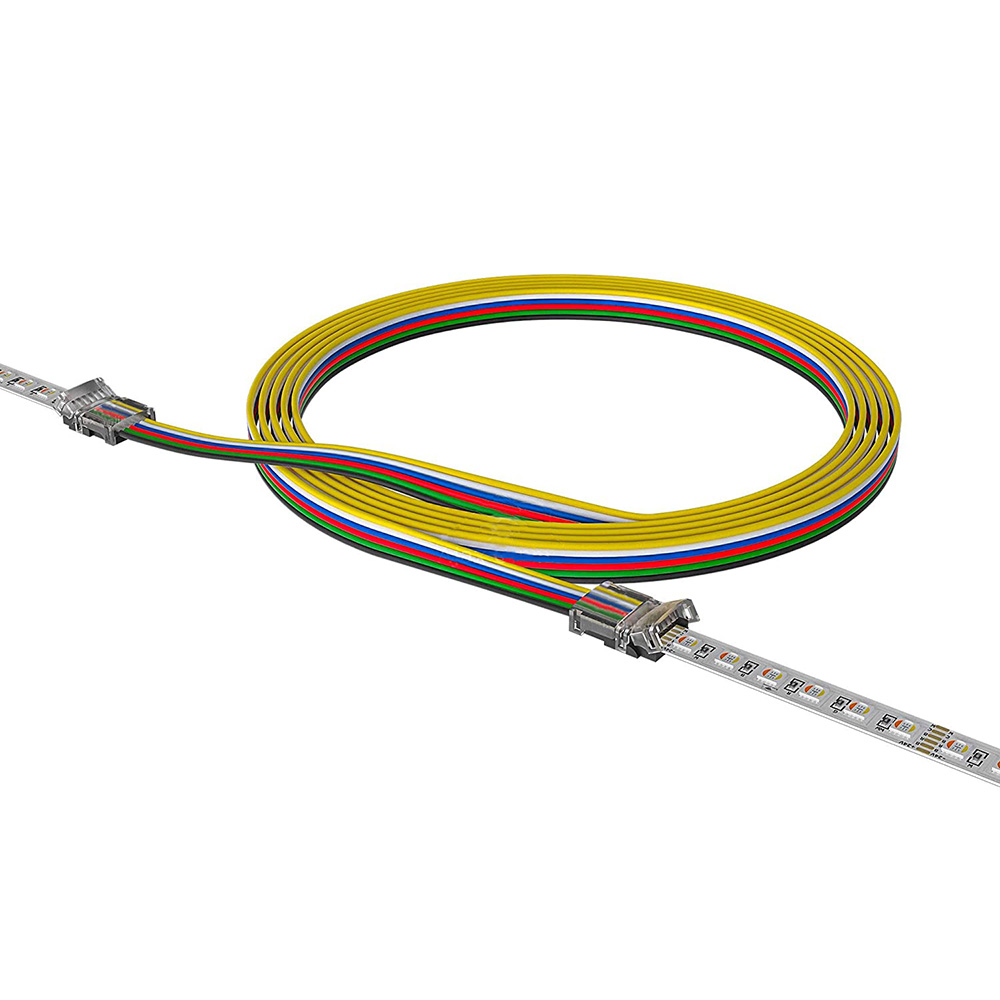
6Pin Hippo RGBCCT LED Strip Connector 3m Wire Length - 12mm Strip to Strip
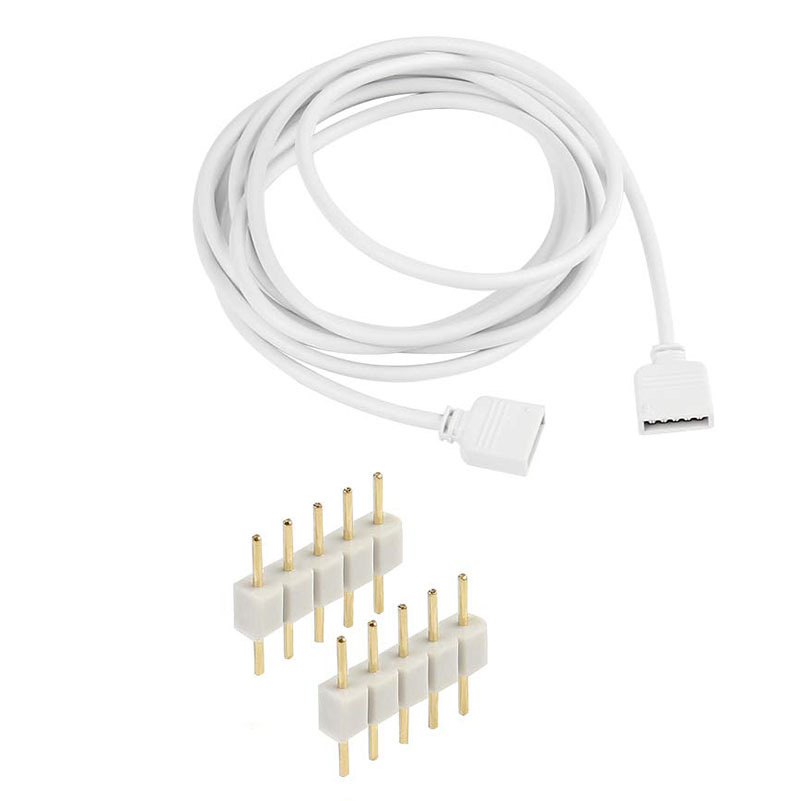
5Pin RGBW LED Strip Connector 1m/2m Extension Cable with 2 Male 5-PIN Plugs
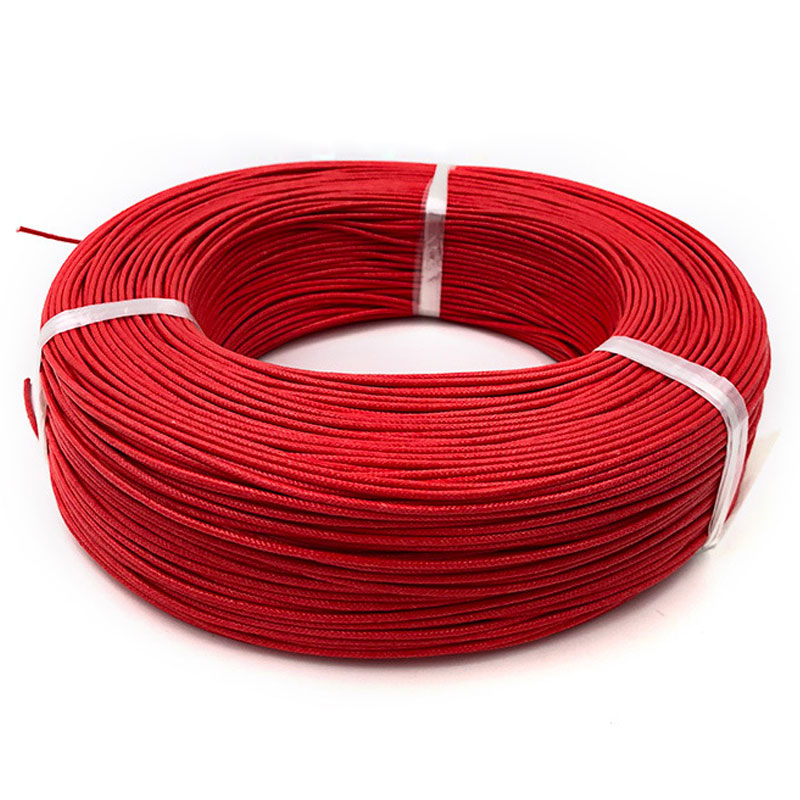
UL 3122 Heat Resistant Silicone Wire with Glass Braid 12AWG to 20 AWG 65ft
FAQ About LED Light Cord Extension Cables
Got questions about picking the right wire or cable? You're in the right place. Here are the answers we give customers every day.
The right wire gauge for your LED extension cord depends on two things: the total length of the run and how much current (Amps) your lights draw. A longer cable or a higher-power strip needs thicker wire (a lower AWG number) to prevent voltage drop. For most 12V/24V strips, 18AWG is a safe bet for runs up to 10 meters. Go any longer, and you'll want to read our voltage drop guide to do the math properly.
That's almost always voltage drop. The longer and thinner your extension wire is, the more electrical resistance it has. This resistance eats up voltage, so by the time the power gets to your strip, it's not the full 12V or 24V anymore. The LEDs get starved for power and look dim. The fix is simple: use a thicker gauge power wire.
First, count the pins on your strip. Single color is 2-pin, CCT is 3-pin, RGB is 4-pin, RGBW is 5-pin, and RGB+CCT is 6-pin. Then, look at the physical connector type. The most common are JST-SM connectors (with a little locking clip), waterproof screw-together connectors, and simple DC barrel plugs. If you're not sure, just send our support desk a picture of your strip's end connector and we'll identify it.
You can, but you really shouldn't. Speaker wire is designed for high-voltage, low-current AC audio signals, not low-voltage, high-current DC power. It often uses inferior conductors and the insulation isn't rated for the job, which can be a fire hazard. More importantly, it's not UL-listed for in-wall use. Stick with a proper power wire designed for lighting; it's safer and performs better.
They're both common multi-pin connectors, but they're built for different jobs. A JST connector, specifically the SM series we use often, has a plastic housing with a locking tab that clicks into place for a secure connection. A DuPont Connector is a simpler pin-and-socket style, like you'd see on a computer motherboard. We use them a lot for our puck lights and stair lights.
If your power cord for led lights is too long and too thin, you'll get significant voltage drop. This makes single-color strips look dim and can cause RGB or addressable strips to flicker or show incorrect colors because the tiny controller chips on the strip aren't getting stable power. It's always best to place the power supply as close to the strip as possible.
Yes. One hundred percent. A standard, non-waterproof JST or DC connector will fail the first time it gets wet. Water gets in, the copper pins corrode, and your connection dies. A proper IP67 or IP68 waterproof connector has rubber O-rings and a screw-down housing that creates a tight seal. Don't skip this part for any outdoor or landscape lighting project.
Technically you can daisy-chain them, but it's a bad idea. Every plug-in connection point adds a little bit of resistance and a potential point of failure. Stringing multiple short cords together is just asking for problems with voltage drop and reliability. Always try to use a single, continuous led strip light extension cord of the correct length for the gap you need to cross.
Yes, and it's dictated by the wire's thickness (AWG). A thinner wire, like 22AWG, has a lower maximum amperage rating than a thicker 18AWG wire. Pushing too much current (and therefore, wattage) through a wire that's too thin will cause it to heat up, which is inefficient and dangerous. Always check the amp rating of both your LED strip and your extension cable to make sure the cable can handle the load.
A Hippo connector is one brand of what we call an Insulation Displacement Connector, or IDC. Instead of stripping the wire, you just lay the wire in a channel and clamp the connector shut. Tiny metal teeth pierce the insulation and make a solid connection. They're fantastic for making quick, solder-free tape-to-wire connections on the job site. Just make sure you get the right size for your strip's width and pin count.
It's simple: the male DC connector is the plug, which has a solid pin in the center. The female DC connector is the jack, which has a hole that the pin goes into. On most setups, the power supply has the male plug and the LED device has the female jack. An extension cable needs one of each to fit in between.
For the cleanest look on the surface of a wall, use a plastic cable raceway. It's a small channel that sticks to the wall and hides the wire inside. If you plan to run the led cord inside the wall, you absolutely MUST use a UL-listed, in-wall rated cable (CL2 or CL3 rating) to comply with electrical safety codes. Standard PVC-jacketed wire is not safe for in-wall installation.