
Sensor Switch
18 productsOccupancy Sensor Switch is energy efficient, flexible, and requires no manual operation compared to traditional light switches, the built-in sensor allows LED lights to be turned on and off automatically through passive infrared action, microwave signals, hand gestures, door opening and closing, and other operations.
Using passive infrared sensor helps save energy when the room doesn't need to be illuminated all the time, for example, when you walk into the office, the lights are on, and when you walk out, the lights automatically turn off. By installing occupancy sensor light switch in ceiling or wall locations, the detector can correctly detect your presence and react quickly to the lights.
Multiple passive infrared motion sensors can be linked, and when one is triggered it will automatically synchronize to the other sensors in the area, while causing the lights to turn on throughout this area.
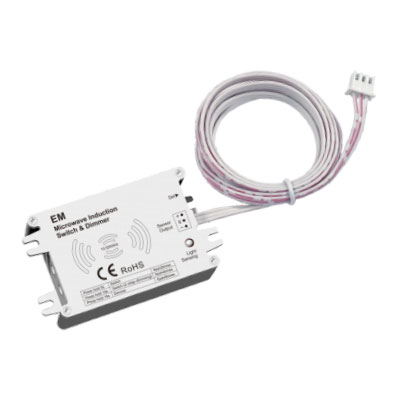
- Microwave sensor with high sensitivity and accuracy, suitable for commercial workspaces
- Supports both low voltage and line voltage operation
- Supports 0-10v and PWM lighting systems and dimming
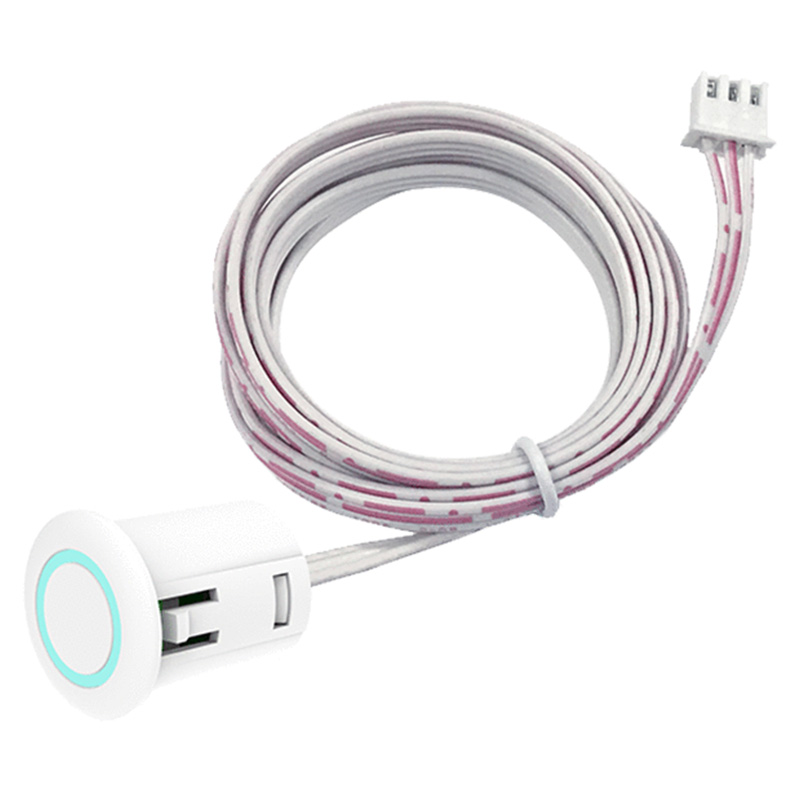
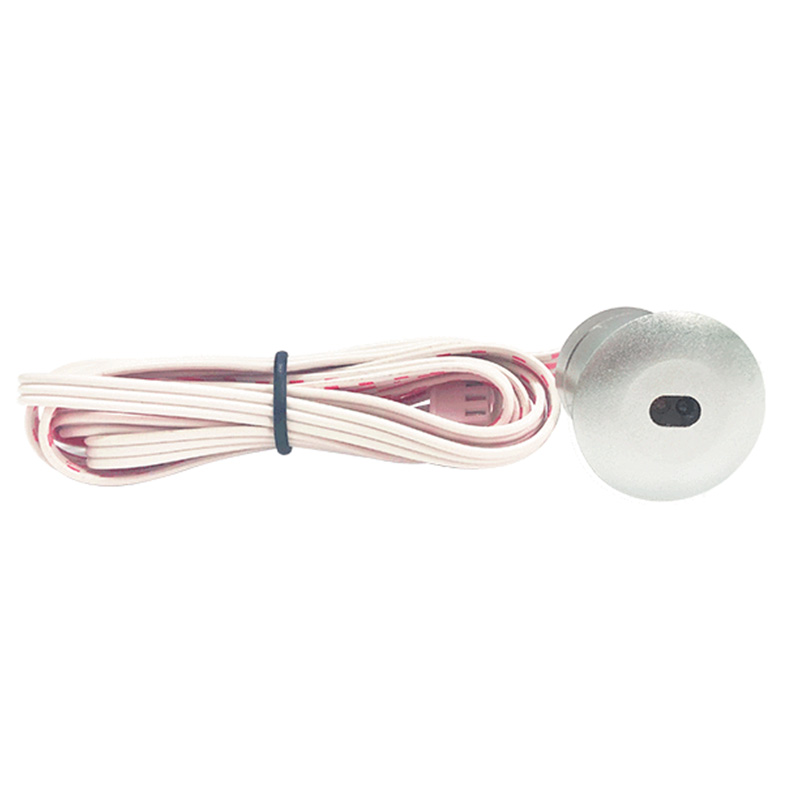

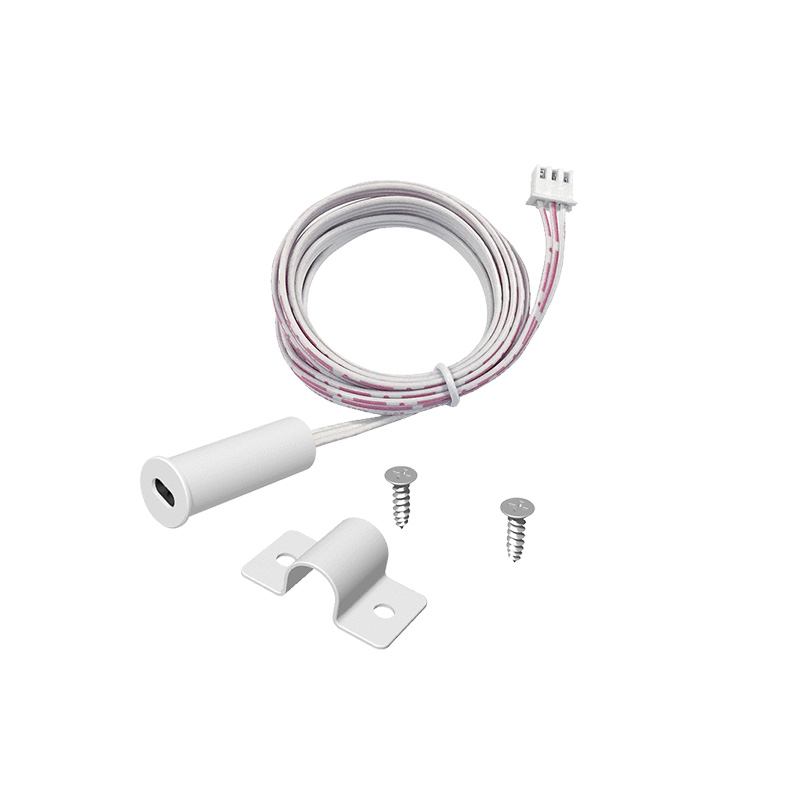
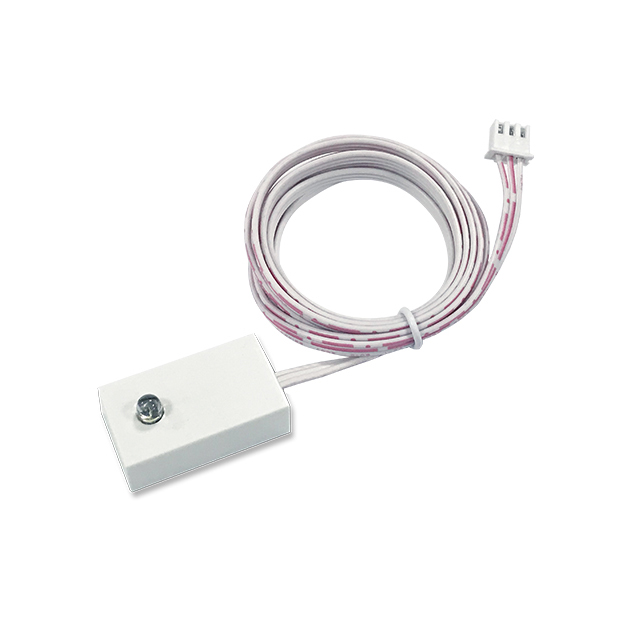
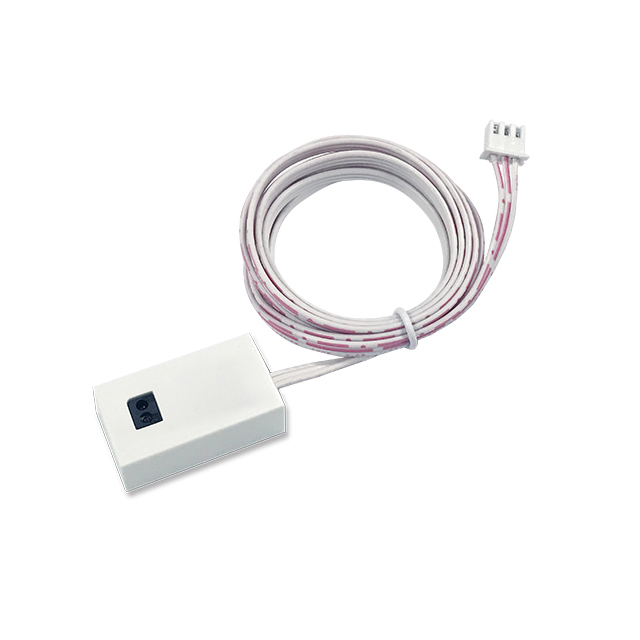
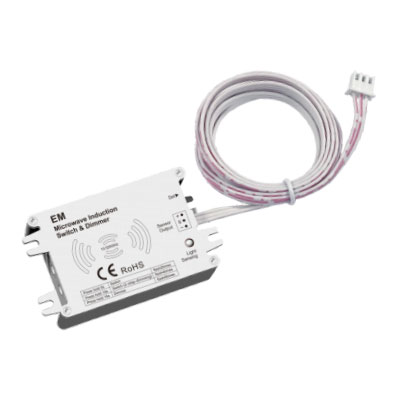
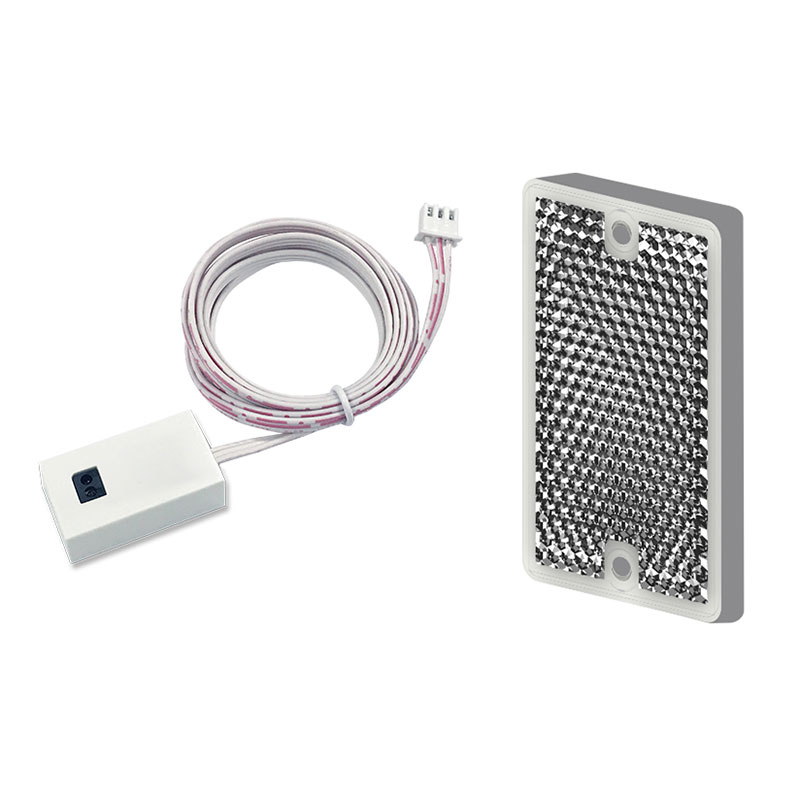
ED-C 5VDC PWM Signal Output Aluminum Door Trigger Sensor Head
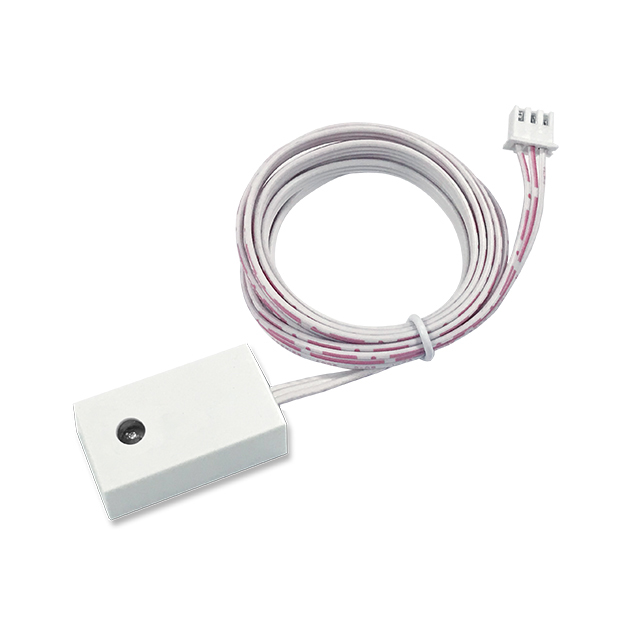
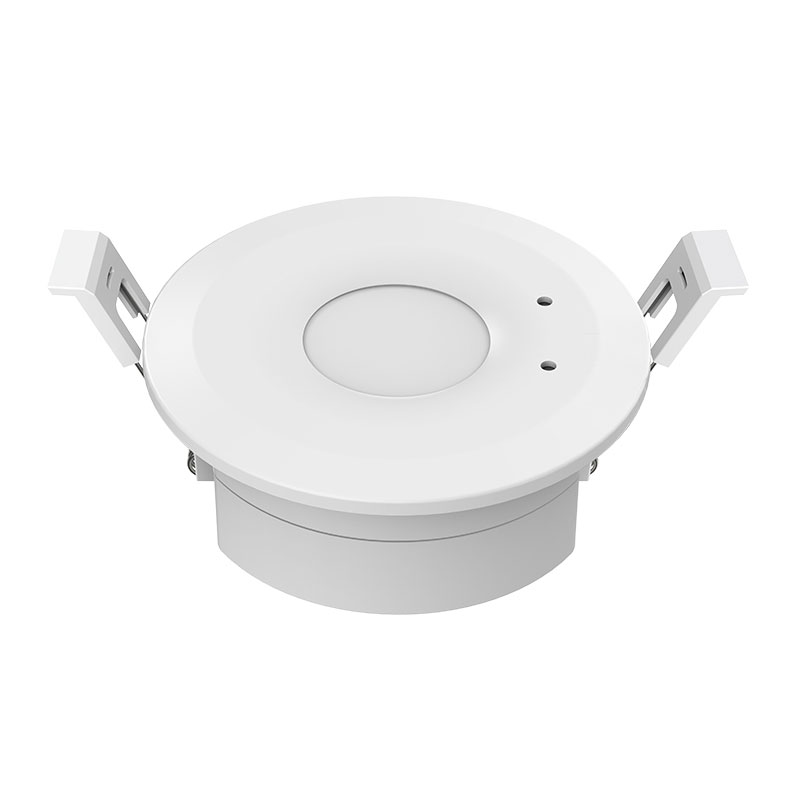

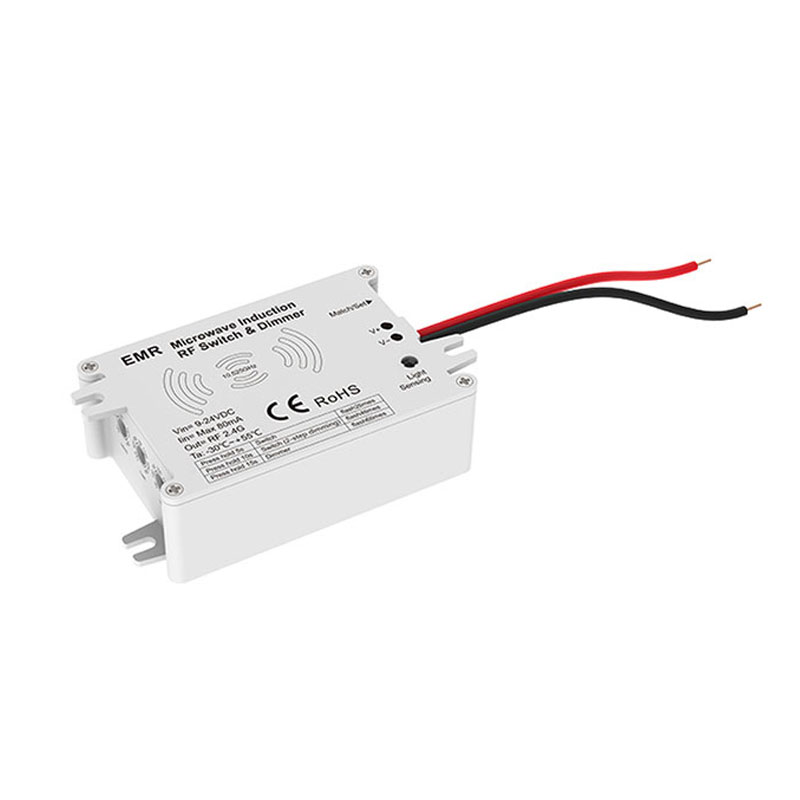
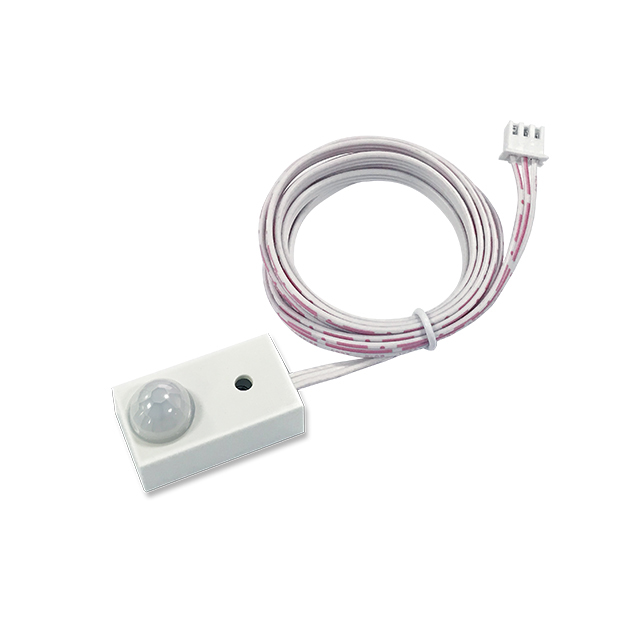
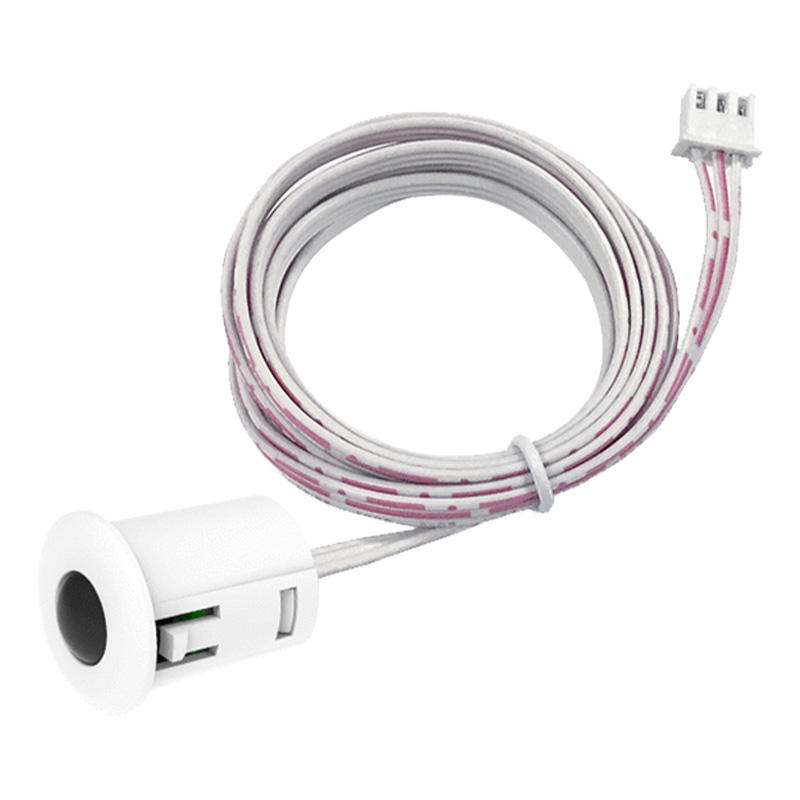

ES32 PIR Motion Sensors (2-Pack) - Universal Human Body Detection

FAQ About Sensor Switches
Answers from our application engineers on wiring, detection methods, and controller compatibility for low-voltage and line-voltage sensor switches.
A sensor switch is an automated control device that turns LED strip lights on or off by detecting motion, touch, proximity, or door movement. Instead of requiring a mechanical wall toggle, it uses an internal sensing head—such as passive infrared (PIR), 10.525GHz active microwave radar, or an optical reflection beam—to toggle the electrical circuit or send a low-voltage pulse to a secondary controller. In 12V and 24V LED tape installations, the switch wires between the DC power supply and the strip, or feeds a 5V signal into a dedicated driver to switch the lights smoothly without manual contact.
A microwave sensor switch detects physical movement by emitting 10.525GHz high-frequency radar waves, which penetrate glass, plastic, acrylic, and thin wood millwork. In contrast, passive infrared (PIR) requires an unobstructed line of sight because it only senses moving thermal differentials across its segmented Fresnel lens. If you want a completely invisible installation hidden inside a cabinet, display case, or ceiling cove, microwave is the right tool. However, because radar passes through thin partition walls, you must tune its detection range to prevent false triggers from adjacent rooms.
Wiring a 5V sensor switch straight to a 12V or 24V LED strip will destroy the internal sensor IC immediately. Compact trigger heads like our ER-A, ED-C, and EB-C operate strictly on a 5VDC logic rail and output a 5V PWM trigger signal meant for master controllers such as the ES32 stair light unit, not for driving high-current tape loads directly. To switch a 12V or 24V tape run, you need a sensor switch with a wide-voltage DC input (such as 12–24VDC rated for 3A to 5A) or you must route the 5V sensor output into a compatible controller.
A microwave sensor for LED lights operates at 10.525GHz, and those high-frequency radio waves pass easily through hollow interior drywall, wood paneling, and glass. If the detection radius is set to maximum (often 8 to 12 meters), the unit easily detects walking occupants in the hallway outside or trees swaying outside a window. To stop ghost switching, dial back the detection area DIP switch to 50% or 25%, reorient the sensor antenna away from shared partition walls, or increase the ambient daylight threshold so it only operates in total darkness.
For clean, hands-free dimming, a concealed optical hand-sweep sensor switch or a two-step microwave dimming switch provides dependable control without mechanical wall switches. Holding your hand 2 to 6 cm above a sweep sensor smoothly ramps LED strip lights up or down from 1% to 100% PWM duty cycle without physical contact. For overhead lighting, two-step microwave switches like the EH-M hold full brightness while movement is present, step down to 10% standby brightness after your selected delay, and shut down after a standby period. We stock 18 models in this sensor switch category to cover both direct surface mounting and hidden millwork.
A concealed touch sensor switch like the EW works through non-conductive dielectric materials, including wood and glass up to 20 mm thick, but it will not operate through stone or granite. Natural stone contains mineral densities that ground out the capacitive field, and any metallic surfaces will short the sensor circuit completely. When installing in wood cabinetry, mill a shallow pocket on the reverse side of the panel so the sensor face sits within 3 mm to 5 mm of the front surface, allowing responsive capacitive touch through the veneer without exposing any visible hardware.
An AC line-voltage sensor switch such as the EH-M is rated for 100–240VAC input with a maximum relay switching capacity of 1.5A to 2.0A, which equals roughly 200W to 400W of LED driver load. Even though an LED driver might only draw 100W under steady state, its inrush current can spike to 30A or 50A for several milliseconds when charging internal capacitors. If your cumulative driver load exceeds 300W on a 120V circuit, wire the sensor switch output to an external contactor or relay rather than switching the drivers directly through the sensor.
A built-in light sensor measures ambient lux levels continuously, preventing the occupancy detector from firing whenever ambient daylight exceeds your chosen threshold. On units like the EH-M and EMR, you can set the lux threshold to 10 lux, 30 lux, or disable it completely. When set to 10 lux, the LED light switch remains inactive during bright daylight even if someone walks directly underneath it. Once the sun sets and ambient room light drops below 10 lux, the motion circuit unblocks itself and triggers the LED strip lights instantly upon movement.
This happens when you wire a normally open (NO) sensor circuit instead of a normally closed (NC) door contact logic. Door trigger switches like the ED and ED-C use infrared reflection or magnetic contact: when the cabinet door closes, an obstacle sits within 10 cm of the sensor, which tells the switch to open the circuit and kill the light. If your lights turn off upon opening, verify whether your model features an NC/NO selector dip switch, or ensure the sensor head lens is not pointed at a fixed inner divider that mimics a closed door.
A low-voltage sensor switch acts primarily as a binary on/off or step-trigger device, whereas dedicated sensor dimmers (we stock 27 models in that sibling range) carry integrated high-amperage MOSFETs for continuous, stepless brightness modulation across 12V and 24V tape runs. Many sensor switches—particularly our 5V models—do not regulate strip current directly; they merely pass a low-power control pulse to an external receiver or multi-channel controller. If your setup requires holding a specific 40% backlight level without an extra controller in line, a dedicated dimmer is the appropriate choice.
Yes, a hybrid unit like the EH-M(WZ) Zigbee microwave sensor bridges local RF 2.4G hardware and Tuya Zigbee 3.0 ecosystems effortlessly. In addition to switching local line-voltage fixtures and providing a 0-10V dimming output, it broadcasts occupancy status to your Zigbee gateway. That allows you to trigger automated automation scenes—such as brightening adjacent hallway LED strip lights, adjusting smart wall dimmers, or activating accent cove lighting across an entire floor. If local internet drops, the hardwired 0-10V line and direct RF remote links continue operating without delay.