
SK6812 RGBW LED Strip
39 products
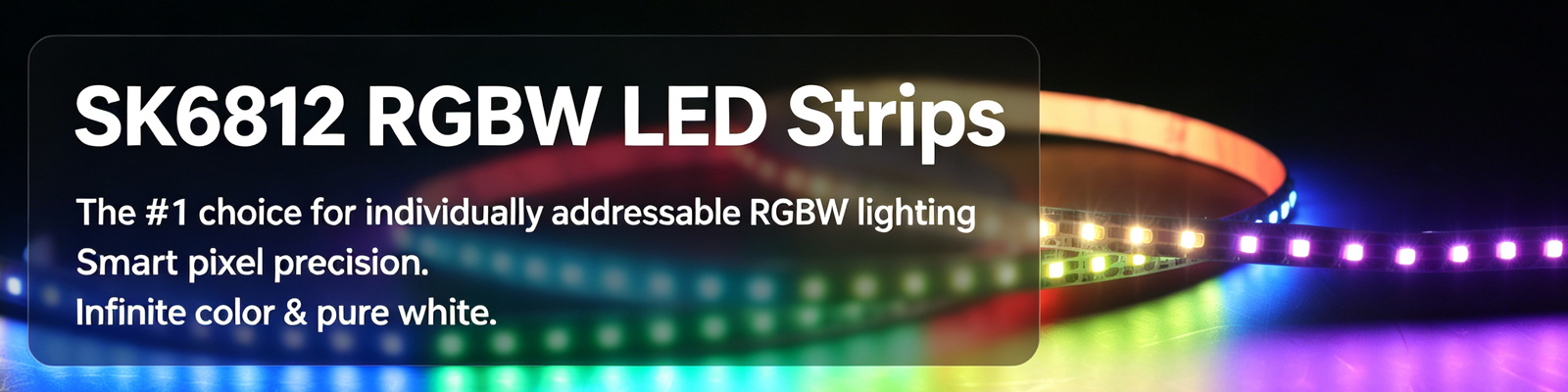
SK6812 RGBW is one of the most common and widely compatible addressable RGBW LED strips. Each LED of the SK6812 RGBW LED Strip integrates four light sources - red (R), green (G), blue (B), and white (W) - which are digitally controlled to provide various color patterns of the RGBW lights. With the addition of a separate 3000K 4000K or 6000K white light channel, the SK6812 RGBW strip provides a higher quality white light than addressable RGB strip, and also greatly enriches the color mixing options. The LED lighting programming capabilities of the SK6812 RGBW far exceed those of standard RGBW color-changing lights.
• 5V SK6812 RGBW: Individually programmable neopixel digital rgbw led strip, short run distances
• 12V SK6812 RGBW: individually programmable or 3 lights controlled by one IC, long running distance
• 24V SK6812 RGBW: individually programmable or one IC to control 6 lights, ultra long run distance up to 10 meters and 15 meters
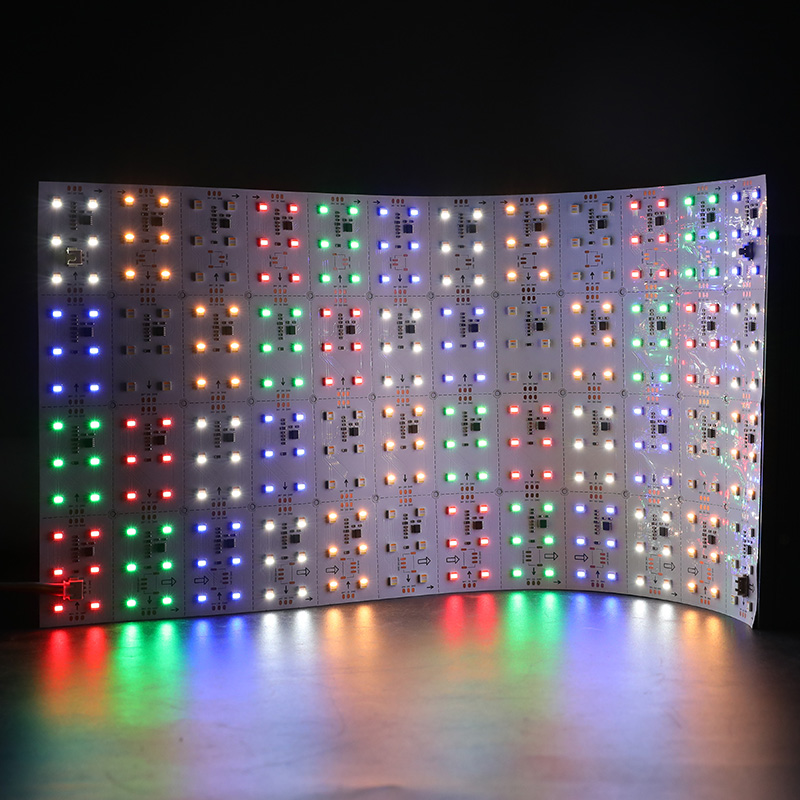
WS2805 Digital 5-in-1 RGBCW LED Matrix Light Sheet 1.24FT²
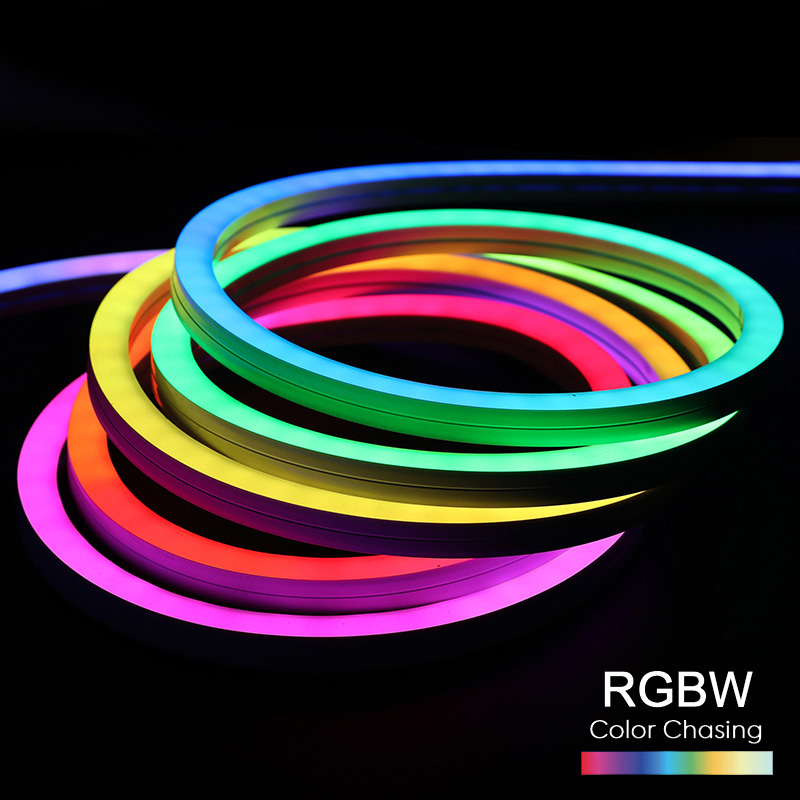
12V Individually Addressable RGBW IC Custom Neon Flex LED Strip
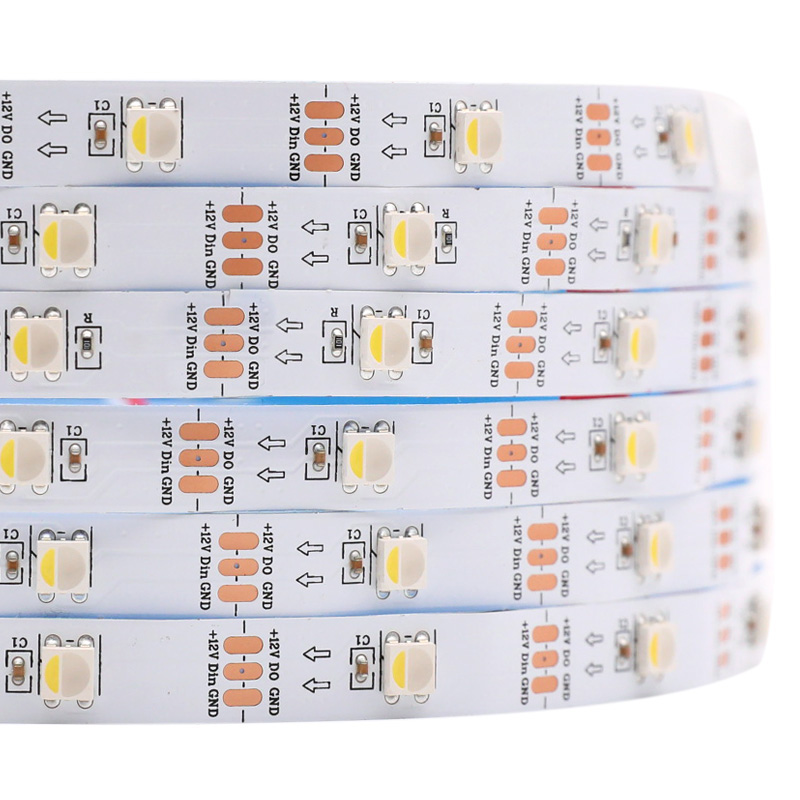
12V SK6812 150 Pixels Individually Controlled RGBW LED Strip
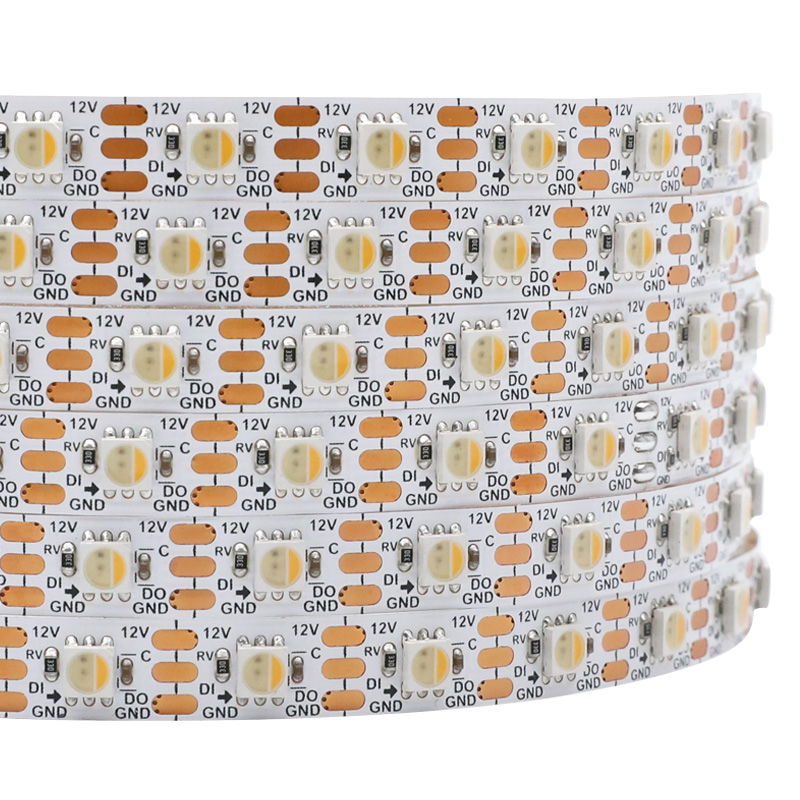
DC12V 16Ft Long SK6812 RGBW Individually Controllable LED Strip Lights
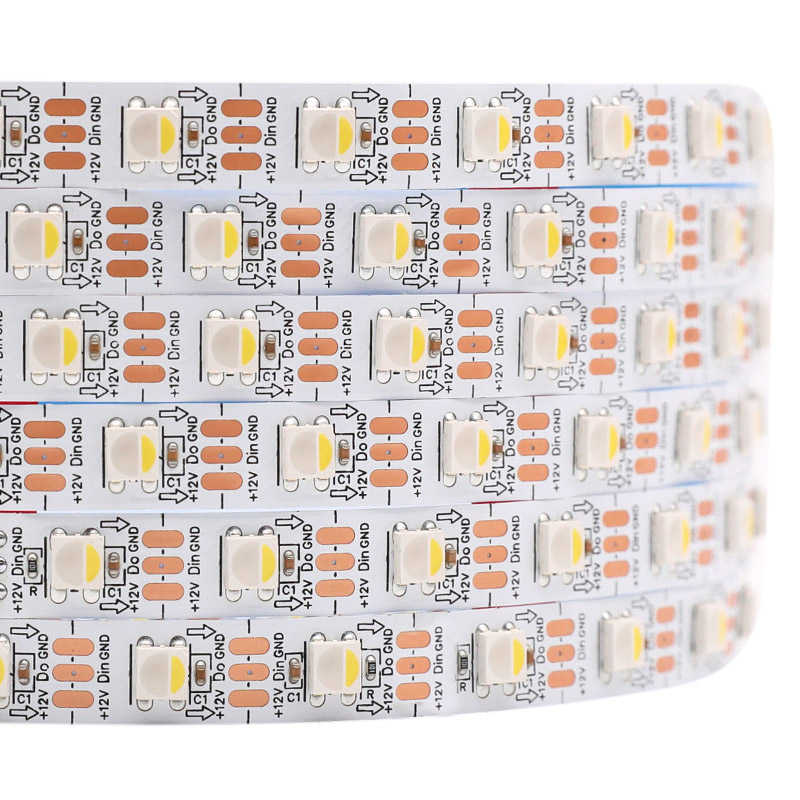
12V SK6812 300 Pixels Individually Controllable RGBW LED Strip
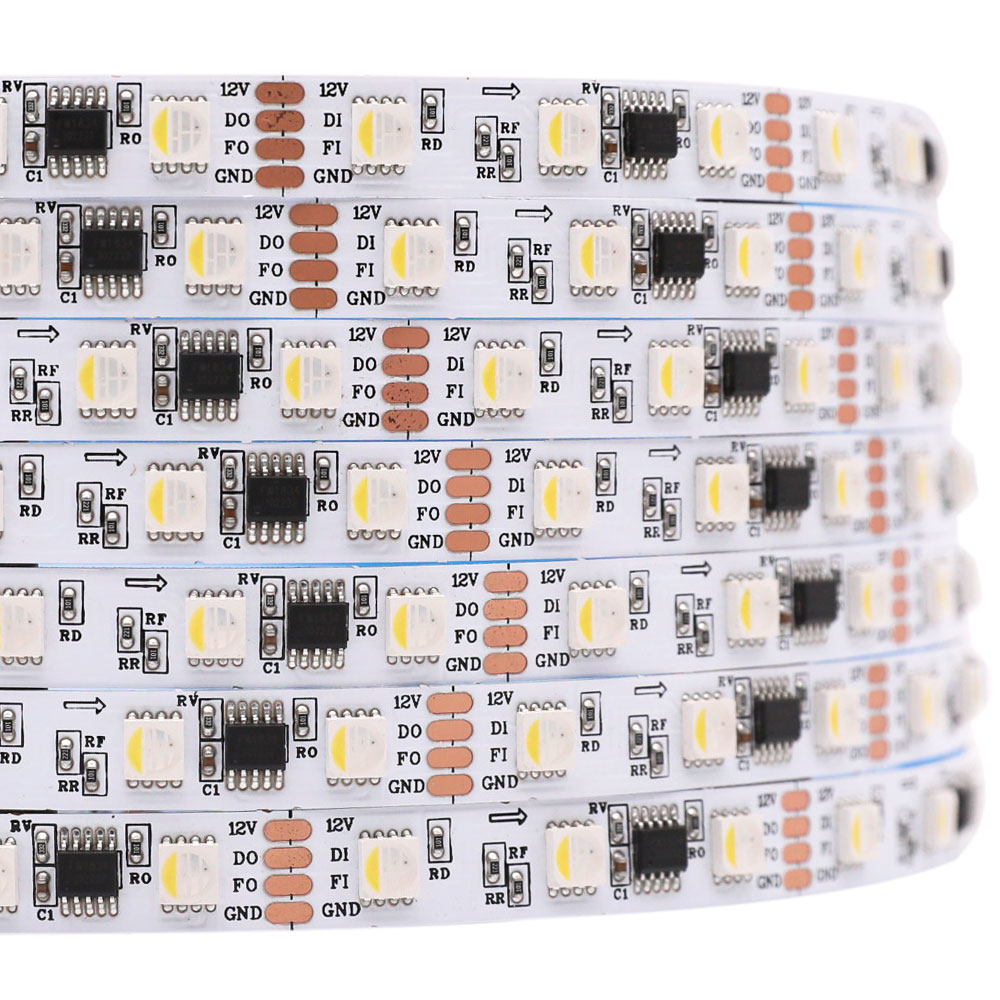
12V SK6812 Digital RGBW LED Strip Light Breakpoint Resume
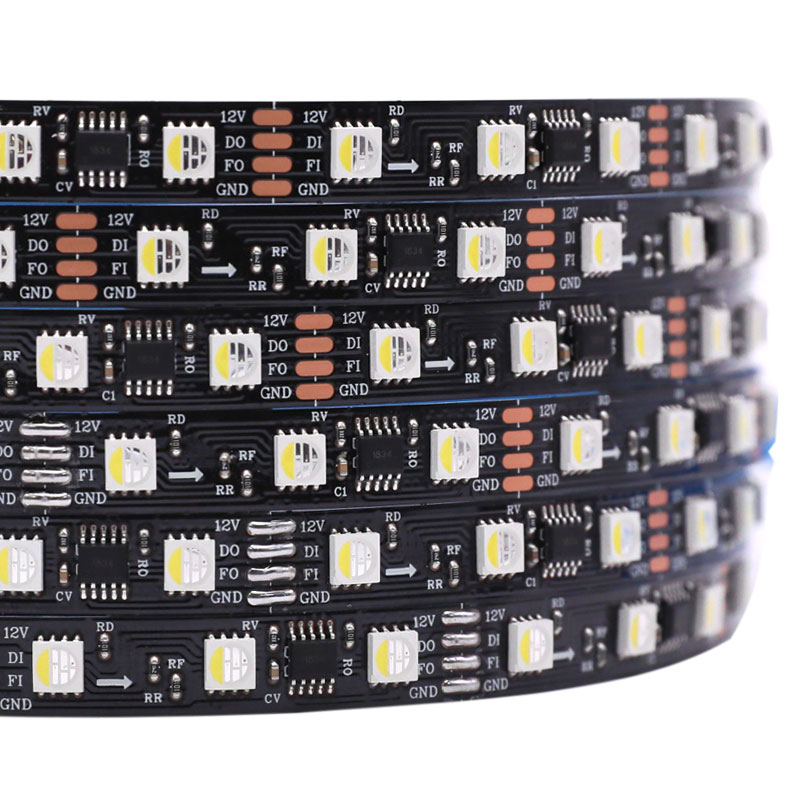
Black PCB SK6812 Dual Data Signal Pixel RGB+W LED Strip
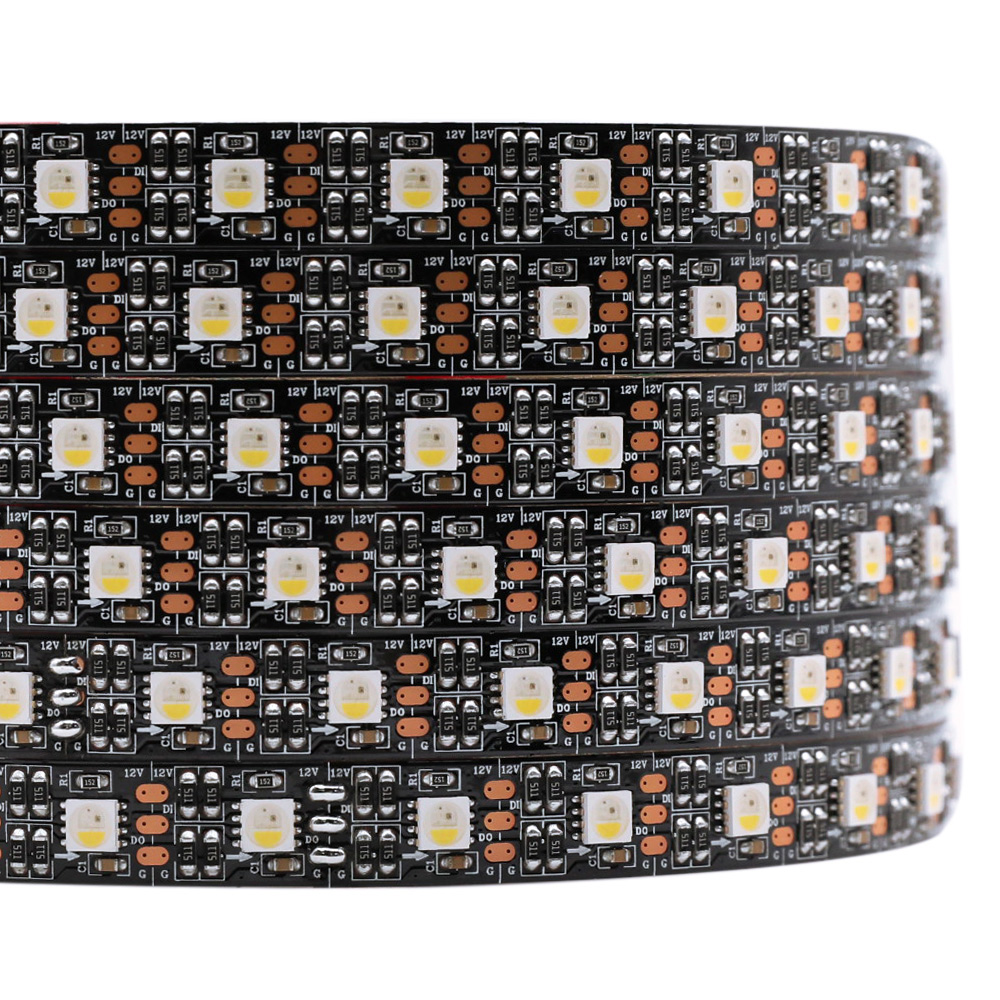
DC12V SK6812 Individually Addressable RGBW LED Strip Light
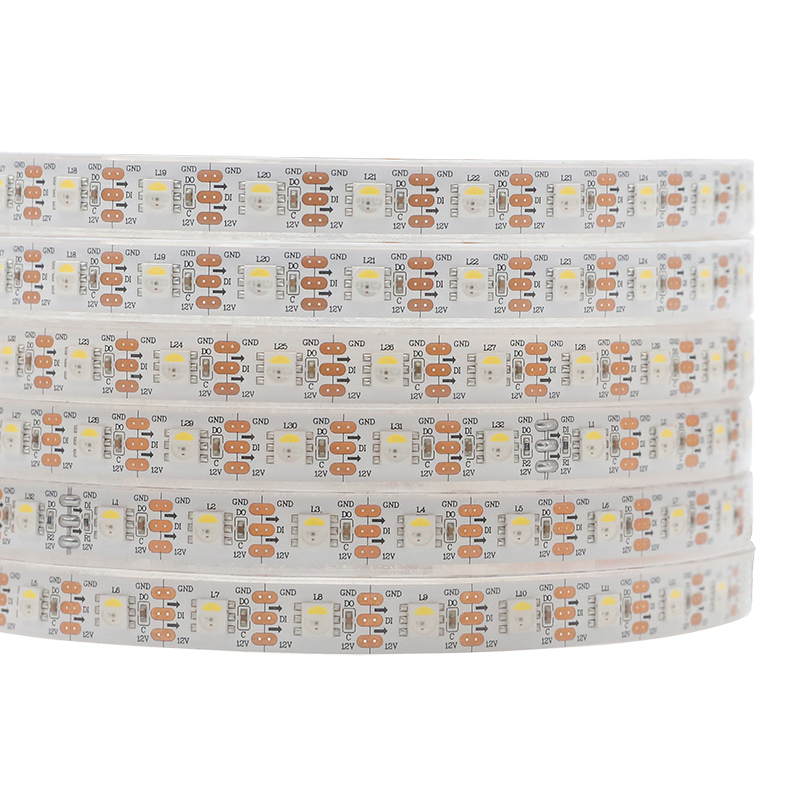
SK6812 Independently RGBW LED Strip (12V 64/m 10mm)

12V SK6812 Addressable LED Strip RGBW Lights Black Color PCB 96 LEDs/m
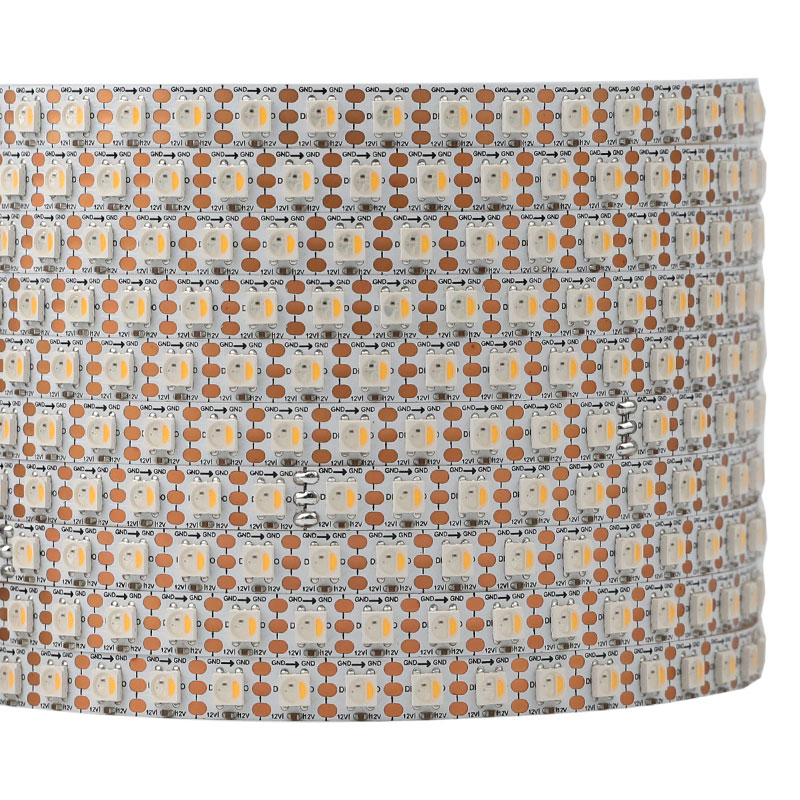
96 High Density 12V SK6812 RGBW Individual LED IC Strip Lights (480 Pixels)
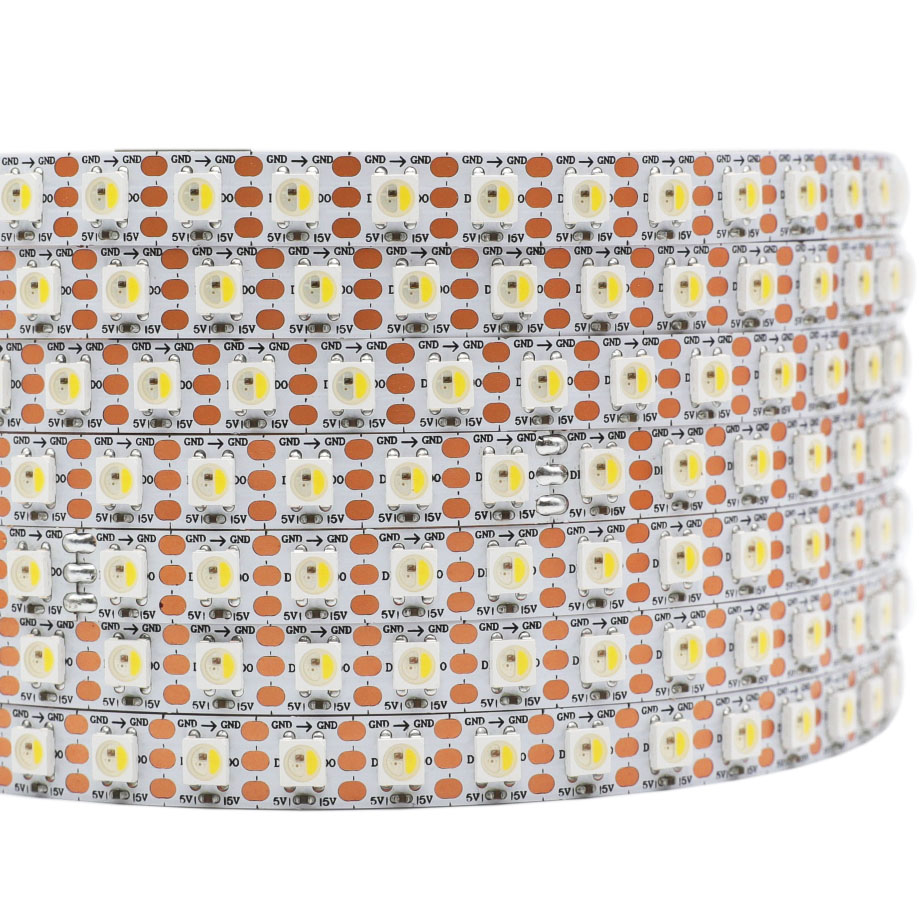
SK6812 RGBW/WWA 96LEDS/M DC5V 10MM-Wide Digital Intelligent Addressable LED Strip Lights - 5m/16.4ft per roll
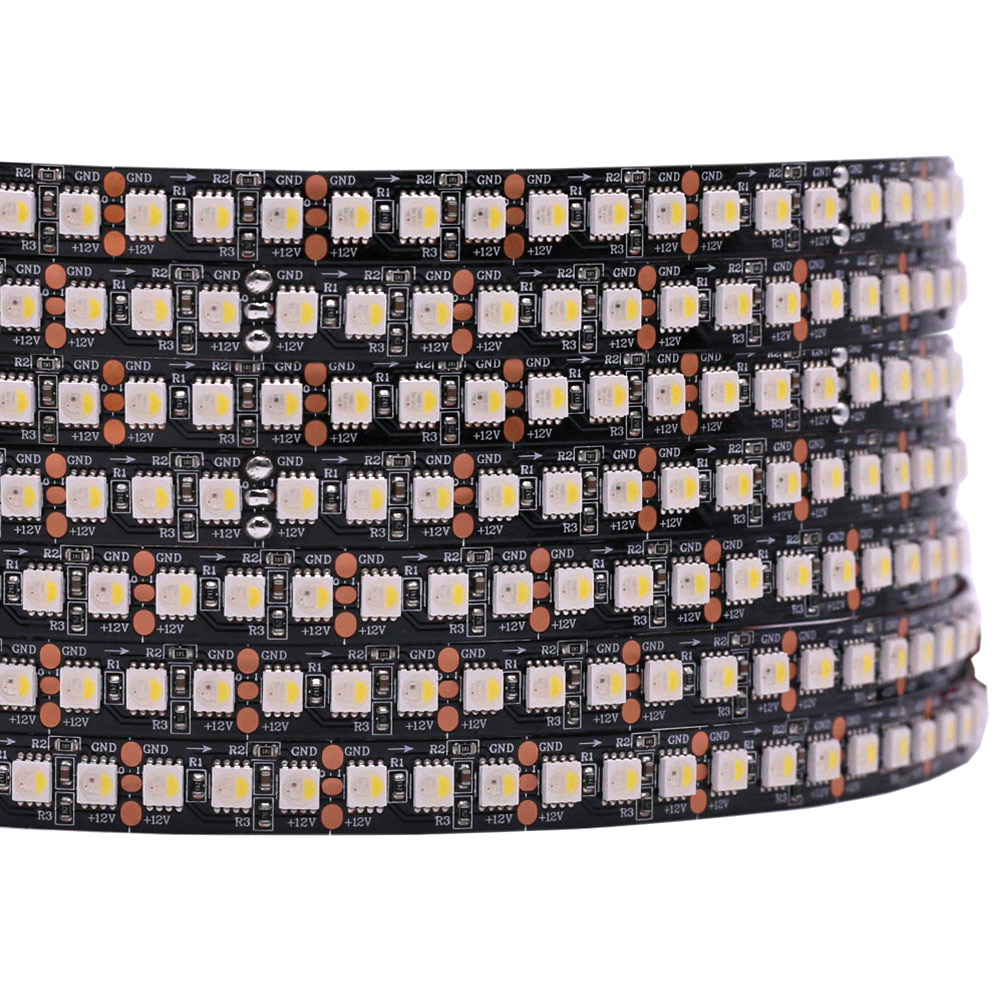
SK6812 4 In 1 DC12V Digital Addressable RGBW Pixel LED Color Changing Strip Lights Full Color
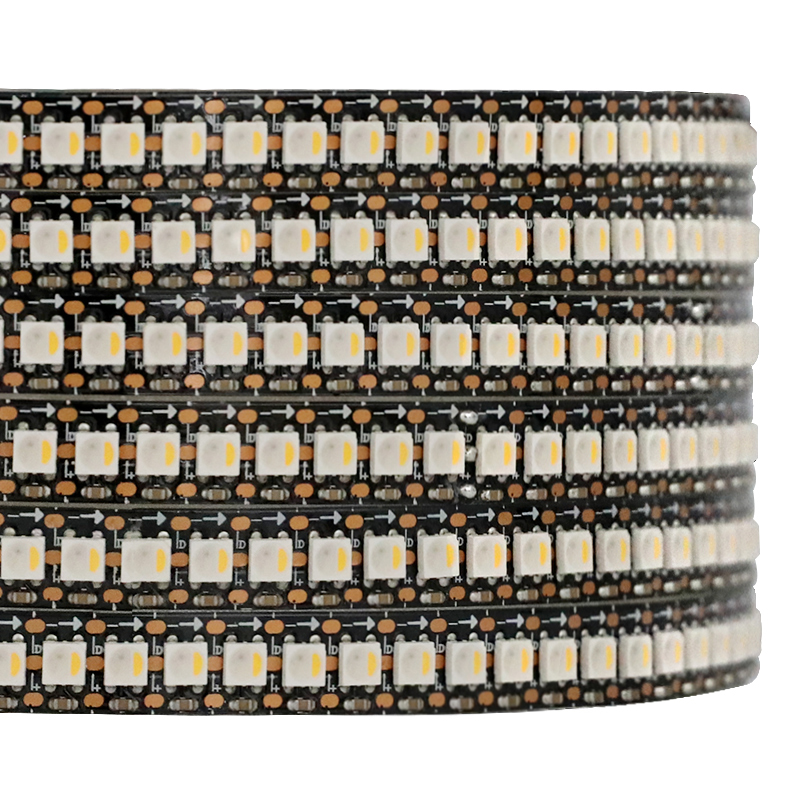
12V SK6812 Smart RGBW LED Strip Addressable per LED 144 LEDs/m
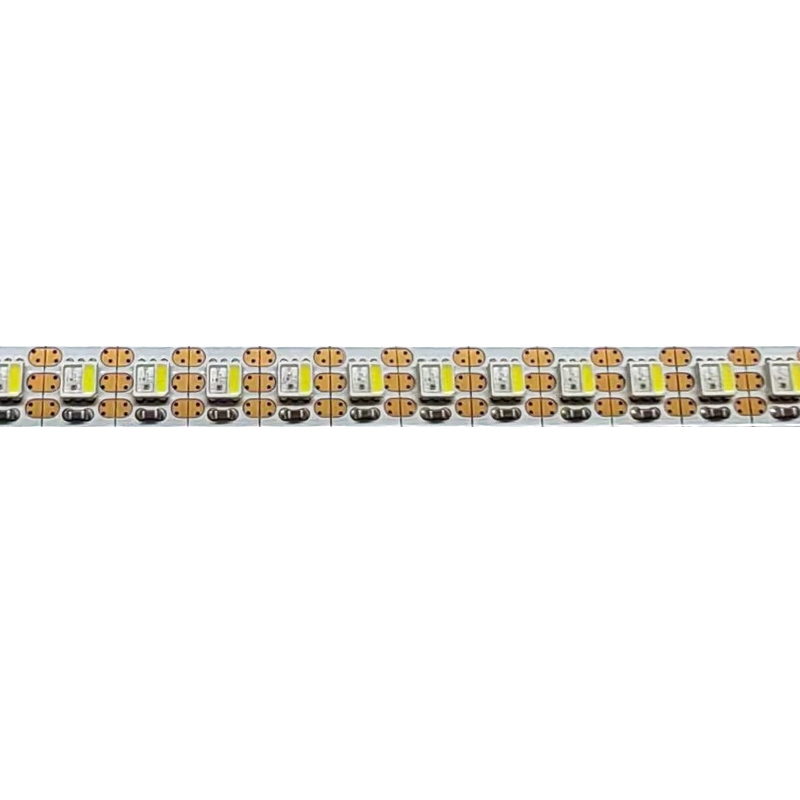
SK6812 Mini 3535 RGBW LED Tape Light - 144/m Pixel Density, 5V Addressable
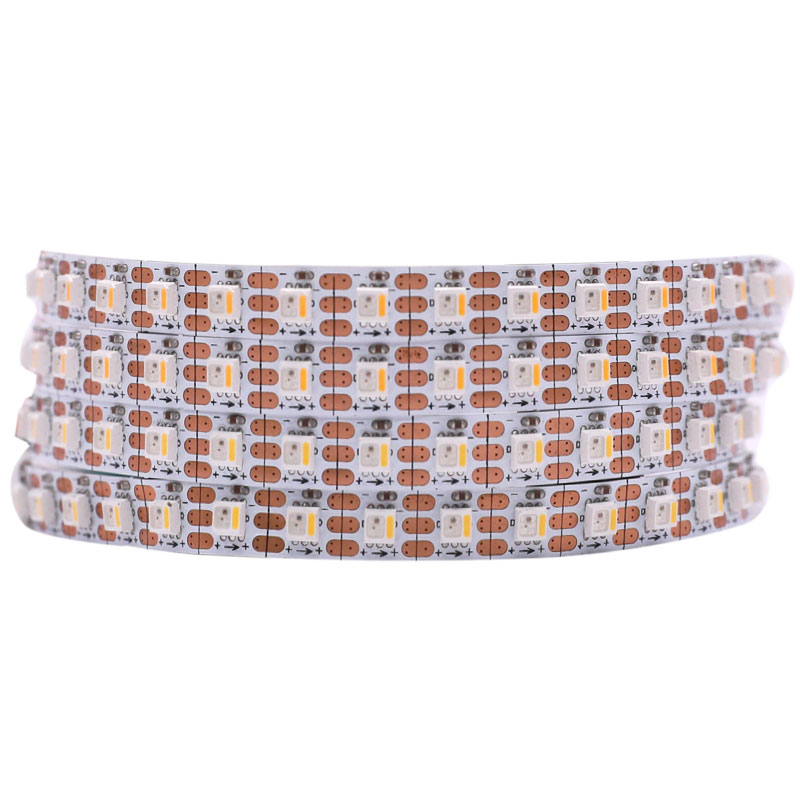
120LEDs/m SK6812 RGBW Individually Addressable LED Strip Light
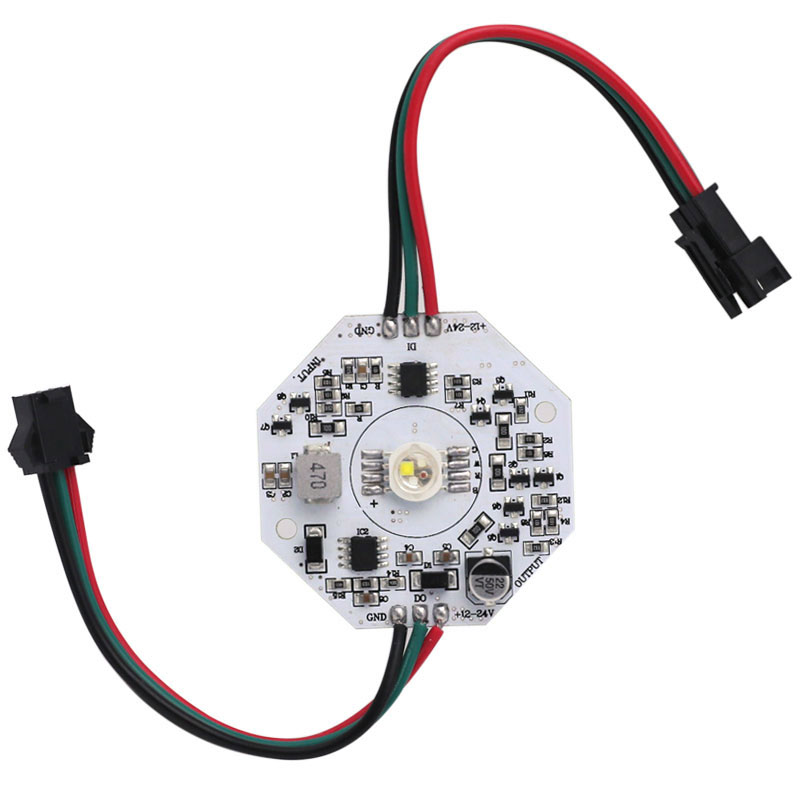
DC12-24V 4W High Power Digital SK6812 LED RGBW Pixel Light
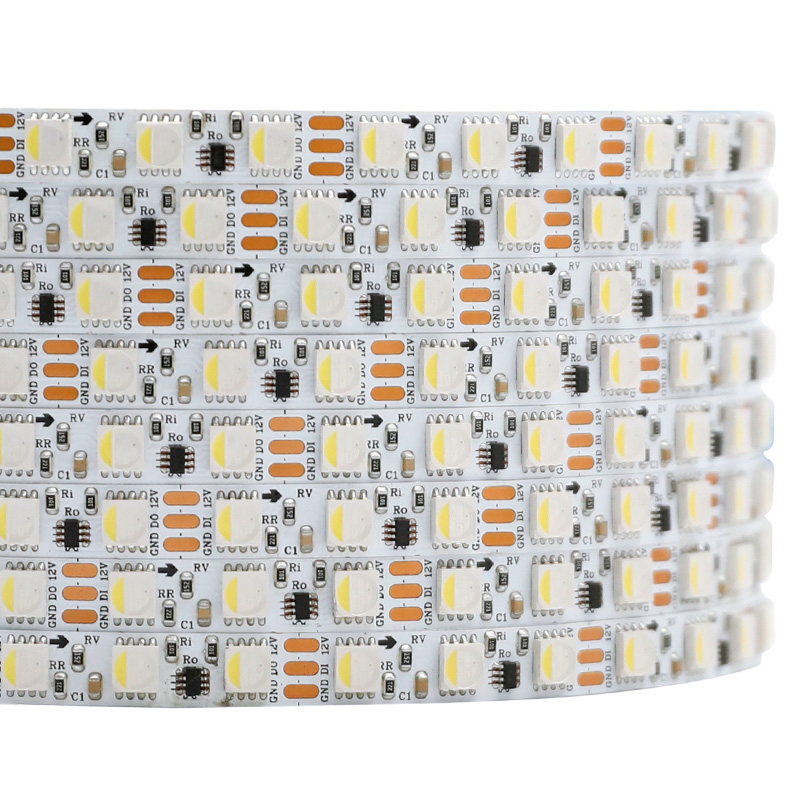
DC12V TM1824 SK6812 RGBW Narrow Addressable LED Strip Light 8mm Width
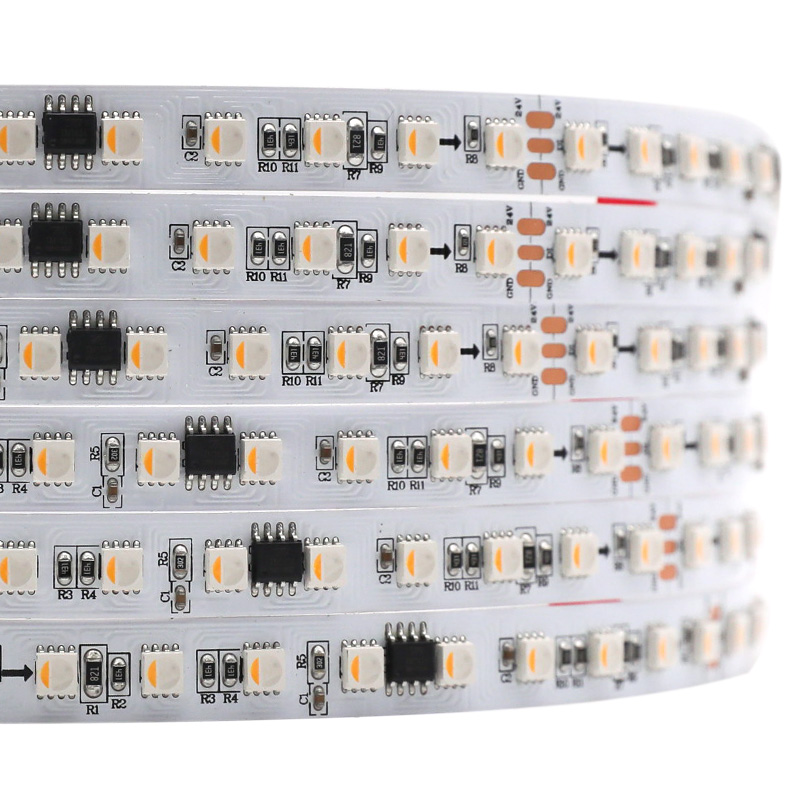
10m No Voltage Drop SK6812 4040 RGBW Addressable LED Strip
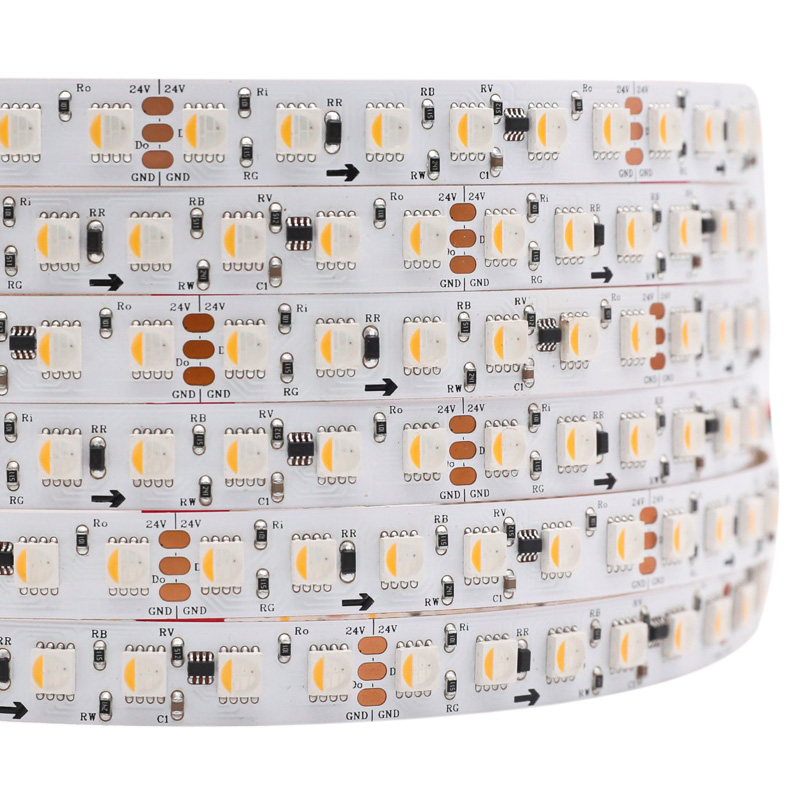
Higher Density TM1824 RGBW 24V LED Strip Addressable
Are all built-in SK6812 IC RGBW light strips individually addressable?
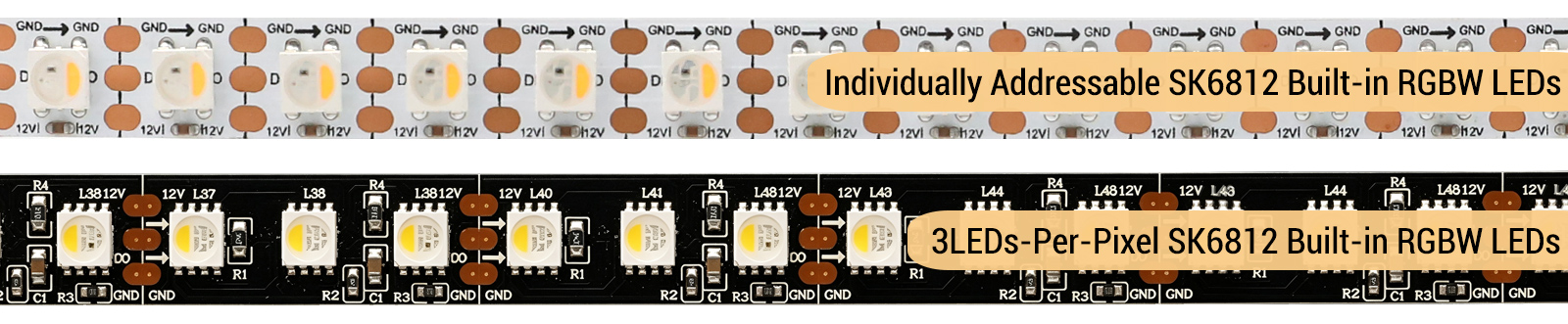
Most RGBW light strips with built-in SK6812 ICs are indeed individually addressable, with each SMD5050 or SMD3535 LED containing its own IC chip.
However, some special models use a design where a single built-in SK6812 IC controls three RGBW LEDs. As a result, although they still have a built-in IC, the number of IC pixels is reduced by one-third, leading to lower IC power consumption.
SK6812 RGBW vs. TM1814 RGBW vs. TM1824 RGBW vs. SM16704 RGBW
The key differences among these addressable RGBW LED strips lie in their IC architecture and protocol compatibility:
SK6812 RGBW features an integrated (built-in) IC embedded directly inside the LED package, allowing for single-pixel control per LED. TM1814 RGBW, TM1824 RGBW, and SM16704 RGBW all utilize external ICs mounted separately on the PCB, which are commonly configured with pixel-cut segments (e.g., 3 or 6 LEDs per IC).
SK6812 RGBW, TM1824 RGBW, and SM16704 RGBW share similar standard single-data-line control protocols, making them broadly compatible with most common pixel controllers. In contrast, TM1814 RGBW uses a unique/specialized control protocol (often utilizing non-inverted signal timing or specific data sequencing), which can cause compatibility issues with standard universal addressable LED controllers.
SK6812 RGBW LED Strip — Your Questions Answered
Got questions about setting up your SK6812 RGBW pixel strips? I've been answering these for 12 years. Here are the things that trip people up the most.
An SK6812 RGBW LED strip gives you a dedicated white channel, which is a huge deal. Standard RGB strips make 'white' by mixing red, green, and blue at full power, which often looks bluish or pinkish and just... off. With RGBW, you get a true, clean white light in your choice of 3000K, 4000K, or 6000K. This is way better for task lighting or when you just want a simple, high-quality white light without sacrificing the color effects.
Voltage drop is the enemy here. For a 12V SK6812 RGBW LED strip, you can typically run a single 5m (16.4ft) reel before you'll see the brightness and colors fade at the far end. With 24V, you can often push that to 10m. For anything longer, you have to inject power at the start and end of the run, or every 5-10m depending on the voltage. Don't try to power a 15m run from one end; it won't work.
That's classic voltage drop. The power from your supply just isn't making it all the way to the last LED with enough voltage to run it properly. The red diodes need the least voltage, so you'll often see the end of the strip turn reddish as the blue and green ones fail first. The fix for your 5m led strip is to run a separate pair of power wires from the power supply to the end of the strip, injecting power at both ends. Our guide to long LED runs covers this in detail.
Yes, but with a big catch. SK6812 uses the same timing protocol as the WS2812B, so the data signal is compatible. However, a controller built for a 3-channel RGB strip (like a WS2812B) won't know what to do with the 4th white channel on your SK6812 RGBW LED strip. You'll get RGB color control, but you won't be able to control the white channel independently. You need a dedicated RGBW addressable controller to get full functionality.
To size a power supply for a 5m led light strip, you need to check the strip's wattage per meter (W/m) on the product page. Multiply that number by the total length in meters (5m), then add a 20% safety margin. For example, if a strip is 14.4W/m, the calculation is 14.4W/m * 5m * 1.2 = 86.4W. In this case, you'd need a power supply rated for at least 87W, so a 100W unit would be a safe choice.
They're an excellent choice for custom kitchen island lights, specifically because of the dedicated white channel. You can have vibrant color-chasing effects for parties, then switch to a high-quality, functional white light for cooking or homework. For the best results, install the SK6812 RGBW strip inside one of our deeper aluminum channels with a frosted diffuser. This blends the light from the individual LEDs, preventing distracting dots of light from reflecting on your countertop.
This usually happens when your controller software is set to RGB mode and tries to make white by mixing Red, Green, and Blue, ignoring the dedicated white (W) channel. You need to go into your controller settings (like WLED, ESPHome, or whatever you're using) and configure it for 'RGBW' strips. Once the software knows there's a fourth channel for white, it will use the correct LED for a pure white light and fix the color mixing.
For a reliable outdoor 24v RGBW LED strip lights installation, start with an IP67 or IP68 rated strip. At every connection point, you must use waterproof connectors and seal them with silicone adhesive and heat shrink tubing. Don't rely on the standard clip-on connectors. For power, you'll need an IP67-rated waterproof power supply. Remember to inject power every 10 meters or so to avoid voltage drop, and make sure those injection point connections are also fully waterproofed.
An 'individually addressable' RGBW LED strip 12V has a tiny IC chip for every single LED, meaning you can control the color and brightness of each light completely independently. This gives you the smoothest gradients and most detailed effects. A '3-LED control' strip groups three LEDs into one controllable pixel. You can still create chasing effects, but the resolution is lower. We use this method on some 12V strips to make them more robust against voltage drop.
The data line carries almost no current, so you can use a thin 22AWG or 20AWG wire for it. Power is a different story. For power injection lines on a 5m run, you should use at least 18AWG wire to prevent the wire itself from causing voltage drop. If you're running power more than 10-15 feet from the power supply to the strip, go even thicker to 16AWG. Using undersized wire is a very common mistake that leads to dimming and color issues.
First, check the simple stuff. Is the power supply plugged in and turned on? Is the output voltage on your multimeter correct (e.g., 12V)? Second, check the arrows on the strip. The data signal must flow in the direction of the arrows, from the controller to the 'DI' (Data In) pad. Wiring it backward is the most common reason a new 5m rgb light strip won't work. Finally, make sure your controller and strip share a common ground wire.
Yes, absolutely. A huge part of our business is building strips to spec. You can send us a drawing — even a photo of a sketch on a napkin is fine — and tell us you need a 3.7-meter SK6812 RGBW strip with a 2-meter lead wire and a specific JST-SM connector on the end. An engineer here will map it out, send you a parts list and a quote, usually within 12 hours. There's no fee for this, and no obligation to order. Most of the complex projects we ship are custom-built like this.
It's all about the mood you want. 3000K Warm White is cozy and inviting, like the light from an incandescent bulb. It's perfect for living rooms, bedrooms, and restaurants. 4000K Natural White is neutral and clean, great for kitchens, bathrooms, and offices where you need clear visibility. 6000K Cool White is crisp and energetic, almost blueish. It's best for garages, workshops, and commercial display cases where you want maximum brightness and contrast. Think about the primary use of the space.
For higher density strips, yes. An LED tape light needs a channel to act as a heat sink. Without one, the LEDs can overheat, which shortens their lifespan and can cause the colors to shift over time. The channel also provides physical protection and, with a diffuser, it blends the light for a smooth, dot-free look. For very low-density accent lighting it's less critical, but for anything else, I'd consider it essential for a professional, long-lasting install.