
Addressable RGBW Controller
37 products
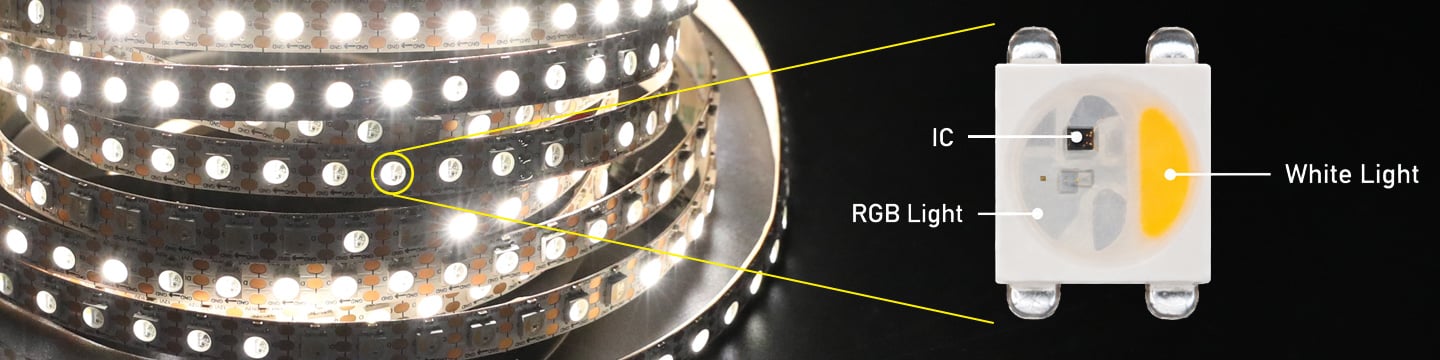
An addressable RGBW LED uses an IC to control four independent color channels: Red, Green, Blue, and White. The additional white channel is an important difference between addressable RGBW lighting and standard addressable RGB lighting, which normally uses only three color channels.
Because the IC protocol and channel data are different, a standard addressable RGB controller is not compatible with an addressable RGBW LED strip. If an RGB-only IC controller is connected to a 4-channel RGBW pixel strip, the controller may be unable to drive the strip correctly. Depending on the IC and protocol, the LEDs may not light at all, may display incorrect colors, or may respond unpredictably.
If your addressable LED strip or fixture uses a 4-channel RGBW IC such as SK6812 RGBW, SM16704, WS2814F, CS8812/WS2815, FW1834/TM1834, TM1824, UCS2904, choose a controller from SuperLightingLED™ Addressable RGBW Controller Series. (Please note: TM1812 and WS2814 use relatively specialized IC protocols, so controller compatibility should be confirmed before purchase.)
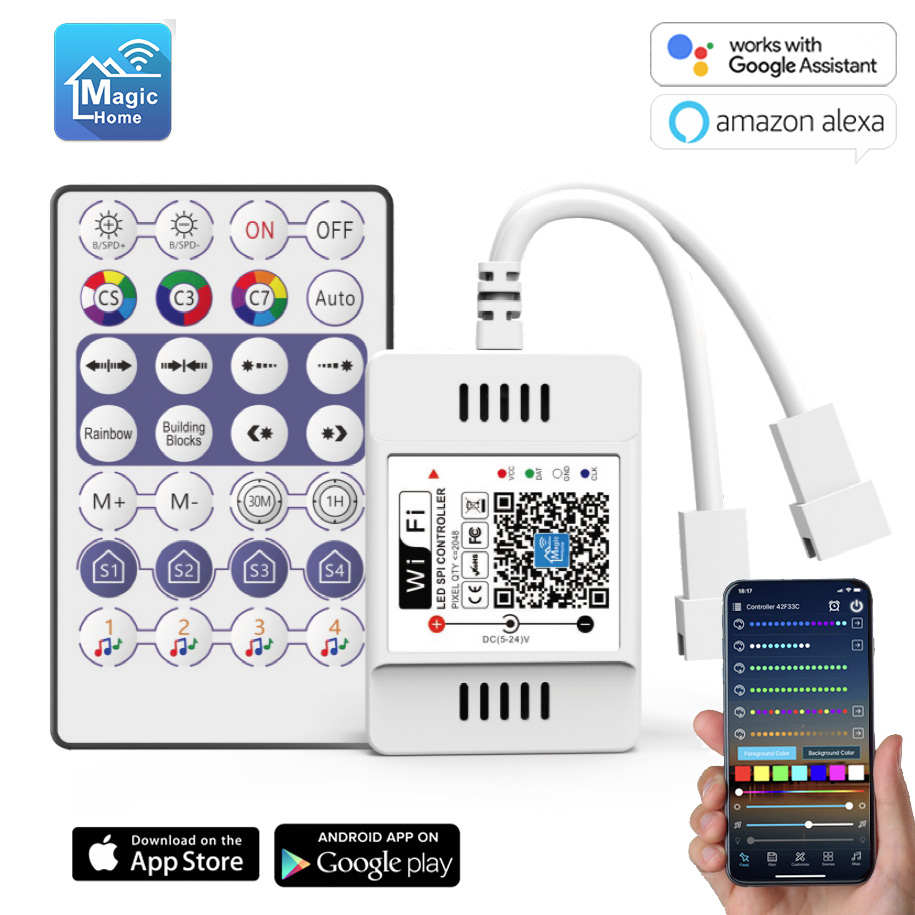
SPI LED Controller WiFi APP + RF Remote Control - 2 Output
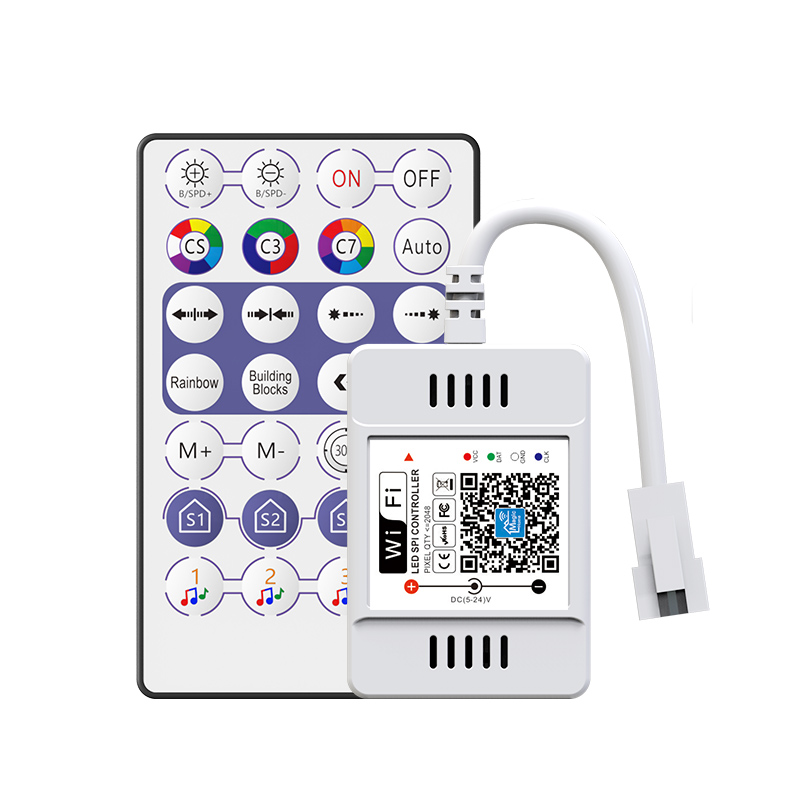
SPI WiFi LED Controller With RF Remote Control Voice Control
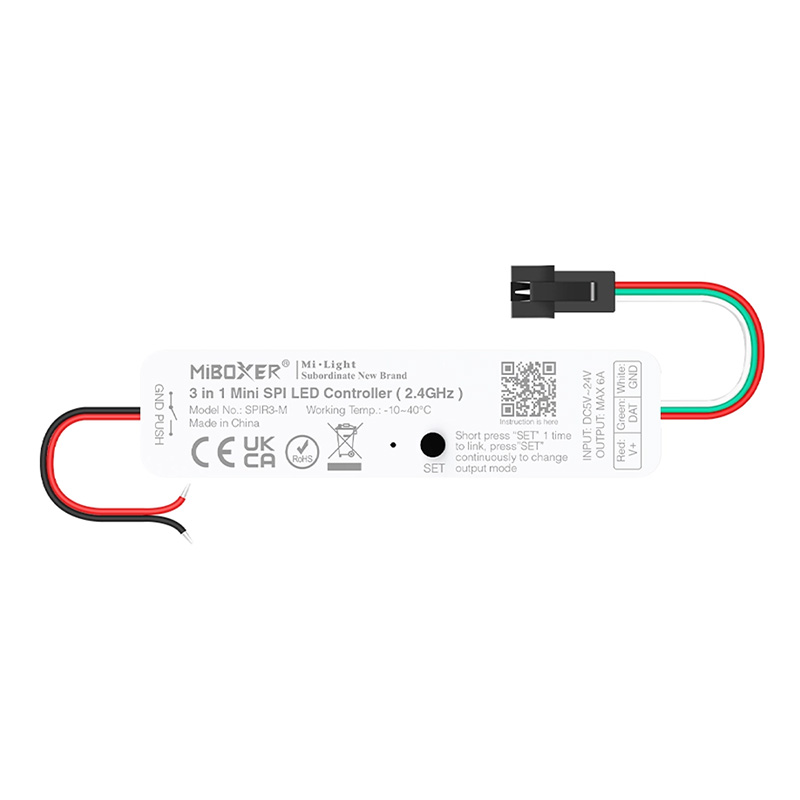
SPIR3-M RF 3 in 1 Dimmable SPI Mini Pixel LED Strip Controller
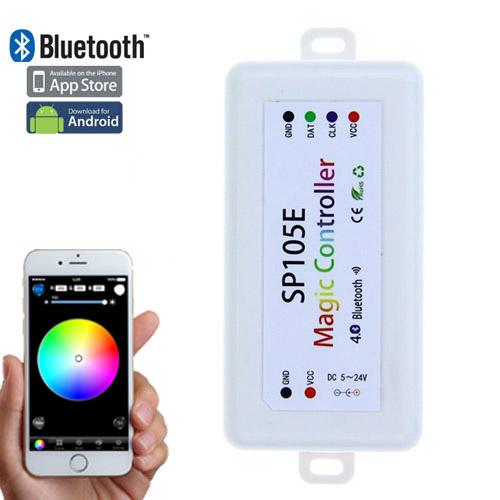
SP105E Dream Color LED Bluetooth Controller
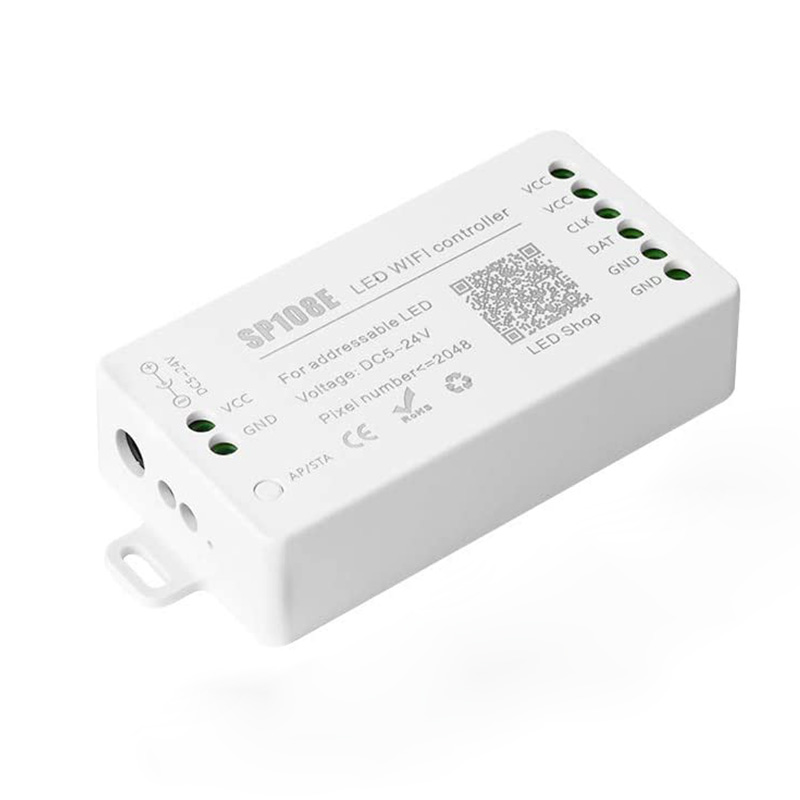
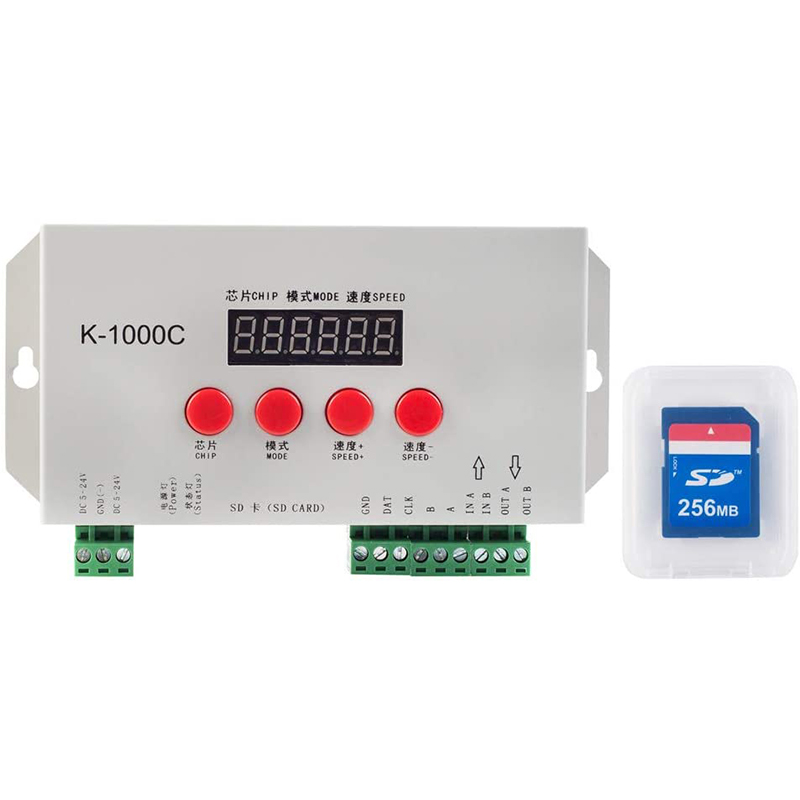
K-1000C Programmable LED Controller - WS2812B APA102C SK6812 | 2048 Pixels
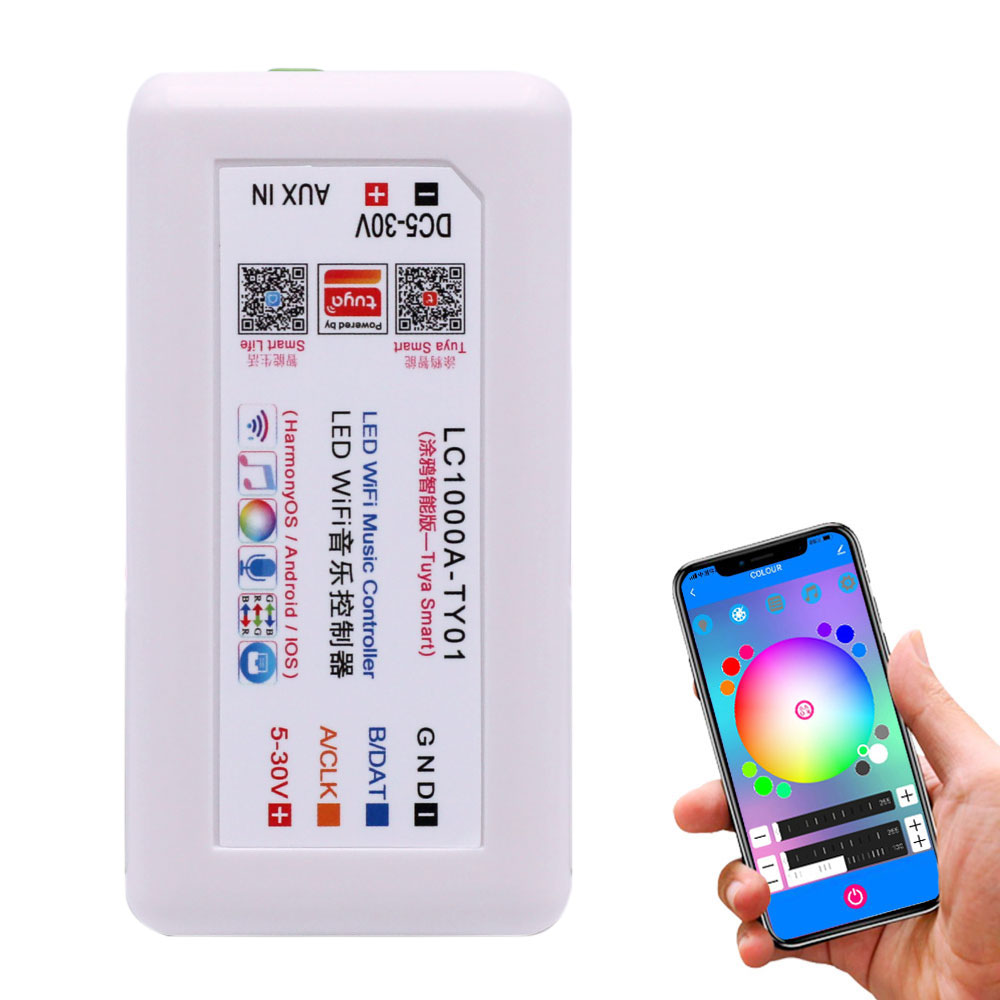
Tuya WiFi Music LED Controller LC1000A-TY01 - Addressable RGB Pixel Strips
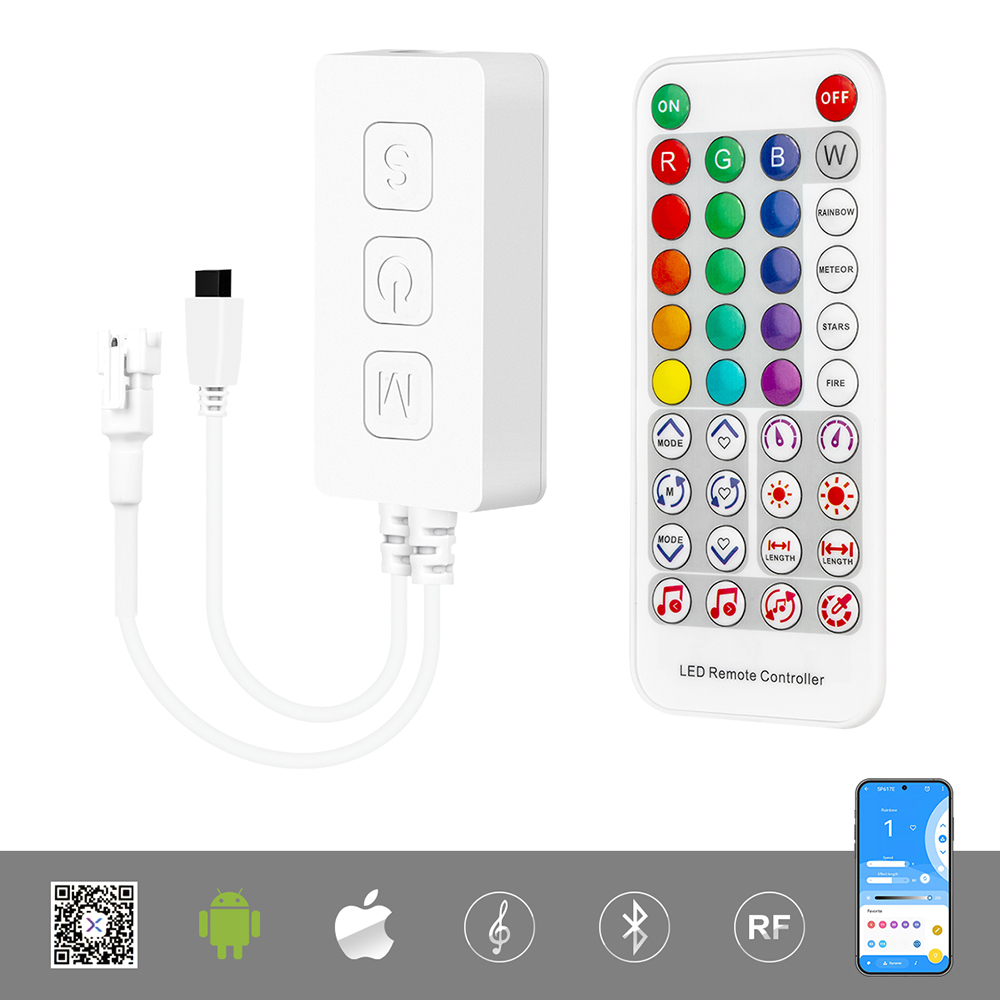
DC5-24V SP617E Bluetooth Music LED Controller
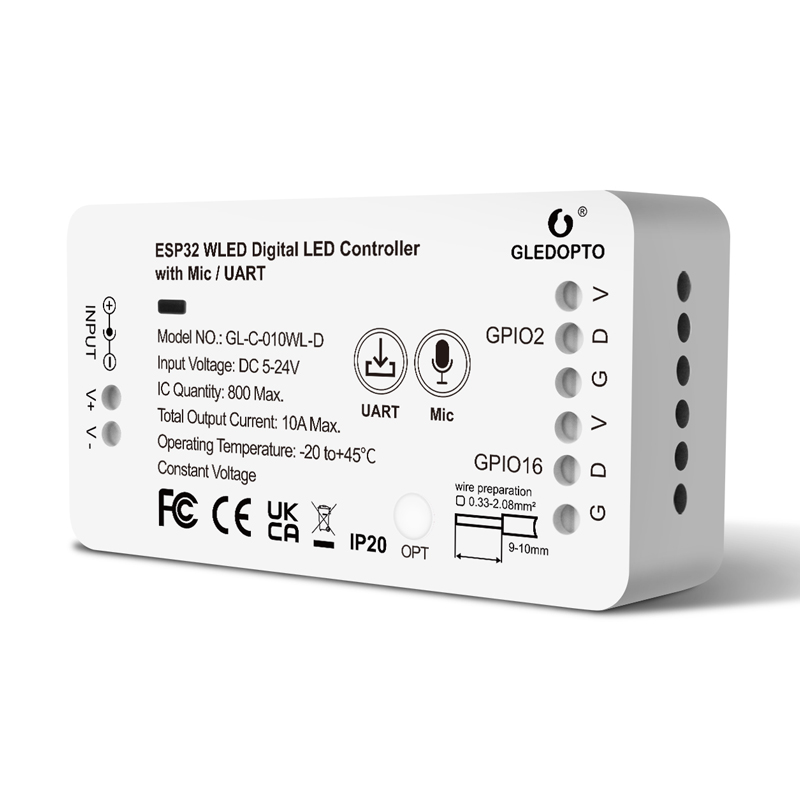
WLED ESP32 Pixel LED Strip Mic Controller With UART Download
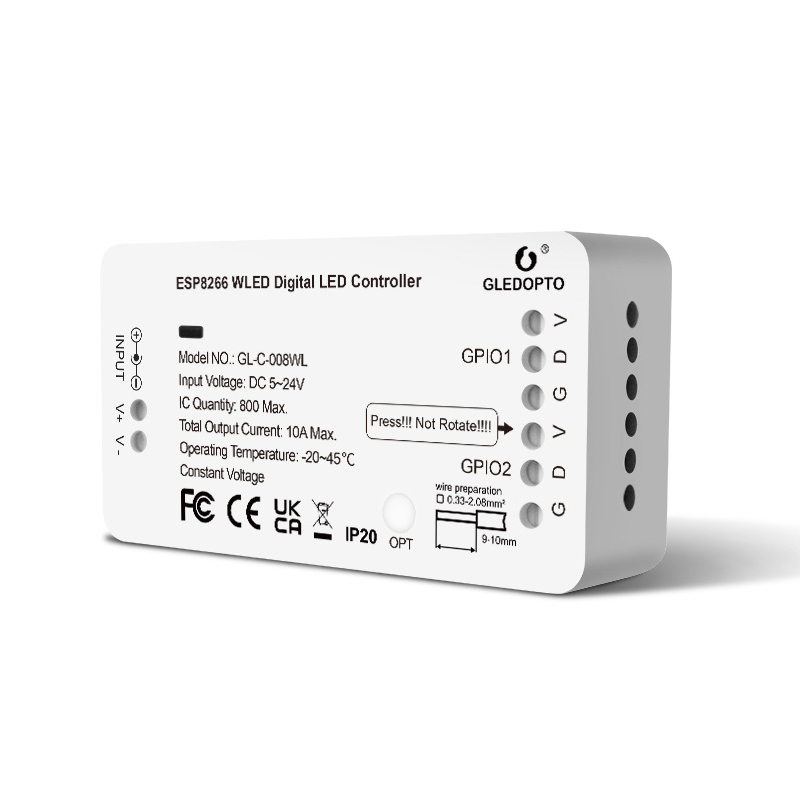
2 Channel 10A Basic WiFi WLED ESP8266 Digital LED Strip Controller
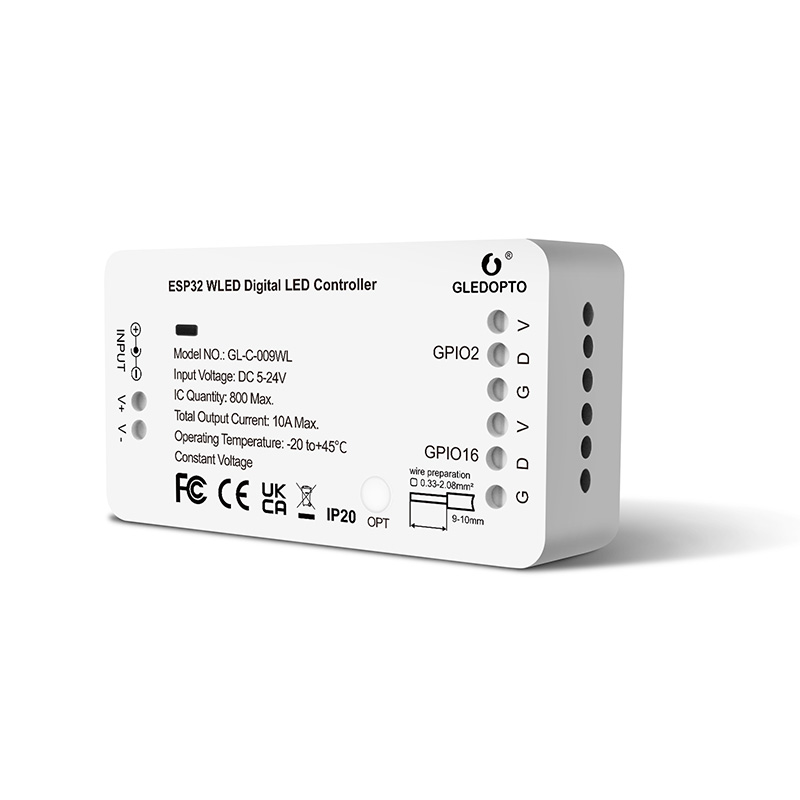
2 Port Data 10A Basic Led ESP32 WLED Pixel Controller

3A 5V Pixel LED WiFi WLED ESP32 Microphone Mini USB Smart Controller
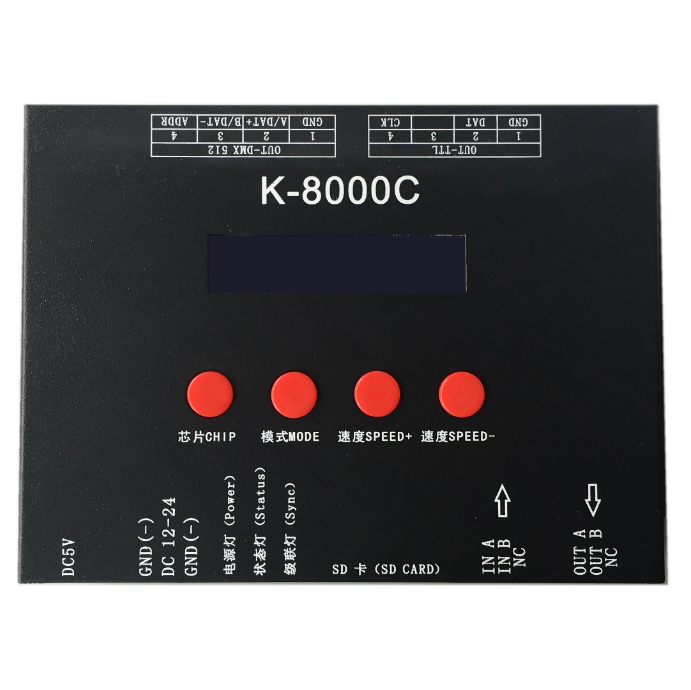
Offline 8 Ports K-8000C Programmable RGB LED Controller SD Card LED Pixel Controller for SPI/DMX

DC5V-24V, RGB/RGBW LED H801 WiFi Android Controller for LPD6803、LPD1882、LPD1889、DMX512、APA102、UCS1903、WS2811、TM1812 Addressable LED Strip Light
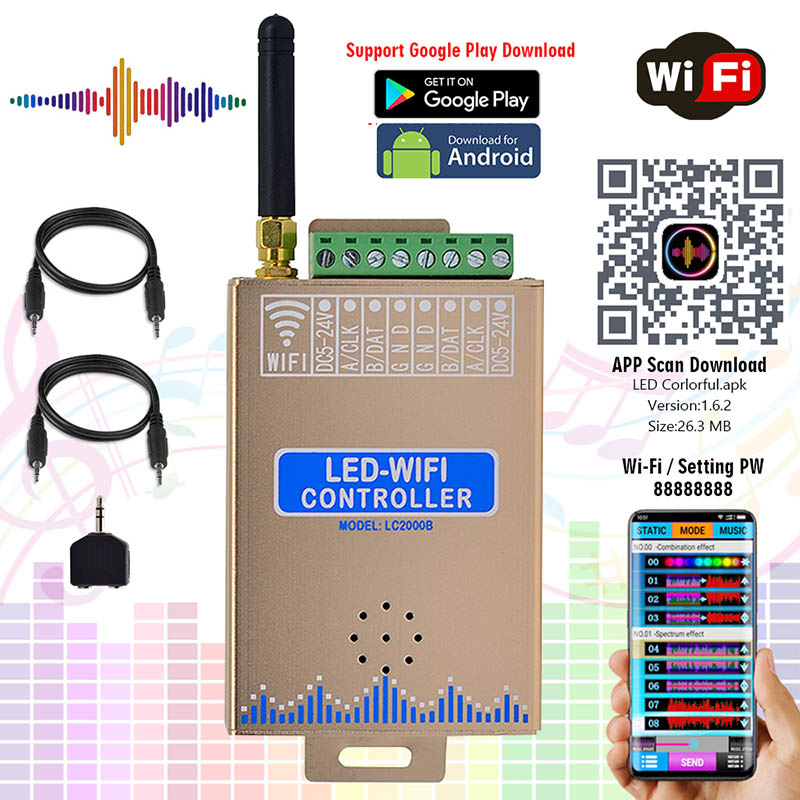
LC-2000B SPI LED WIFI Music Controller
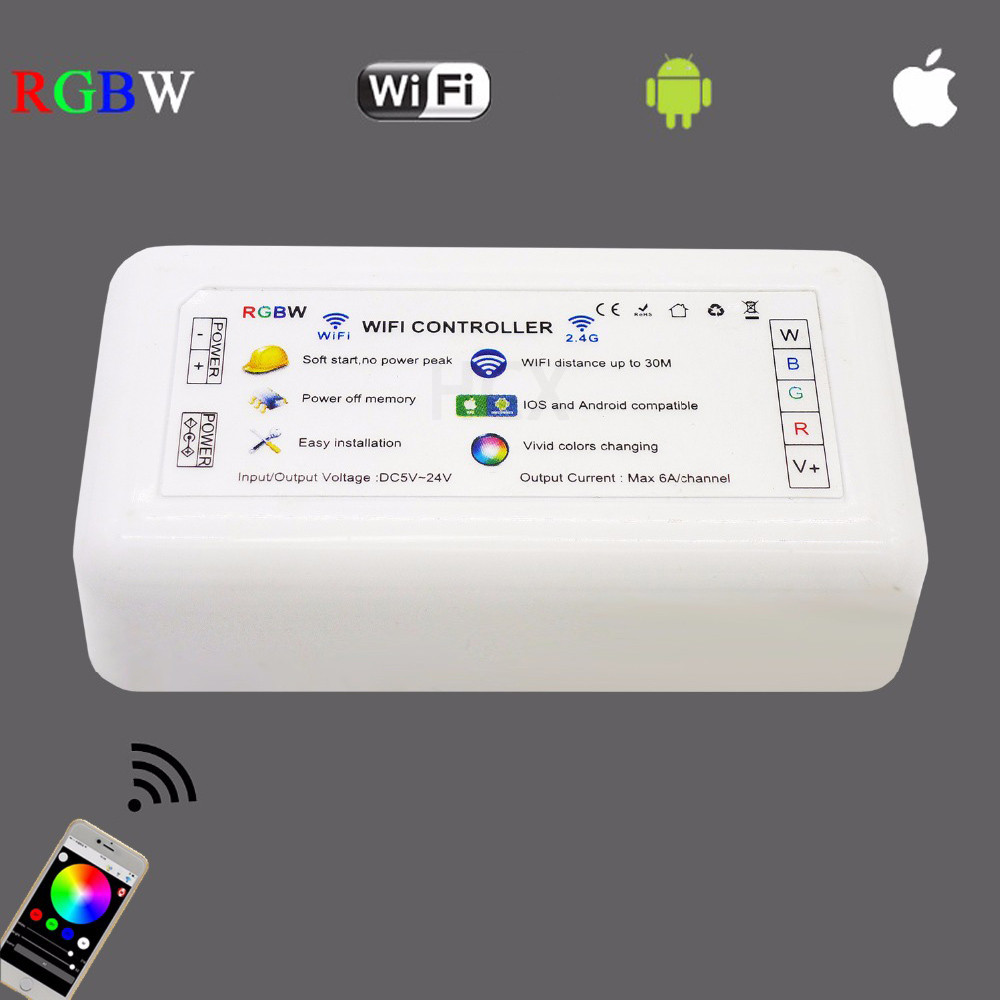
H802WiFi RGBW LED Strip Controller - iOS/Android WiFi Control ESP8266
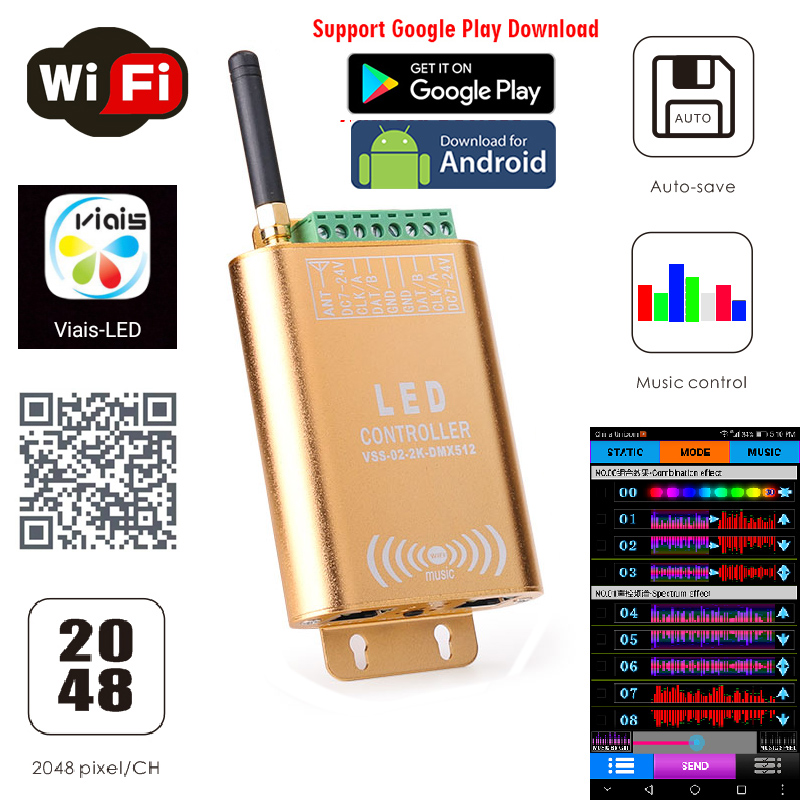
LED WiFi SPI Controller: Music Spectrum, 2048 Pixels, DC7-24V
Choose Your Addressable RGBW Controller by Control Method
SuperLightingLED offers different ways to control addressable RGBW LED strips, from simple wireless operation to advanced programmable lighting systems. Choose your controller according to how you want to operate the lights, the IC type used by your strip, the number of pixels, and the complexity of the lighting effects you want to create.
For smartphone and smart-home control, choose a WiFi or Bluetooth RGBW pixel controller that allows you to adjust colors, brightness, dynamic effects, speed, and other settings directly from a mobile app. Some models may also support voice assistants or network-based control for residential and smart-lighting applications.
For advanced animations and larger pixel installations, programmable controllers are a better choice. Many of our SD-card programmable pixel controllers support 4-channel RGBW ICs and can store complex lighting sequences, custom effects, and offline programs. They are especially useful for architectural lighting, stage decoration, signage, commercial displays, and other projects that require repeatable pixel animations without keeping a computer connected.
For users who prefer an open and highly customizable control platform, we also offer WLED-compatible controllers. WLED provides browser- and app-based control, numerous built-in effects, segments, playlists, presets, network synchronization, and integration possibilities for DIY smart-home and advanced addressable lighting projects. When using WLED with an RGBW strip, make sure both the controller hardware and the configured LED chipset support the required 4-channel RGBW protocol.
Before choosing an addressable RGBW LED controller, always check three key specifications: the supported IC protocol, RGBW 4-channel support, and maximum pixel capacity. If you are unsure which controller matches your LED strip, check the IC model first or contact SuperLightingLED for compatibility assistance.
Frequently Asked Questions About Addressable RGBW Controllers
Your project's on the line and you need the right part. Here are the questions we answer all day, every day. Let's get your lights working right the first time.
The main difference is the specific IC (the chip on the strip) they're designed to communicate with. While many addressable RGBW controllers support multiple IC types like the common SK6812, some ICs like the WS2814 use a more specialized protocol. Always match your controller to the exact IC on your strip. Check the controller's spec sheet for its supported IC list before you buy.
This varies a lot by model. A simple Bluetooth controller might handle around 450-600 pixels, while a more powerful WLED or SD-card based addressable RGBW controller can drive 1024 pixels or even more, sometimes across multiple outputs. Exceeding the pixel limit can cause slow animations, lag, and visual glitches. Plan your runs and check the controller's max pixel count.
That's classic voltage drop. The power from your supply decreases as it travels down the strip's copper traces. Because each color channel uses a slightly different forward voltage, they don't dim at the same rate, causing color shifts. For long runs, you must inject power at both ends of the strip, or every 5 meters, to keep the voltage and colors consistent. Our addressable LED wiring guide covers this in detail.
It depends on your setup. WiFi controllers, especially those compatible with Tuya or WLED, are great for smart home integration with Alexa or Google Home. Bluetooth is simpler for direct phone control in a single room without needing a network. Zigbee controllers like our WZ-SPI are excellent if you already have a Zigbee hub (like Tuya or SmartThings) and want a more robust, dedicated mesh network for your lighting.
A '4-in-1' LED strip just means the Red, Green, Blue, and White LED emitters are all combined into a single package (a single SMD chip) instead of being separate. This gives you better color mixing. It doesn't require a special controller, but it absolutely requires an addressable RGBW controller that sends the correct 4-channel signal to that chip. A 3-channel RGB controller won't work.
Only if your project requires professional stage or architectural lighting control that's already based on the DMX512 standard. For most DIY, residential, or smaller commercial jobs, a standard WiFi, Bluetooth, or RF controller is much simpler. If you do need to integrate with a DMX system, you'll use a DMX512-to-SPI decoder, which translates the DMX signals into the language your addressable RGBW strip understands.