
LED Strip Inside Cabinet Lighting
28 productsModern kitchen cabinets are often designed with multiple layers, so how can you get even, comfortable lighting for each layer of the cabinet interior? LED strips are the ideal solution today, as they can be flexibly embedded into cabinets made of different materials and provide shadow-free, high-quality light in any LED color.
LED tape with cabinet light profiles seamlessly integrate lighting into both wooden and glass cabinet shelves, the lighted bar cabinet lights can be securely fixed beneath or recessed in each wooden or glass layer, or discreetly concealed behind cabinet doors for a clean, built-in appearance.
We offer a full range of customized LED strip in-cabinet lighting methods for traditional wood cabinets and modern glass display cabinets - to make your storage space both functional and artistic.
You can have all of your inside cabinet lights connected to a unified control and drive system. Our cabinet sensor light control series (motion sensor, laser sensor, touch sensor, hand-swipe sensor, door sensor) allows you to experience intelligent kitchen cabinet lighting control experience. Now let us work together to create your ideal interior cabinet lighting solution, our professional team will provide you with one-stop service from program design to installation and commissioning.
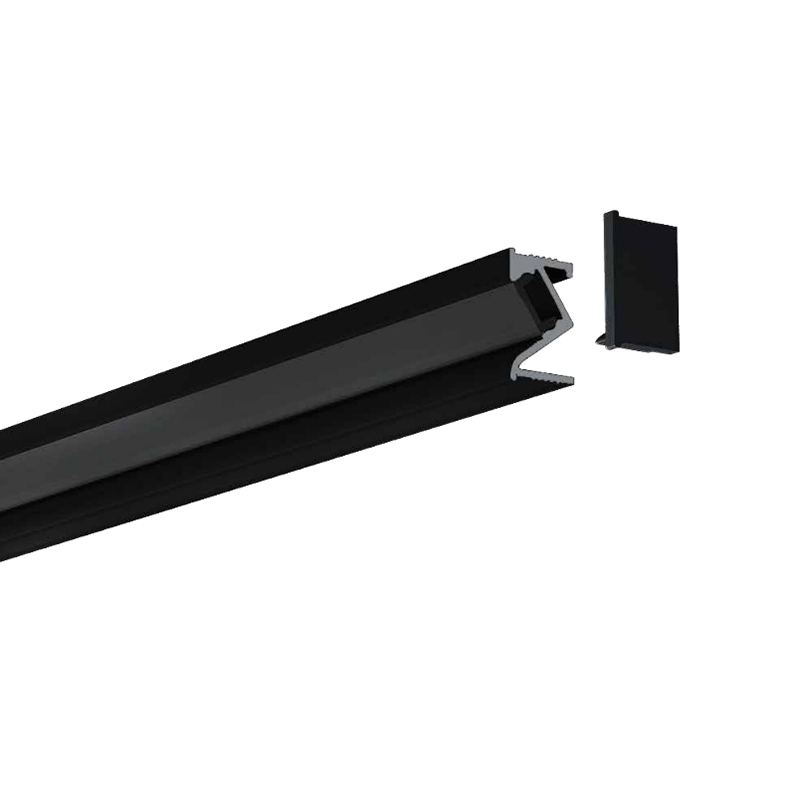
Black LED Aluminum Channel: Ultra Narrow Recessed 7mm
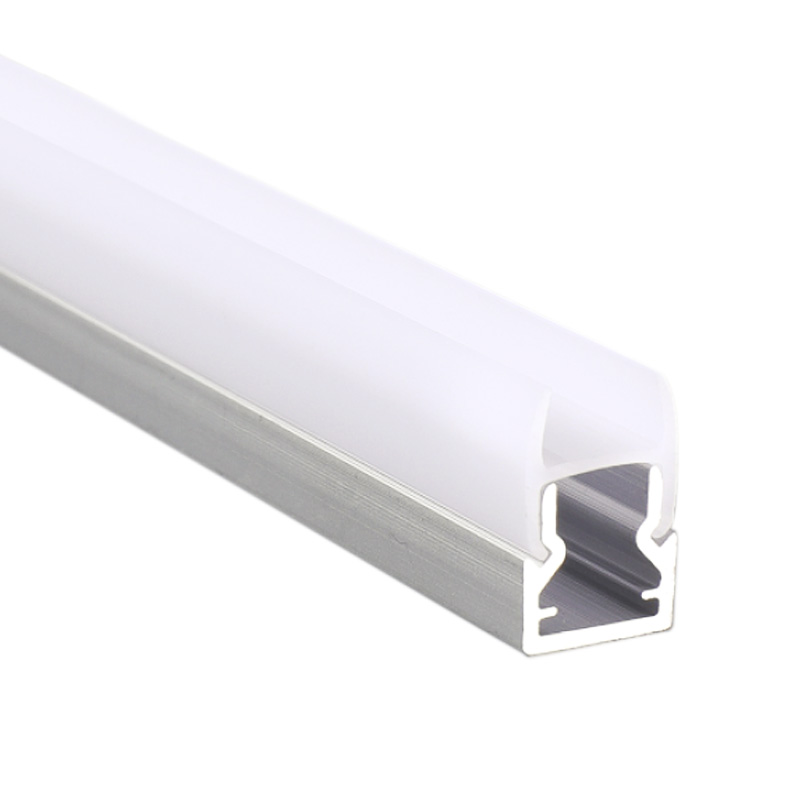
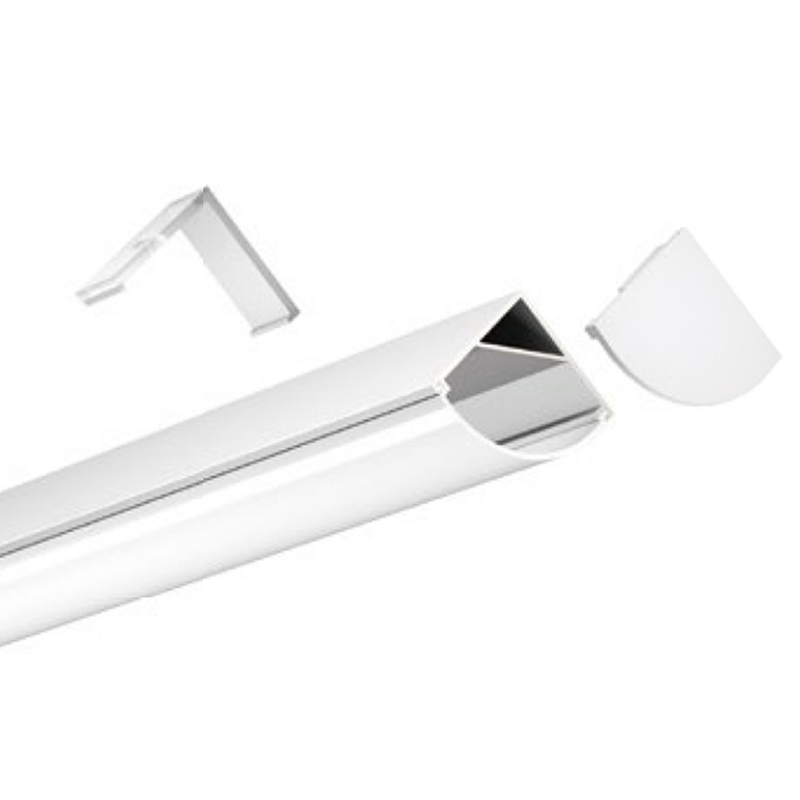
0.5 Inch Tiny Corner Mount LED Strip Channel For 8mm Tape
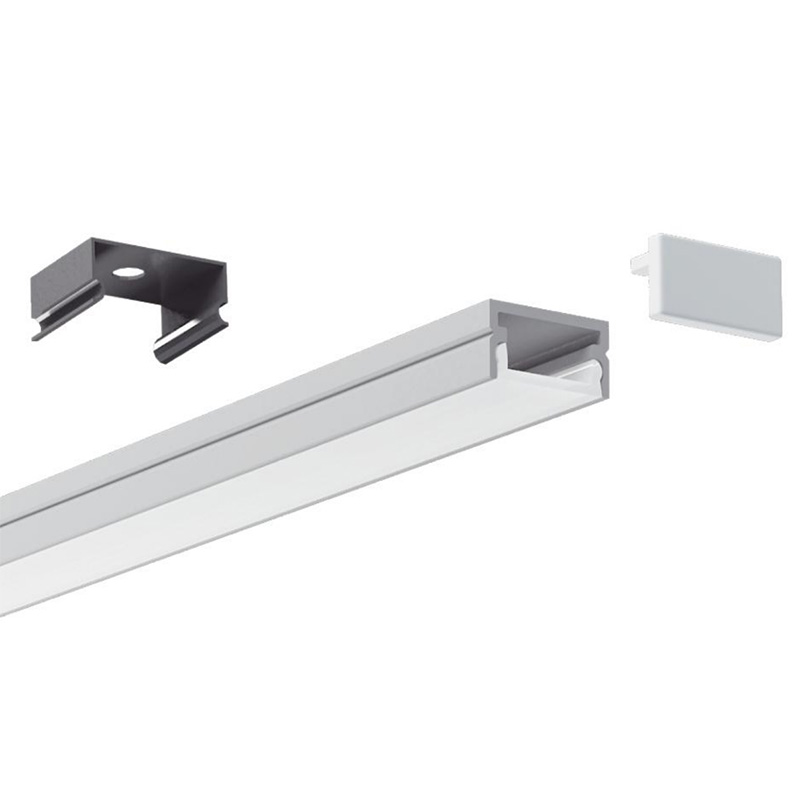
Mini LED U Channel Aluminum Profile for 12mm LED Strips - Shop Now!
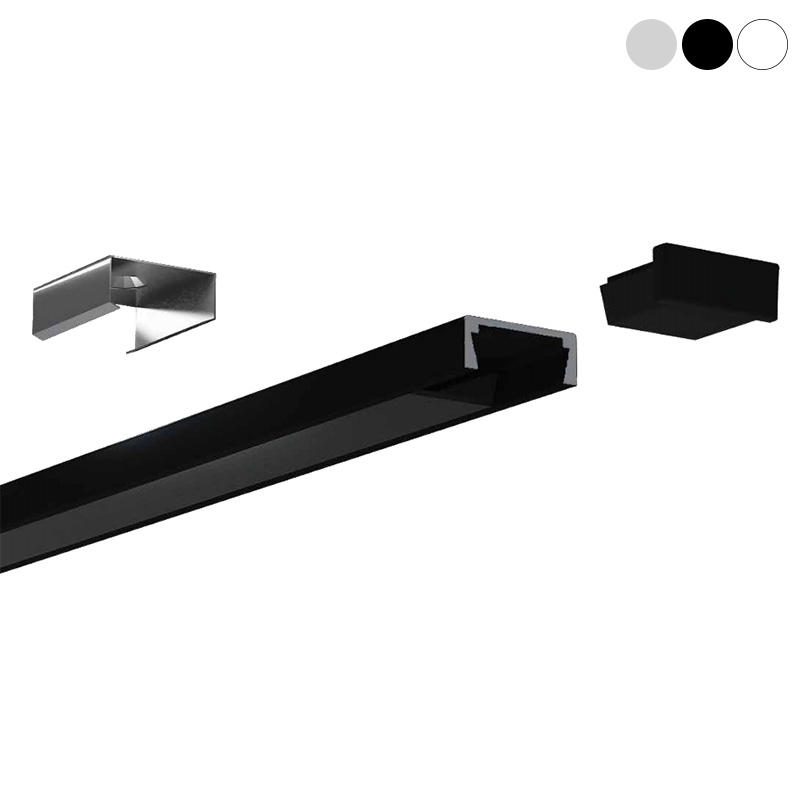
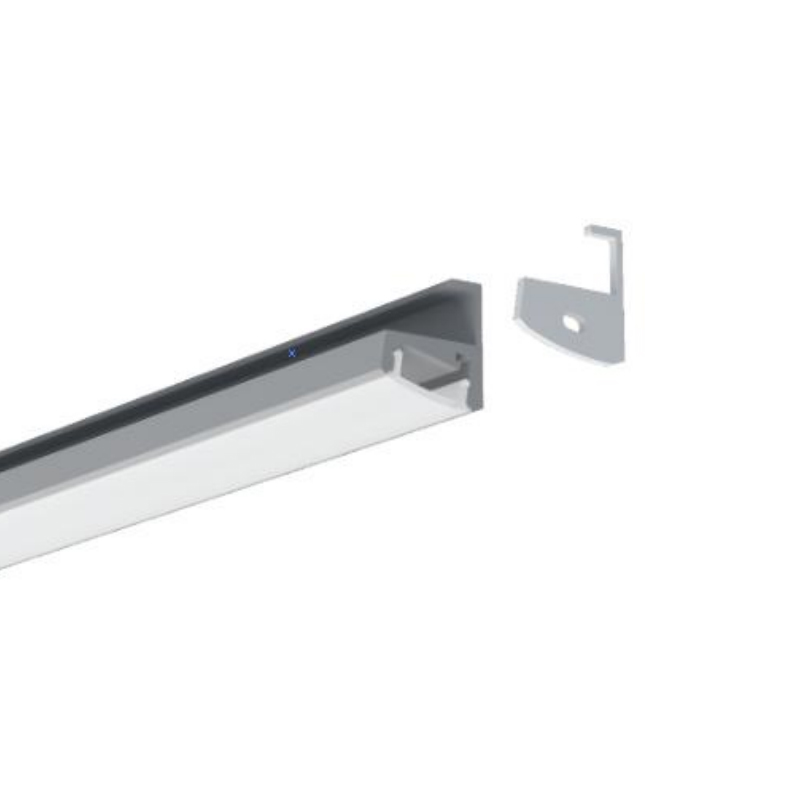
Cabinet Light LED Diffuser Channel for 10mm 5050 Strip Lights
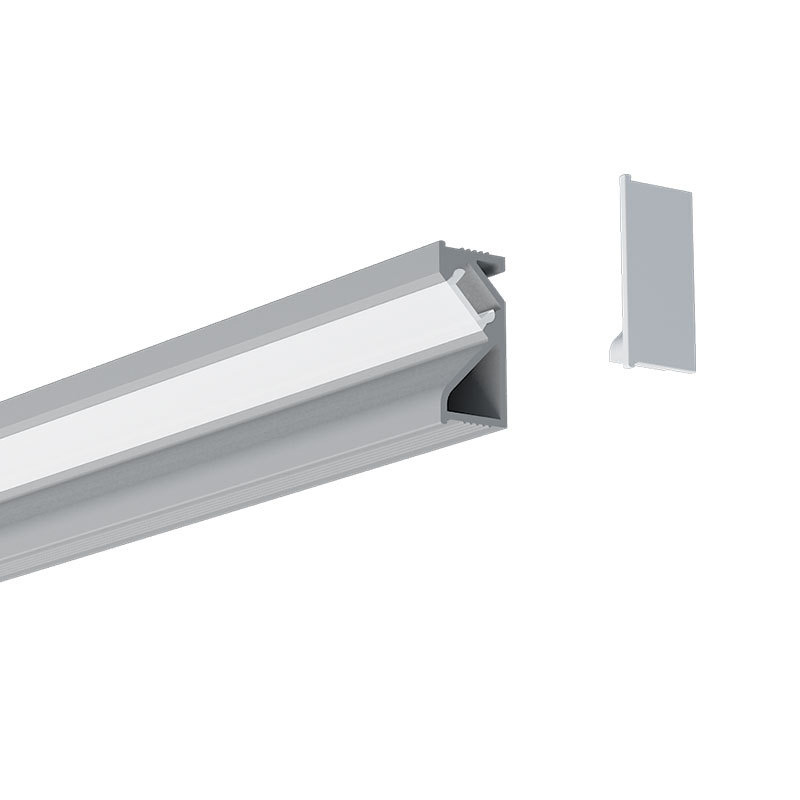
Cabinet Shelf Recessed LED Light Channel | SuperLightingLED Profiles
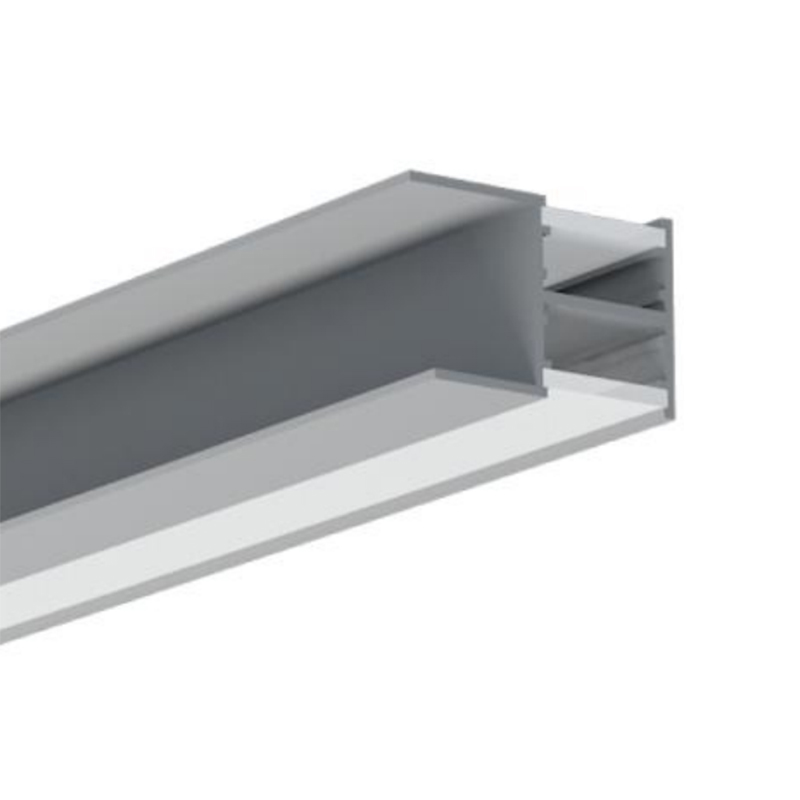
Frequently Asked Questions About LED Strip Inside Cabinet Lighting
Got questions about lighting up the inside of your cabinets? You're in the right place. Here are the straight answers from our engineering desk.
For the best LED cabinet lighting with no visible dots, you want COB (Chip-on-Board) strips. COB technology places tiny LEDs right next to each other to create one solid line of light. Pair one of our COB LED strips with an aluminum channel that has an opal diffuser, and you'll get a perfectly smooth, seamless glow inside your cabinets, even on reflective surfaces.
The key to a clean multi-shelf installation is planning your wire runs. Most cabinet makers will drill small, discreet holes (about 5-6mm) in the back or side corners of the cabinet carcase to pass wires between levels. You can then run the thin wires behind shelf supports or in tiny corner channels. We often build custom wiring harnesses for this exact purpose, so all your shelves connect back to a single power feed.
Yes, you can cut most LED light strips, but pay close attention to the designated cut marks, which are usually every 2 to 4 inches. If you need a more precise fit, look for our 'cut-anywhere' strip lights like the COB series or Warm-and-Cool series. They have a special circuit design that lets you snip them to the perfect length with a pair of scissors, which is a lifesaver for custom cabinetry.
Absolutely. For any run longer than about 5 meters (16 feet), or when you're wiring multiple cabinets back to one power supply, 24V strip lighting is the superior choice. It handles the distance with less voltage drop, meaning the last shelf in the chain will be just as bright as the first. With 12V, you'd need to run more parallel power feeds to keep the brightness consistent.
The best strip lighting for glass is a purpose-built edge-lighting channel. You slide the glass shelf into the U-shaped aluminum profile, and the LED strip inside illuminates the edge of the glass, making the whole panel glow without any glare. Our 8mm glass shelf channel is designed specifically for this, creating a high-end, integrated look in display cabinets or bar shelving.
It depends on how you use the cabinet. An IR (infrared) door sensor is perfect for standard cabinets — it turns the light on when the door opens and off when it closes. For open shelving or cabinets without doors, a hand-swipe sensor is better. If you want manual control inside a display cabinet, a touch sensor works well. We have controllers that can manage multiple cabinet lighting accessories and sensors at once.
Need it for safety? No, the heat from our low-wattage strips isn't a fire hazard for wood. But you should absolutely use one. A channel does two critical things: it acts as a heat sink, which extends the life of the LEDs, and it provides diffusion for a cleaner, more professional look. Our guide to aluminum profiles for LED strips covers this in more detail.
For the best LED lighting where color matters—like in a retail display, art niche, or pantry—you need a high CRI strip. CRI stands for Color Rendering Index, and you want a score of 95 or higher (Ra95+). This ensures that reds look red and whites don't look yellow or green. Most of our professional-grade white strips, especially the full-spectrum LED series, meet this high standard.
You'll use a single, larger LED driver (power supply) and run low-voltage wiring from it to each cabinet. Inside or near the cabinets, you can use a distribution block to split the power cleanly to each shelf light. All the lights will then turn on and off together from the main switch that controls the driver. Just make sure the driver's wattage is enough for the total length of all the strips combined.
Yes, we do this all day long. A huge part of our business is building custom kits that never even appear on the website. Just send us a sketch of your cabinets with dimensions—even a photo of a napkin drawing works. An engineer here will spec out a full solution: strips cut to the exact length for each shelf, wires pre-soldered with connectors, the right sensors, and a perfectly matched power supply. We'll send back a parts list and quote, usually within 12 hours, with no fee or obligation.