
COB LED Strip Light Connectors
31 productsDue to the special design of COB LED strips, the locations of their solder joints differ from those of standard LED strips; therefore, the LED components used in COB strips also differ from those in standard strips, particularly the 3-pin, 4-pin, 5-pin, and 6-pin types.
COB led strip connector is a solder-free, convenient, fast and easy-to-use installation method. SUPERLIGHTINGLED provides connectors for various COB led tape types, supporting COB light PCB boards with widths between 5mm and 12mm, and adapting to different pin configurations such as 2, 3, 4, 5, 6 pins to meet your COB led connection needs. Allows you to connect COB strip to strip, strip to cable, strip to power supply, etc. in multiple directions.

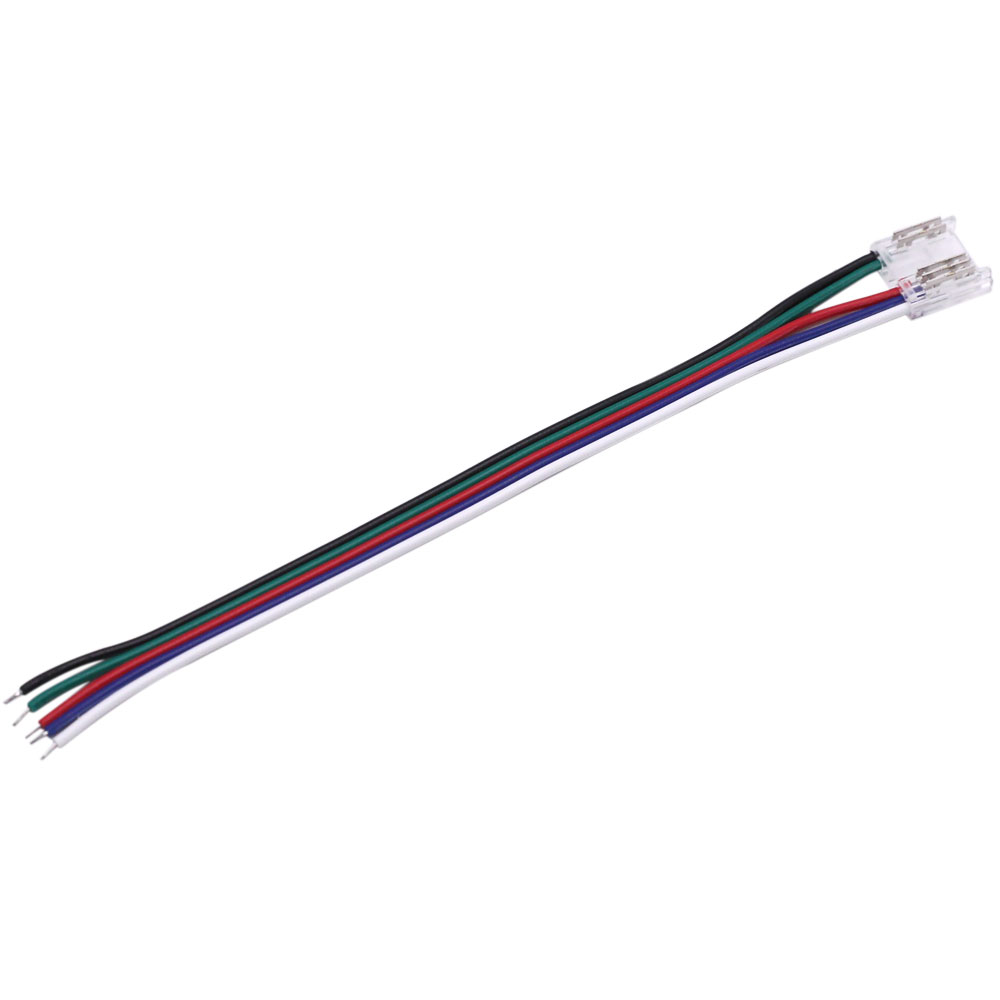
12mm COB RGBW LED Strip 5 Pin Connector - Strip to Wire Type
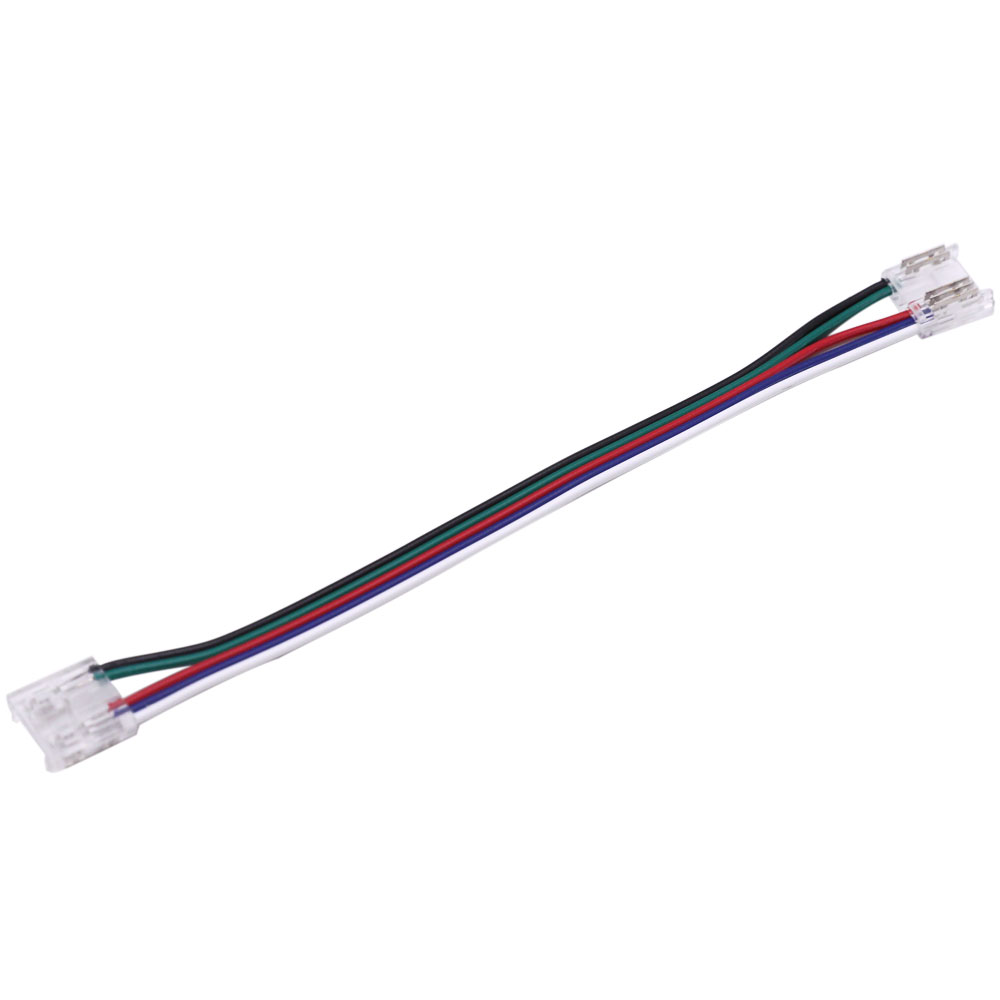
15cm Wire Length 5-Pin 12mm RGBW COB LED Connector
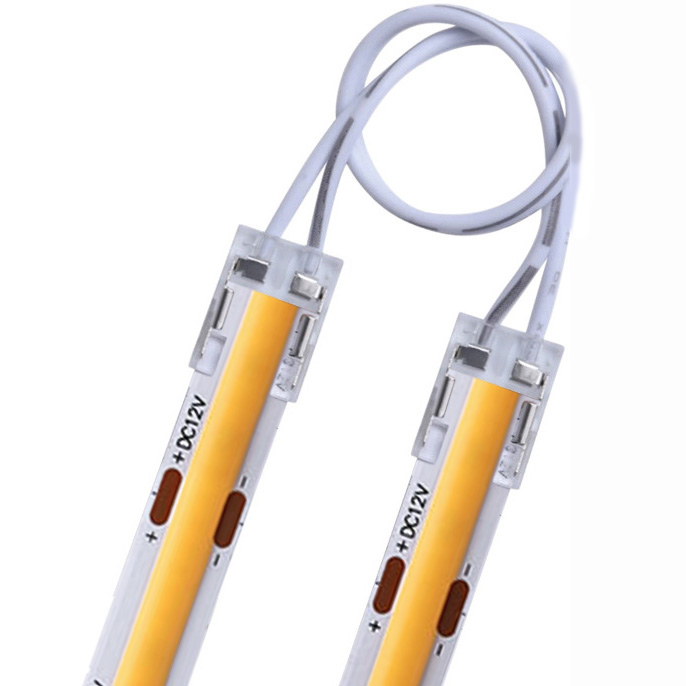
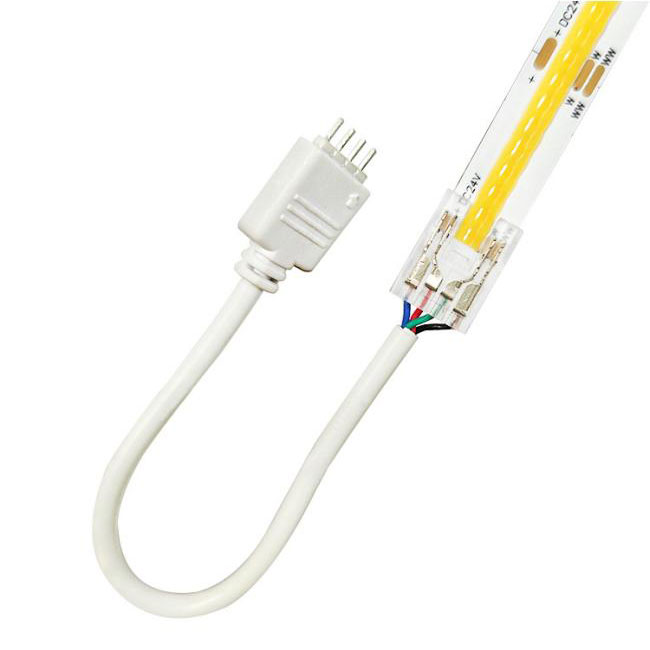
4-Pin 10mm COB RGB LED Strip Connector - Easy & Secure
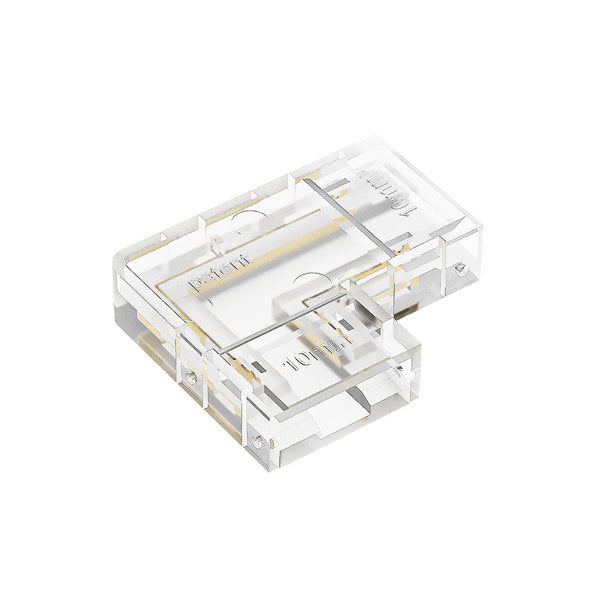
2/3/4Pin L-Shape COB LED Strip Light Corner Connectors
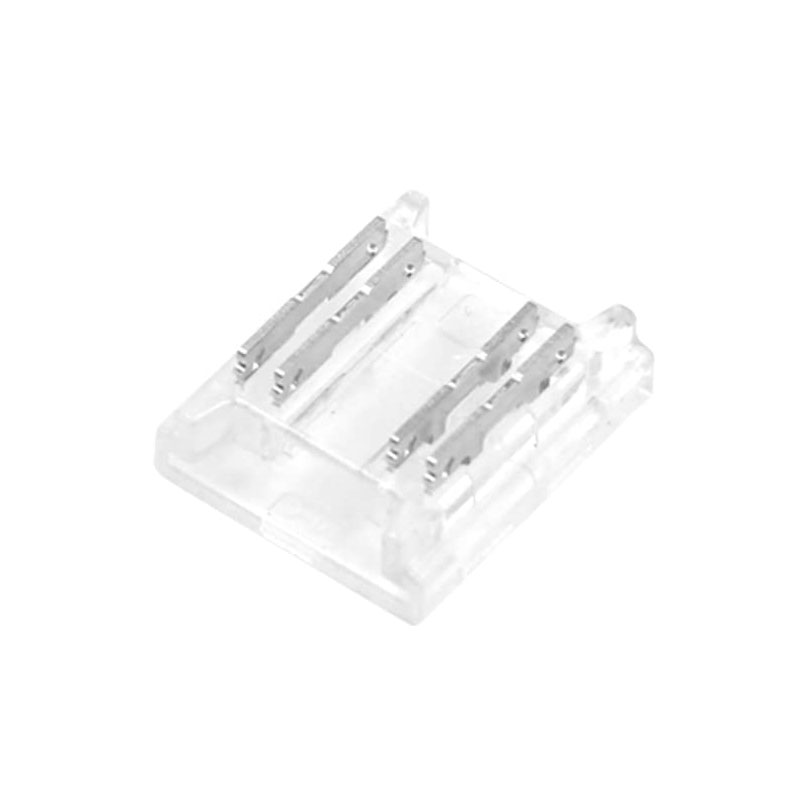
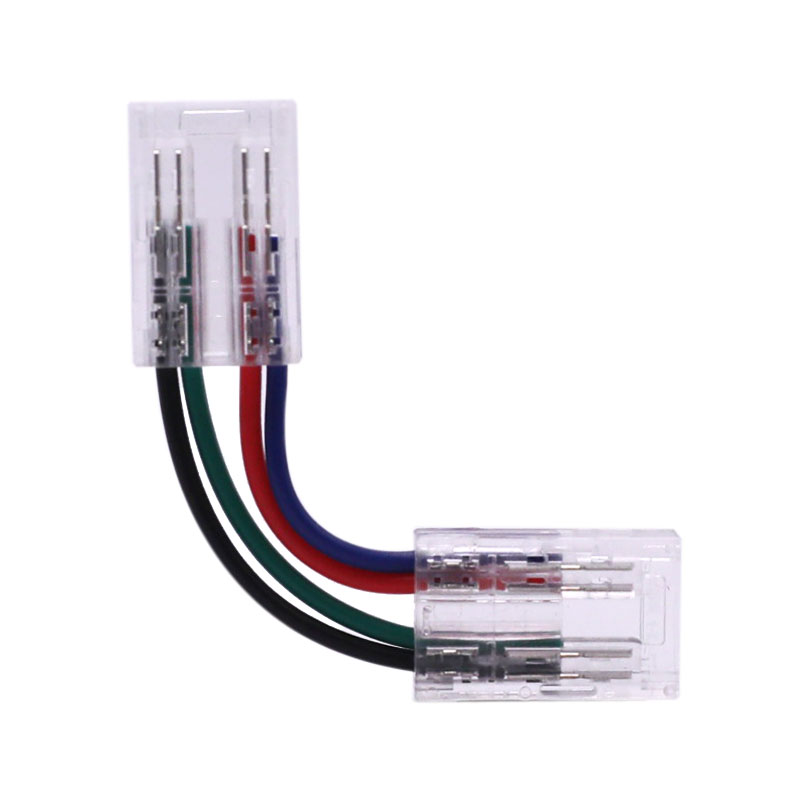
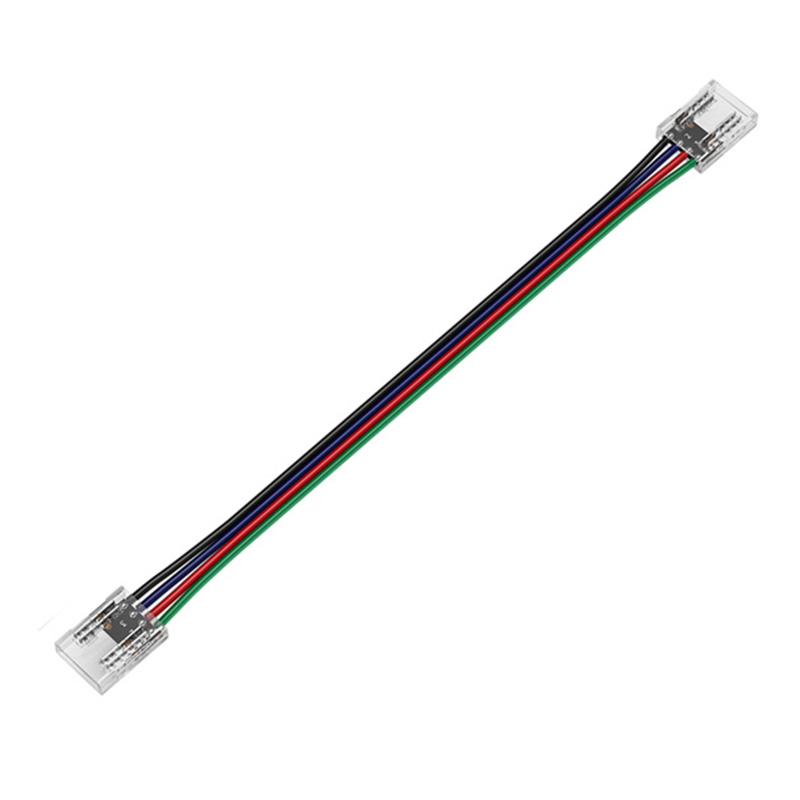
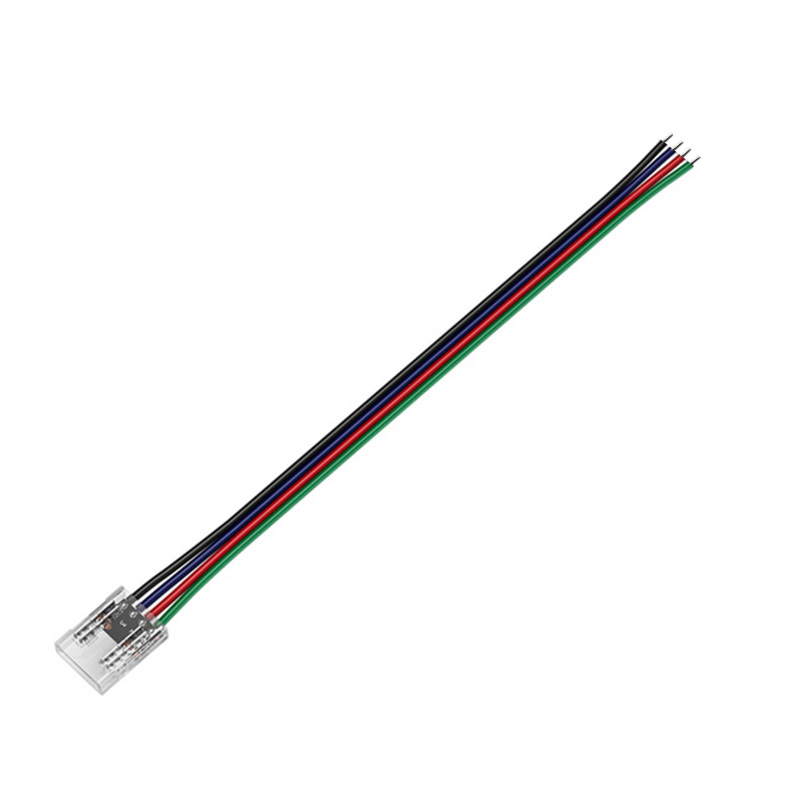
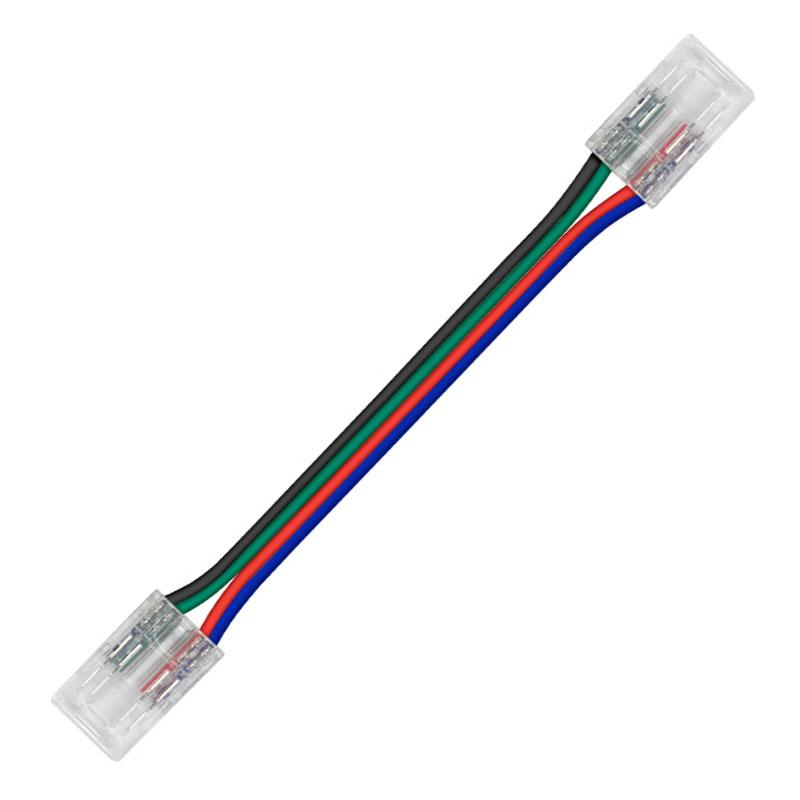
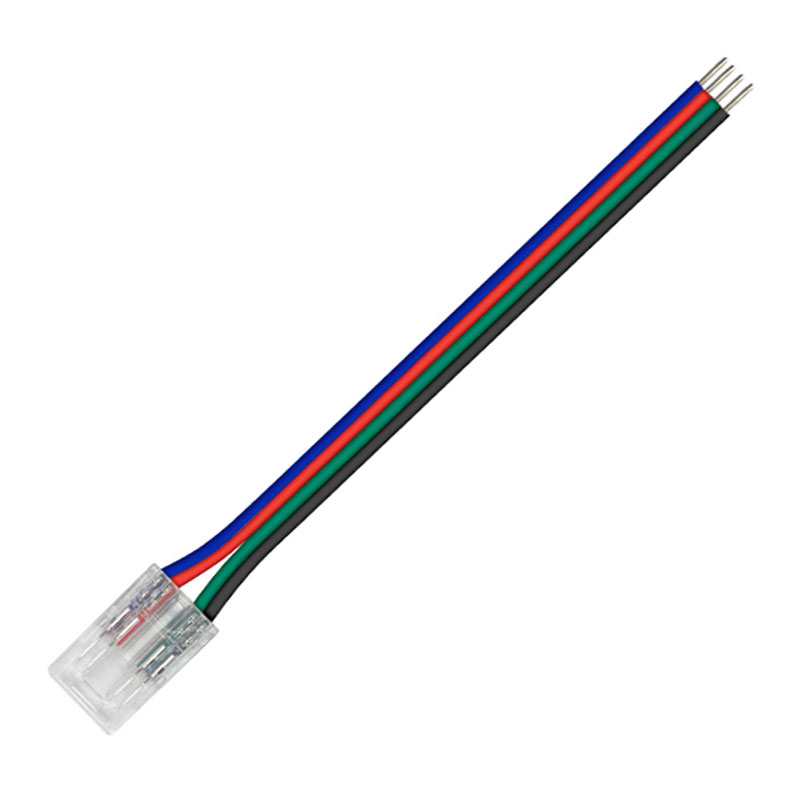
4-Pin COB RGB LED Strip Connector | Solderless 10mm Tape-to-Wire
FAQ About COB LED Strip Light Connectors
You need a special COB LED strip connector because COB strips are built differently from older SMD strips. Their high-density chips mean the connection points are in a unique spot and often require a piercing contact to get a solid link. Using a standard SMD connector just won't work reliably; you'll get flickering or no connection at all. These are designed to hit the exact right spot, every time.
To get the right cob light connector, you need to match three things: PCB width, pin count, and IP rating. First, measure the bare board width of your strip—it's usually 5mm, 8mm, 10mm, or 12mm. Second, count the copper pads at the cut point. Two pads means you need a 2-pin connector (for solid white cob and single color cob), four pads means a 4-pin (for RGB cob and dual-data addressable cob), and so on. Finally, match the IP rating—use IP20 connectors for indoor strips and waterproof ones for anything exposed to moisture.
A failing cob led connector isn't fully seated or the polarity is wrong. Make sure you've slid the strip all the way in, right under the contact pins. On piercing types, you need to press down firmly until you feel a 'click.' Also, double-check your polarity. The '+' on the strip must line up with the '+' on the connector. If you get it backwards, it just won't light up.
The trick with a piercing cob strip light connector is to use a pair of pliers for that final push. After you slide the strip in, use the pliers to firmly squeeze the metal pins down onto the base. This ensures the little metal teeth bite through the strip's backing and make solid contact with the copper pads. Doing it by hand doesn't give you enough force.
Don't bend the strip itself into a sharp 90-degree angle; you'll damage the circuits. The best way is to use a dedicated COB LED strip corner connector. You simply cut your strip, insert one end into one side of the L-shaped connector, and insert the next piece into the other side. This gives you a clean, reliable corner without any dark spots or soldering. We have a whole section of L-shape corner connectors for this.
The pin count on a cob led connector corresponds to the type of light strip you have. A 2 pin is for simple single-color strips (power and ground). A 4 pin is for standard RGB strips (R, G, B, and a common positive). A 5-pin is for RGBW, and a 6 pin cob led connector is for RGB+CCT strips that have red, green, blue, warm white, and cool white channels plus a positive line.
Absolutely. A good quality clip on or piercing connector makes a very secure mechanical and electrical bond. Once it's properly clamped down, it's not going to come loose on its own. It's strong enough for permanent installs in places like under cabinets, in coving, or inside aluminum channels. The only time we'd strongly recommend soldering is for high-vibration environments, like on a vehicle or boat.
Yes, that's what a strip-to-wire connector with a DC barrel plug is for. One end clips onto your cut COB LED strip, and the other end is a standard DC female plug. This lets you plug your power supply's male barrel jack right in. It's the simplest way to get power to a cut section of strip light without any soldering or wire stripping.
Some can, but you have to pick the right one. We offer multi-function connectors designed with contact points that can accommodate both COB and standard SMD strip layouts. It's a great option for installers who work with both types of strips and want to simplify their toolkit. However, if a connector is only listed for COB, don't assume it will work on SMD—it probably won't line up correctly.
For most 12V or 24V installations, 20 or 22 AWG wire is a safe bet for the leads coming off a strip-to-wire connector. Our pre-wired connectors typically come with this gauge. If you're running that wire for more than a few feet to the power supply, you might need to step up to a thicker gauge like 18 AWG to avoid voltage drop. If you're not sure, just ask us with your project details.