
RGB Flexible LED Strip Lights
77 products
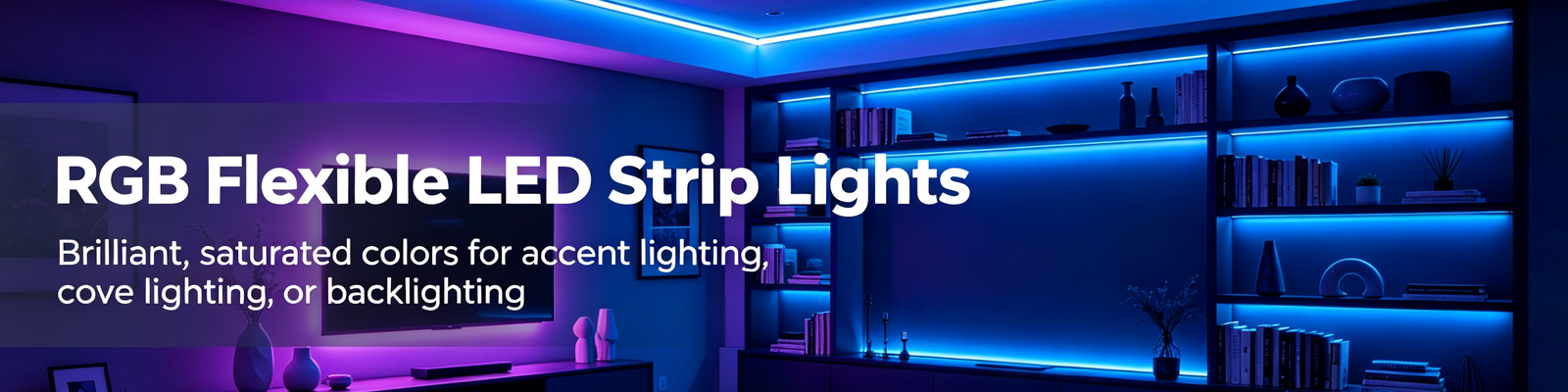
SUPERLIGHTINGLED RGB Flexible LED Strip Lights Series includes the most comprehensive range of RGB led strip lights at affordable prices and reliable quality. IP20 IP65 indoor led RGB light strips and IP67 IP68 waterproof outdoor RGB led strip lights add ambient lighting to any area.
We offer different LED types of color changing RGB led strip lights, such as 5050 RGB led strip light and 2835 RGB, 3535 RGB, 3838 RGB, 4040 RGB, 020 RGB, COB RGB types, etc. Here you can find an RGB tape light from a narrow 5mm to wide 20mm PCB width.
RGB lighting strips are the common color changing lighting type (RGB vs RGBIC vs RGBW vs RGBWW vs RGBCW vs RGBCCT), through changing the state of the R G B three channels via an RGB controller, RGB driver, or DMX decoder, you can get various dimmable colorful light effects. How To Wire RGB LED Strip Lights?
Our RGB led strip light comes in 5-meter and longer length rolls with adhesive backing for easy installation. Also can be installed with silicone neon diffuser or led channel to create dotless soft aesthetic light. Need customized service and free consulting service, please contact us.

DC24V Side Glow RGB COB LED Strip Light Dotless 840Chips/m
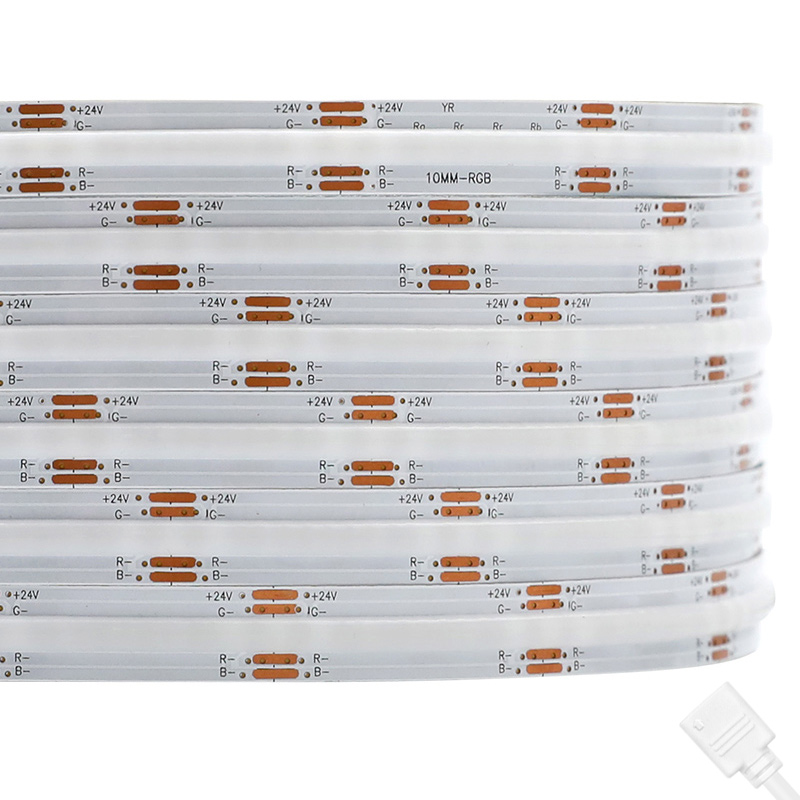
10m Continous Color Changing RGB FCOB Led Strip 24V
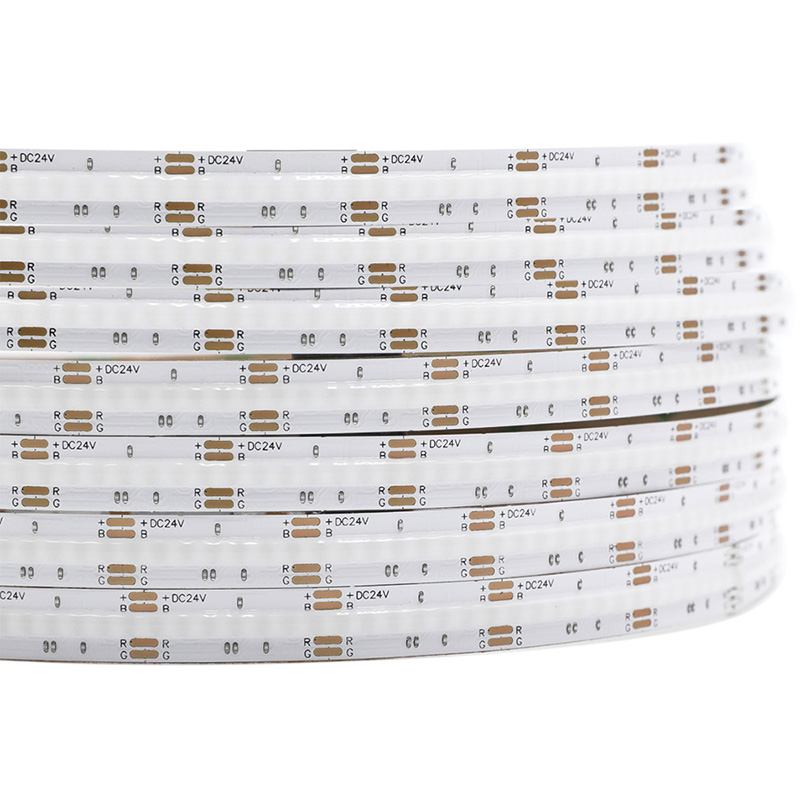
Newest DC12/24V RGB Color Changing Flexible FCOB LED Strip Lights
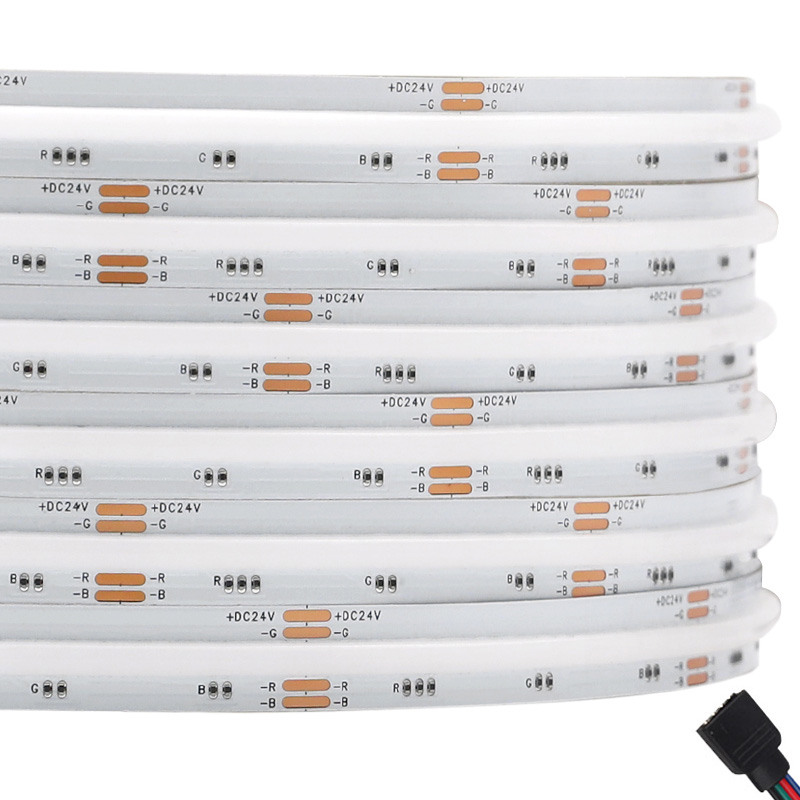
840 Chips/m 24V High Bright Rgb Led Cob Light Strip Flexible
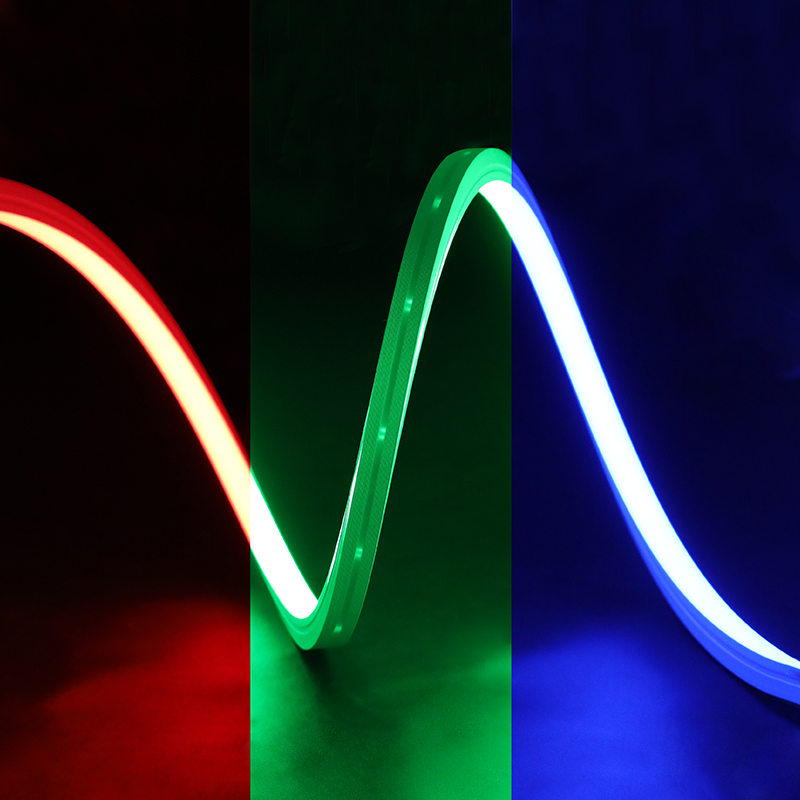
13x13mm Mini LED Neon RGB Rope Light Outdoor Cuttable

DC12/24V Outdoor Round RGB Color Changing Neon Flex Lights

DC24V 3030 Diffuse Reflections RGB Rigid LED Light Bar with Lens
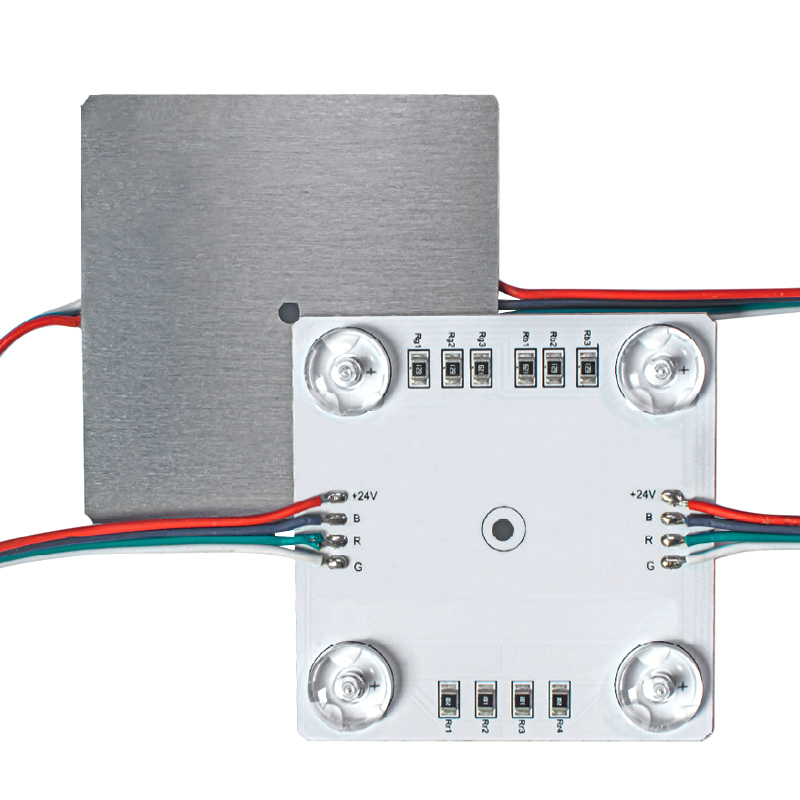
DC24V Diffused RGB LED Sign Modules Light with Lens 175 Degrees
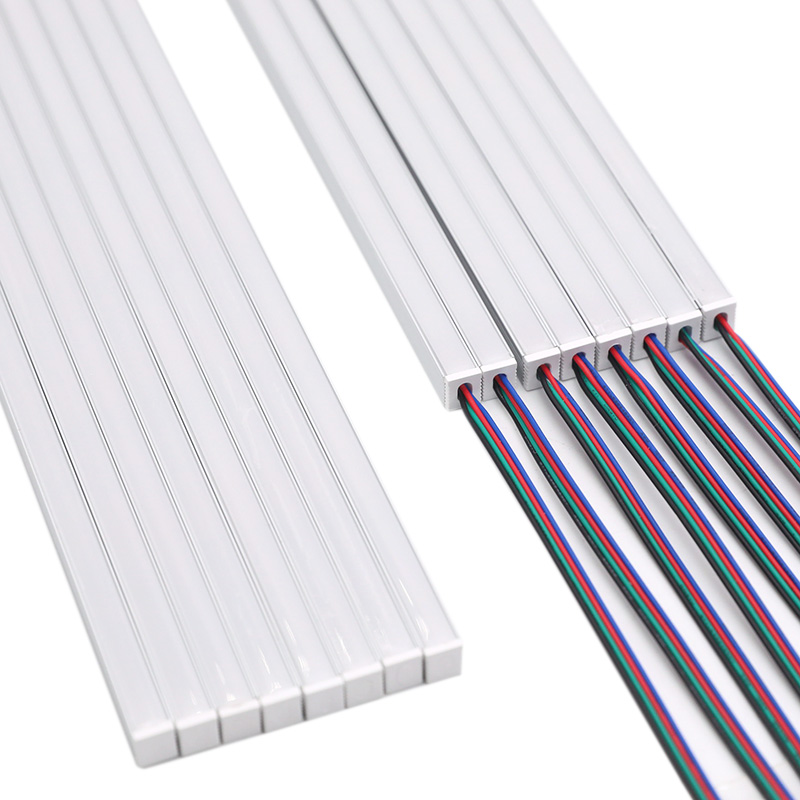
350mm Long Slim DC12V Rigid LED Color Changing RGB Light Bar
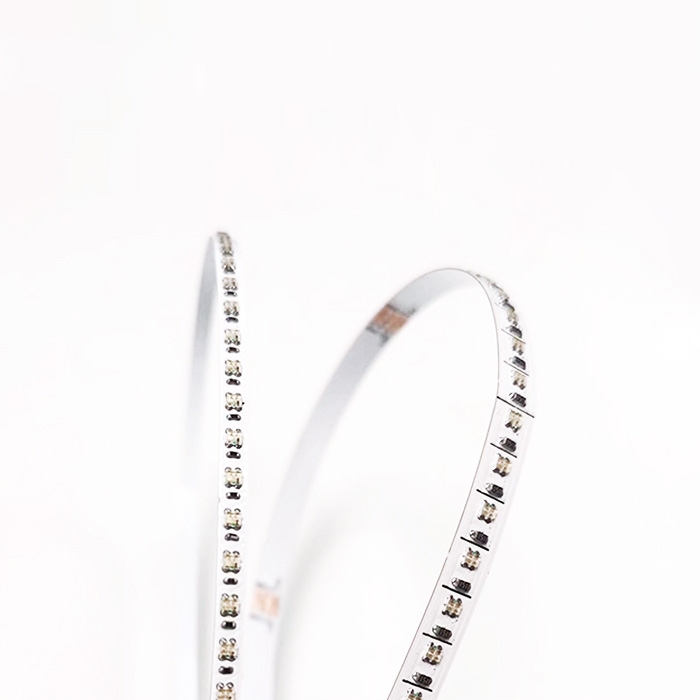
Ultra Small Bright 3V Battery Powered RGB LED Strip Light
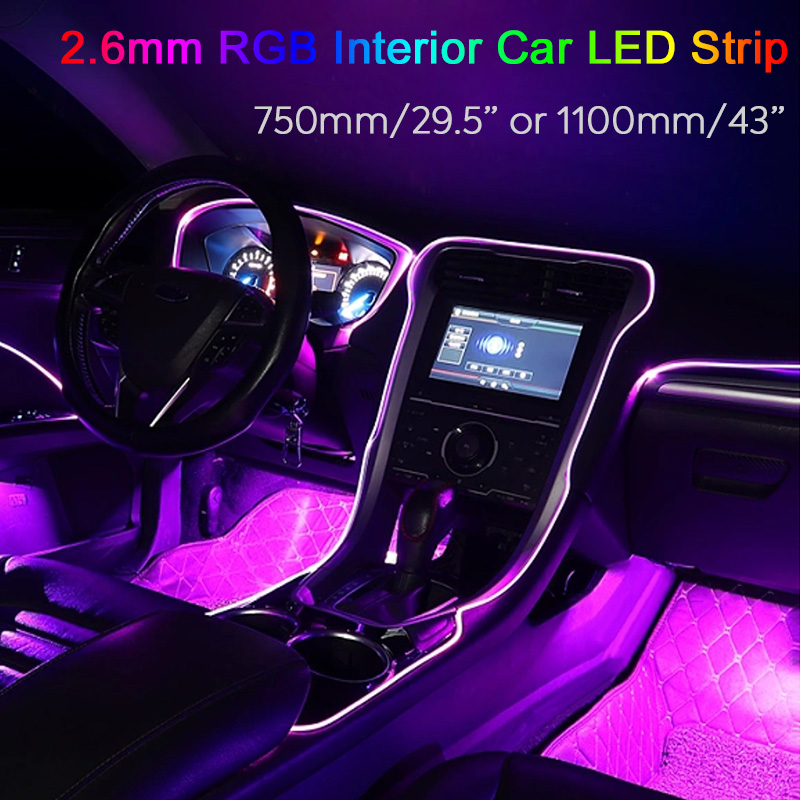
Very Small DIY Interior Car Bright 5V RGB LED Strip
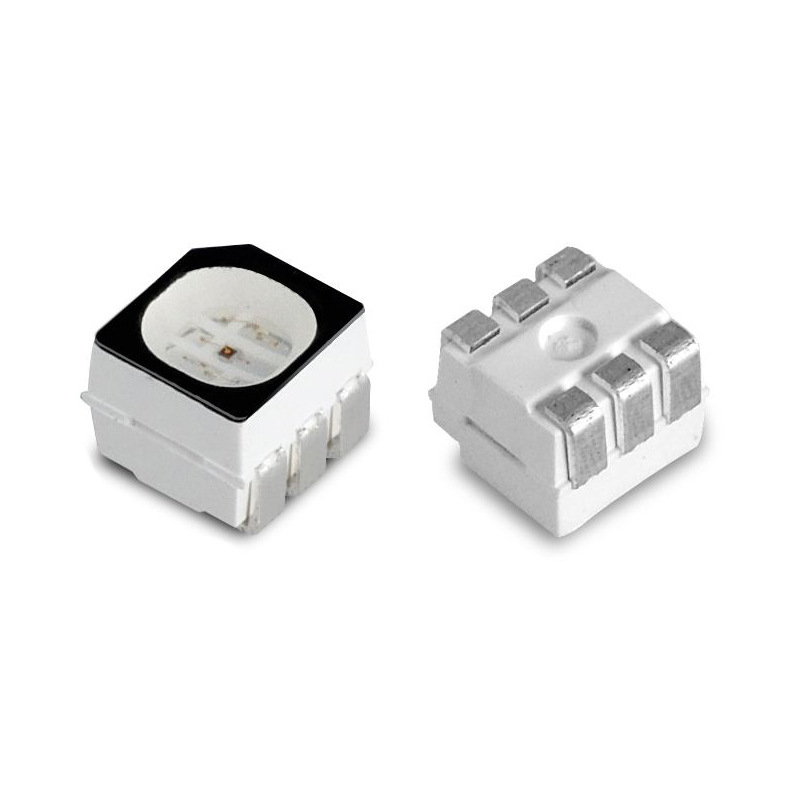
Color Changing RGB LED Chip - Epistar 3535SMD - 500PCS By Sale
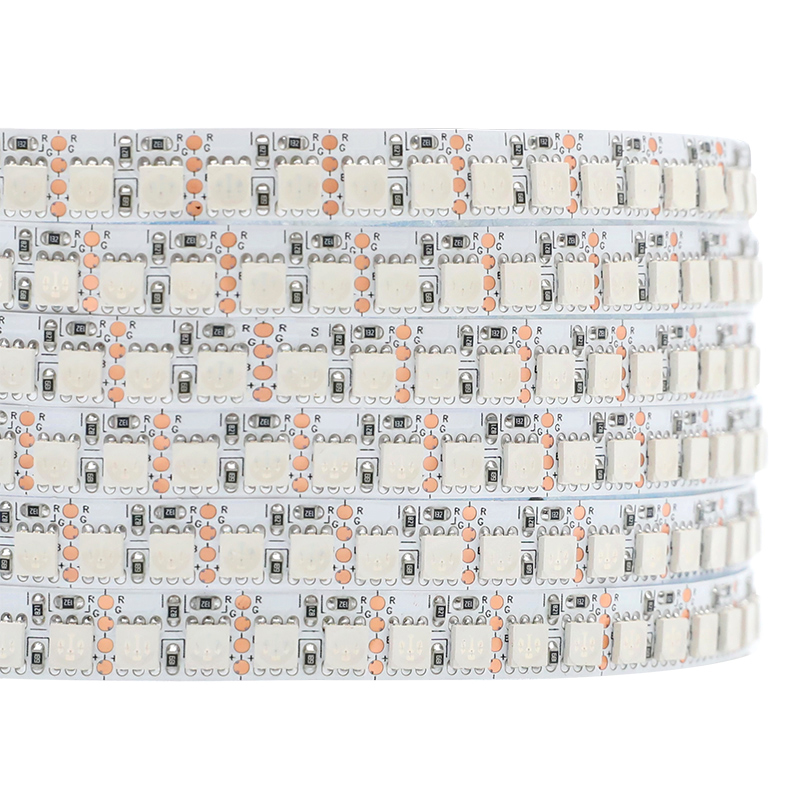
10mm 12V RGB 5050 SMD LED Strip High Density 132LEDs / m
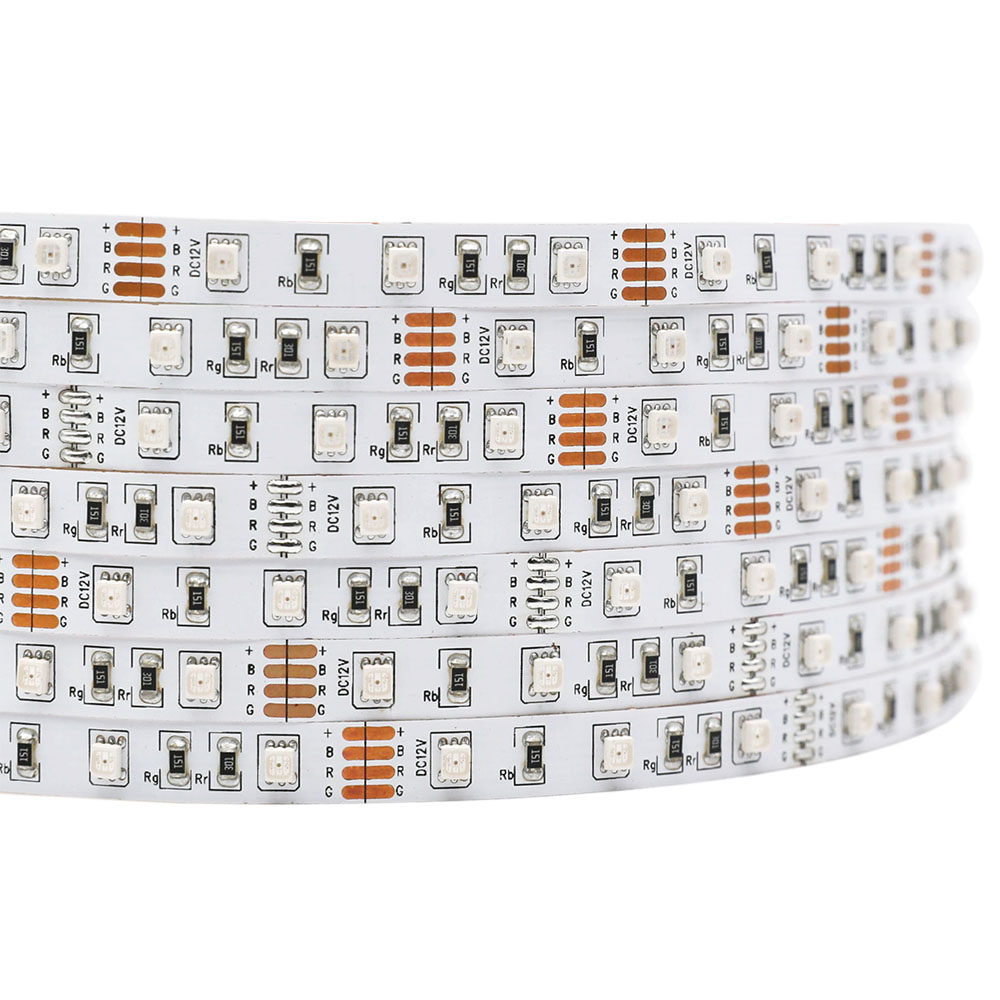
DC12V 60LEDs/m 300LEDs SMD3528 RGB LED Strip Light
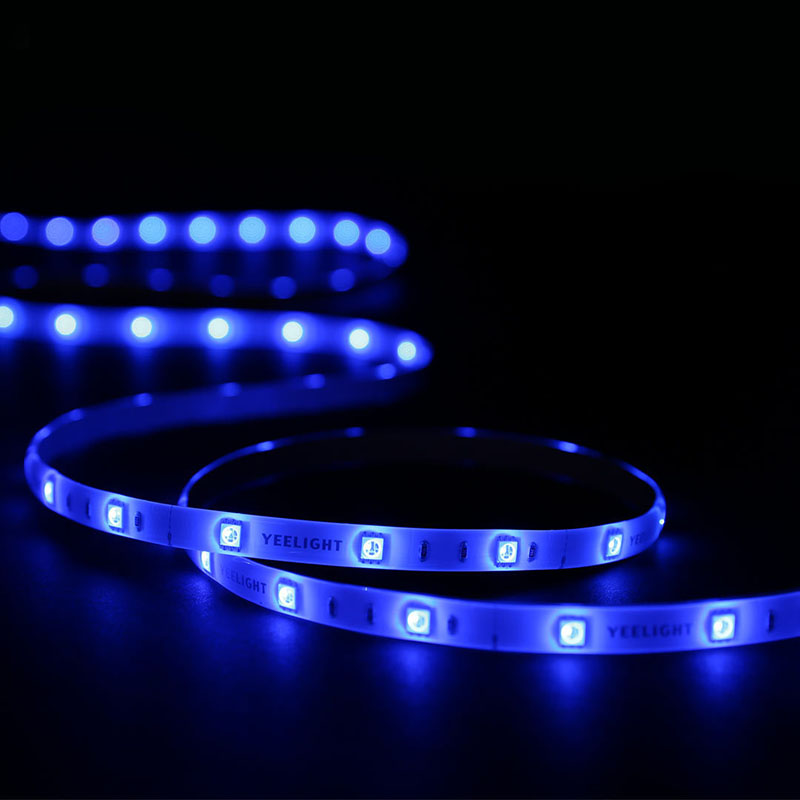
Yeelight Smart RGB Color Changing LED Strip Light
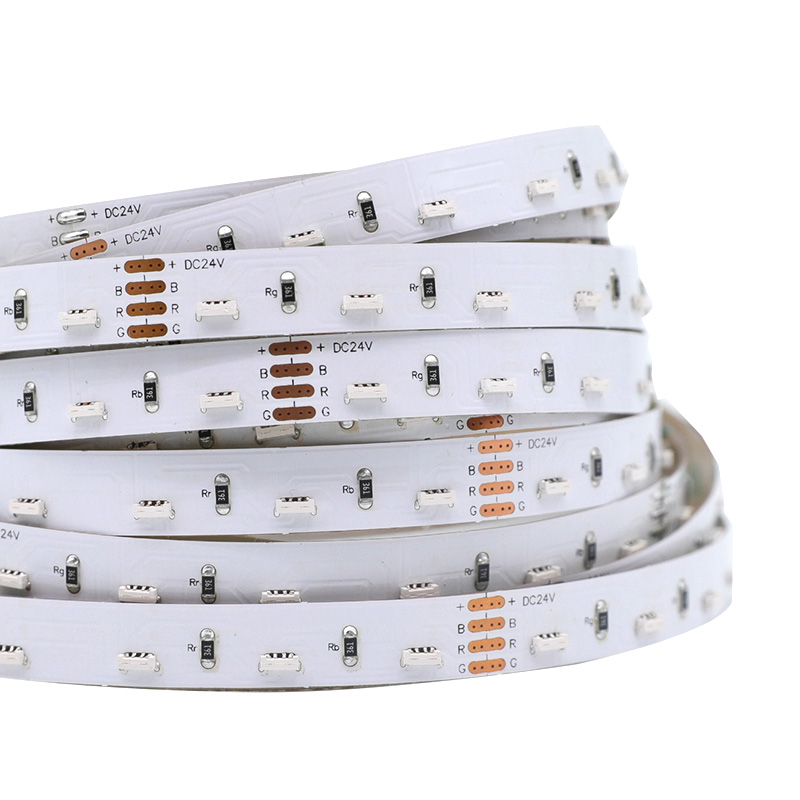
24V 300LEDs Side Emitting Color Changing RGB LED Lights Strip
Frequently Asked Questions About RGB Flexible LED Strip Lights
Your project questions, answered by our engineers. Here's what people usually ask right before they order.
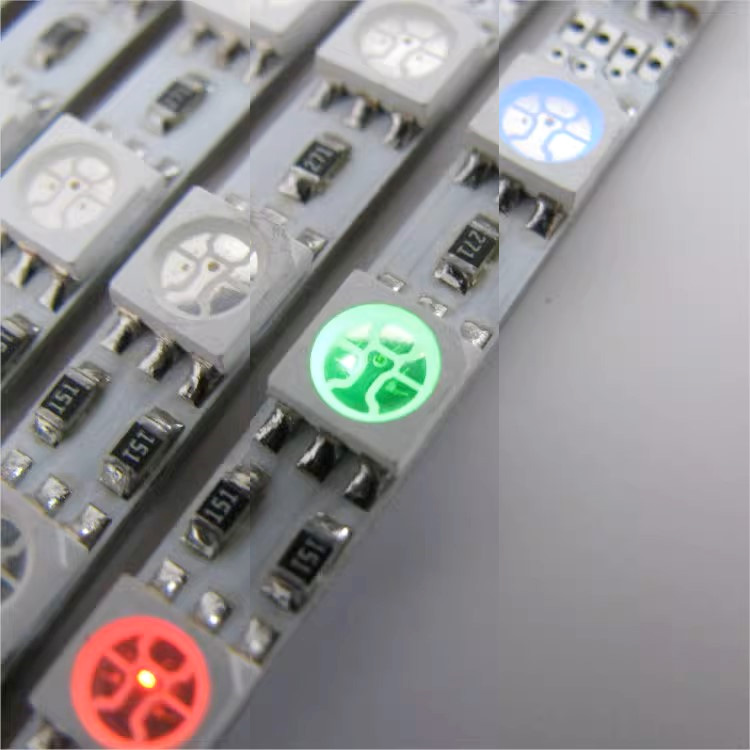
What are RGB lights? They're simply lights that use a 3-in-1 LED chip containing separate red, green, and blue diodes. By mixing the brightness of these three primary colors with a controller, you can create millions of different hues. It's the same principle your TV screen uses. An RGB LED strip light puts thousands of these tiny chips on a flexible circuit board so you can make long, continuous lines of color.
A 24V LED strip is better for any run over 5 meters (16.4 ft) because it handles voltage drop much more effectively. On a long 12V strip, the end will look noticeably dimmer and might even have a color shift towards red. With a 24V LED strip light, you can often run up to 10 meters on a single power feed before seeing any issues. For the same brightness, 24V lights draw half the amps, which means less heat and less stress on the components.
For 50 ft LED lights, you need to ditch the standard 5-meter-roll thinking. The best option is one of our long-run 24V or 48V strips designed specifically for this, which can handle 10, 20, or even 50 meters on one power supply. The other way is to use standard 24V LED strips and inject power at both ends of the 50 ft run, or every 10 meters. Check out our guide to long runs for wiring diagrams.
The best LED lights for coves are high-density COB (Chip-on-Board) RGB strips. Because the LEDs are so close together, they create a completely seamless, dot-free line of light that looks like a neon tube. This is crucial for cove lighting where the strip itself isn't visible but its reflection on the ceiling is. A standard 5050 SMD strip can create visible 'dots' or scalloping, but a high-density COB tape like our 1080 chips/m RGB COB gives you that perfect, smooth glow.
Properly installing LED strip lights in a channel is simple but you have to do it in order. First, clean the inside of the channel with an alcohol wipe to remove any oil or dust. Then, peel the adhesive backing off the strip a little at a time, pressing it firmly into the center of the channel. Don't just unroll the whole thing and drop it in. Working in short sections ensures it's straight and makes full contact, which is critical for heat dissipation.
It varies a lot depending on the LED type and density, but a common 5050 60 LED/m strip is a good baseline. You'll see specs like an 'RGB light strip 5.5 W/m' or up to 14.4 W/m. A key mistake is thinking that's the constant draw. That's the maximum power, usually when it's set to full-brightness white (all three colors on). A single color like red or blue will use about a third of that. Always calculate your power supply based on the maximum rated wattage to be safe.
Absolutely not, and this is where a lot of projects fail. An IP65 strip has a silicone coating on top, which is fine for damp locations or splashes, but it won't survive rain. For true outdoor use, you need at least an IP67 rating, where the strip is fully encased in a silicone tube. For anything that will be submerged, like in a fountain, you must use an IP68 strip with fully sealed IP68 connectors. Using an IP65 strip outdoors will lead to failure within a year.
The surface is almost always the problem, not the tape. The 3M adhesive we use is excellent, but it needs a clean, dry, smooth, non-porous surface. It won't stick well to raw wood, dusty drywall, or textured paint. The fix is to wipe the surface with isopropyl alcohol first, let it dry completely, and then press the strip on firmly for about 10 seconds. On tricky surfaces, running it inside a shallow aluminum channel is the professional solution.
Mostly, yes, as long as the voltage matches. A standard 4-pin, common-anode 24V RGB strip will work with almost any of our 24V RGB controllers. The important part is making sure the controller can handle the total wattage of your strip. If you have a 5-meter strip that pulls 72 watts, don't connect it to a controller rated for only 50 watts. It'll either shut down or burn out.
If you miss the designated copper cut pads, that one small section of the strip between the two cut points will go dead. The rest of the strip will still work fine. Each cuttable section is its own little circuit. On our 24V strips, this is usually a group of 6 LEDs. If you accidentally cut through the middle of one of these sections, you've broken that specific circuit, but it doesn't affect the others down the line.
Yes, we do this all day. A huge amount of what we ship is built to a customer's drawing and never appears on the website. You can send us a sketch—even a photo of a napkin drawing—and an engineer will spec out the exact parts list and send you a wiring diagram and quote, usually within 12 hours. We can cut strips to precise lengths, solder on custom lead wires with waterproof connectors, and bin the LEDs for color consistency. There's no fee for the consultation and no obligation to order.
It's all about the look of the light. A 5050 SMD strip has individual, visible LED chips spaced apart. From a distance it looks like a line, but up close or when reflected, you see the distinct 'dots' of light. A COB RGB strip mounts the tiny LED dies directly onto the flexible board and covers them in a continuous line of phosphor. The result is a completely uniform, seamless line of light with no hotspots, which is why they are some of the best LED strip lights for direct-view applications.
In an RGB strip, the color meanings are straightforward: 'R' is for the red channel, 'G' for green, and 'B' for blue. When a controller sends a signal, it's telling each of those three channels how bright to be on a scale (usually 0-255). A signal of (255, 0, 0) means full red, no green, no blue. (255, 255, 0) means full red and green, which your eye sees as yellow. It's the combination of those three values that creates the final color you see.