
WS2812B IC Programmable LED Strips
48 products
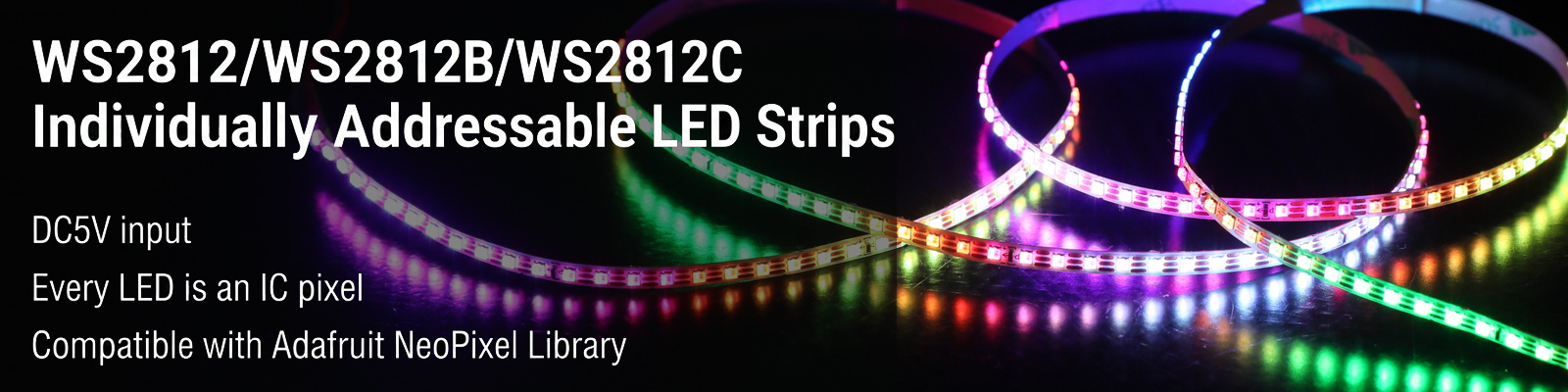
When you need individual control over every single LED on a strip, the WS2812/WS2812B/WS2812C LED strip is the industry standard for a reason. Unlike other addressable LED strips like WS2811 that use an external driver IC to control groups of LEDs, the WS2812/WS2812B/WS2812C integrates the LED driver IC directly into the 5050/2020/1010/Cob LED package. WS2812B VS WS2811 Addressable LED Comparison And Commonality
It allows for simpler, often narrower PCB designs and means every single LED is its own pixel, all controlled by a single data wire. This is why WS2812 WS2812B WS2812C NeoPixels are the go-to programmable LEDs for everything from DIY projects with Arduino and Raspberry Pi to complex media facades.
The entire ecosystem runs on DC5V, which makes it accessible for hobbyists. SUPERLIGHTINGLED stocks WS2812B addressable LED strips in densities from a power-sipping 30 LEDs/m up to a super-bright 200 LEDs/m, as well as dotless COB versions and ultra-narrow strips down to 2.7mm wide. For most projects, the WS2812B offers the best balance of cost, performance, and massive community support.

2mm Narrow 2020 WS2812b Individually Addressable RGB LED Strips 5V
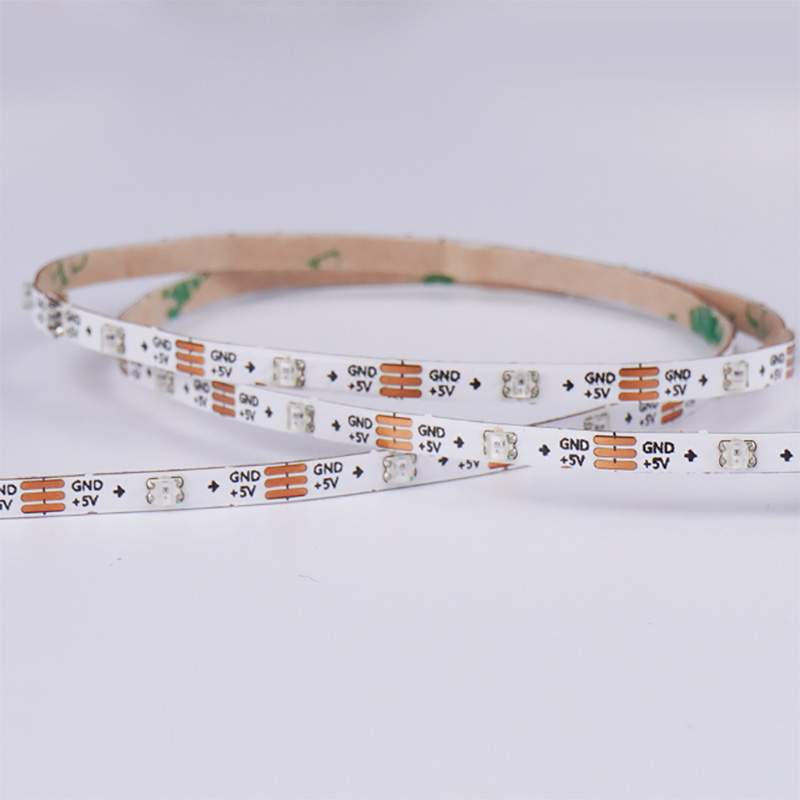
DC5V Super Slim 1010 RGB Pixel LED Strip 60 LEDs m WS2812 IC
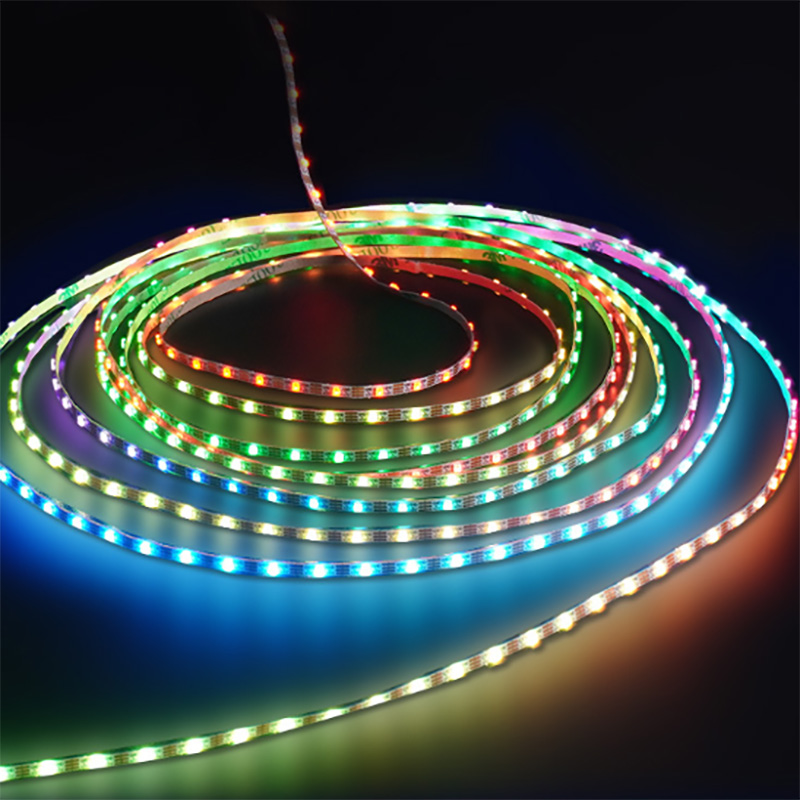
5V Smallest SMD 1010 Neopixel WS2812 RGB LED Light Strip 500LEDs
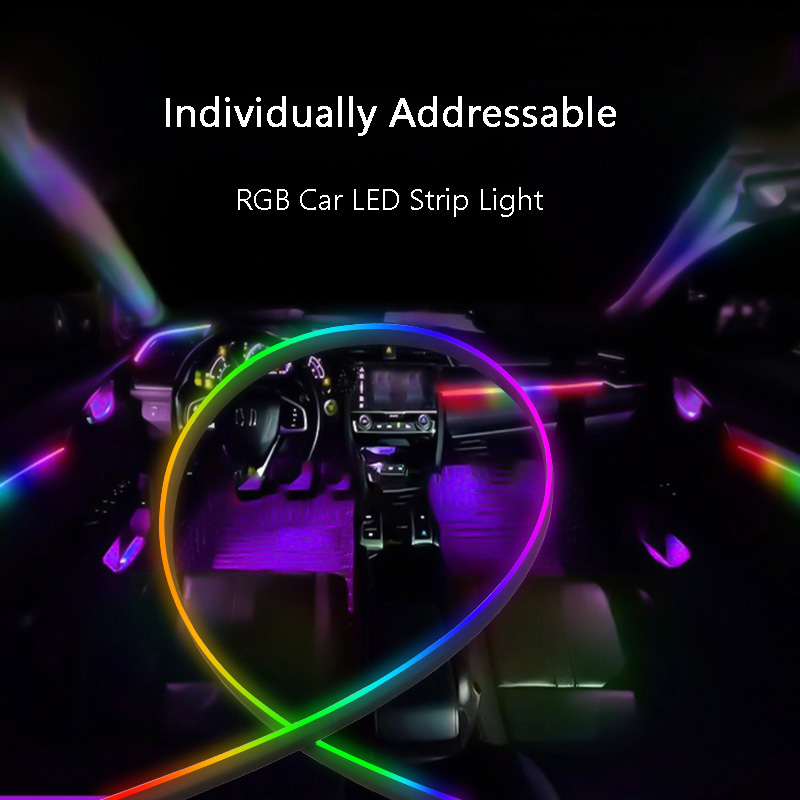
DC5V Ultra Slim 2.6mm WS2812C Car LED Strip Light
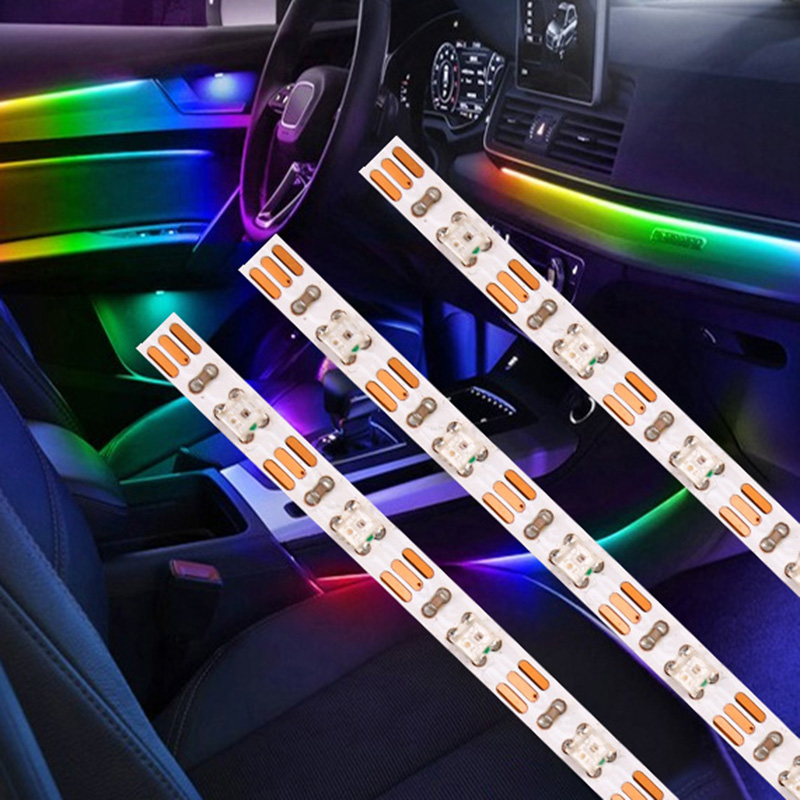
WS2812C 2.6mm Thin LED Light Strips For Cars
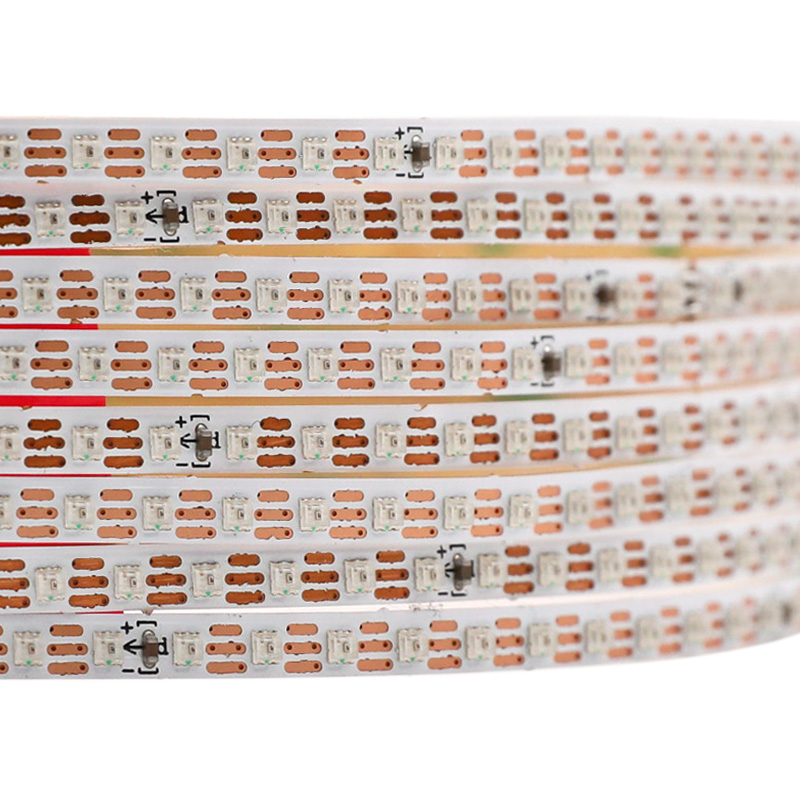
Smallest And Brightest Longer 5m 12V 4mm WS2812B SMD 2020 LED Strip
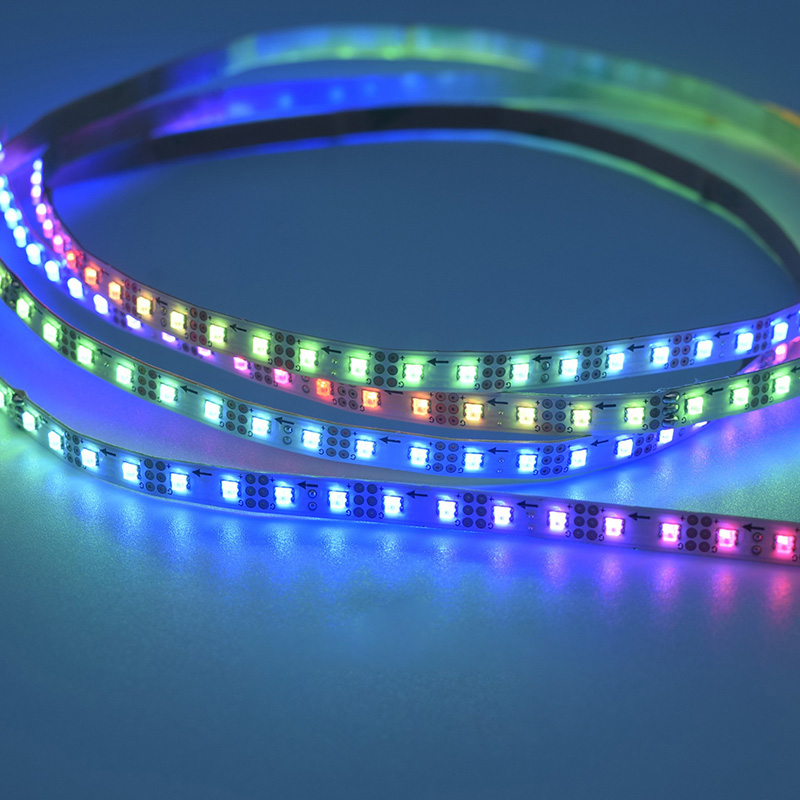
Mini 5mm WS2812 SMD 2020 RGB LED Addressable Strip Light 1 Meter
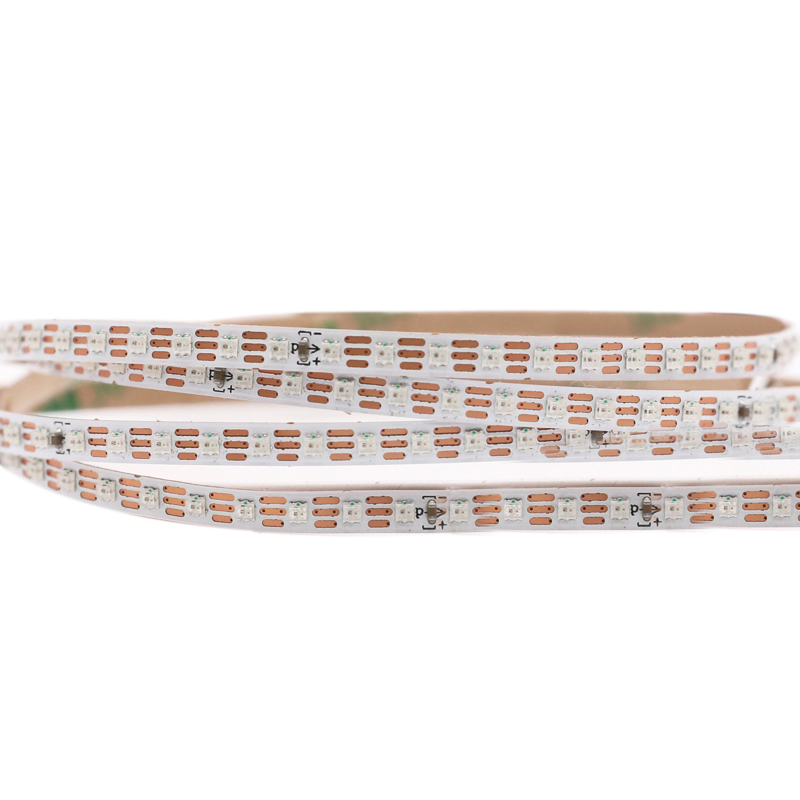
Super Thin 4mm WS2812C 2020 Pixel RGB LED Strip 200LEDs/m
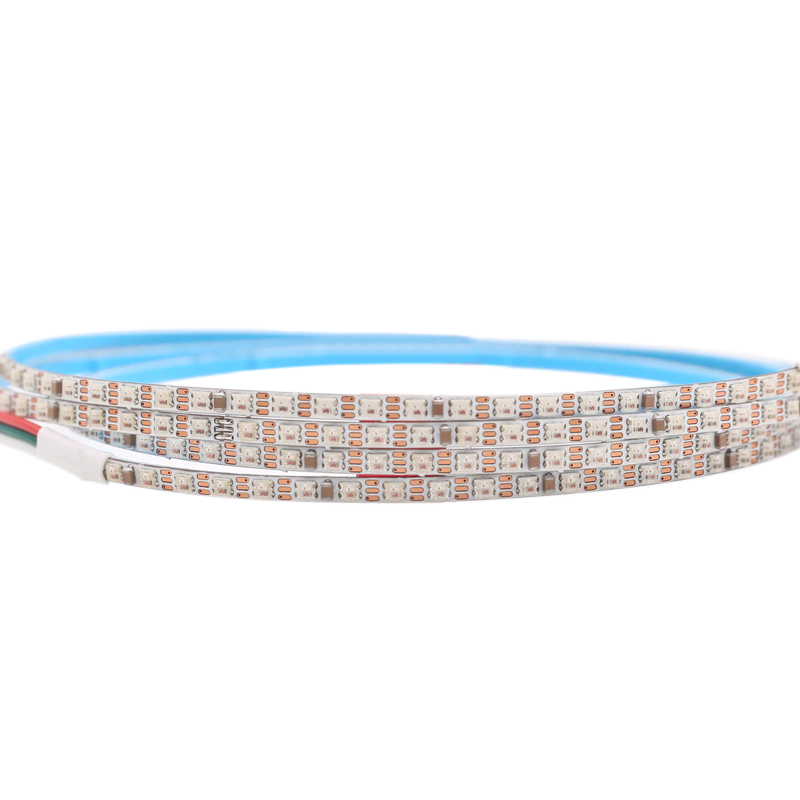
Ultra Narrow 3mm 200LEDs WS2812C 2020 Thinnest ARGB LED Strip
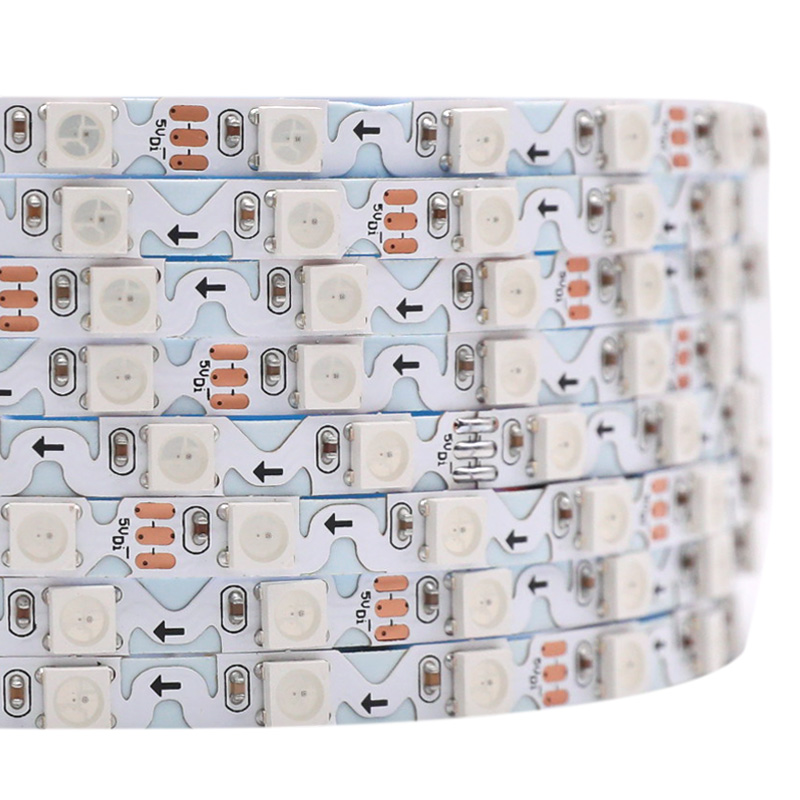
Zig Zag S Type WS2812 6mm Digital RGB LED Channel Letter Strip Light
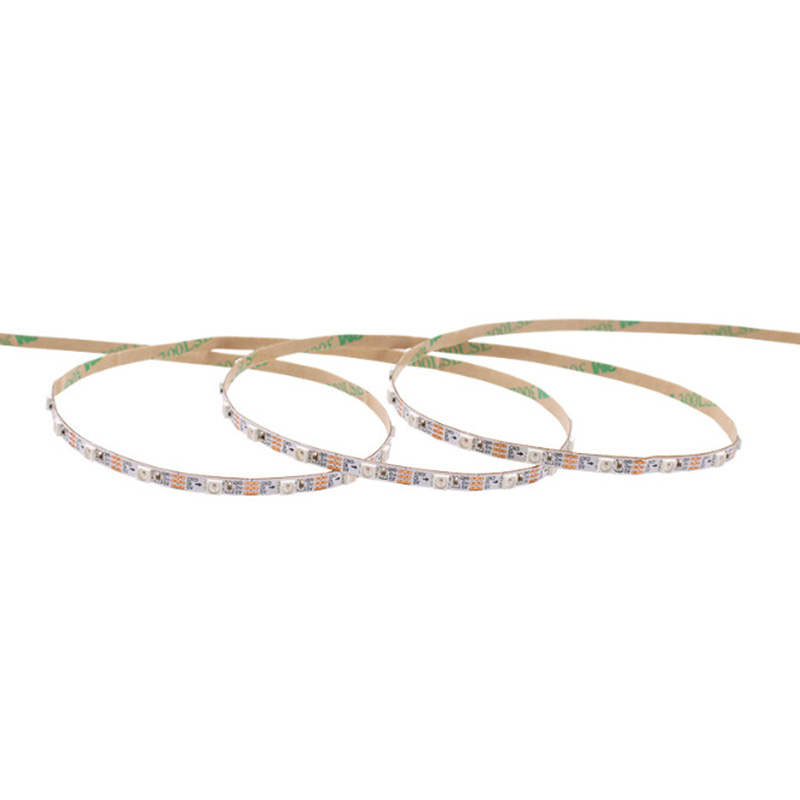
Narrowest 4mm Addressable Mini 3535 WS2812B LED Strip Lights
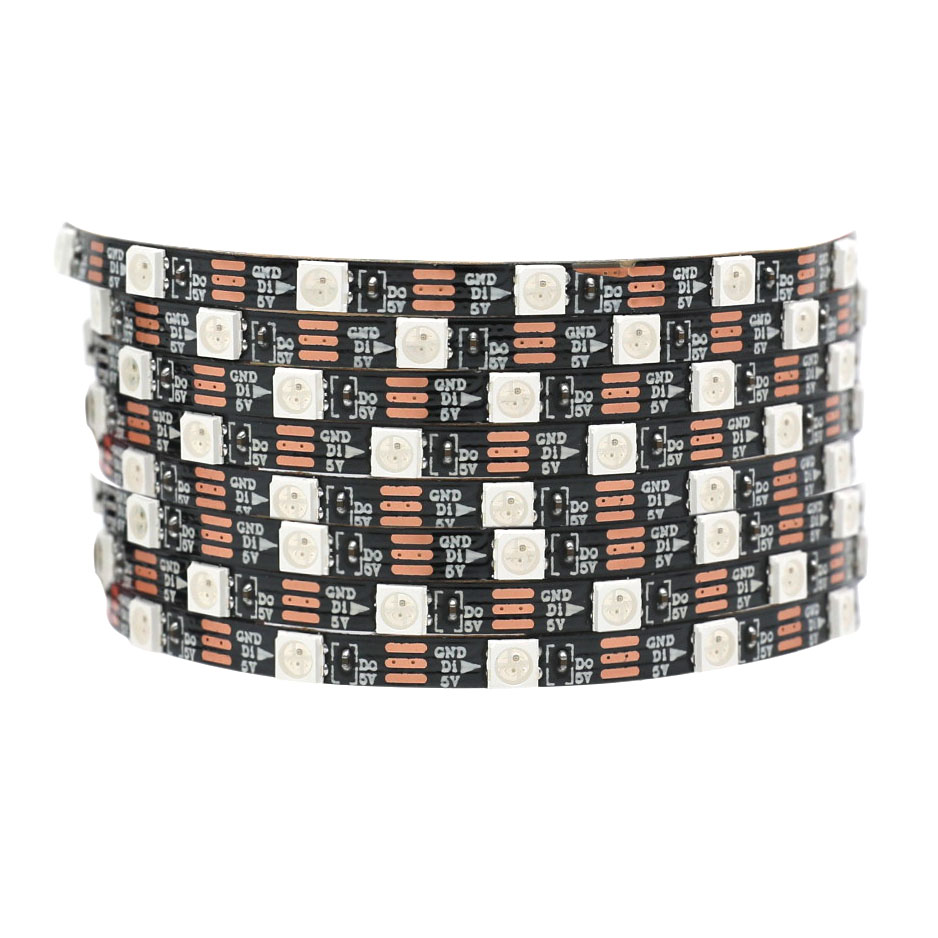
DC5V 4mm Wide 60LEDs/m WS2812B Color Chasing Addressable RGB LED Strip Light
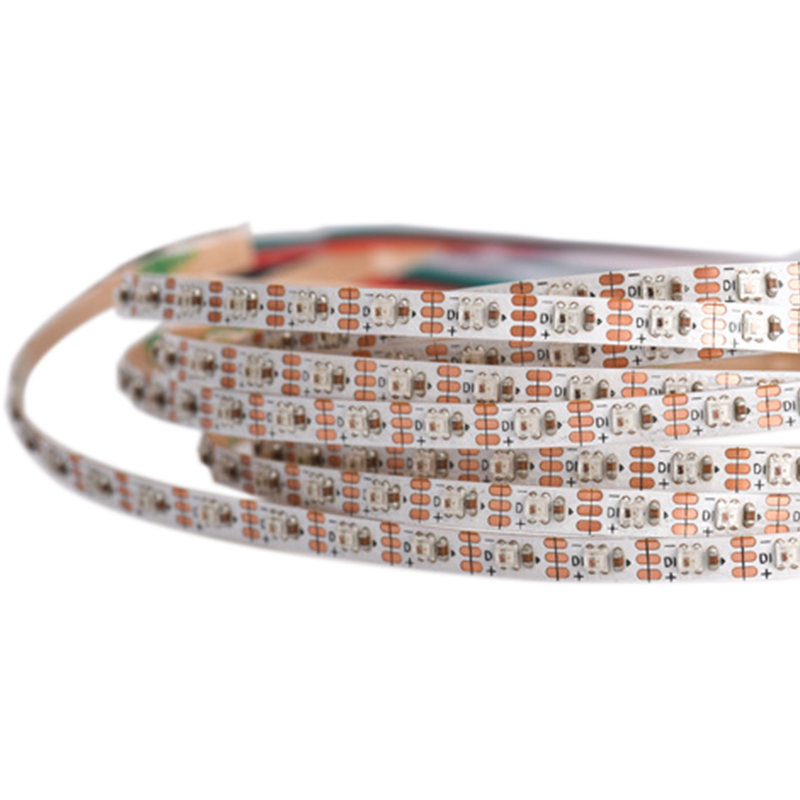
4MM WS2812C Strip Light 3.28ft/1m, Individually Addressable 2020 RGB LED
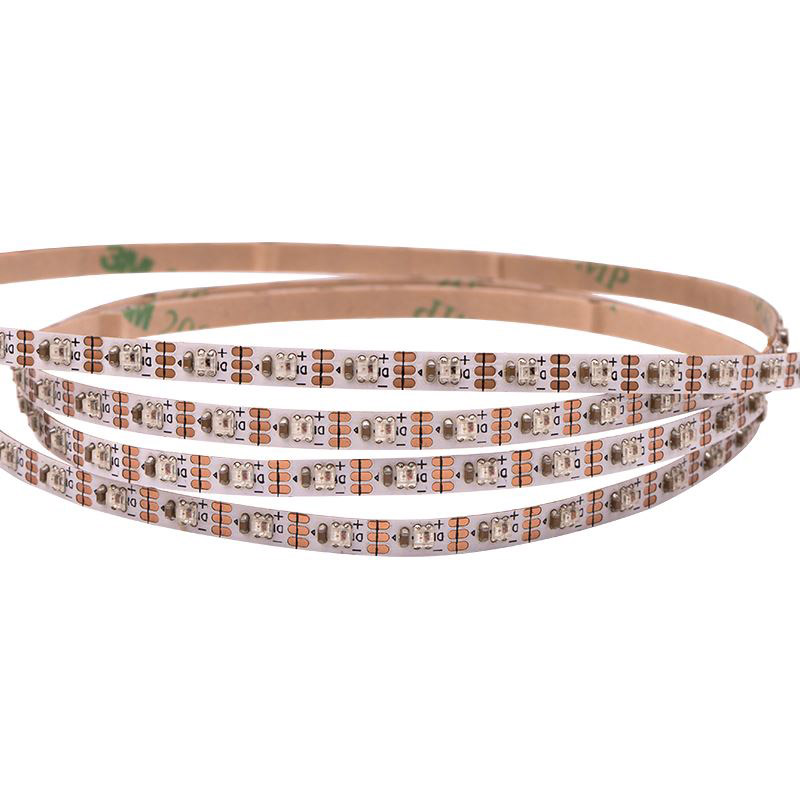
4MM WS2812C Individually Addressable RGB LED Strip Light
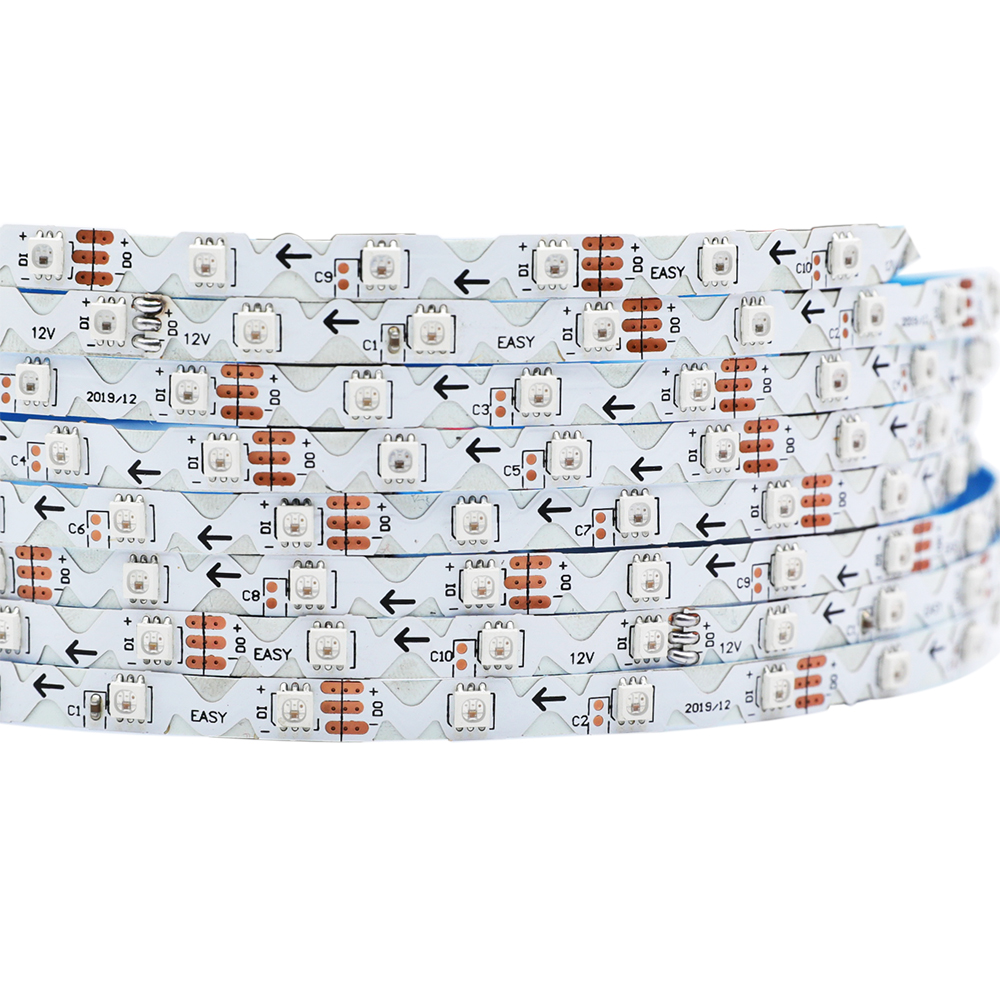
6mm Thin TM1809 3838SMD Addressable RGB Cobra S Type LED Strip
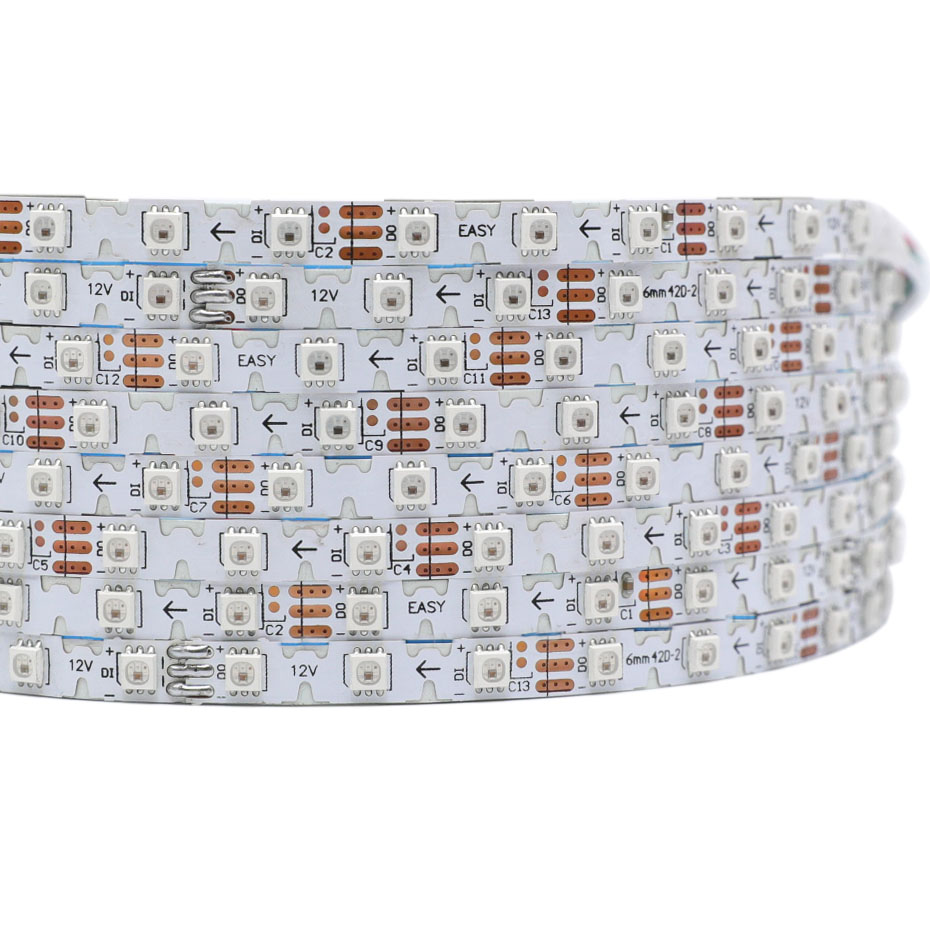
6mm Narrow TM1809/WS2812 SMD3838 Zig-Zag ARGB LED Strip
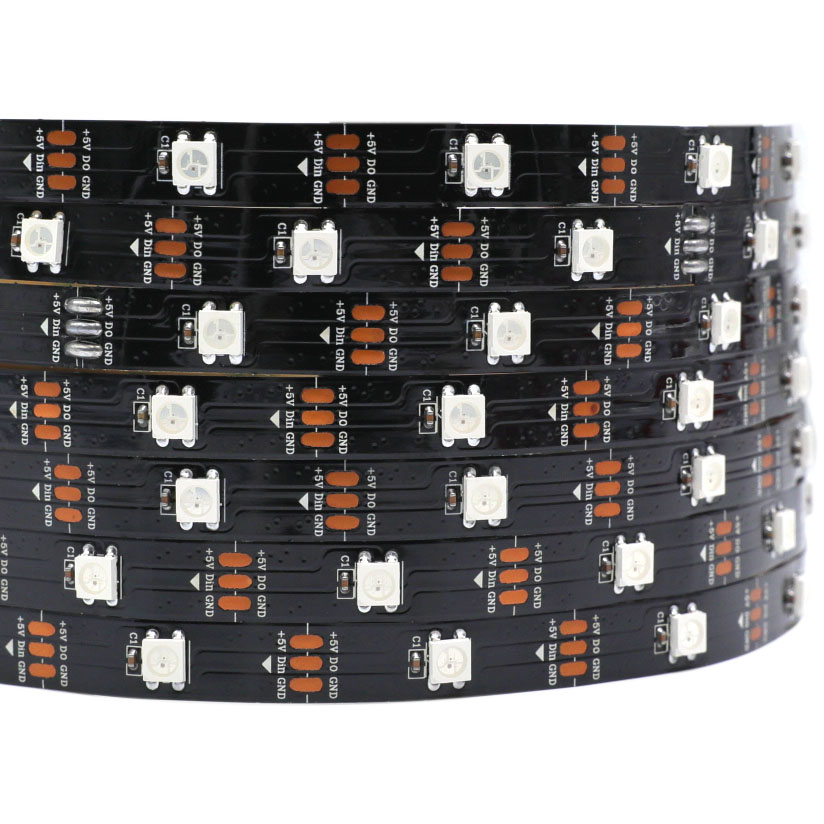
ECO WS2812B 5050 RGB LED Strip Individually Addressable 150LEDs
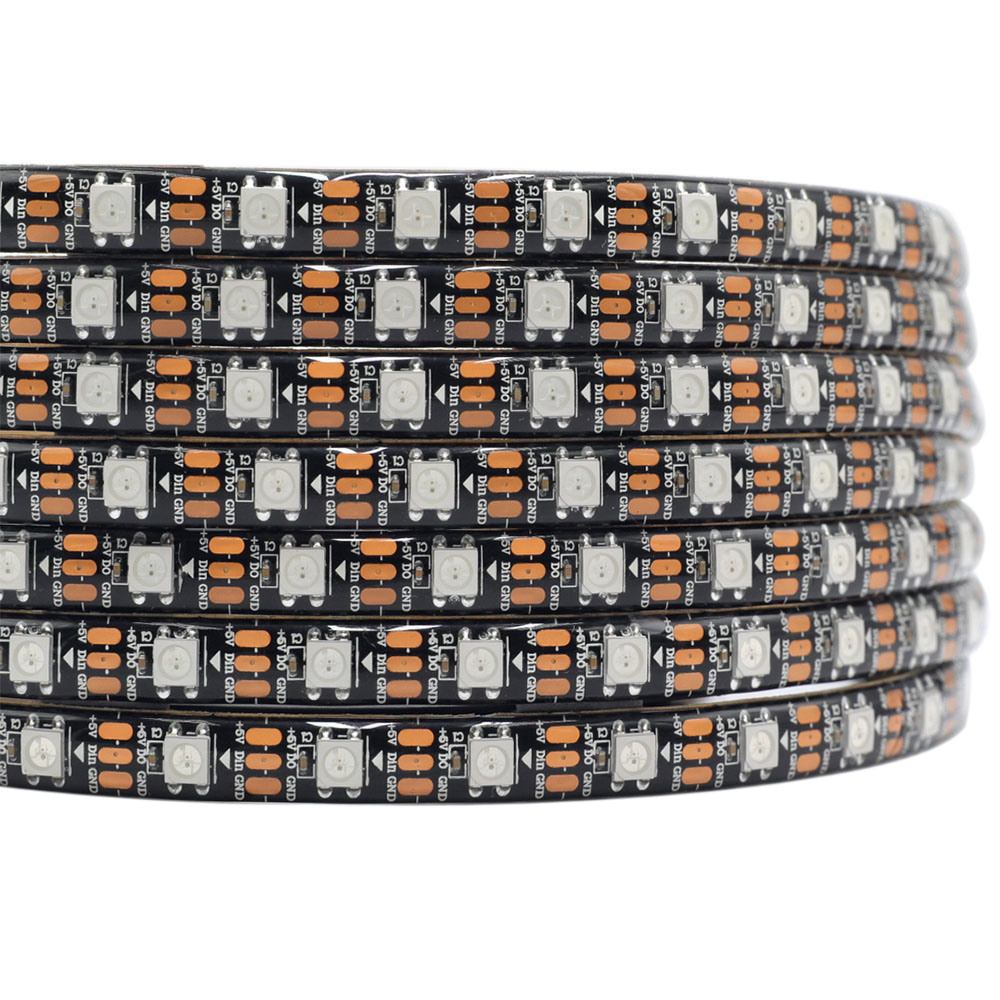
ECO 300LEDs RGB WS2812B LED Strip Individual Addressable
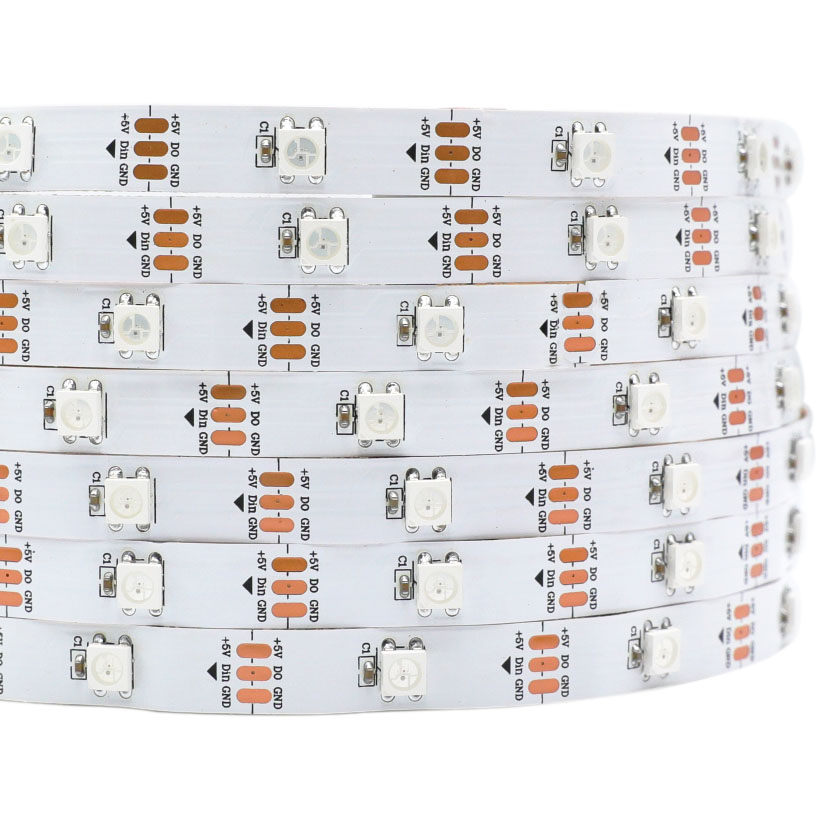
WS2812B Addressable RGB LED Strip 1.64-16.4ft

5V 2.7mm Super Slim RGB Independently Addressable LED Strip COB Tape Light
WS2812 vs WS2812B vs WS2812C: What's the Difference?
While often used interchangeably, these three chips represent an evolution. The original WS2812 was a 6-pin component that was more complex to work with.
The WS2812B is the 4-pin version that became the de facto standard, offering better performance, improved heat dissipation, and reverse polarity protection. It's the IC chip found in the vast majority of addressable LED strips on the market. Built into large SMD5050 RGB LED lights.
The WS2812C is a more compact, lower-power variant, often found in our ultra-narrow strips like the 3mm 120LEDs/m model. Built into small SMD2020, SMD1010, and Cob RGB LED lights.
For nearly all new projects, you'll be working with the WS2812B, but it's helpful to know the history. You can learn more in our article WS2812 VS WS2812B VS WS2812C.
How does WS2812B addressable LED strip light work?
WS2812B LED is an upgraded version of the traditional built-in driver IC, which has a more distinctive effect on performance stability, data transmission speed, heat dissipation capacity, etc. By integrating the driver IC inside the SMD5050 LED, avoiding a large number of LED external chips, capacitor-resistor arrangement occupies a lot of space, shortening the distance of data transmission while bringing the driver IC and SMD LED closer. WS2812B addressable LED strip supports DC5V low input voltage (which can work with DC5V USB LED power adapter), individually addressable (single LED can be cut).
What we need to know before buying?
Any damage to the LED will cause the entire LED strip to not light up and require more power input (5m needs power supply at both ends) to avoid voltage drop caused by over long distance.
WS2812B LED strip works with Arduino UNO development board / Raspberrypi or addressable dream color controllers can work together to adjust 256 levels of brightness scale, output 16 million kinds of light color, produce dynamic color chasing (running horse lighting effect). WS2812B programmable LED light strip is one of the LED light strips with a wide range of applications at present. It has certain advantages in cost.
We provide you with a variety of customized light strip lengths, widths, waterproof grades, LED density, etc to choose from, which issuitable for Indoor and outdoor engineering lighting.
What power supply do I need for a WS2812B LED strip?
Choosing the right power supply for a WS2812B LED strip is critical to avoid flickering and color issues. The rule of thumb is to budget about 50-60 milliamps (0.06A) per LED at full-white brightness. For a 5-meter strip with 60 LEDs/meter (300 total LEDs), you'd calculate 300 LEDs × 0.06A = 18A. You should always choose a power supply with at least 20% overhead, so a 22A power supply would be a safe bet. We strongly recommend our MeanWell UL-listed 5V power supplies for reliability.
For any WS2812 LED run about 5 meters (16.4ft), you must inject power at both ends of the strip—and sometimes in the middle—to counteract voltage drop. This involves running a separate pair of heavier-gauge power and ground wires from your power supply and connecting them to the strip at various points. For a detailed walkthrough, see our guide to wiring addressable strips.
Frequently Asked Questions About WS2812B IC Programmable LED Strips
Your project's ready to go. Here are the answers to the questions we get right before someone clicks 'buy'.
Yes, and skipping it is a common mistake. Most WS2812B IC Programmable LED Strips require a 5V data signal, but controllers like an ESP32 or Raspberry Pi output data at 3.3V. While it might work sometimes, it's unreliable and can cause flickering, incorrect colors, or just a dead strip. A simple 74AHCT125 level shifter is the proper engineering solution to boost the 3.3V signal to a clean 5V the strip can understand.
The WS2812B is a much-improved version of the original WS2812, and it's what you'll find in virtually all modern strips. The main difference is that the WS2812B has only 4 pins instead of 6 and includes reverse polarity protection, making it far more forgiving to wire. It also has better brightness and heat consistency.
Yes, they use the same WS2812B controller chip and are compatible with the same libraries like FastLED and platforms like WLED. The WS2812B is an industry-standard component, so as long as you match the voltage (5V) and LED color code, you can use our strips as a direct equivalent. We focus on offering a wider variety of densities and PCB widths, from ultra-narrow 2.7mm strips to high-density COB versions.
If it's not a 3.3V logic level issue, this is almost always a data problem. Check your data line connection first—a loose wire is the main culprit. Second, keep the data wire from your controller to the start of the strip as short as possible, ideally under 15 feet (5m), and twist it with a ground wire to reduce noise. A weak or noisy signal can get misinterpreted by the first chip, which then passes the garbage data down the entire line.
They are very similar and often interchangeable, but the SK6812 is technically a clone with some advantages. The biggest is that SK6812 comes in more variations, like RGBW, which adds a dedicated white channel for better quality white light. The control timing is slightly different, but most modern libraries like FastLED support both, you just have to specify the right chipset. For standard RGB projects, you can often use either, but if you need pure white, check out our SK6812 strips.
Keep it as short as you can. For a clean 5V data signal, try to stay under 15 feet (about 5 meters). If you need to go further, you can't just use a longer wire. You'll need a dedicated data signal booster or a differential pair transceiver (like RS-485) to send the signal reliably over long distances. For most projects, just place your controller close to the strip.
This is a frustratingly common problem. If the rest of the strip works when you try to address the second LED, it almost always means the data chip inside that first LED is dead. It happens. The data signal has to pass through each LED in series, so if the first one is bad, nothing after it gets the signal. Just cut off that first segment and wire to the second one. If the whole strip is dead, check your power, ground, and data-in connections.
Density is just the number of LEDs per meter. A low-density strip (30 LEDs/m) is great for accent lighting where you see the light's glow but not the strip itself, and it uses much less power. A high-density strip (144 LEDs/m or more) is for when the strip itself is visible or you need a smooth, continuous line of light with no visible 'dots' or 'hotspots', especially inside a shallow diffuser. It's much brighter but also needs a much bigger power supply.
Absolutely. A huge amount of what we ship is built to a customer's drawing. For WS2812B IC programmable LED strips, we can cut to precise lengths, solder on specific JST-SM or waterproof connectors, add custom-length lead wires, and even apply an IP65 waterproof coating. Just send us a sketch or description of what you need. An engineer will send back a full parts list, wiring diagram, and quote, usually within 12 hours. There's no fee for this, and you're not obligated to order.
There isn't really a '12V LED driver IC' in the way you're thinking for these strips; the WS2812B chip itself is always 5V. When a strip is rated for 12V, it's not using a special 12V driver IC. Instead, the flexible PCB has small 12V-to-5V regulators built right onto it, which then feed the standard 5V chips. This design allows for longer runs, but the control is still happening at the 5V level inside the LED package.