
12 Volt Color Changing Light Strips
67 productsFlexible 12 volt color changing LED light strips are ideal for decorative lighting solutions for homes, cars and boats, festive and parties, etc, are more energy efficient than traditional fixtures. Our colorful 12V led strip lights offer RGB, RGBW, RGBCCT light types, support RGB multi-color changing and white light color temperature adjustment, you can easily adjust the led color and brightness to create unique atmosphere and effect. The availability of single or dual white light makes these 12V strip led lights color changing more functional. Access smart home system through color changing led controller.
Are color changing 12V led strip lights good?
12V low voltage design is safe and stable; short cutting distance for flexible installation; with strong backing easily attached to any surface such as wall, furniture, ceiling, etc.; optional waterproof type for outdoor and humid environment; programmable version of 12V color changing led light strips are available to meet more personalized lighting effects.
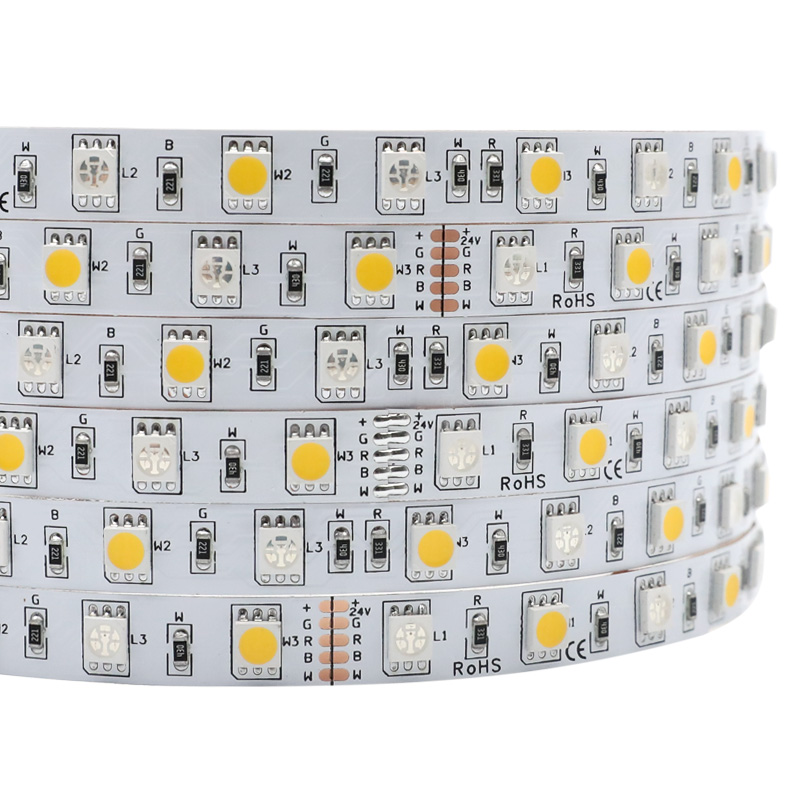
RGB+White LED Color Changing Lights - 60LEDs/m 5050 LED Strip - 12V/24V

RGB+White Color Changing Lights - 72LEDs/m 5050 LED Strip - 12V/24V

RGB+White Color Changing LED Lights - 12V 30LEDs/m LED Strip - 3000K/6000K
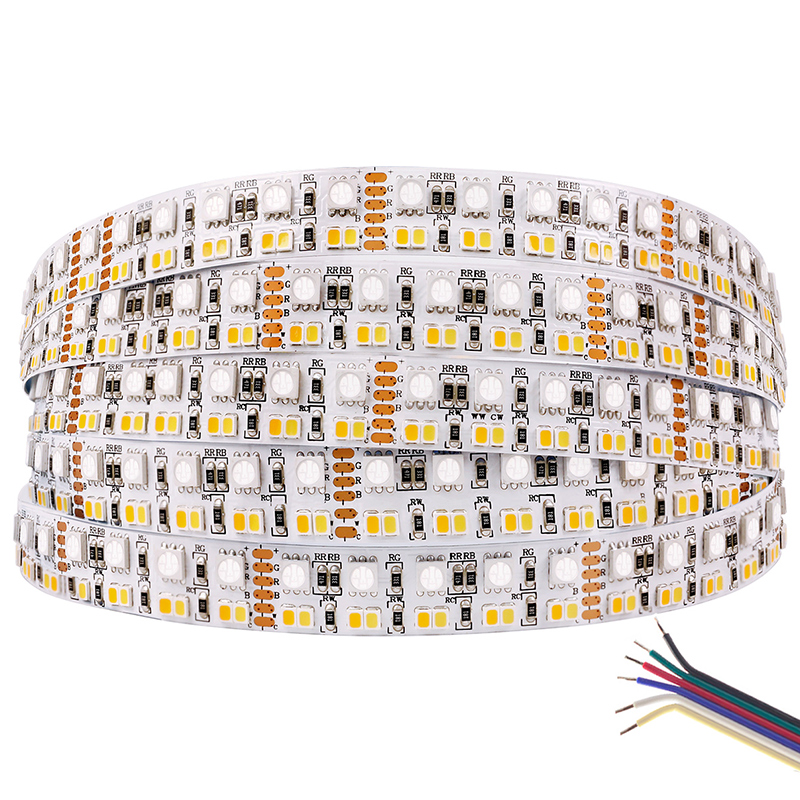
RGBCW Color Changing LED Light Strips - 15mm 24V/12V 5050+2835 LED - 270LEDs/m High Density
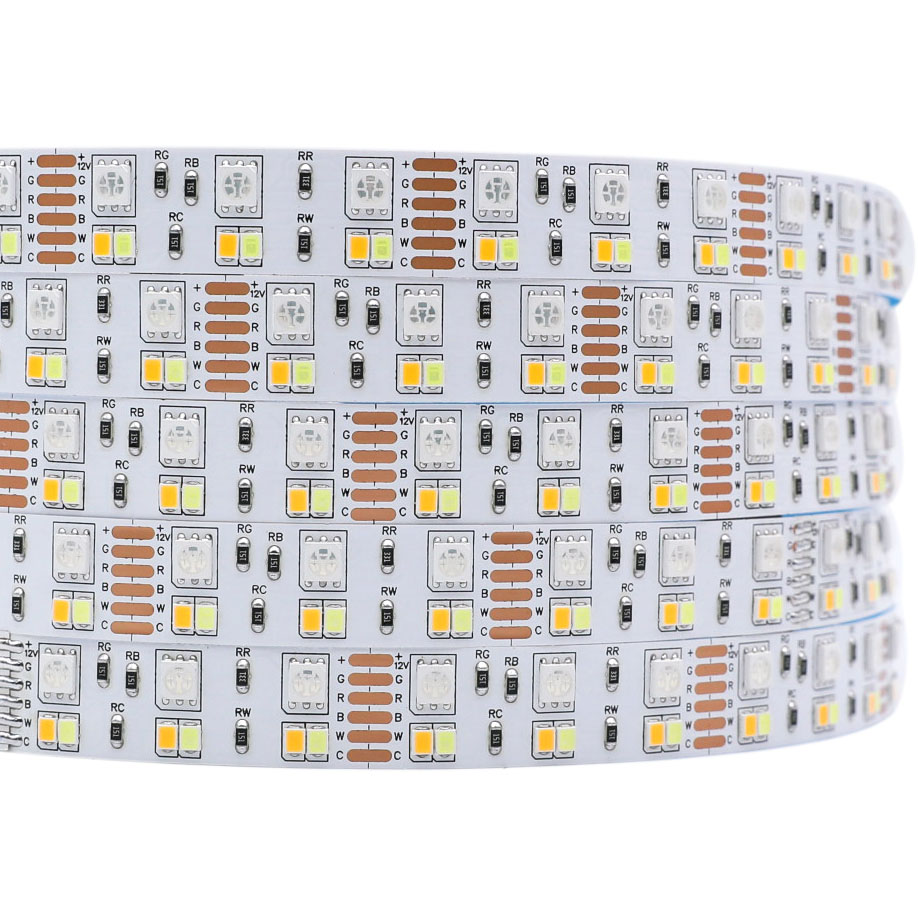
RGBWW 5050+2835 Color Change LED Lights - 16mm 12V LED Strip - 180LEDs/m High Density
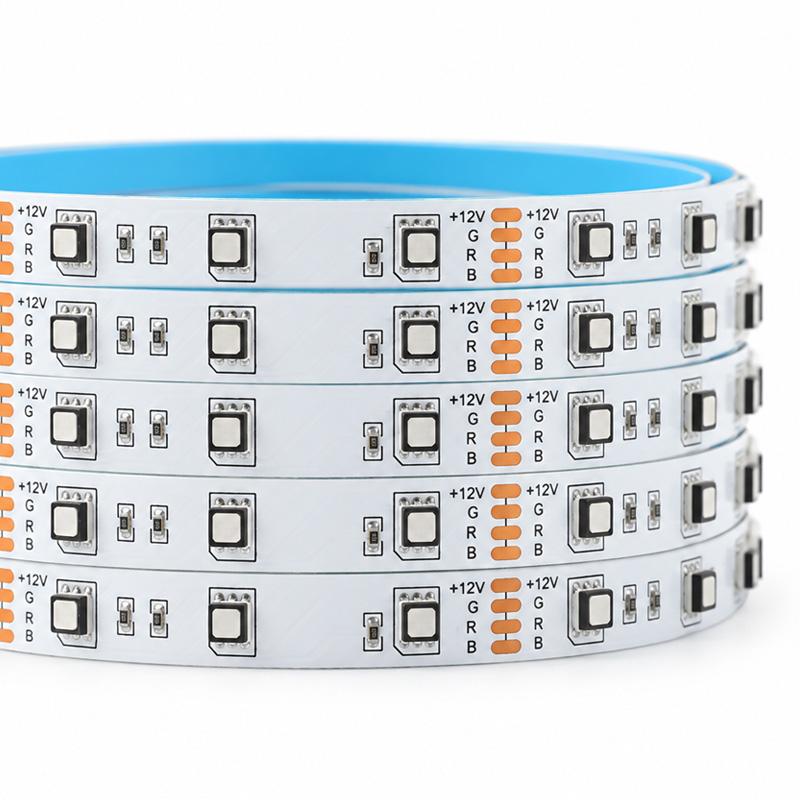
12V 60/120 LEDs/m High SMD 3535 RGB LED Strip
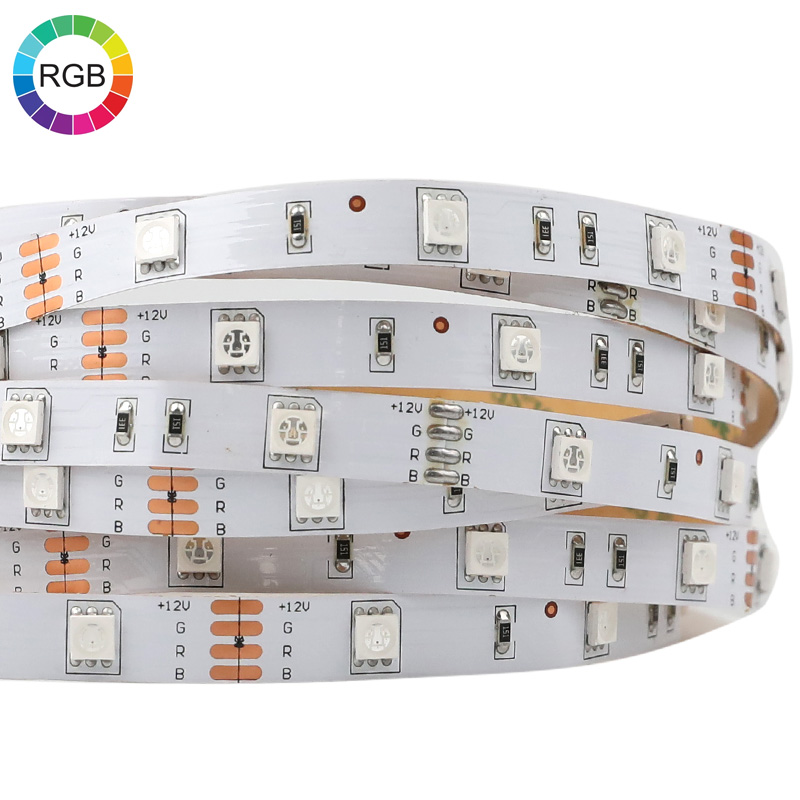
12V/24V 5050 30LEDs/m 150LEDs RGB Strip Lighting
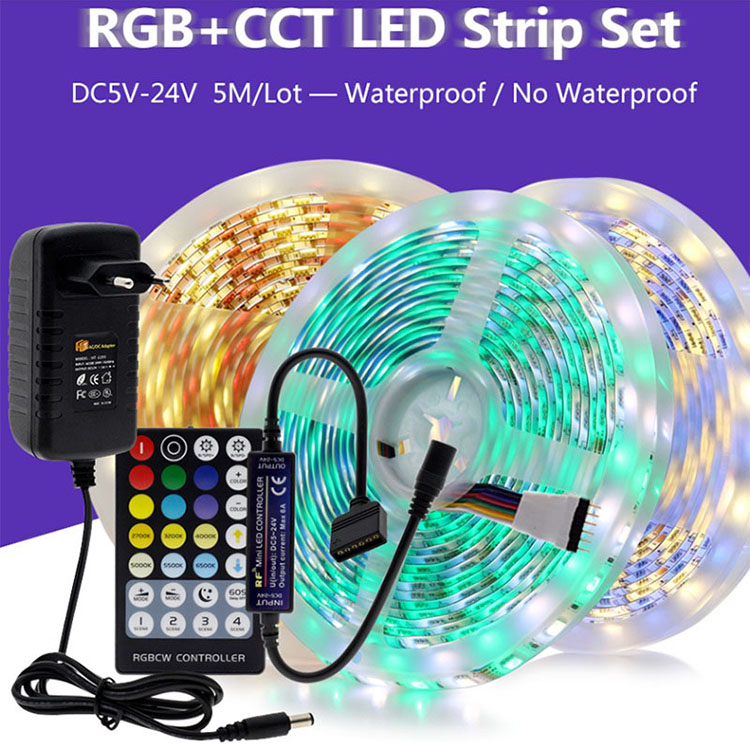
DC12V 16.4ft/5M SMD5050 RGB+CCT LED Strip Light Kit, With 28Key RF Remote Controller,60LEDs/M, Color Changing LED Strip Light
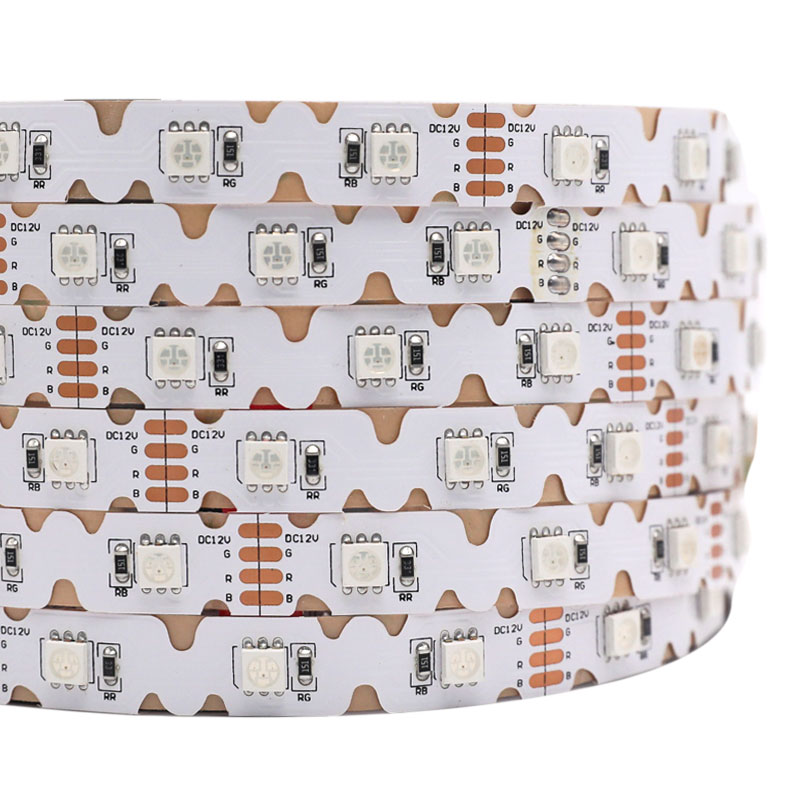
Zig-Zag S Shape 5050 RGB Color Change Bendable LED Strip
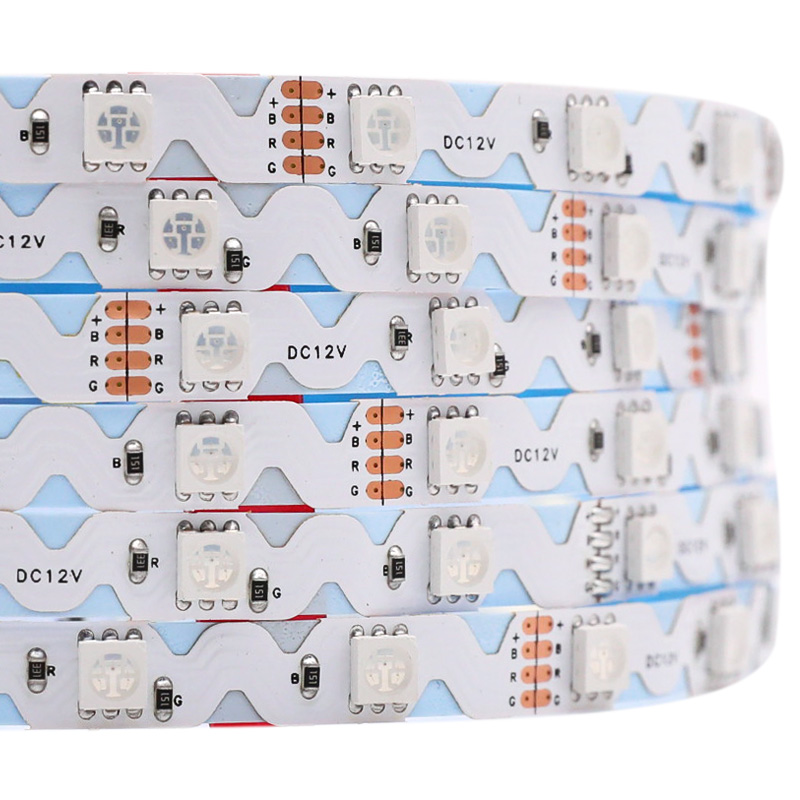
12V 48LEDs/m 5050 8mm S RGB Channel Letter Signage LED Strip Light
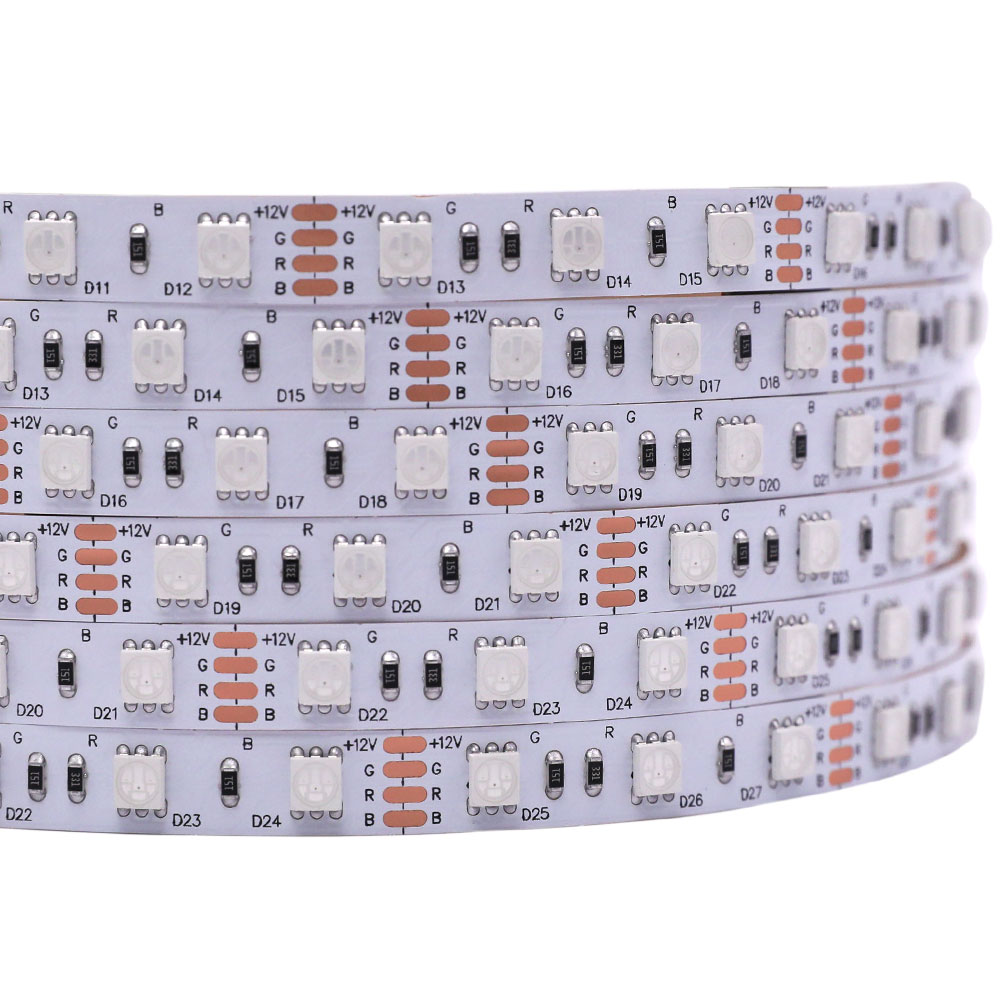
12V/24V 10mm 60LEDs/m 5050 RGB LED Strip Light
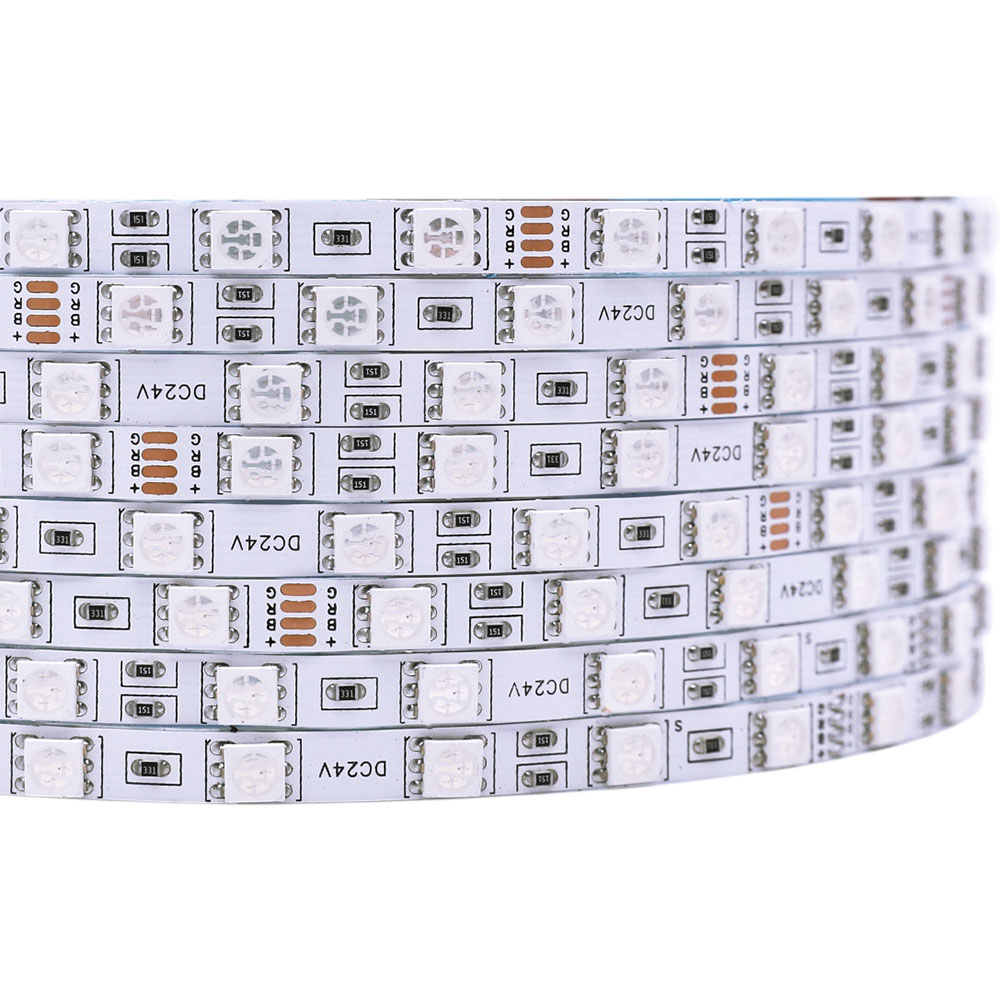
SMD5050 6MM Ultra-narrow 60LEDs/m Flexible RGB Light Strip
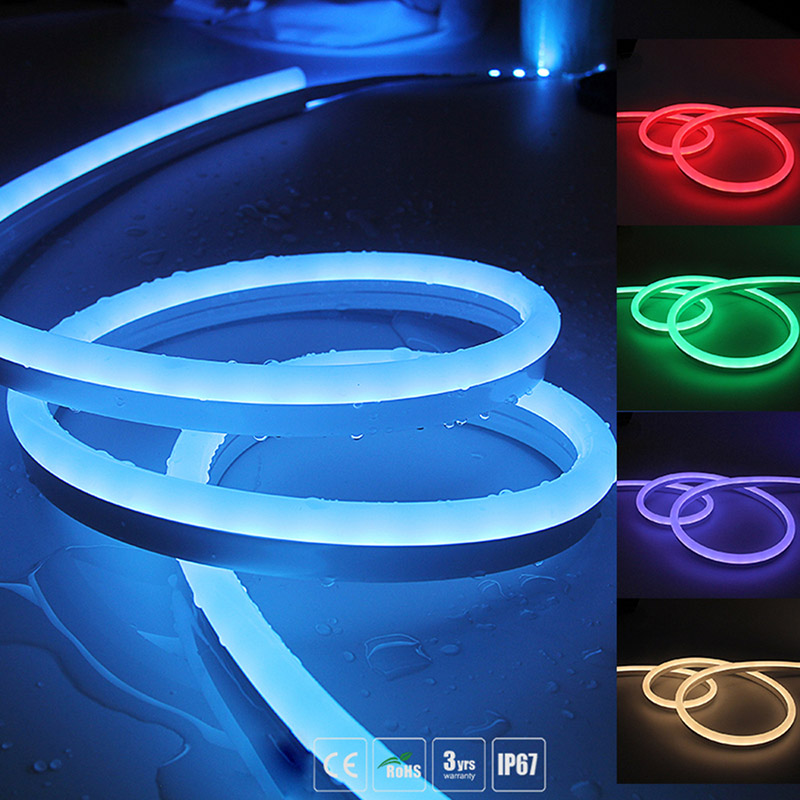
Color Changing RGB LED Neon Lights - Silicone Neon - DC12V Input
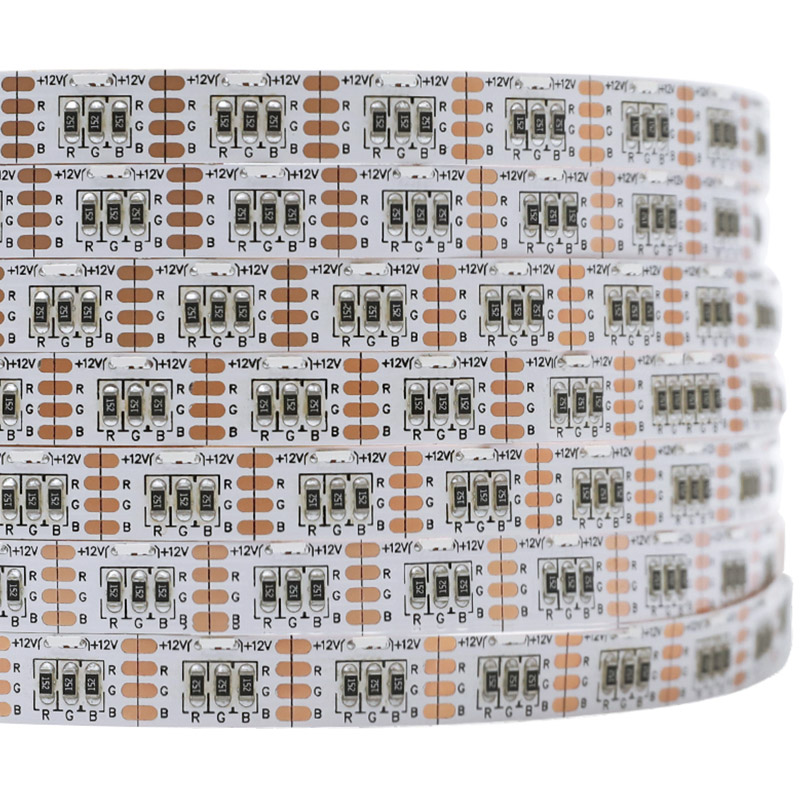
12V 60LEDs/m Side Emitting RGB LED Strip - Single LED Cuttable
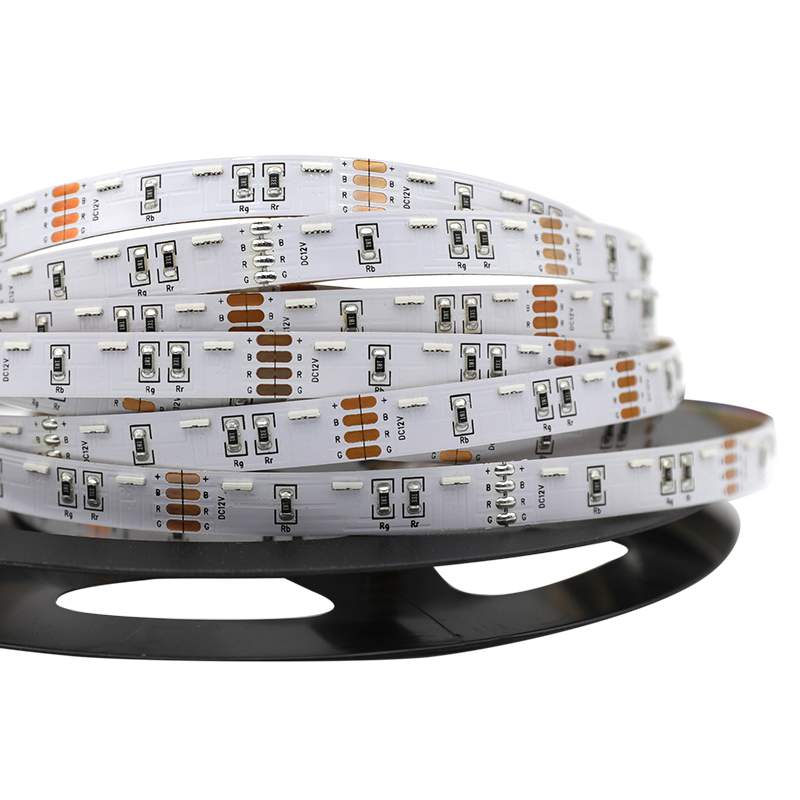
DC12V 300LEDs RGB Multi Color Side Emitting LED Strip
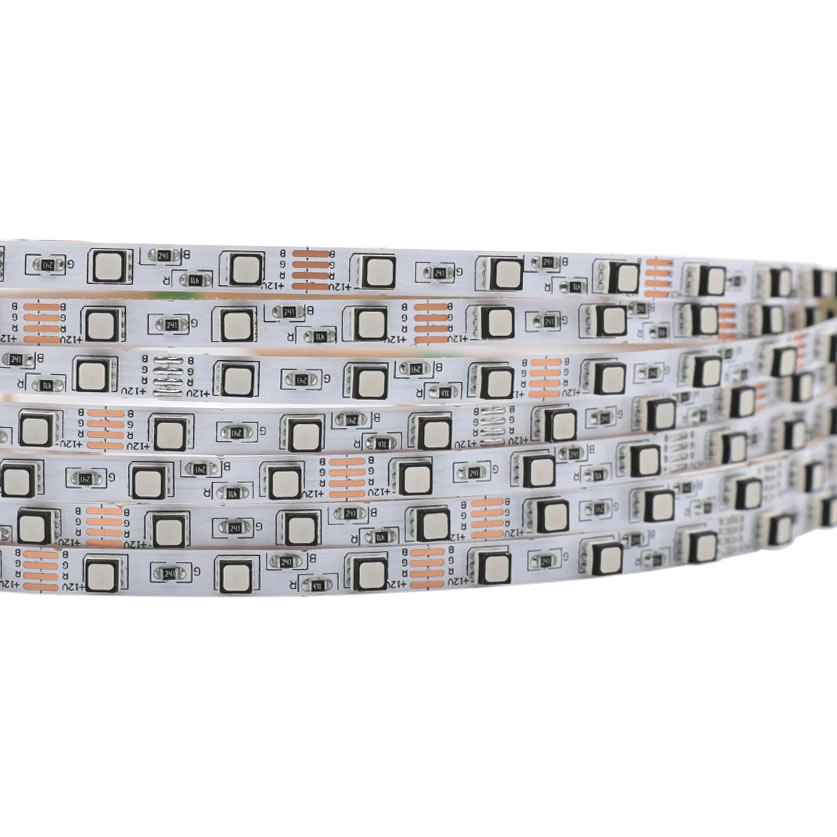
DC12V 5MM Ultra-narrow 72LEDs/m LED Flexible RGB Strip Light
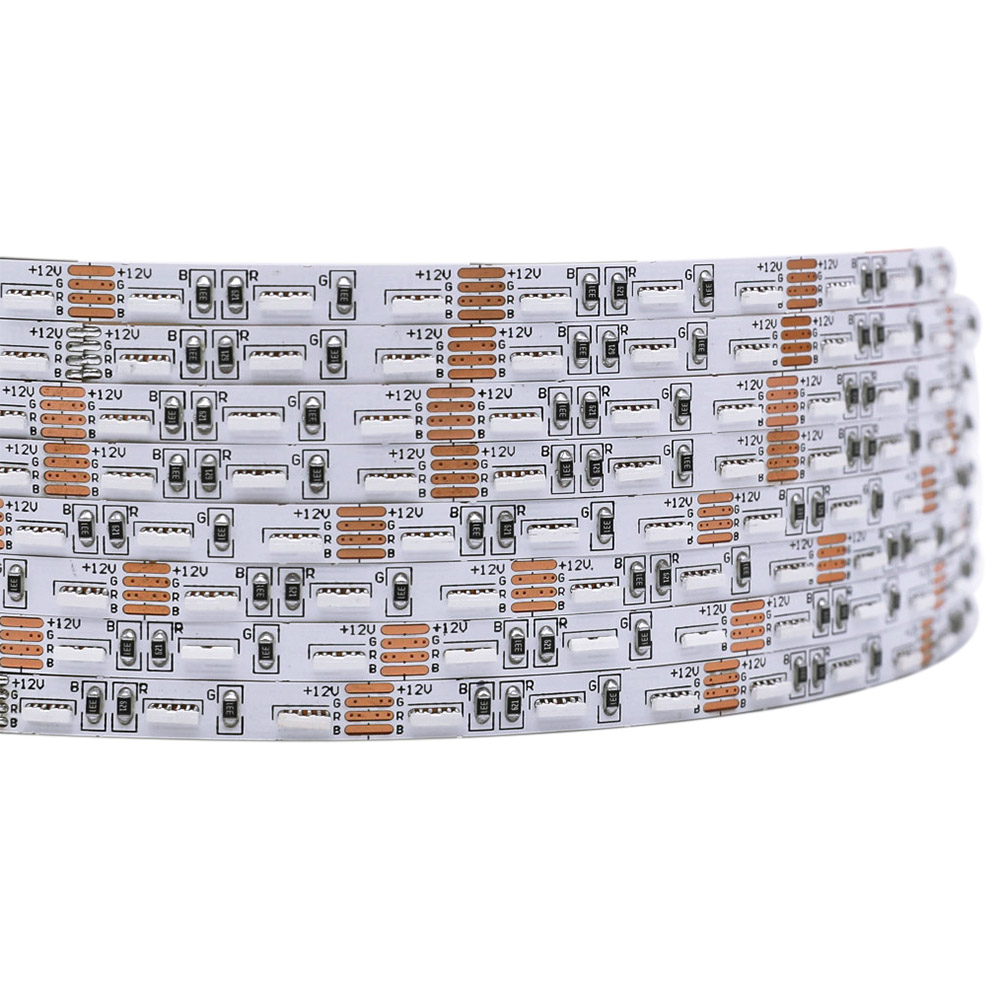
12V 5mm Narrow RGB Side Emitting LED Strip Light 90LEDs/m
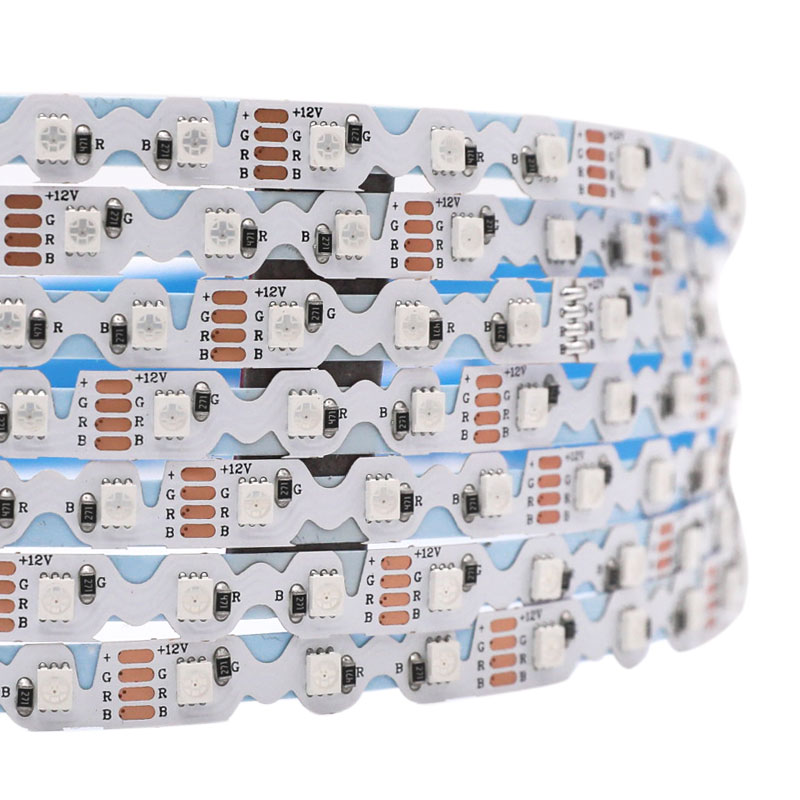
DC12V 7mm SMD2835 Cobra S Shape RGB LED Strip 90LEDs/m 16.4FT
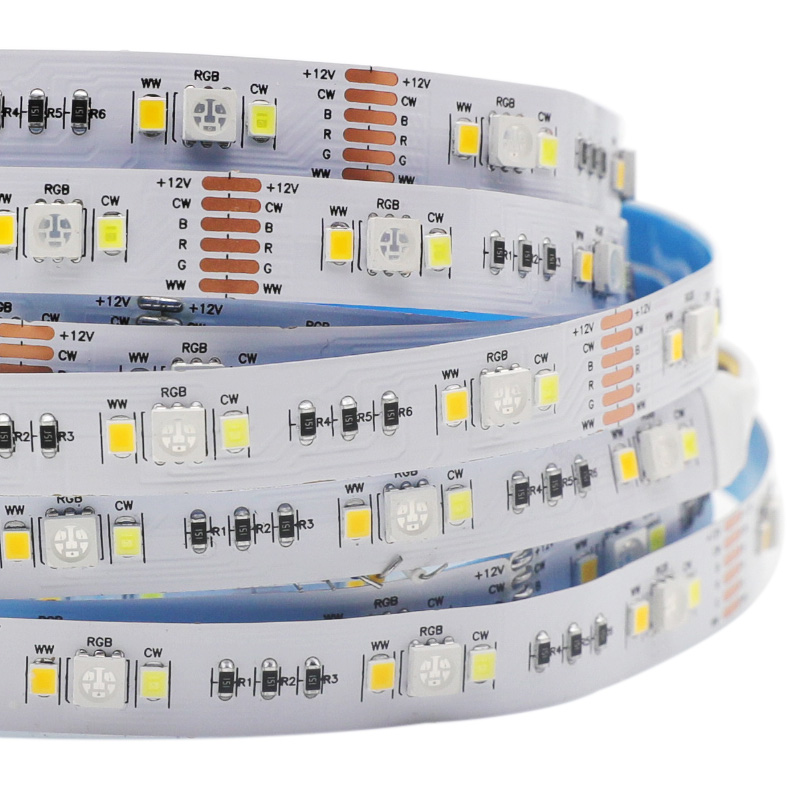
RGB+WW+CW Multi-Color LED Lights - 12mm 12V RGBCCT LED Strip - 60LEDs/m
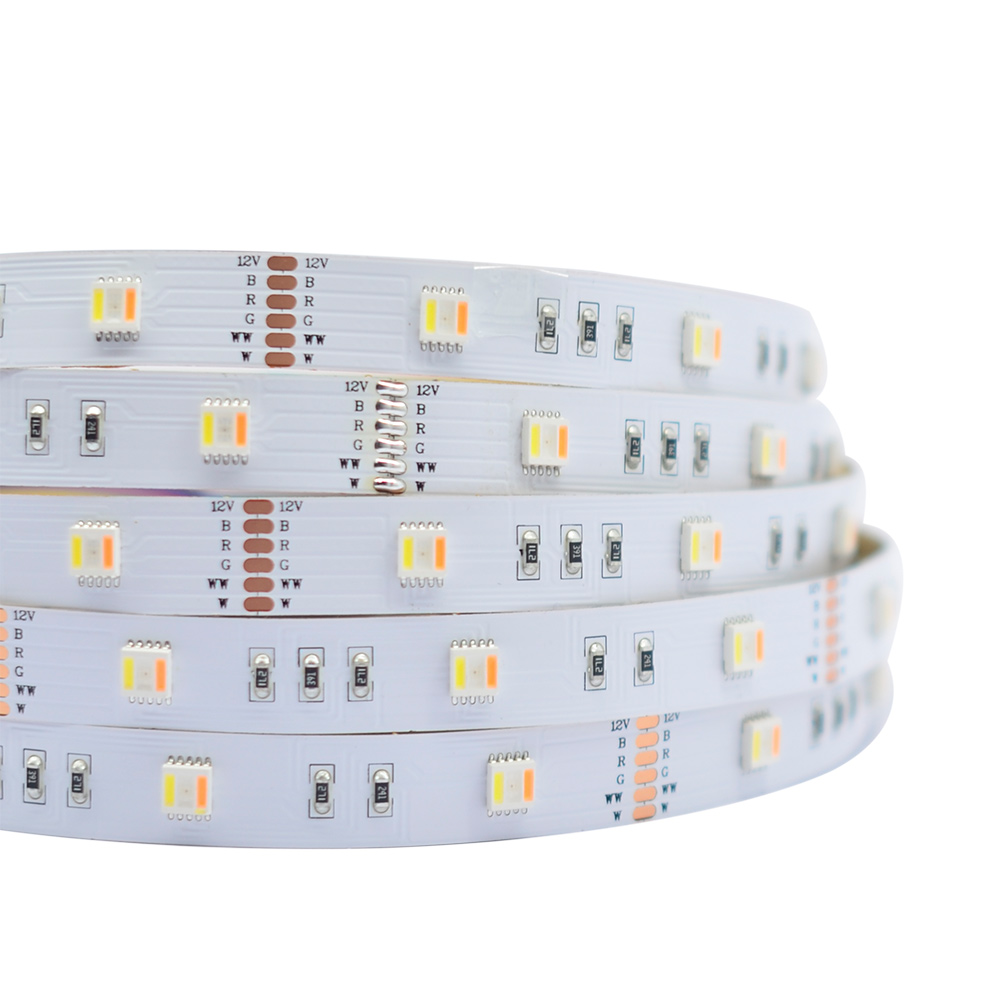
12V RGB CCT 5in1 5050 Color Changing LED Strip Lights 30LEDs/m
Frequently Asked Questions About 12V Color Changing Light Strips
Got a question about your project? I've probably answered it a few hundred times. Here are the common ones I get on the tech support desk.
It's all about how you make white light. A standard RGB strip makes a bluish, kind of weak white by mixing Red, Green, and Blue. An RGBW strip adds a dedicated white chip (the 'W'), giving you a much cleaner, brighter true white. RGBCCT is the next step up: it has the RGB chips plus two different white chips, one warm and one cool, so you can tune the exact shade of white from a warm 3000K to a cool 6000K.
This is the step you can't guess. Look at the strip's product page for 'watts per meter' or 'watts per foot'. Multiply that number by the total length of your run in meters or feet. That gives you the total watts your lights will draw. Now, add 20% to that number as a safety buffer. Pick a power supply with at least that final wattage. Don't skip the 20%; a power supply running at 100% capacity will fail early.
That's voltage drop, and it's the classic downside of 12V systems over longer distances. The voltage literally decreases as it travels down the copper strip. On a 12V color changing LED strip light, this shows up after about 5 meters (16.4 ft). To fix it, you need to power the strip from both ends or run a new power feed every 5 meters. You can read more in our guide on voltage drop.
For a perfect line of light with no visible hot spots, you want a COB (Chip-on-Board) strip. Instead of individual SMD chips, a COB strip uses a continuous line of tiny diodes under a layer of phosphor. The result is a seamless glow, even in shallow channels or tight spaces. If you're using SMD, your next best option is a high-density strip with at least 120 LEDs/meter, mounted in an aluminum channel with a frosted diffuser. You can learn more about COB LED strips here.
Yes, and this is a really common mistake. A standard RGB controller has 3 channels (R, G, B). An RGBW strip has a fourth channel for the white LED, so it needs a 4-channel controller. An RGBCCT strip needs a 5-channel controller to handle R, G, B, warm white, and cool white. If you hook up an RGBW strip to an RGB controller, you won't be able to control the white channel at all. Match the number of pins on the strip to the controller.
Absolutely. You need to look at the IP rating. For outdoor areas that get rained on, you want IP67, which is usually a strip inside a silicone tube. If the strip will be fully submerged, like in a pool or fountain, you must use IP68. For damp locations like a bathroom that just get condensation, IP65 (a silicone coating on top) is usually enough. Just make sure your connections are also waterproof; we stock IP68 connectors for exactly this reason.
It depends on the length of your run. For short runs under 5 meters (16.4 ft), like under-cabinet or accent lighting, 12V is perfectly fine and very common. For longer runs, 24V LED light strips are a much better choice because they suffer half the voltage drop, meaning you can run them up to 10 meters before needing to re-inject power. This simplifies wiring significantly, especially for things like outdoor projects using 24V silicone coated RGB color changing LED strip lights.
Yes, we stock these specifically for tight installations where a standard 10mm or 12mm strip won't work. Ultra-narrow strips like our 5mm RGB strip are designed for jewelry cases, model making, or embedding into very thin aluminum profiles. Just be aware that narrower strips often have slightly lower brightness or fewer LEDs per meter due to the limited space on the circuit board, so check the lumen specs.
The number of pins has to match the strip type. A standard RGB strip uses a 4-pin connector. RGBW strips need a 5-pin connector to control the extra white channel. RGBCCT strips need a 6-pin connector for all five colors plus power. Using the wrong connector is a common point of failure. We have a full range of solderless and pigtail 4-pin RGB connectors and other types to make sure your connections are solid.
We do this all day. A huge part of our business is building lighting to a customer's drawing. You can send us a sketch—even a photo of a napkin drawing—with the exact lengths you need for each cabinet run. We'll cut the IP67 RGBCCT strip, inject silicone into the end caps, solder on waterproof 6-pin pigtails of whatever length you specify, and test the whole assembly. An engineer will send back a full parts list and quote, usually the same day, with no fee or obligation to order.