
Ultra-narrow Addressable LED Strips
64 productsDesigned for precision architectural integration and micro-linear fixtures, our Ultra-Narrow Addressable LED Strips feature ultra-slim PCB widths ranging from 2.7mm to 7mm. By integrating micro-sized pixel ICs and ultra-dense LED arrays (SMD & COB), these slim addressable LED tapes deliver smooth, pixel-accurate dynamic effects inside ultra-thin aluminum profiles, custom neon flex tubing, furniture coves, and tight display cases where standard 8mm or 10mm strips simply cannot fit.
What is the narrowest addressable LED strip light?
Ultra-narrow addressable LED Strips is a collection of the narrowest addressable LED strip light in the market. The narrowest addressable LED strip light can achieve 2.7mm ~ 3mm/0.12in wide PCB, the flexible design can provide bright lighting for any narrow space you can imagine; only a quarter pcb wide of ordinary LED strips.
In contrast to PWM small led light strips, these addressable tiny light strips allow you to control the color and brightness of their LEDs as you wish, for the ultimate in dynamic light color rendering. Match dream color LED controller to output 16 million dynamic chasing effects, suitable for elegant cabinet lighting and hidden backlighting.
SlimLine COB LED Strip Collection – Revolutionizing Ambient Lighting
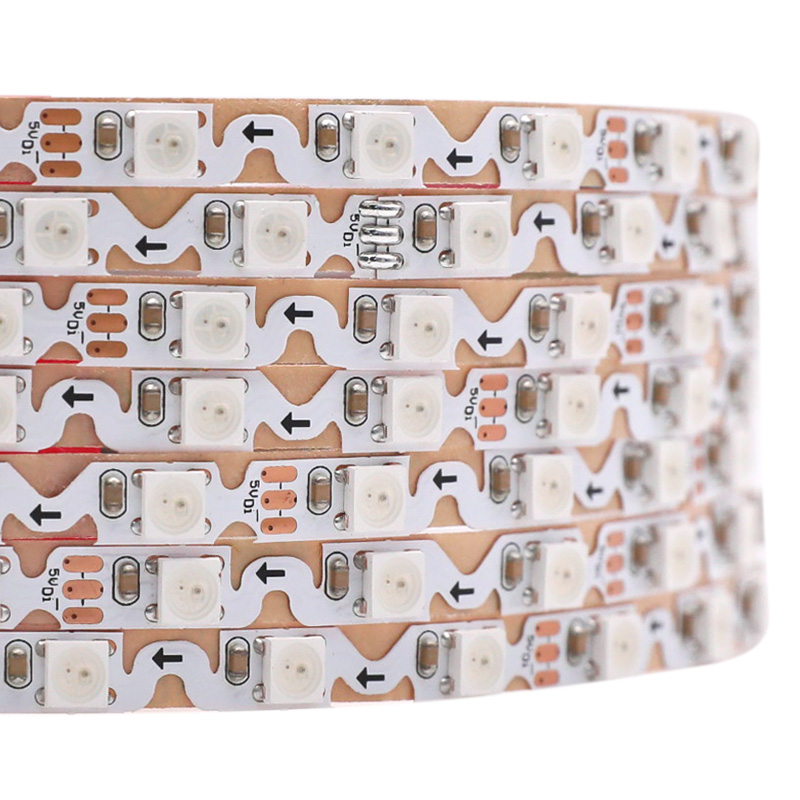
6mm Thin 5V SK6812 5050 RGB Digital S Type LED Strip 60LEDs/m
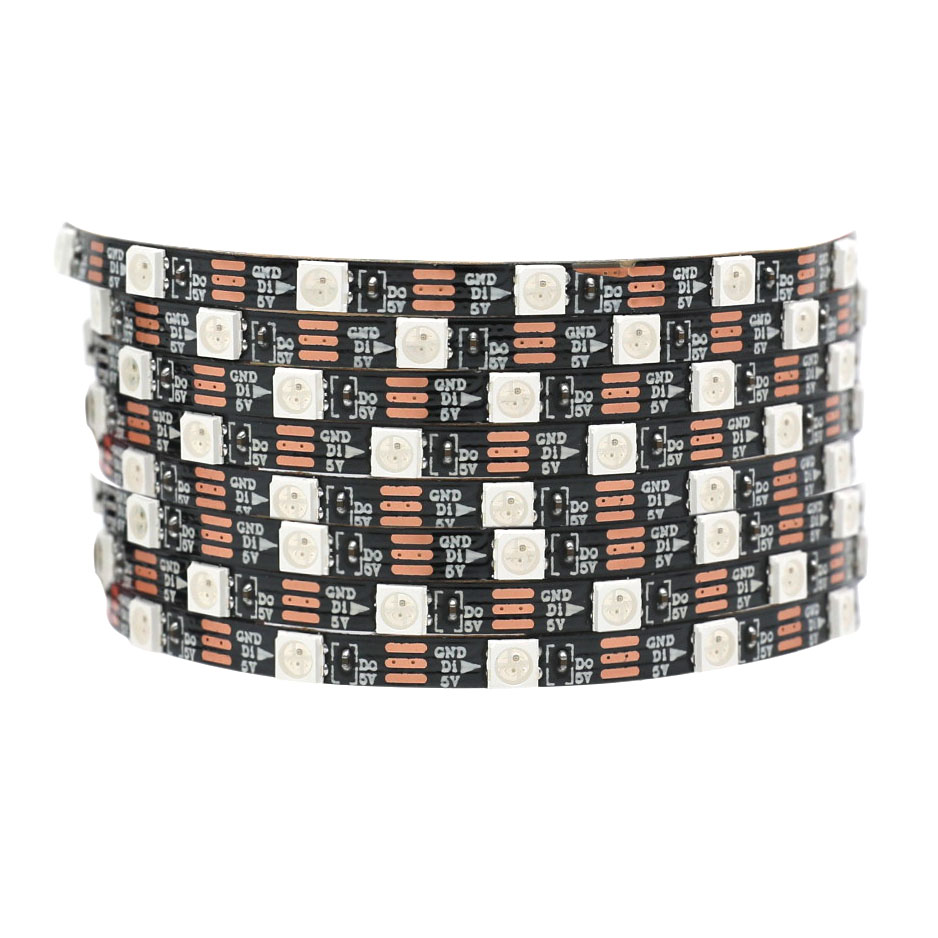
DC5V 4mm Wide 60LEDs/m WS2812B Color Chasing Addressable RGB LED Strip Light
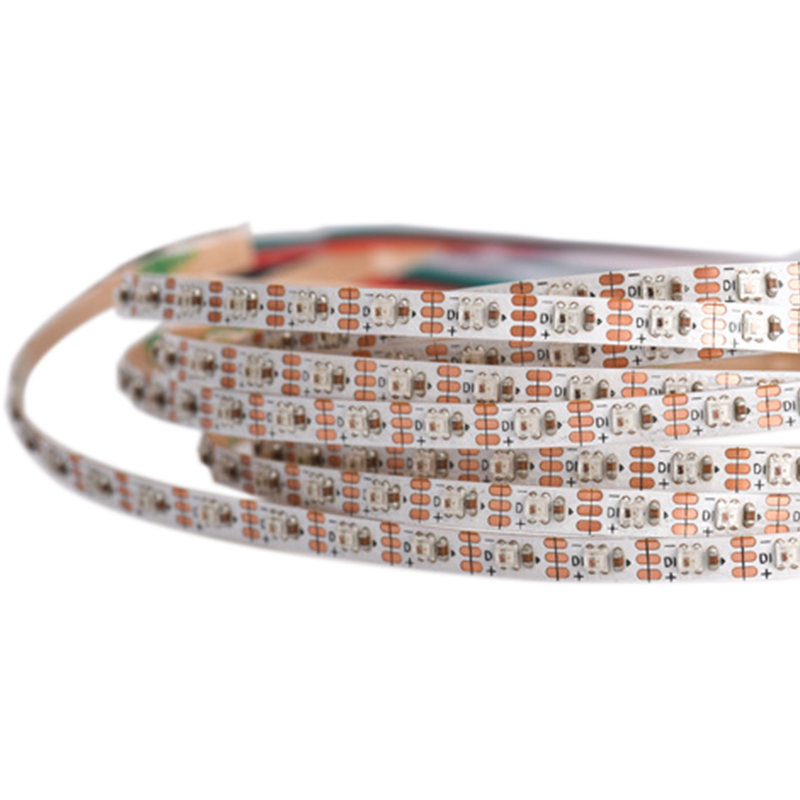
4MM WS2812C Strip Light 3.28ft/1m, Individually Addressable 2020 RGB LED
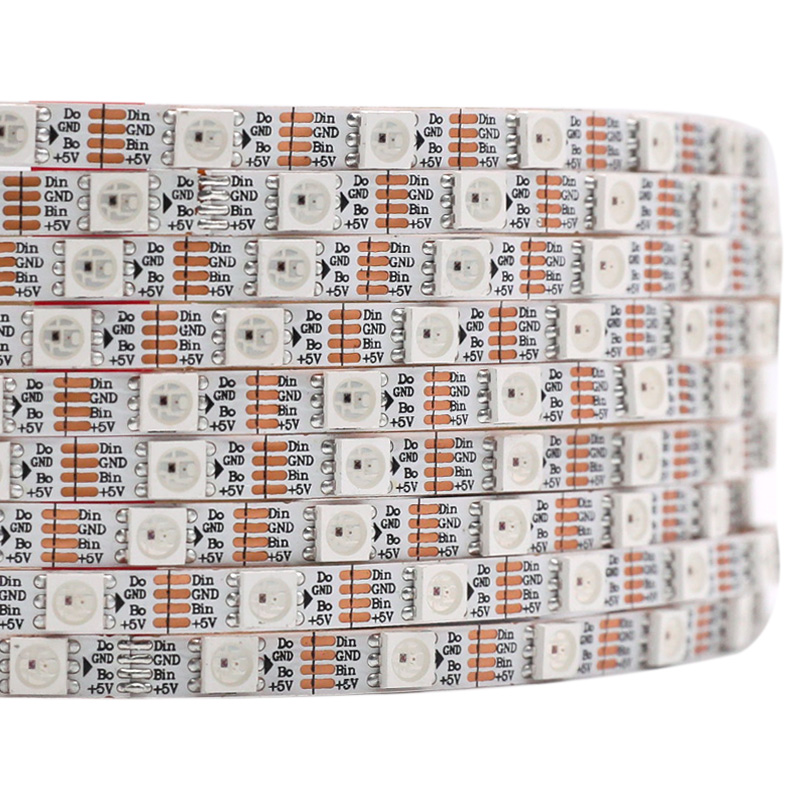
DC5V WS2813 5mm Individually Addressable RGB LED Strip Lights
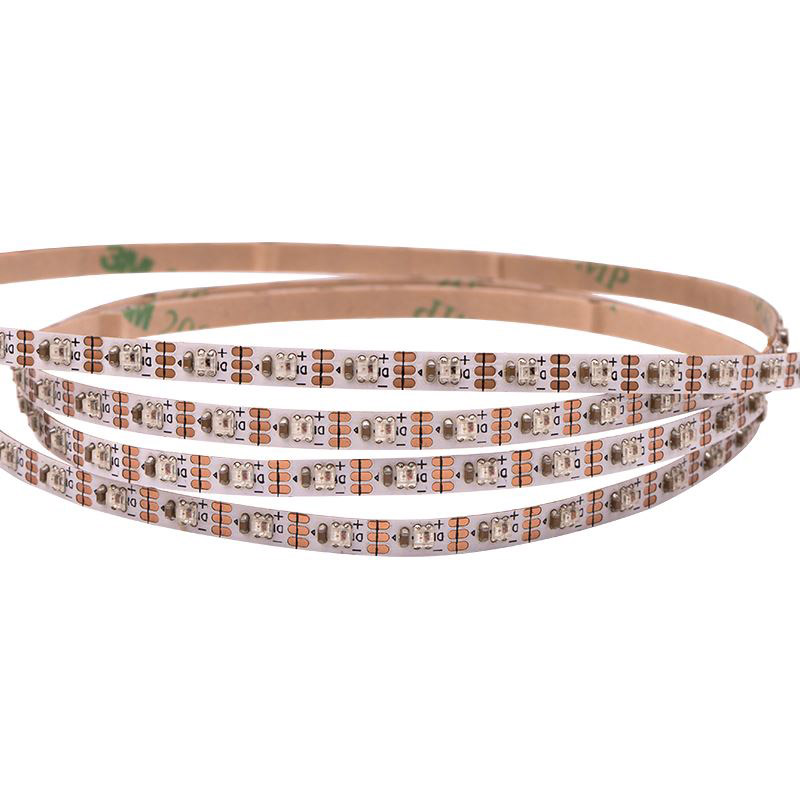
4MM WS2812C Individually Addressable RGB LED Strip Light
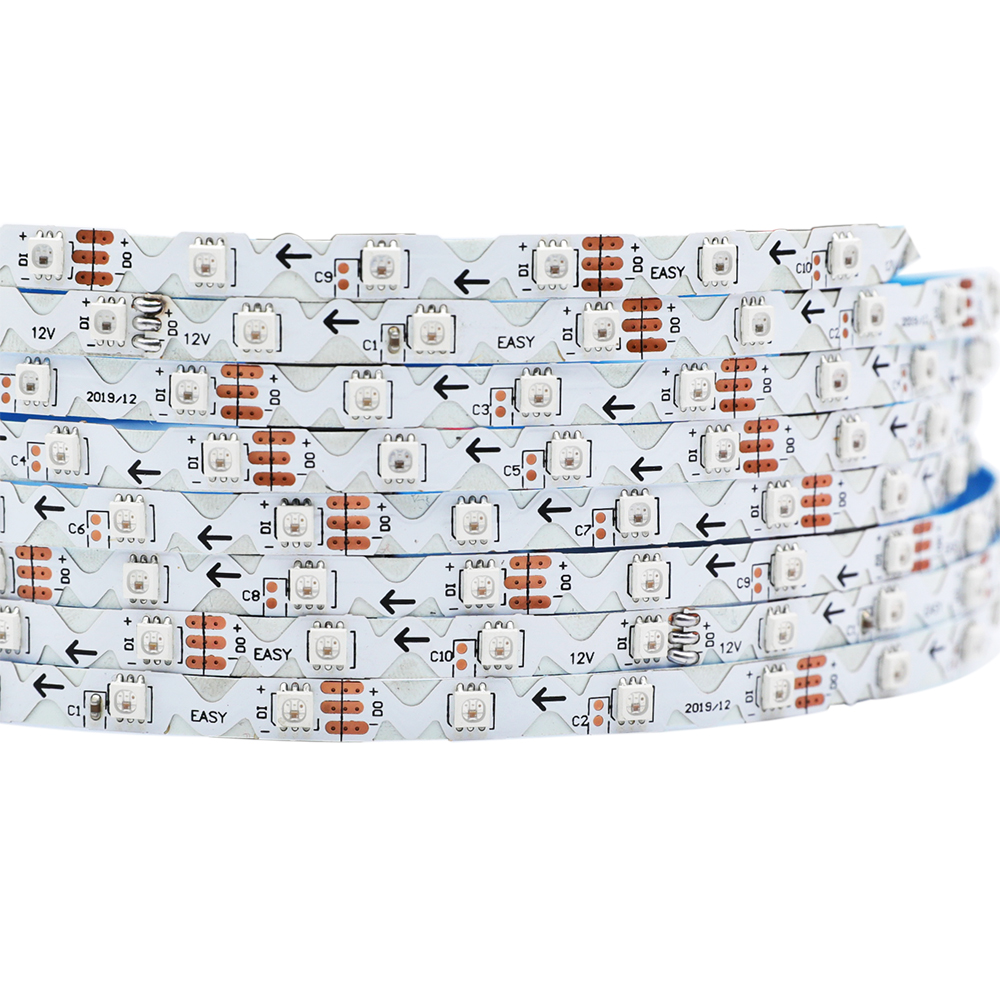
6mm Thin TM1809 3838SMD Addressable RGB Cobra S Type LED Strip
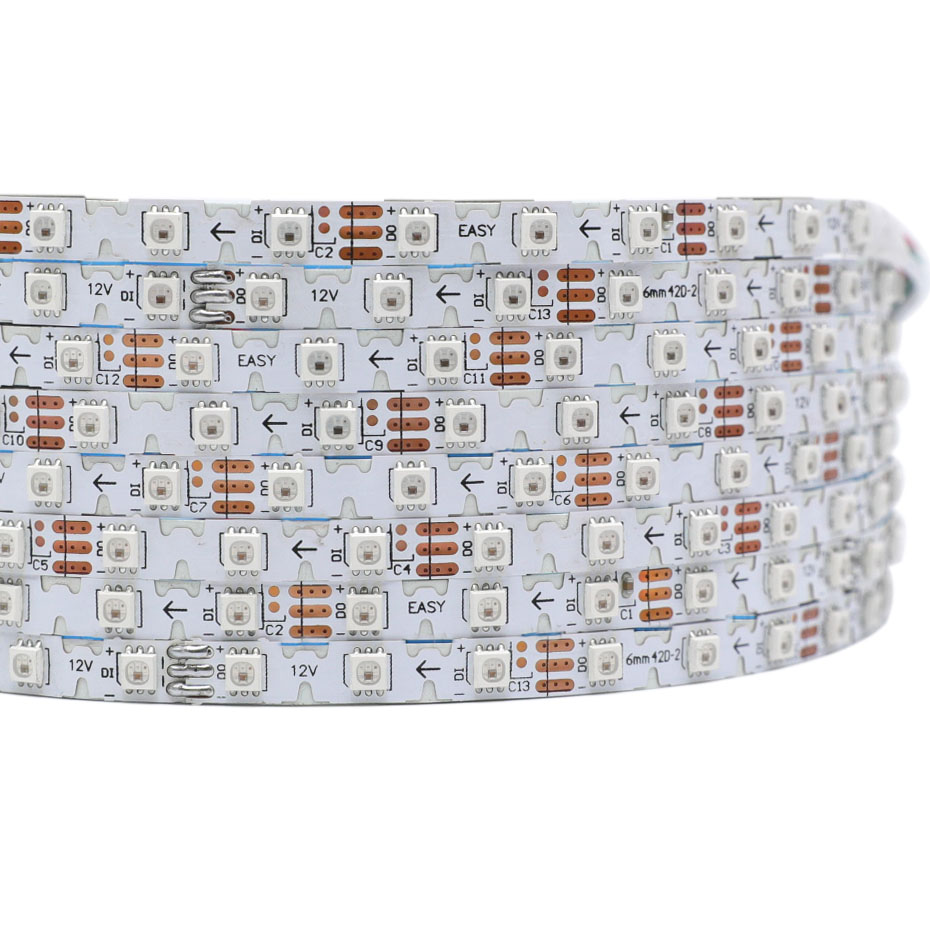
6mm Narrow TM1809/WS2812 SMD3838 Zig-Zag ARGB LED Strip
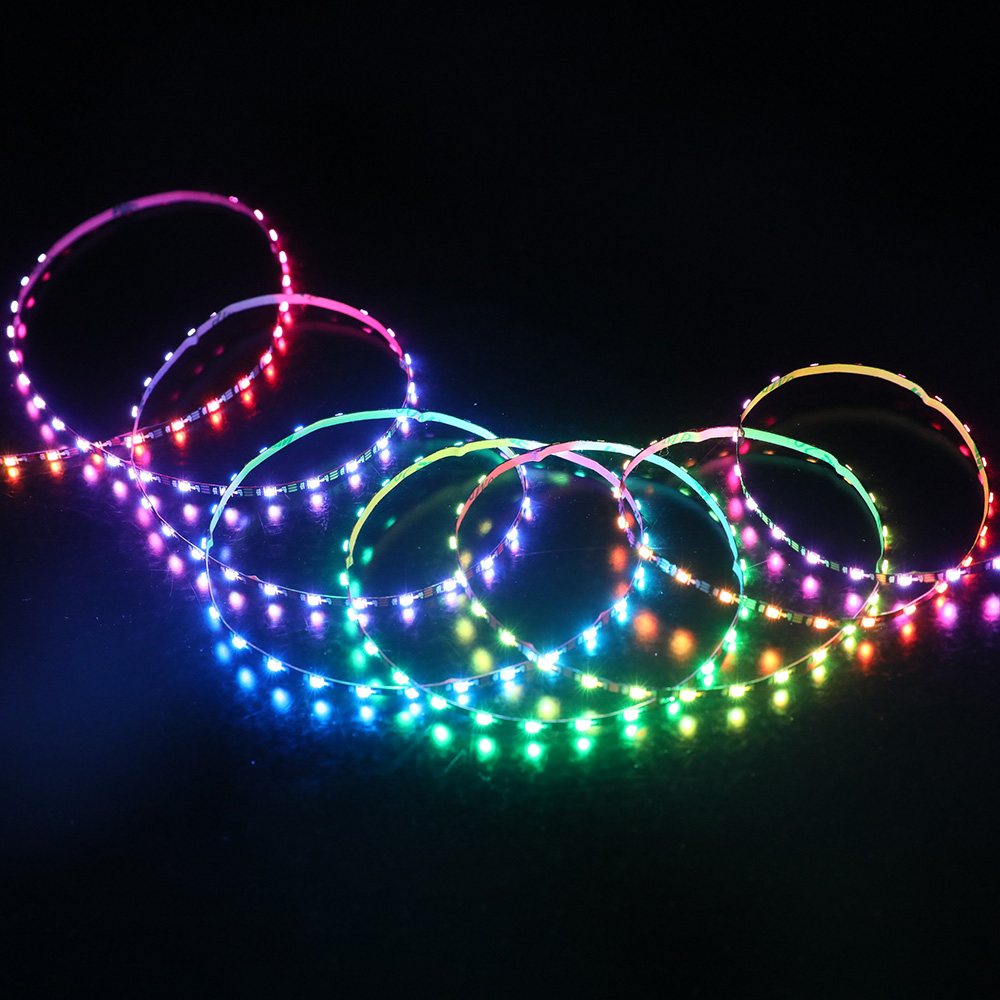
Narrowest 3mm 5V SK6812 RGB LED Strip 96 Pixels, Black PCB
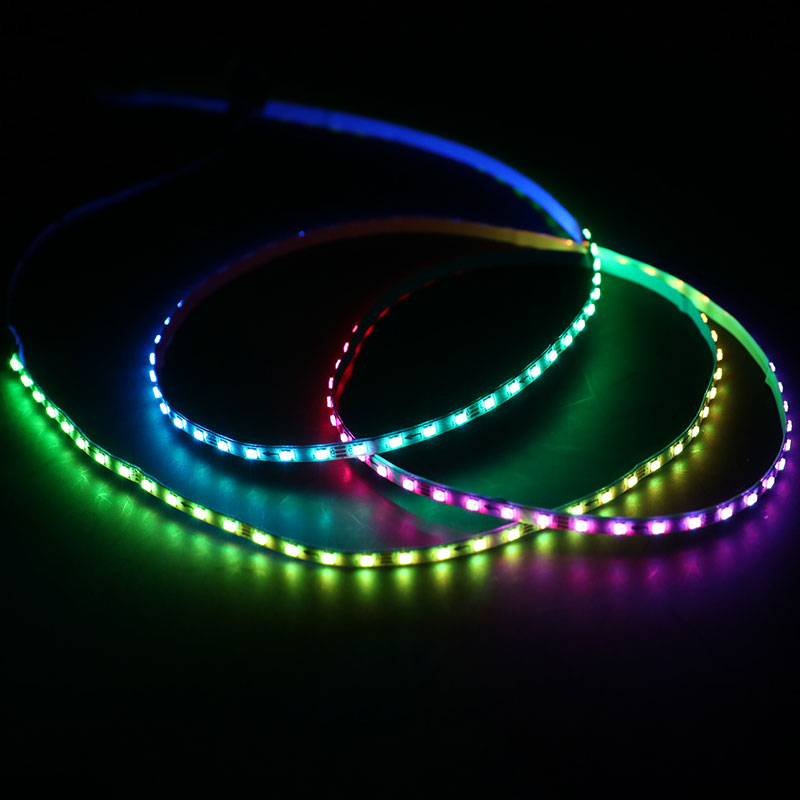
WS2812B Smallest 3mm High Density Flexible Addressable RGB LED Strip 3.28ft 144LEDs
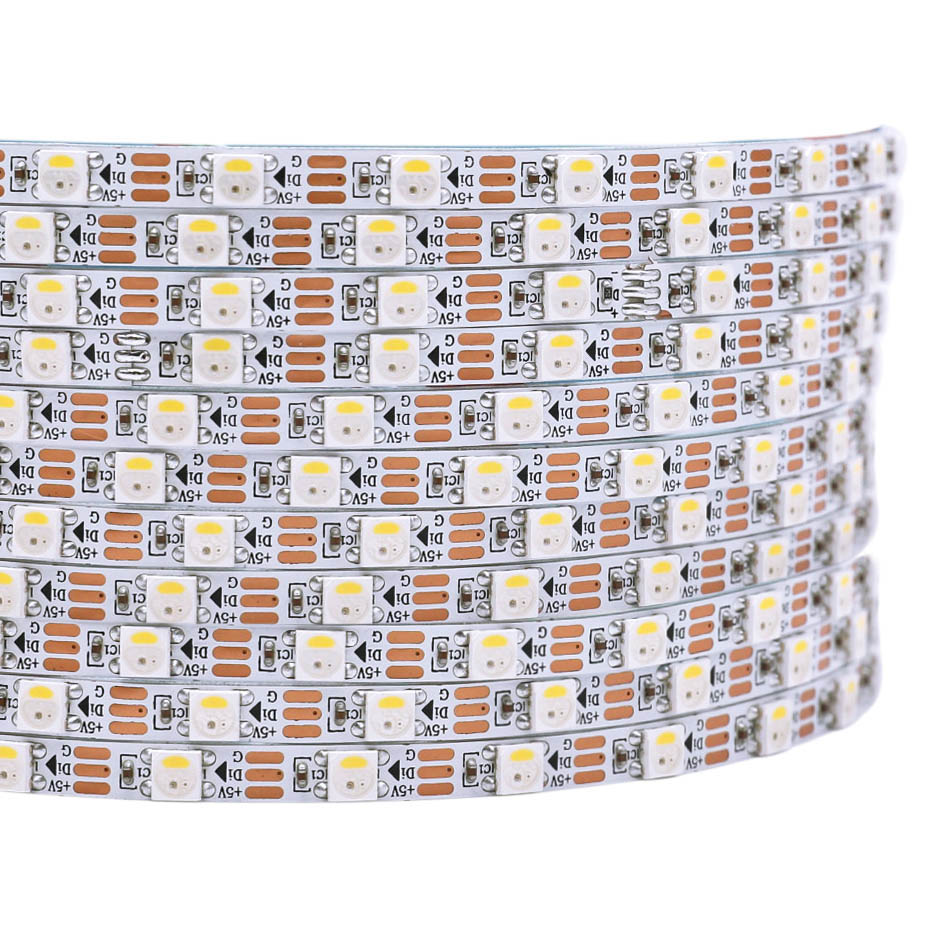
SK6812 Addressable RGBW LED strip - Ultra Narrow 0.20in Wide - 18LEDs/Ft
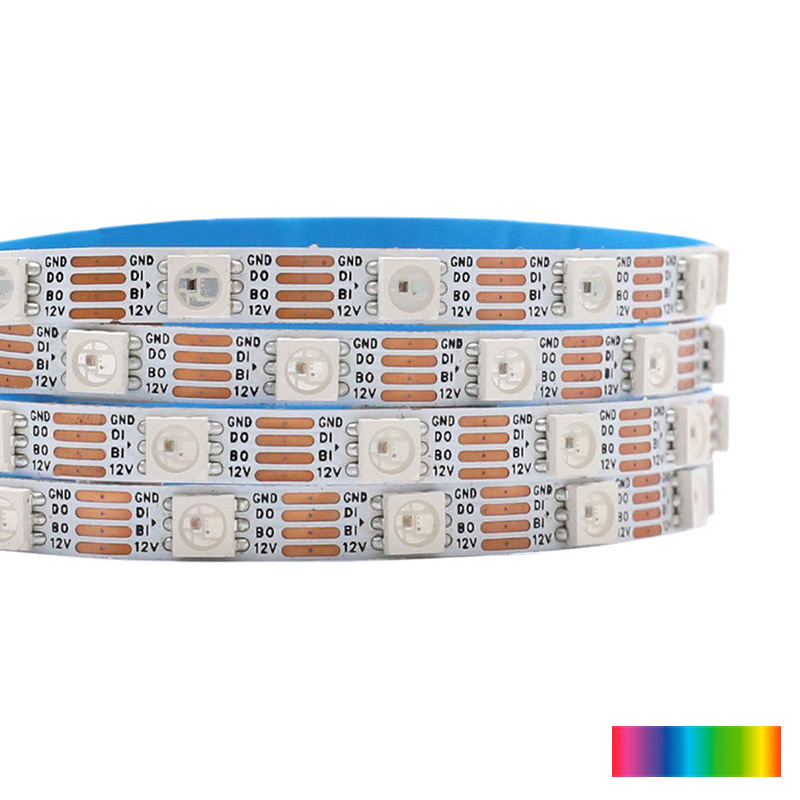
Very Thin 6mm 5050 RGB WS2815 60LED/m LED Strip Light

5V 2.7mm Super Slim RGB Independently Addressable LED Strip COB Tape Light

Addressable COB LED Strip Lights - Without Light Spot - DC5V Input
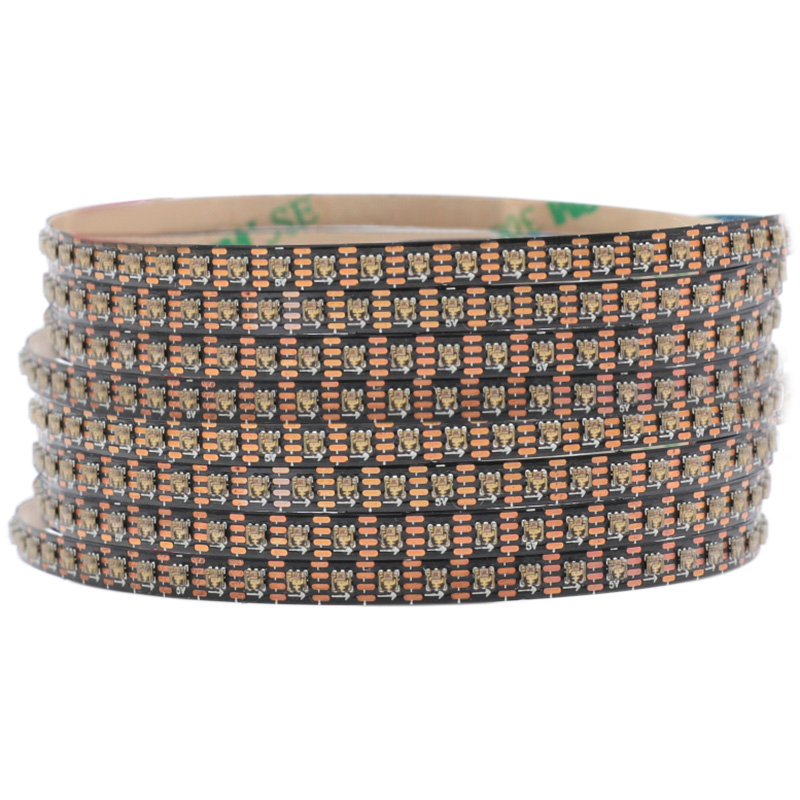
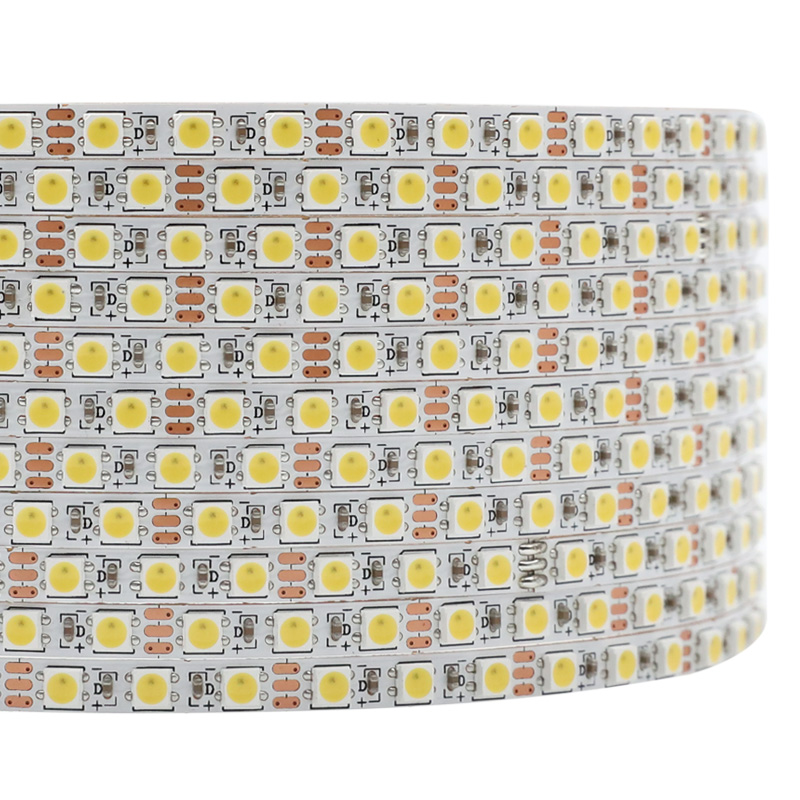
5V WS2812B 3535 5mm Slim Addressable 6500K Daylight LED Strip

5mm 3535 WS2812b Individually Addressable RGB LED Strips 5V Lights
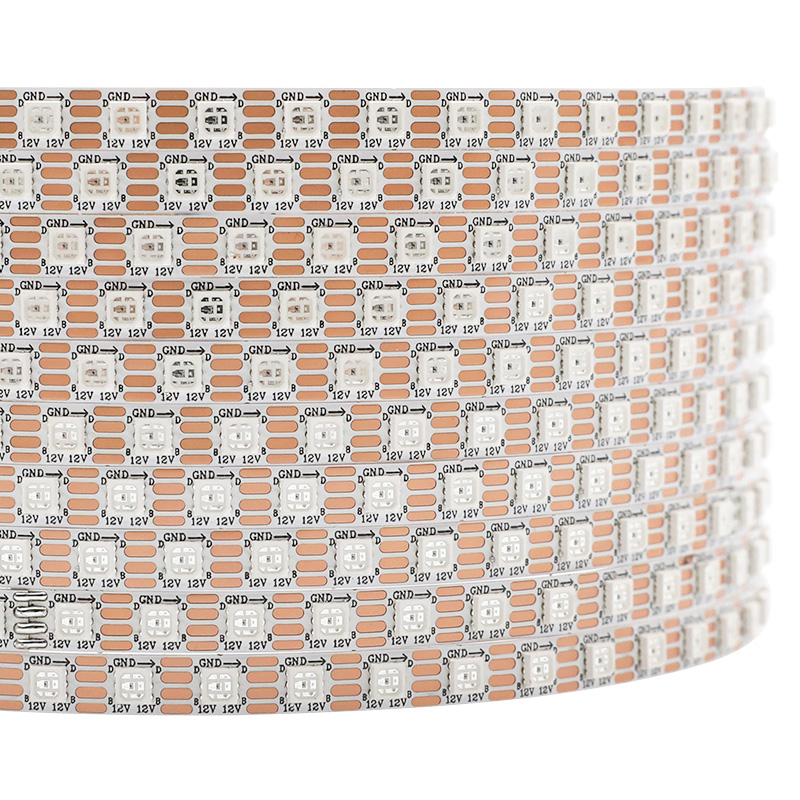
Mini RGBIC LED Narrow WS2815 Strip Light 6mm
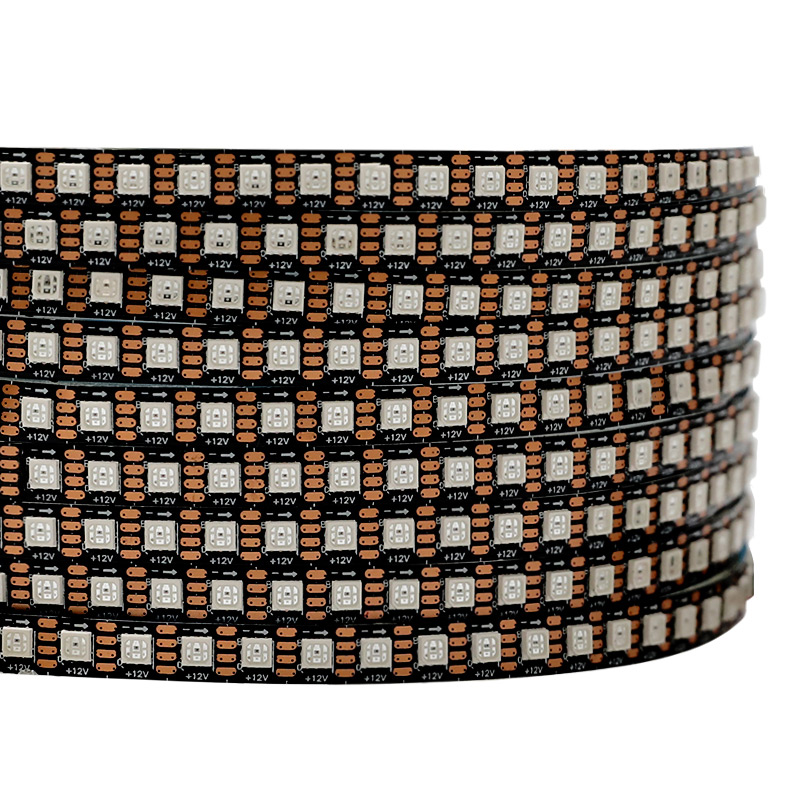
7mm WS2815 3535 RGB LED Tape - 144/m Individual Digital Lights
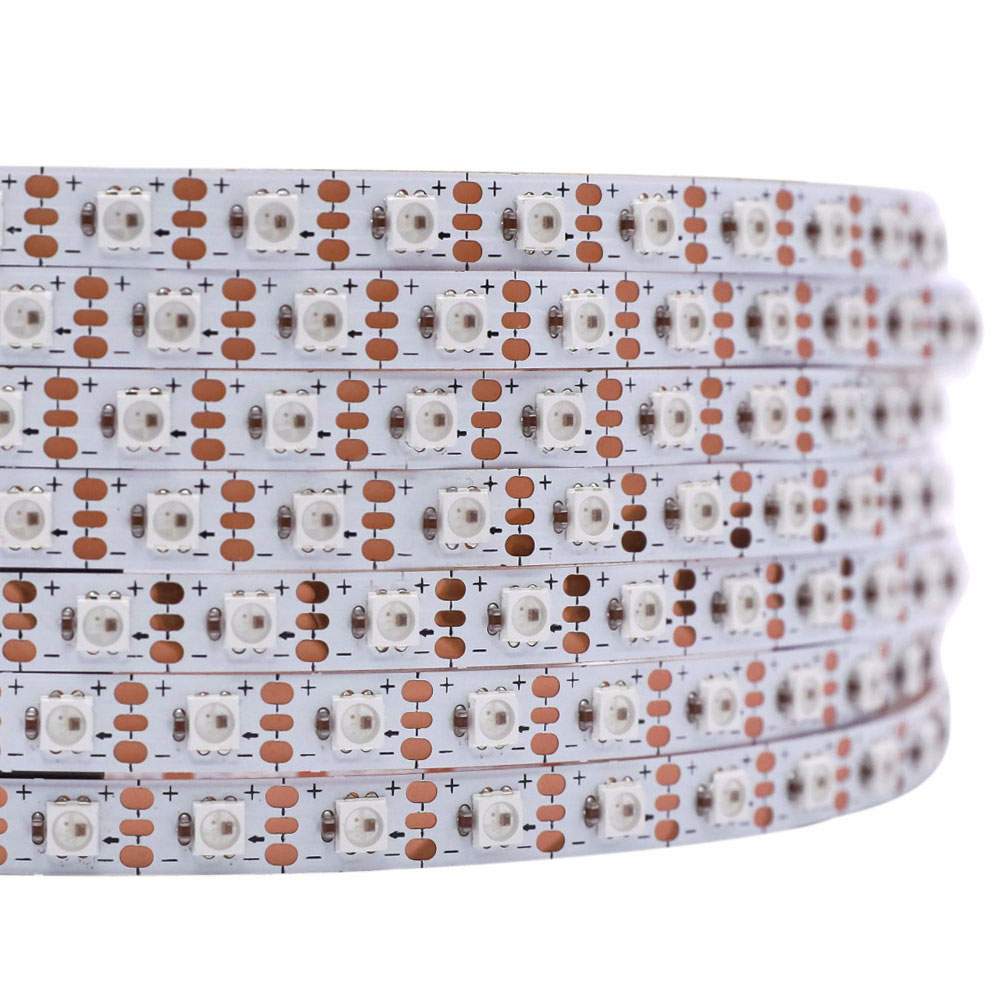
Mini 3535 SK6812 5V LED Individually Addressable RGB Light Strip
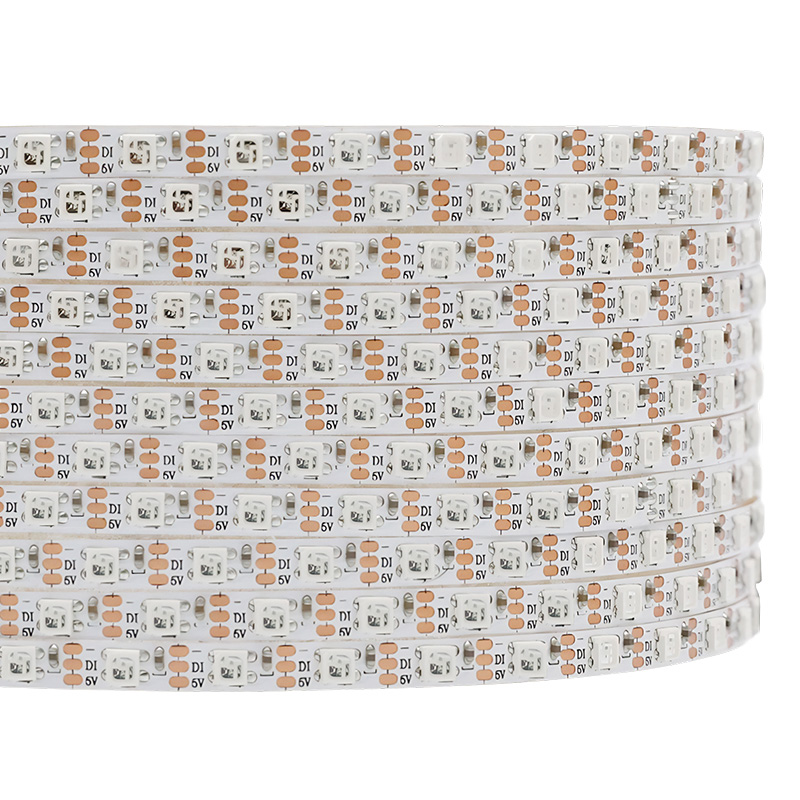
SK6812mini RGB 5mm 90LEDs/m Individually Programmable LED Strip
Frequently Asked Questions About Ultra-narrow Addressable LED Strips
Got a question about our slimmest pixel strips? I've been answering them for 12 years. Here are the common ones that come up right before a project gets started.
It's all about the width of the circuit board (the PCB). A standard addressable strip is usually 10mm or 12mm wide. These ultra-narrow addressable LED strips are built on PCBs from 2.7mm to 7mm, designed specifically to fit into tiny channels, architectural reveals, or custom fixtures where nothing else will go. The 'addressable' part is the same: you can still control every single LED or small group of LEDs individually to create moving color effects.
Our thinnest is a 2.7mm wide WS2812 RGB strip. It's incredibly small, designed for jobs like model making, jewelry cases, or embedding into custom PC builds where every millimeter counts. We also have a popular 3mm wide version that packs 60 LEDs into a single meter. For these tiny sizes, soldering is the only reliable way to connect them, so be ready with a fine-tipped iron.
Yes, but it depends entirely on the LED density you choose. A strip with 200 LEDs per meter is going to be significantly brighter than one with 60. For accent lighting in a cove or under a cabinet, a high-density narrow strip is plenty bright. The main thing to watch is heat. In a very tight, unventilated space, cramming in the highest-power strip can shorten its lifespan, so using an aluminum channel to help dissipate heat is always a good idea.
Very carefully. At this scale, clip-on connectors just aren't an option; they're wider than the strip itself. You'll need to solder directly to the copper pads. My advice: use a good quality, fine-tipped soldering iron, 60/40 rosin-core solder, and a steady hand. Pre-tin both the wire and the pad first, then just a quick touch of the iron is all you need to join them. It's delicate work, but it's the only way to get a secure connection.
Yes, that's the most efficient way to do it. All of our ultra-narrow addressable LED strips can be cut at designated cut points, usually marked with a little scissor icon. You can run one long strip, cut it into 2 LED strips or more, and then run small jumper wires between them. Just remember that each separate piece needs power and data, either wired back to the controller in parallel or with the data signal daisy-chained from one section to the next.
The number of pins tells you what kind of data signal it uses. A 3-pin strip (Power, Ground, Data) is the most common, like a WS2812B. A 4-pin strip usually means it has a backup data line, like a WS2813 or WS2815. If one LED fails on a 3-pin strip, the whole rest of the strip goes dark. On our breakpoint resume LED strips, the backup line takes over so the signal keeps going. It's a great feature for permanent installations where replacing a strip is difficult.
The width of the strip doesn't change the controller you need; the chip (or IC) on the strip does. Most of these narrow strips use common ICs like WS2812B, SK6812, or WS2815. They all work with a huge range of controllers, from simple standalone units to DIY platforms like Arduino or WLED on an ESP32. Just match the controller's supported IC type to the strip you're buying.
Yes, we do this all day long. A huge part of our business is building to a customer's drawing. Just send us a sketch or a description of what you need—for example, 'two pieces of the 4mm WS2812C, one at 87cm and one at 112cm, each with a 1-meter 3-pin wire lead'. An engineer here will send you back a complete parts list and quote, usually the same day and always within 12 hours. There's no fee for the consultation and no obligation to order.
It's a trade-off between control granularity and run length. 5V strips often let you control every single LED individually, but you'll fight voltage drop after just 2-3 meters. 12V and 24V strips group LEDs into small clusters (e.g., 3 LEDs per pixel), but you can run them much farther—5 meters or even 10 meters on some 24V models—before needing to re-inject power. For any ultra narrow addressable led application longer than a couple of meters, 12V or 24V will save you a lot of wiring headaches.