
Addressable RGBW LED Strips
75 productsWhat is Addressable RGBW Led Strip?
Addressable RGBW led strip is a general term for strip lights that use intelligent ICs such as WS2814, SK6812, TM1814/TM1824/TM1834, SM16704, UCS2904, DMX512, etc. to control RGBW LEDs.
The difference with ordinary RGBW strip lights is that RGBW addressable led strip follows to digital data signal commands, by programming the ARGBW (addressable RGBW) ICs, addressable led strip RGBW can display a very wide range of color effects and achieve the effect you want for your specific projects.
Components of Addressable RGBW LEDs
Addressable RGBW LEDs contain four color channels: red, green, blue, and white, and they can be packaged in the same 5050/4040 SMD or chip on board COB led, or RGB and white be independent of each other. The white color of addressable RGB W is typically 3000K, 4000K, 6000K.
How Addressable RGBW Change Light Colors
Addressable RGBW color change is not through a single color channel but through the SPI/TTL or DMX data signal, so the use of ordinary 5-wire led controller can not control the RGBW pixel strip lights. The correct approach is to choose a programmable controller compatible with these RGBW ICs and give specific commands to the ARGBW ICs to get colorful lighting effects.
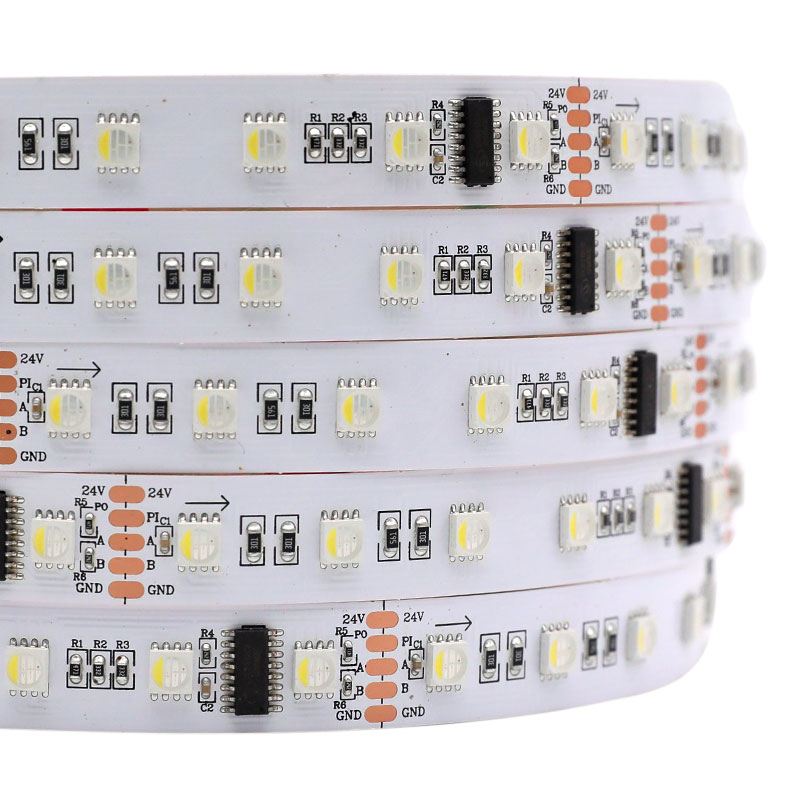
5-Pin RGBW DMX LED Strip DC24V 300LEDs 15MM
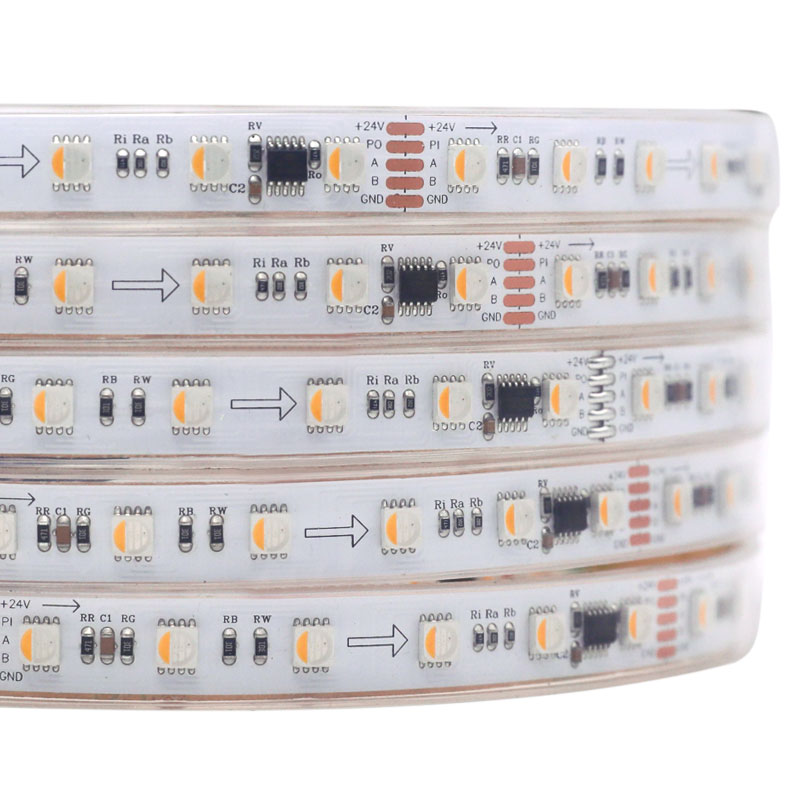
DMX Controlled LED Strip DC24V RGBW Addressable 300LEDs 50Pixels
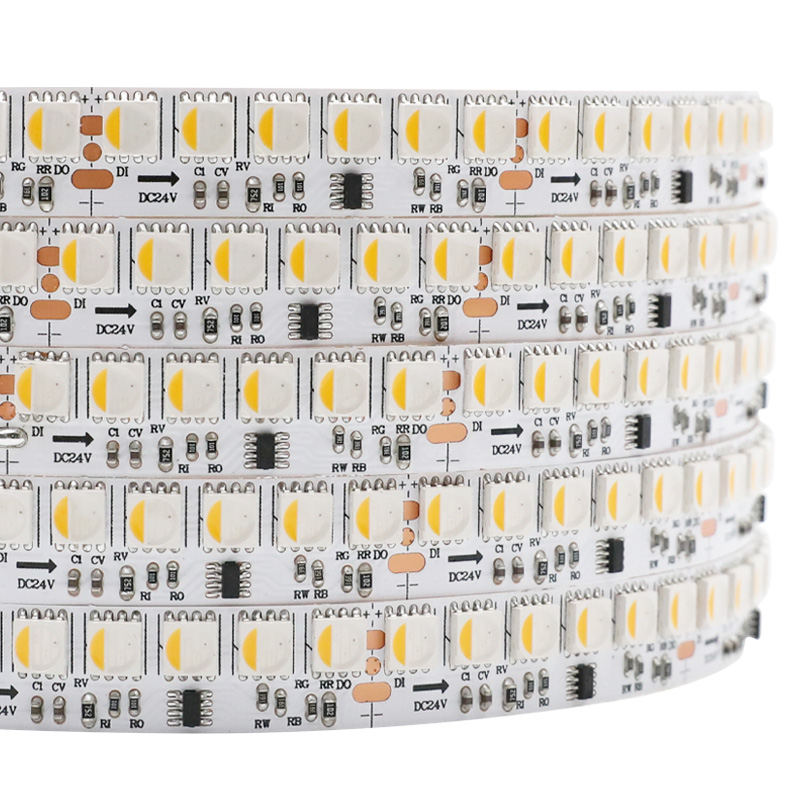
WS2814 24V High Density 5050 Addressable RGBW LED Strip Lights 720 LEDs
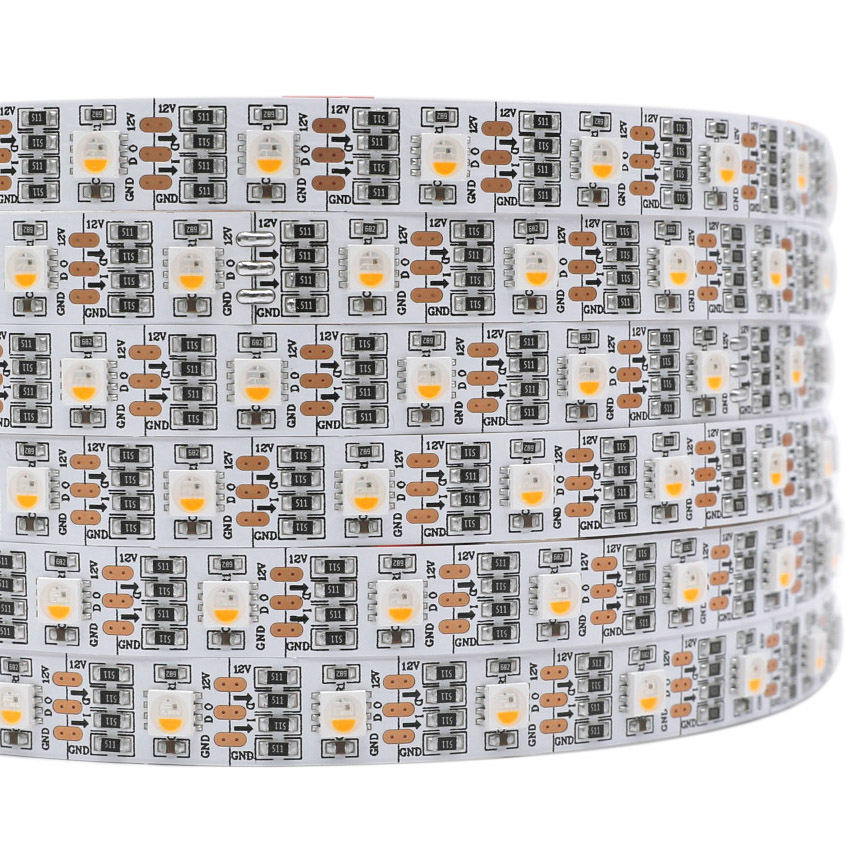
16.4Ft 270LEDs 12V SK6812 RGBW LED Strip Individually Addressable
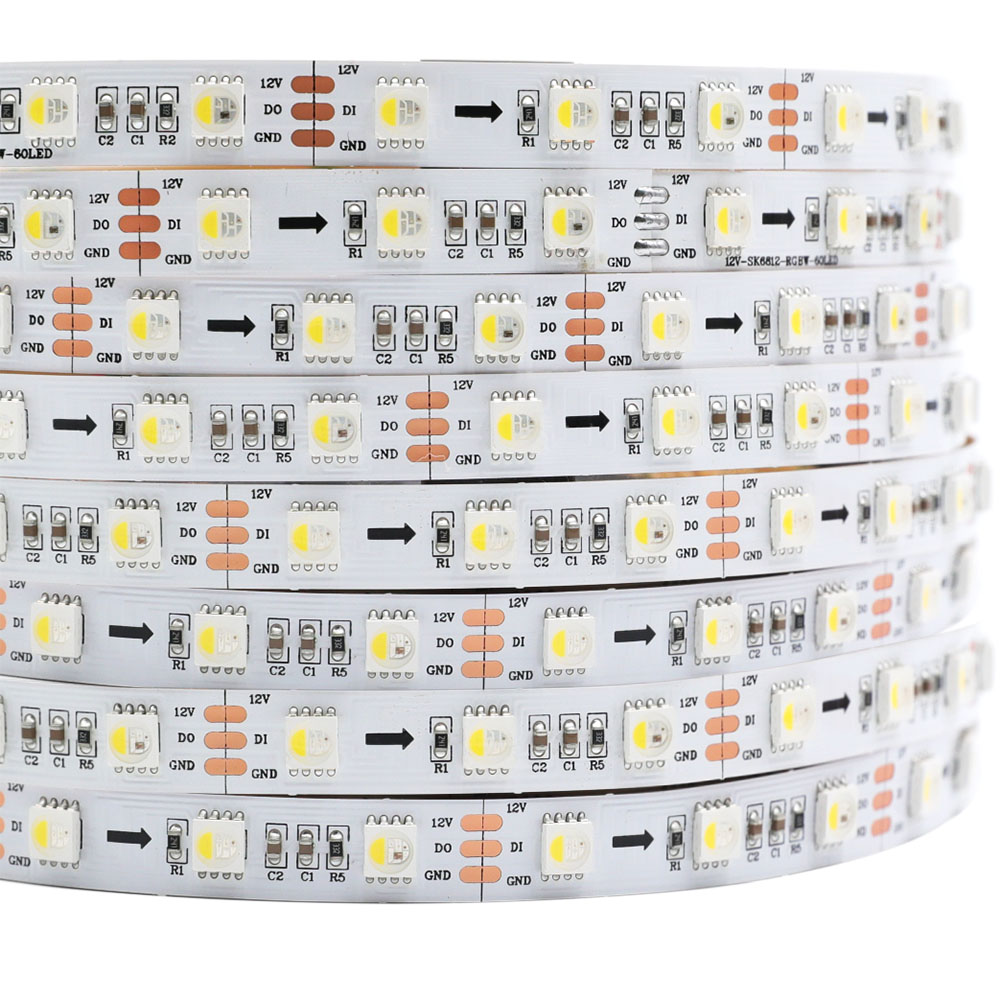
SK6812 RGBW 60LEDS/M DC12V 10MM-Wide Digital Intelligent Addressable LED Strip Lights - 5m/16.4ft per roll
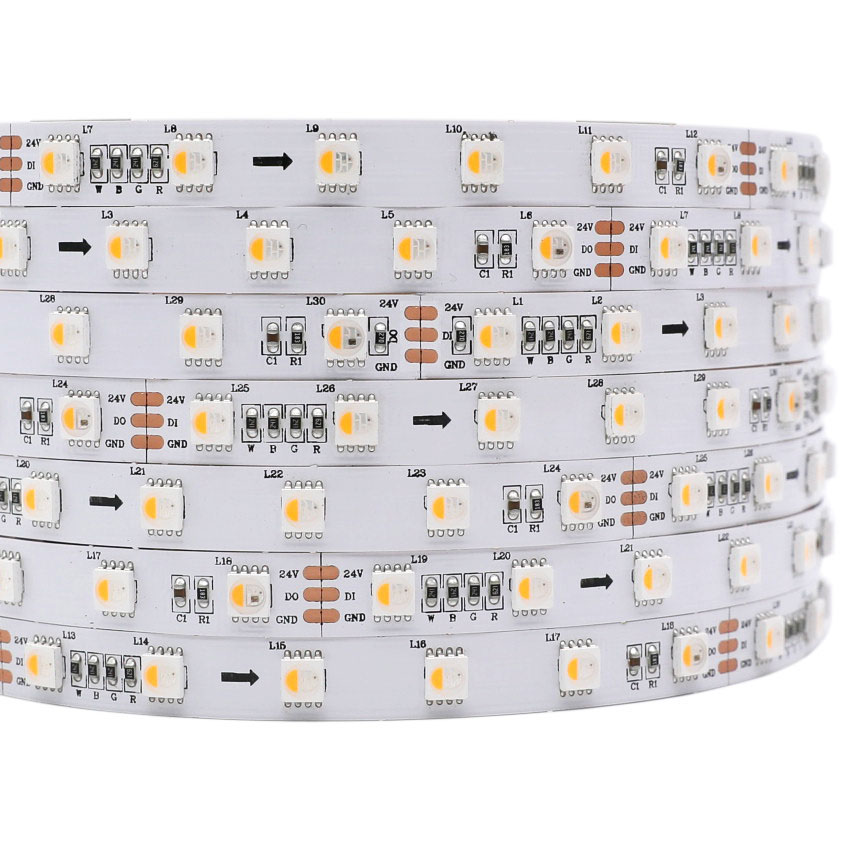
UCS2904 RGBW Addressable LED Strip Lights 60LEDs/m
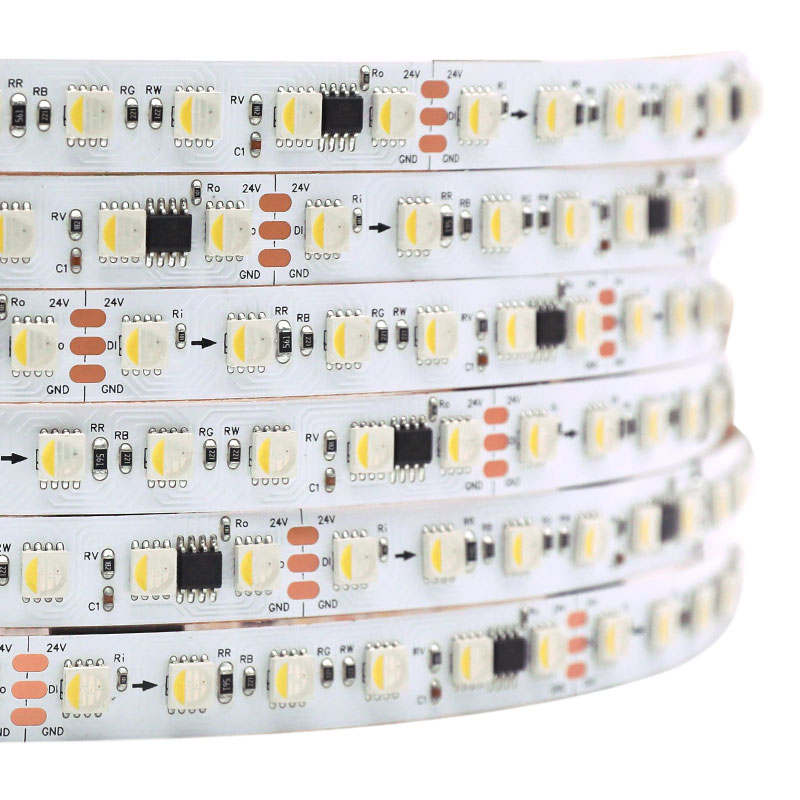
24V UCS2904 5050 4in1 RGBW Addressable LED Strip Lighting
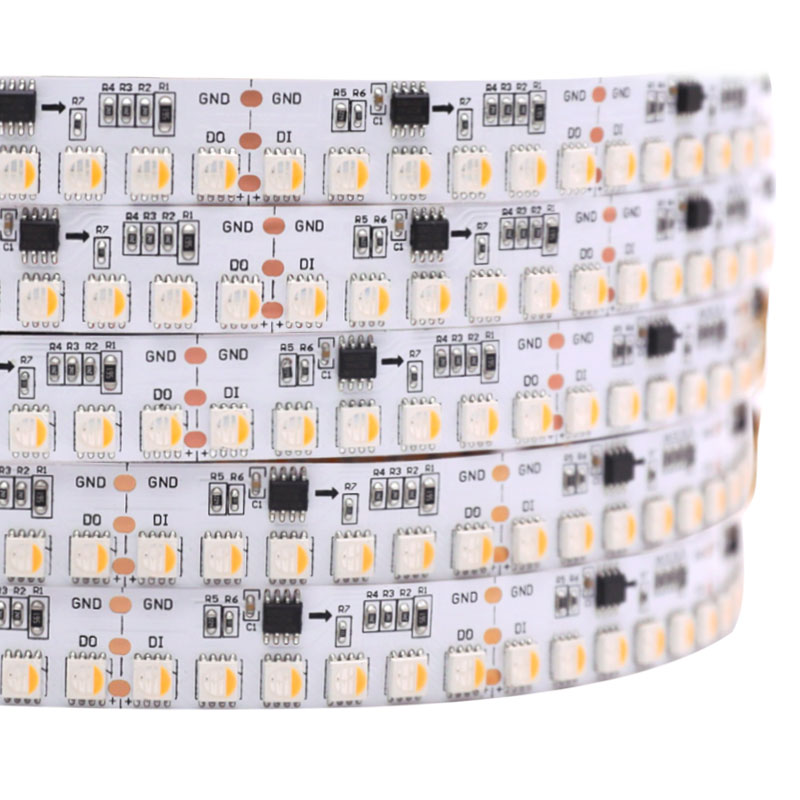
WS2814 RGBW Addressable LED Strip - 16.4Ft 600LEDs - DC24V Input
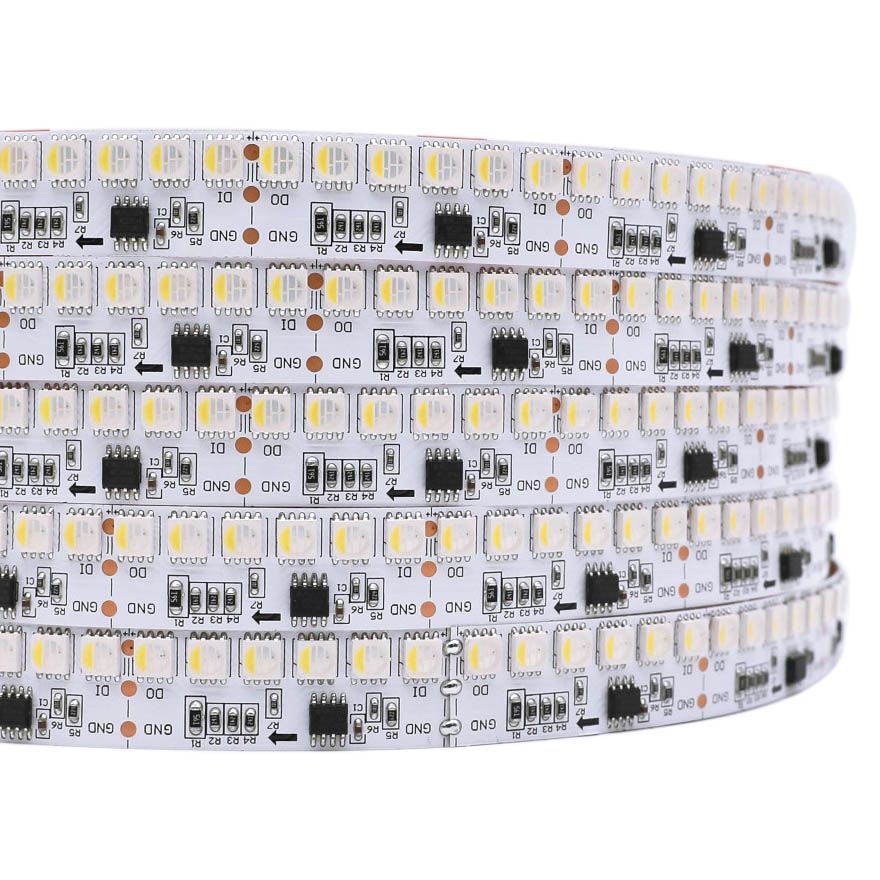
WS2814 Addressable RGBW LED Strip - 16.4Ft 720LEDs - DC24V Input
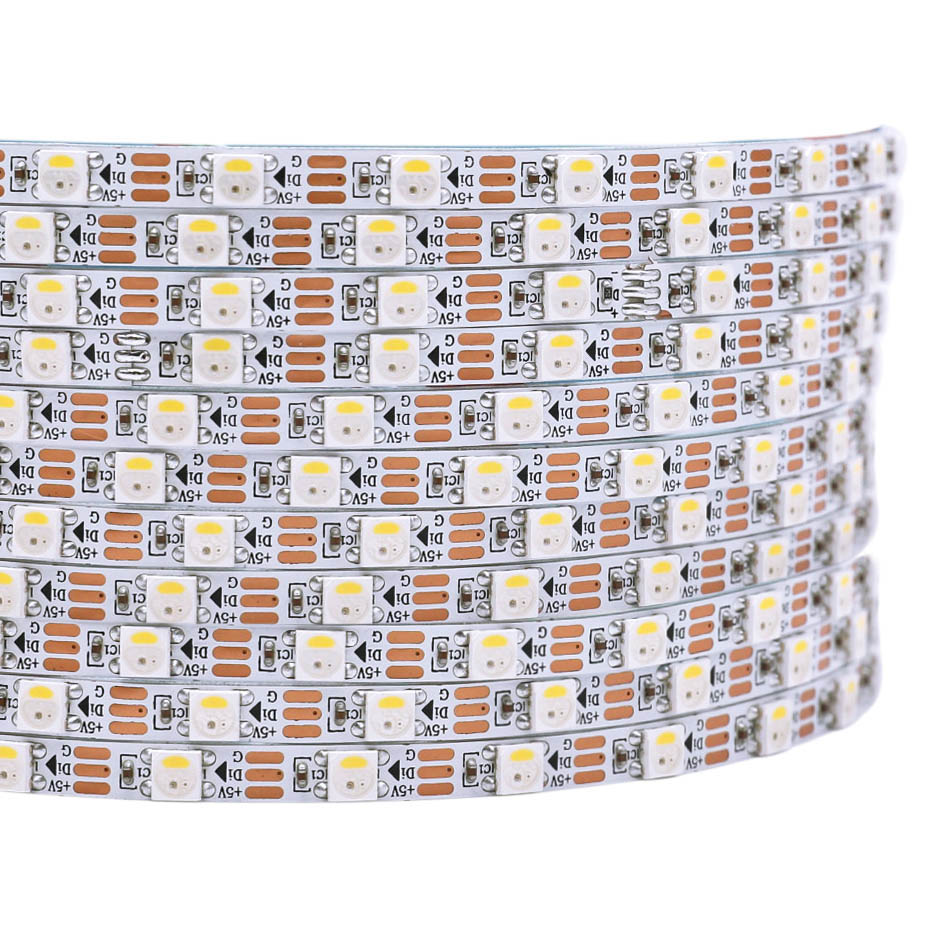
SK6812 Addressable RGBW LED strip - Ultra Narrow 0.20in Wide - 18LEDs/Ft
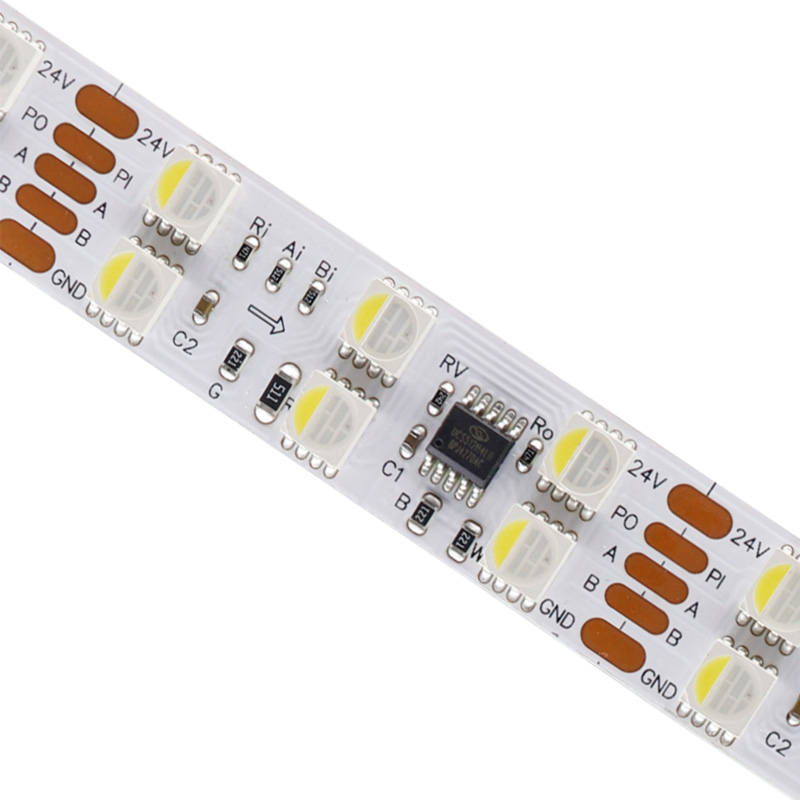
Double Row DMX RGBW LED Strip DC24V 15mm 600LEDs 16.4ft
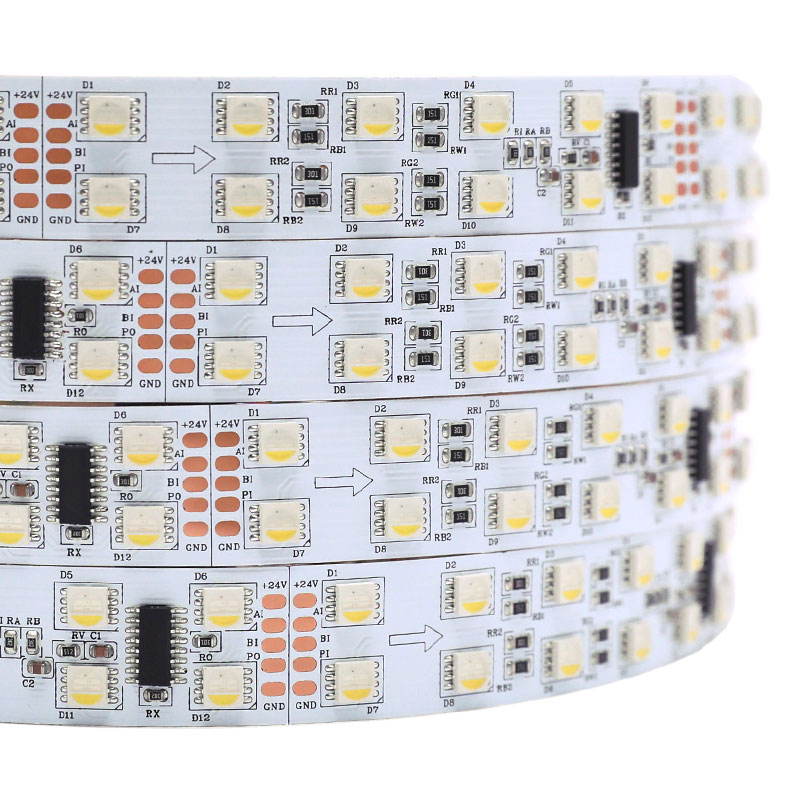
Dual Row RGBW DMX LED Strip Lights 600LEDs 50/100 Pixels
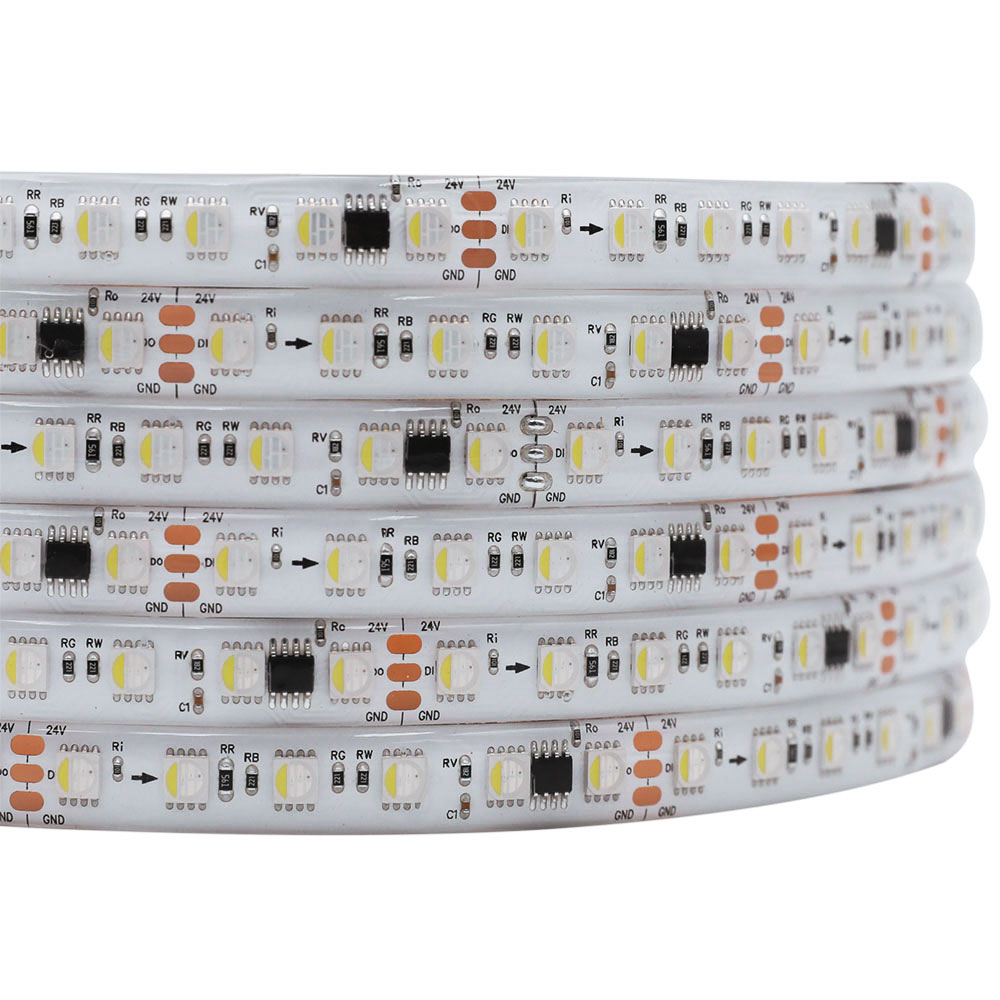
Color Chasing RGBW LED Strip Light - TM1814 4IN1 - DC12V
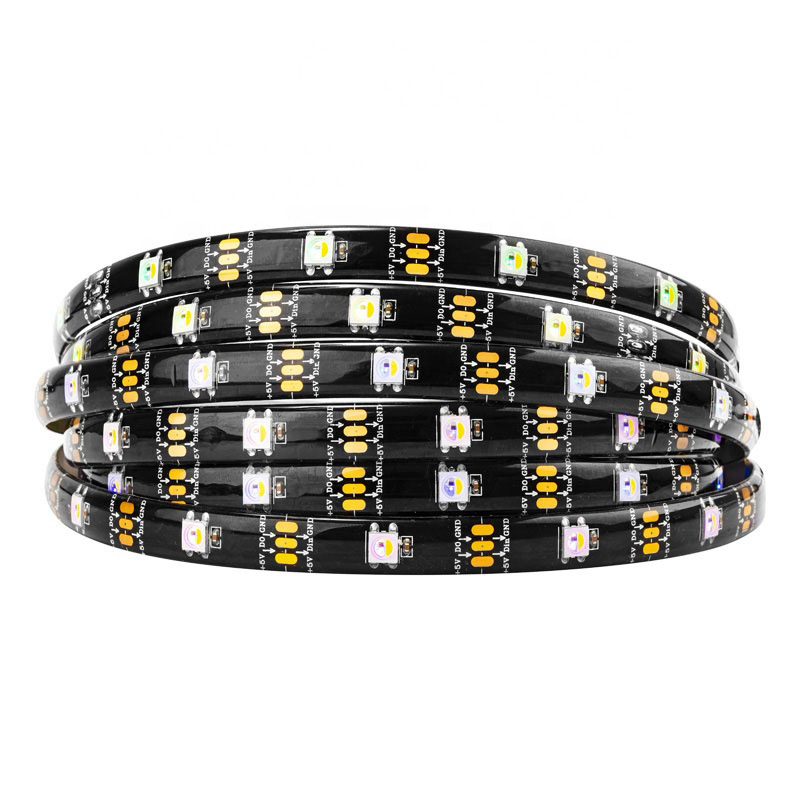
SK6812 RGBW/WWA 30LEDS/M DC5V 10MM-Wide Digital Intelligent Addressable LED Strip Lights - 5m/16.4ft per roll
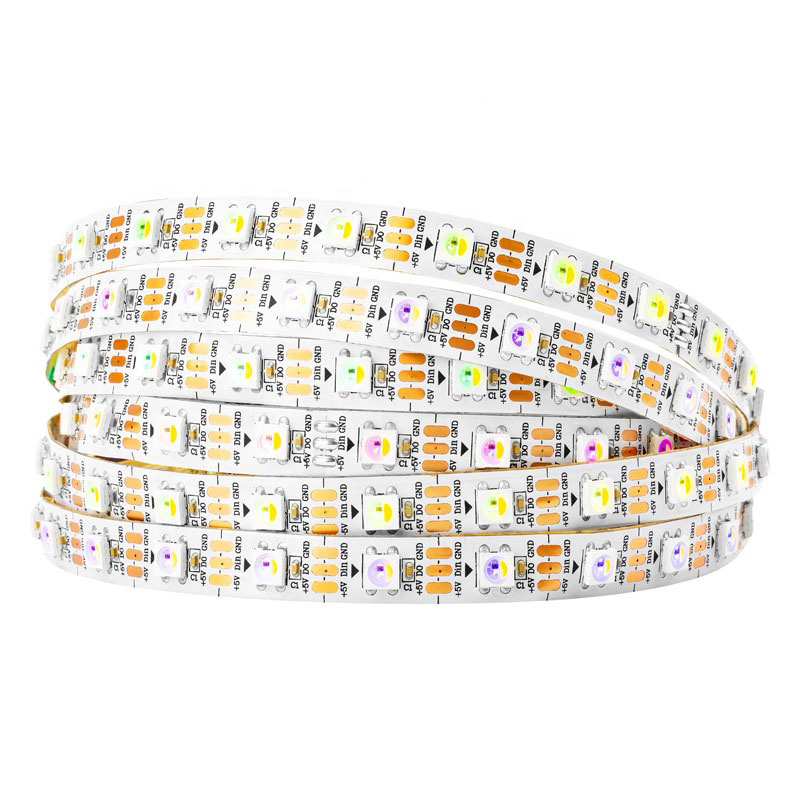
SK6812 RGBW/WWA 60LEDS/M DC5V 10MM-Wide Digital Intelligent Addressable LED Strip Lights, 1.64-16.4ft per roll
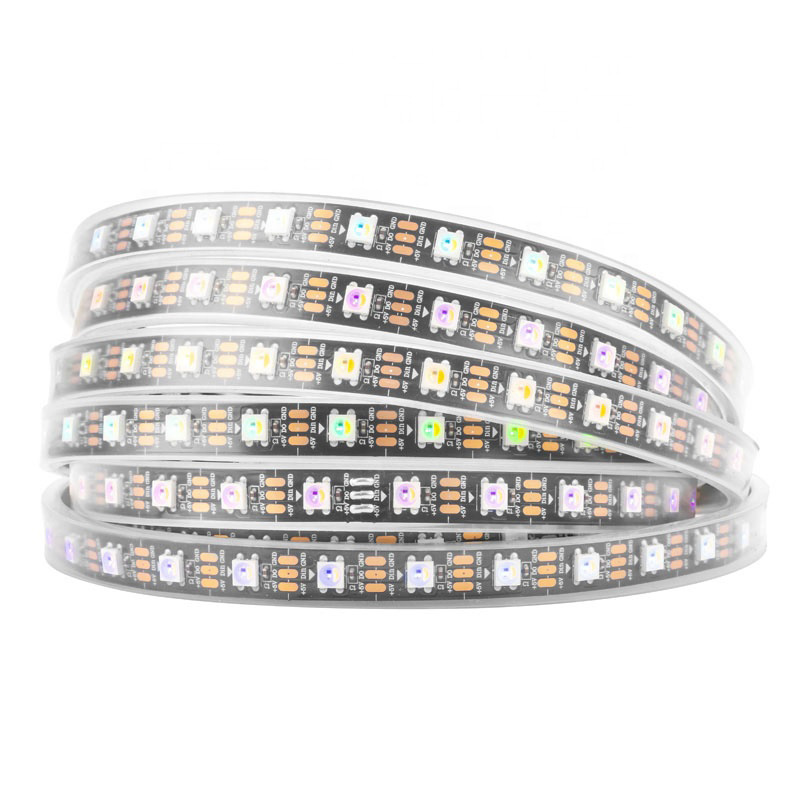
SK6812 RGBW/WWA 72LEDS/M DC5V 10MM-Wide Digital Intelligent Addressable LED Strip Lights - 5m/16.4ft per roll
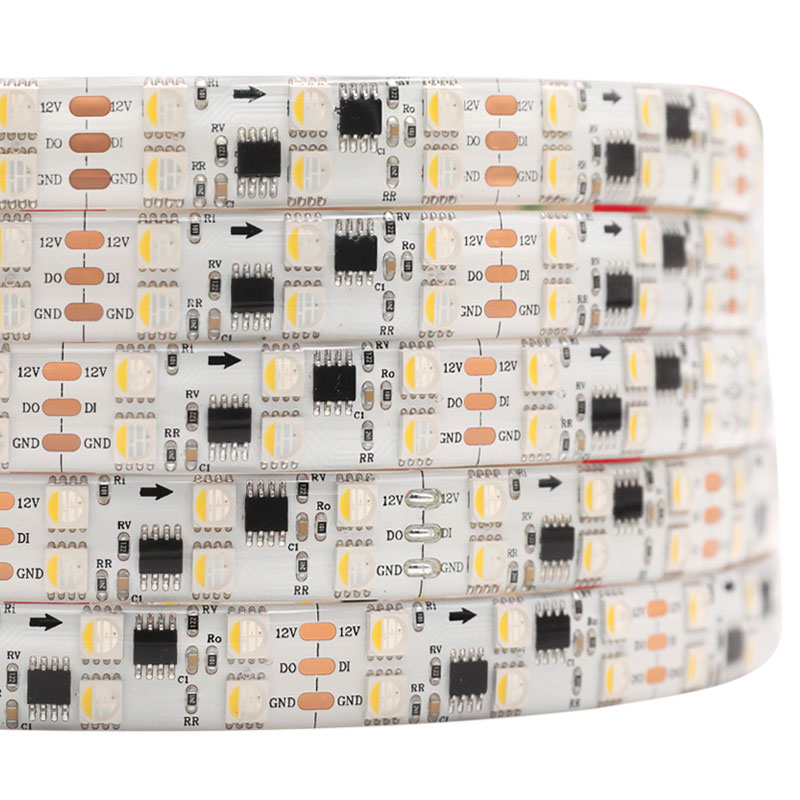
Double Row High-Density Addressable RGBW TM1814 LED Strip
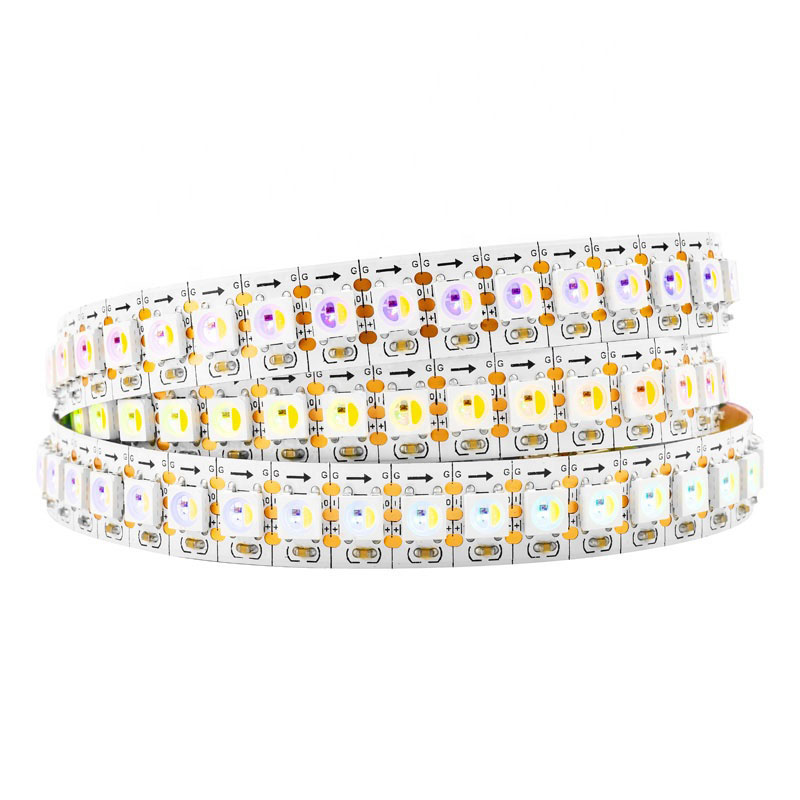
SK6812 RGBW/WWA 144LEDS/M DC5V 12MM-Wide Digital Intelligent Addressable LED Strip Lights - 1m/3.28ft per roll
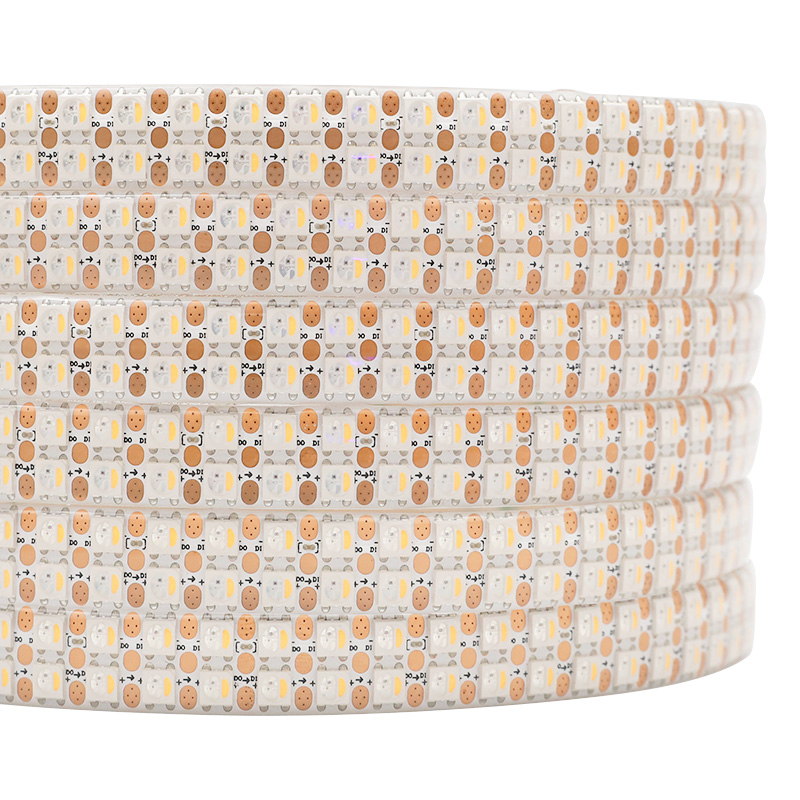
Brightest RGBW DC5V SK6812 4 in 1 Pixels Individual Addressable LED Strip
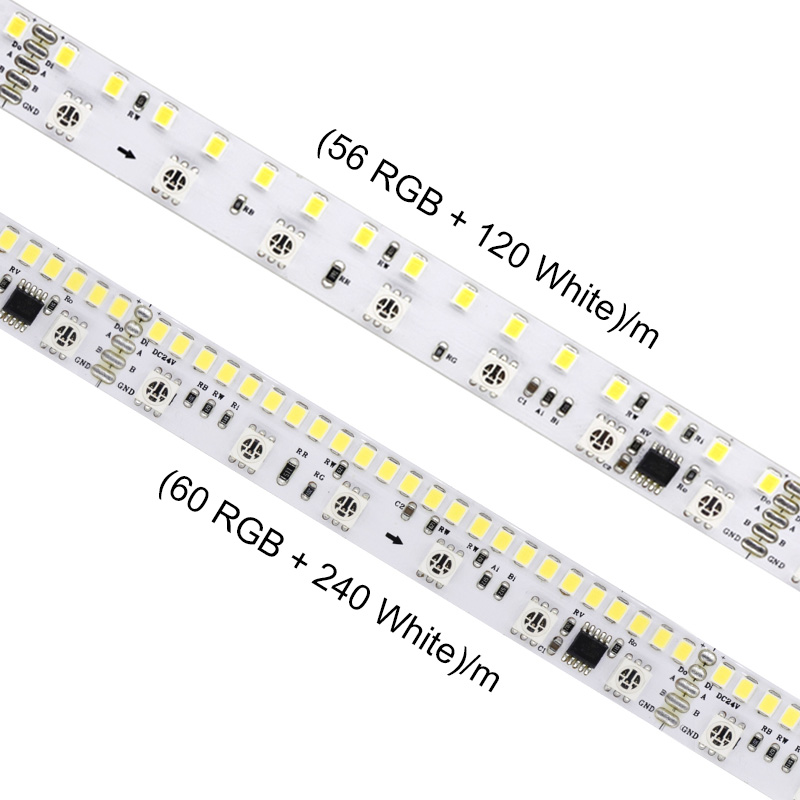
Double Row 5050 RGB + 2835 White LED DMX RGBW Strip 24V
Frequently Asked Questions About Addressable RGBW LED Strips
Got a question about wiring, controlling, or choosing the right pixel RGBW strip? I've answered thousands of them. Here are the most common ones I see.
An addressable RGBW LED strip gives you two major upgrades. First, the 'W' means you get a dedicated white chip, so you can have pure, clean white light instead of the pasty, bluish-white you get from mixing RGB. Second, 'addressable' means you can control every single LED or small group individually. This lets you create flowing gradients, chasing effects, and complex animations that are impossible with a standard RGB strip where the whole thing has to be one color at a time.
It really comes down to your run length. For short runs under 2 meters, like in a PC case or a small display, 5V is fine. For general use like under-cabinet lighting up to 5 meters, 12V is a solid choice. For anything longer, like ceiling coves or architectural accents, go with a 24V LED strip. The higher voltage on a 24V strip fights voltage drop much better, meaning you can run longer distances from a single power feed without the end of the strip looking dim or changing color. We even stock 48V LED light strips for runs up to 20 meters.
No, and this is a common mistake that can damage the strip. Standard RGBW controllers work by varying the voltage on four separate channels (R, G, B, and W). An addressable RGBW strip needs a digital data signal sent down a single data wire. You need a dedicated addressable LED controller that speaks the right language for the specific IC chip on your strip, like SK6812 or WS2814.
Both SK6812 RGBW and WS2815 RGBW strips give you individual LED control, but the big difference is the data line. A WS2815 RGBW strip has a backup data line. If one LED chip fails, the signal can bypass it and the rest of the strip will keep working. On a standard single-data strip, one dead chip stops the data signal and everything after it goes dark. For critical installations where you can't easily replace a strip, the dual-signal data LED strips like WS2815 are worth it.
For wiring lights in parallel, you should run separate wires from the power supply outputs back to each individual strip. This is called a star or home-run configuration. Don't daisy-chain the power from one strip to the next—that's a series connection for power, and you'll get massive voltage drop. The data line can often be daisy-chained from one strip to the next, but the power for each strip (or for every 5-10m section) needs its own dedicated feed from the power supply.
Yes, for cove lighting a high-density WS2814 RGBW strip is almost always the better choice. More LEDs per meter means the light looks more like a smooth, continuous line and less like a series of individual dots. When the light is reflecting off a ceiling, this gets rid of the 'spotting' effect and gives you a much more professional, even glow. A WS2814 RGBW strip is also typically 24V, which is what you want for the longer runs in coves.
You choose a DMX RGBW strip for professional, large-scale, or rugged jobs. DMX is a much more robust and standardized lighting control protocol than the SPI signal used by chips like SK6812. It's less susceptible to electrical noise and can travel hundreds of meters over proper cable. If you're integrating with stage lighting, architectural control systems, or need absolutely reliable control across a huge area, DMX is the way to go. For most DIY or residential projects, SPI is fine.
Power injection is just feeding power to multiple points along a long run of LED strip instead of only at the beginning. You absolutely need it for long runs, especially with 5V or 12V strips. By adding power every 5 meters or so, you keep the voltage consistent, ensuring every LED is the same brightness and color.
Absolutely. A huge part of our business is building custom setups that don't appear on the website. You can specify the exact IC, the CCT for the white channel, the IP rating, and the precise length you need. We'll add the specific lead wires and waterproof connectors your project requires. Just send us a sketch or a description. An engineer will send back a complete wiring diagram and parts list, usually the same day, with no fee or obligation to order.