
Red LED Strip Lights
32 products
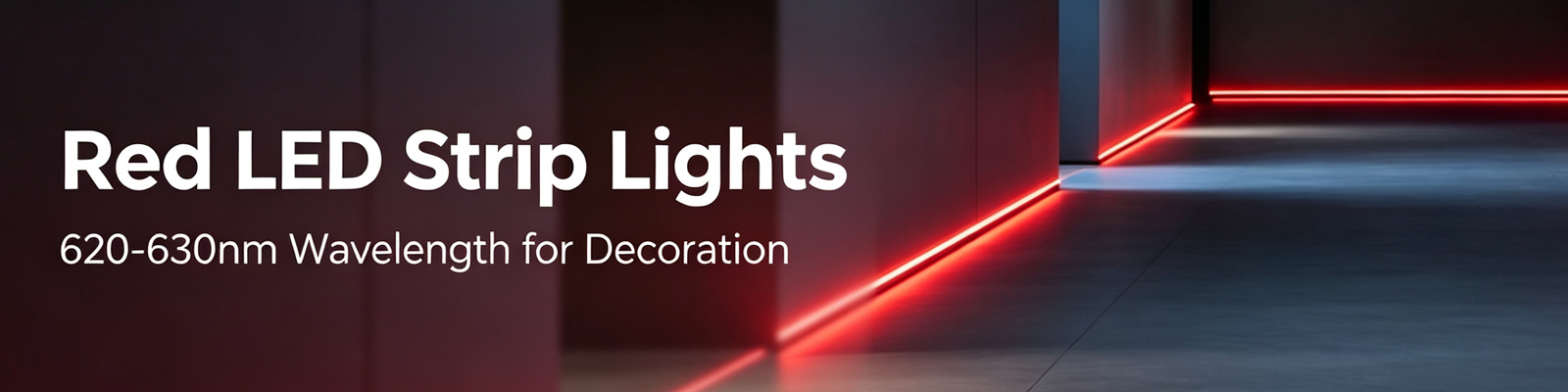
When you're looking for red LED strip lights, it's crucial to know which red you need. These strips are designed for visual impact, emitting a vibrant, saturated red light at a wavelength of around 620-630nm. This is the red you use for bold accent lighting, holiday displays, safety warnings, and creating an intense atmosphere in bars or home theaters. It's a completely different product from the deep red and infrared strips used for plant growth or light therapy, which operate at 660nm and higher wavelengths optimized for biological processes, not aesthetics.
The pure red color from a quality LED light is also excellent for preserving night vision. Unlike harsh white light, a true red light allows your eyes to remain adapted to the dark, making it an ideal choice for vehicle cabins, observatories, darkrooms, and subtle nighttime navigation lighting in hallways. We use high-quality diodes to ensure our red strips produce a consistent, true red without the pink or orange tint that plagues lower-quality options, especially when dimmed.
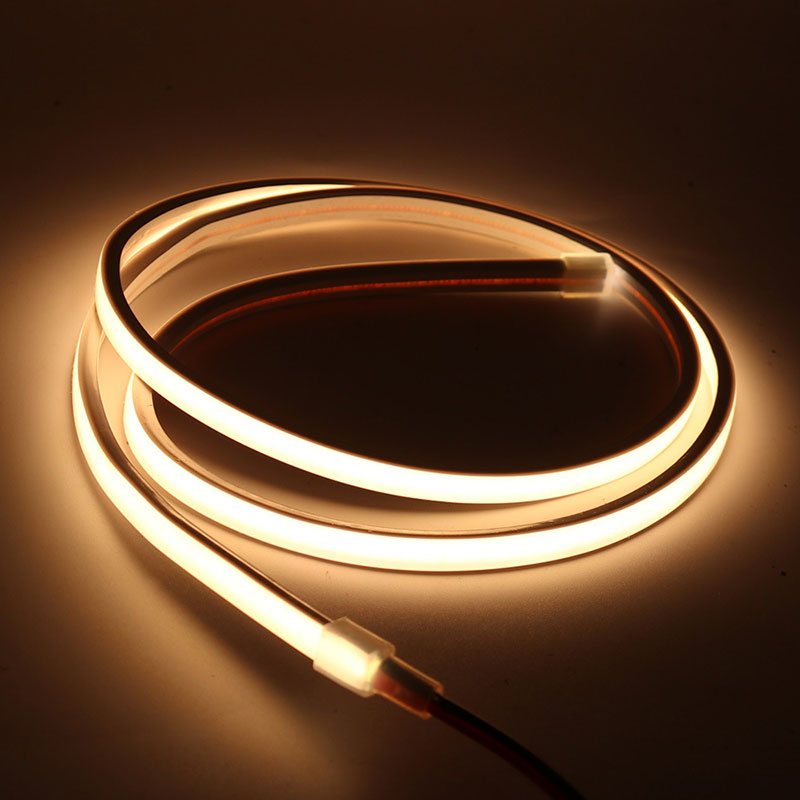
05*11mm IP67 Outdoor Neon LED Strip - Single Color
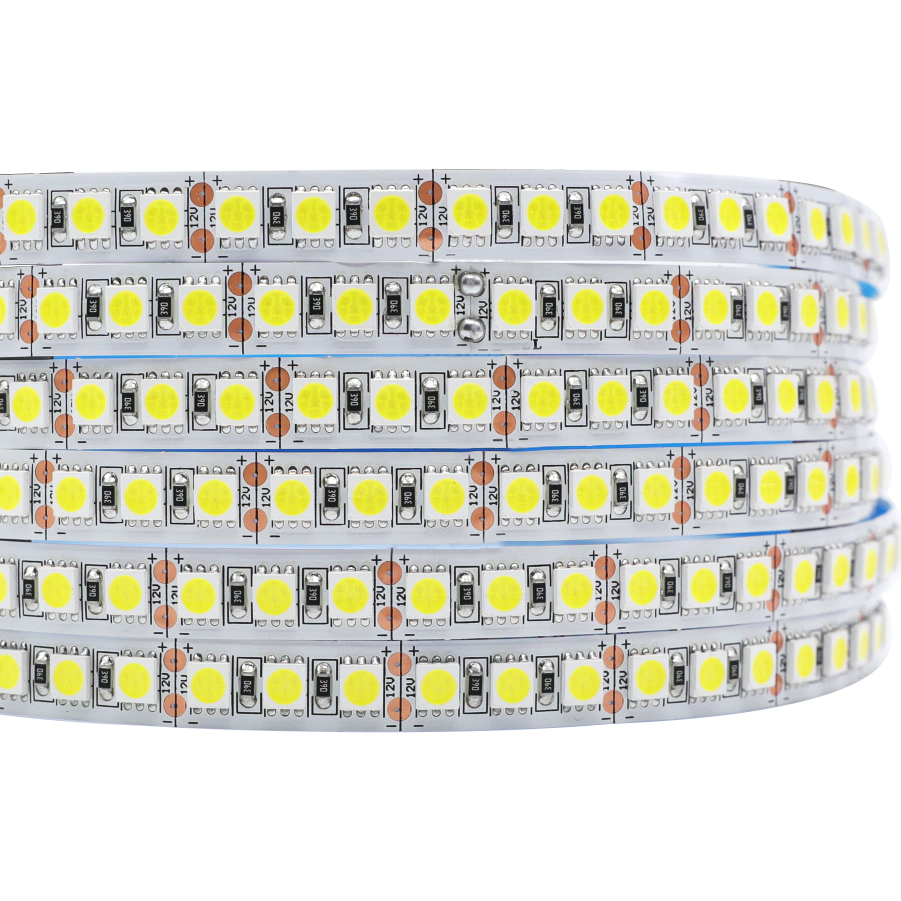
DC12/24V 600LEDs Superbright SMD 5050 LED Strip Light
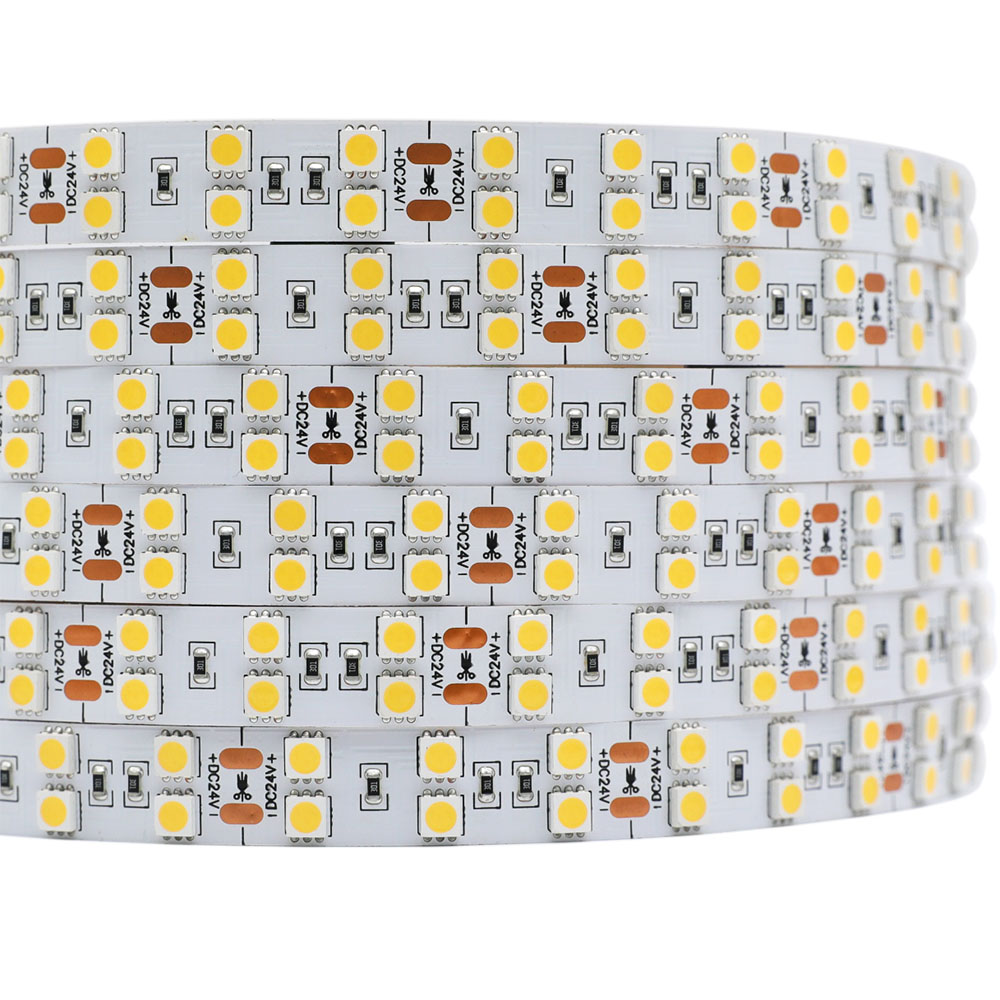
Double Row SMD 5050 Super Bright LED Strip Light
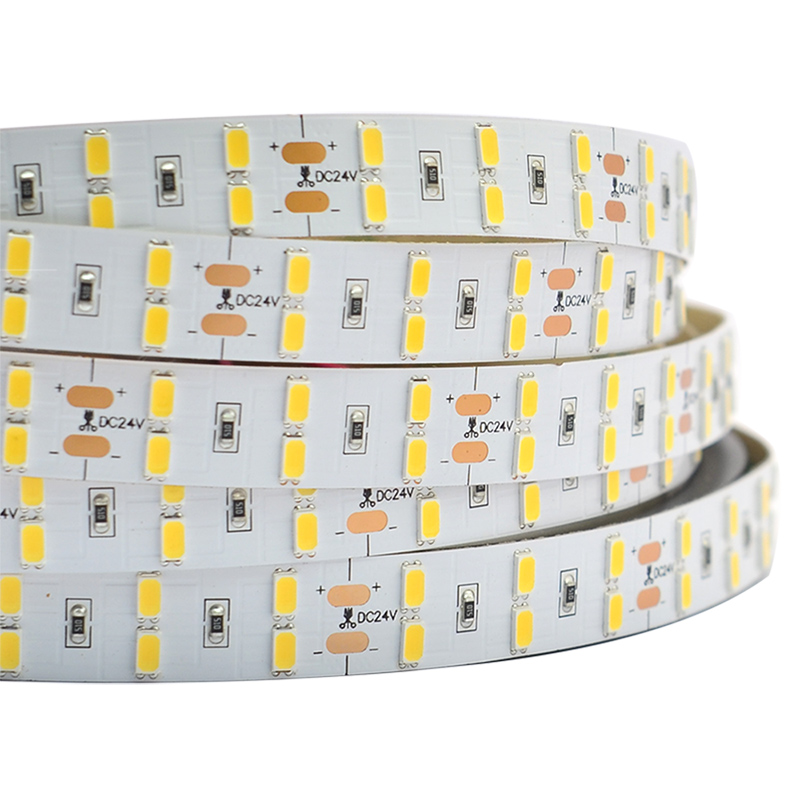
DC24V Double Row 600LEDs Bright 5630 SMD LED Strip
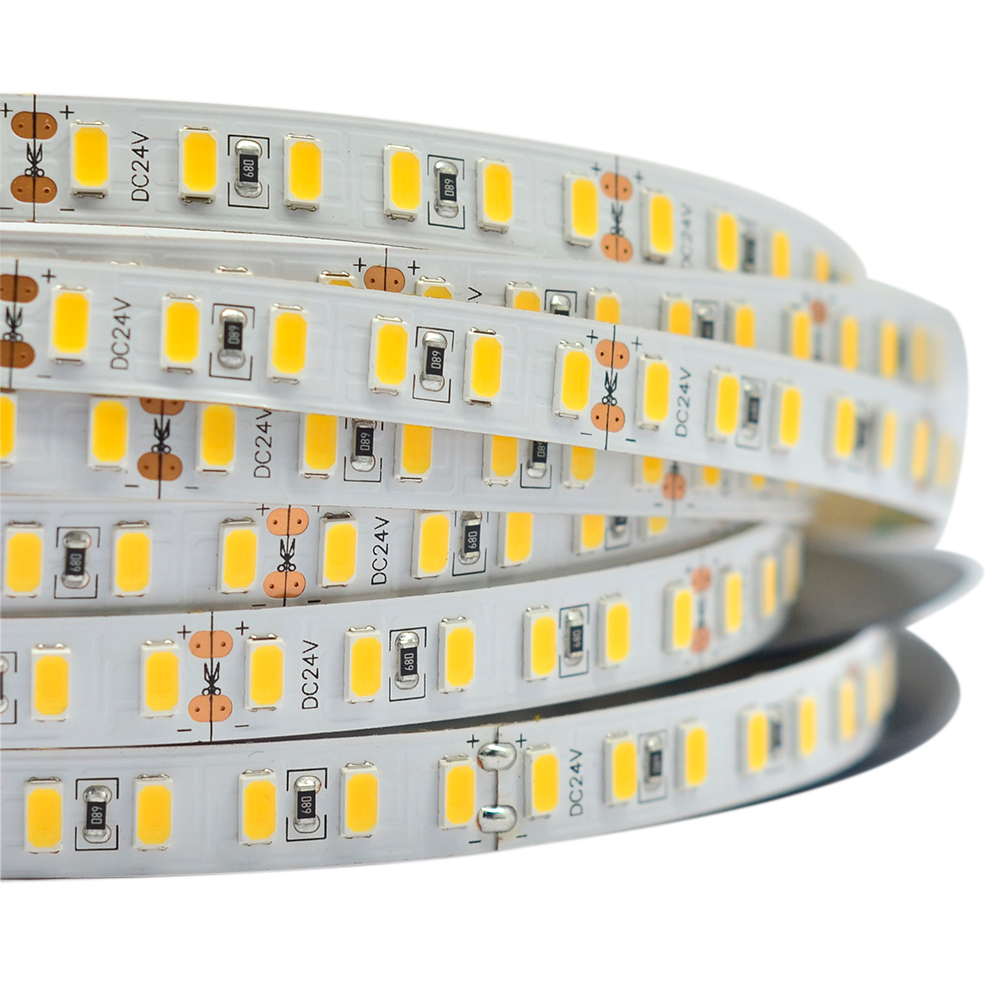
DC12/24V 600LEDs 120LEDs/m Brighter SMD 5630 LED Strip
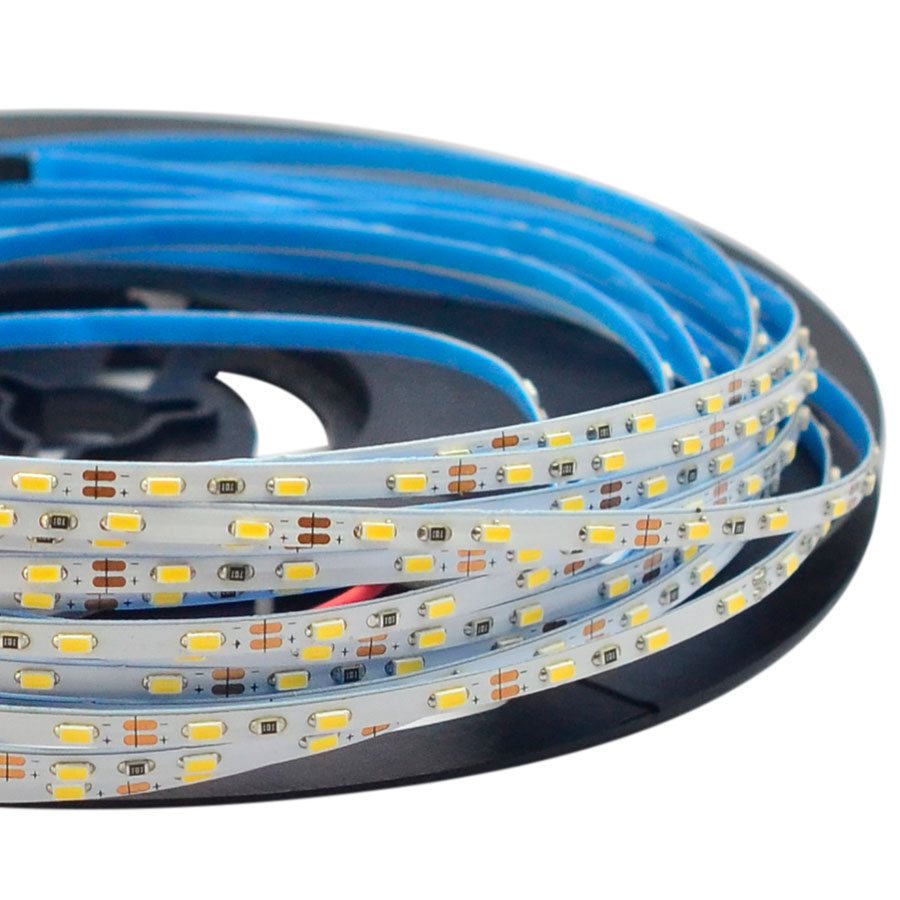
Super Narrow DC12V 3mm 3014SMDs 450LEDs Flexible LED Light Strip
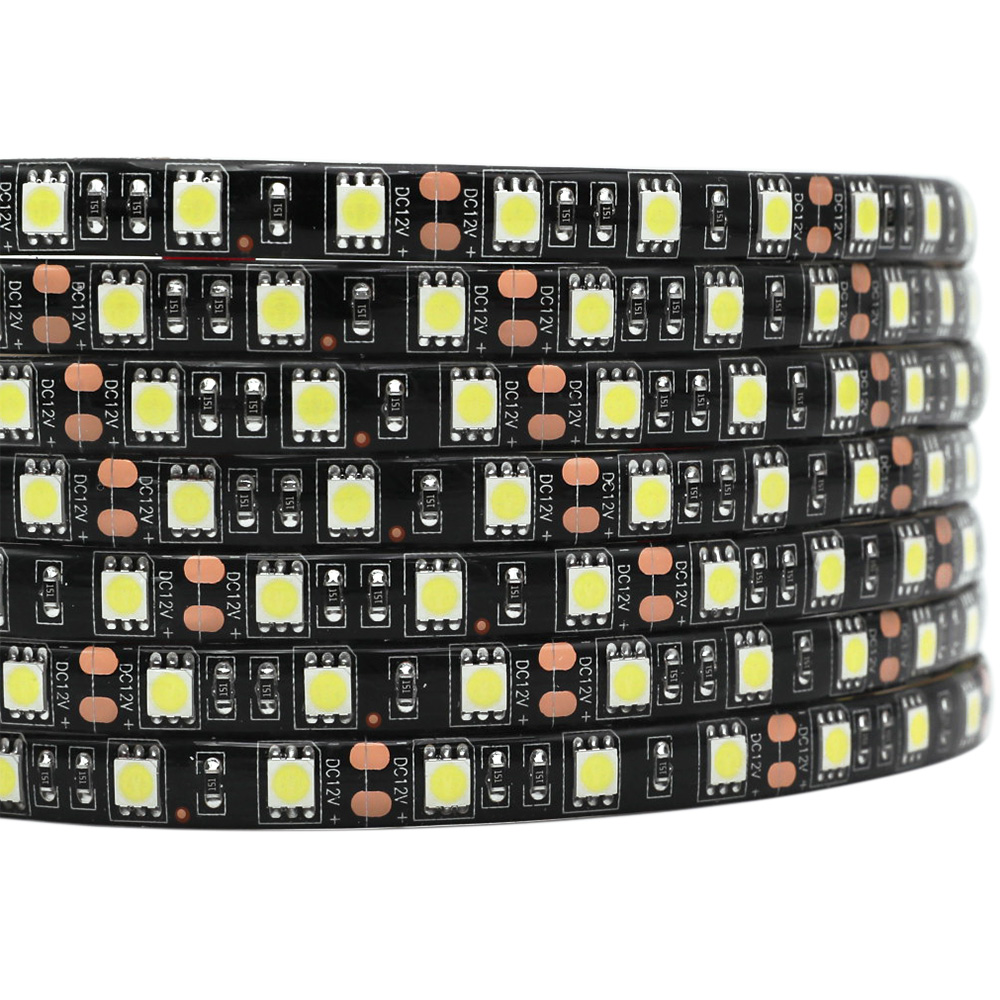
DC12/24V 5050SMD 300LEDs Full Spectrum LED Light Strip
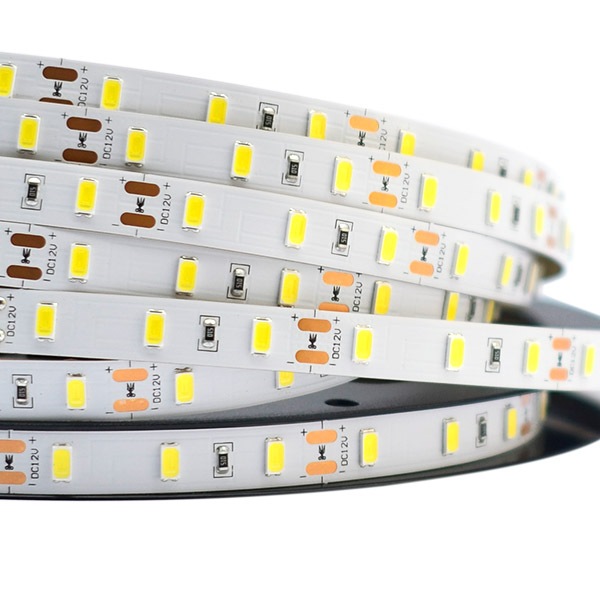
DC12/24V 300LEDs 60LEDs/m Single Color 5630 LED Strip
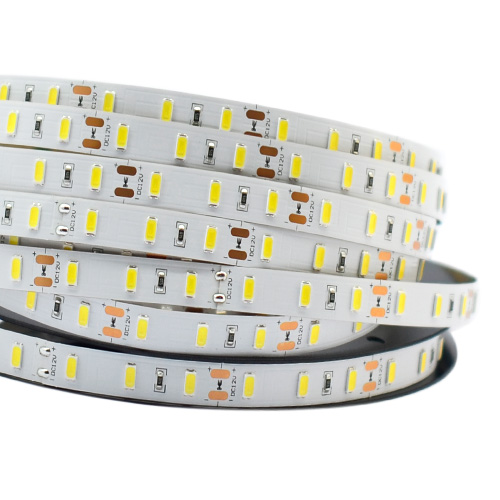
DC12/24V 300LEDs Single Color SMD 5730 LED Strip
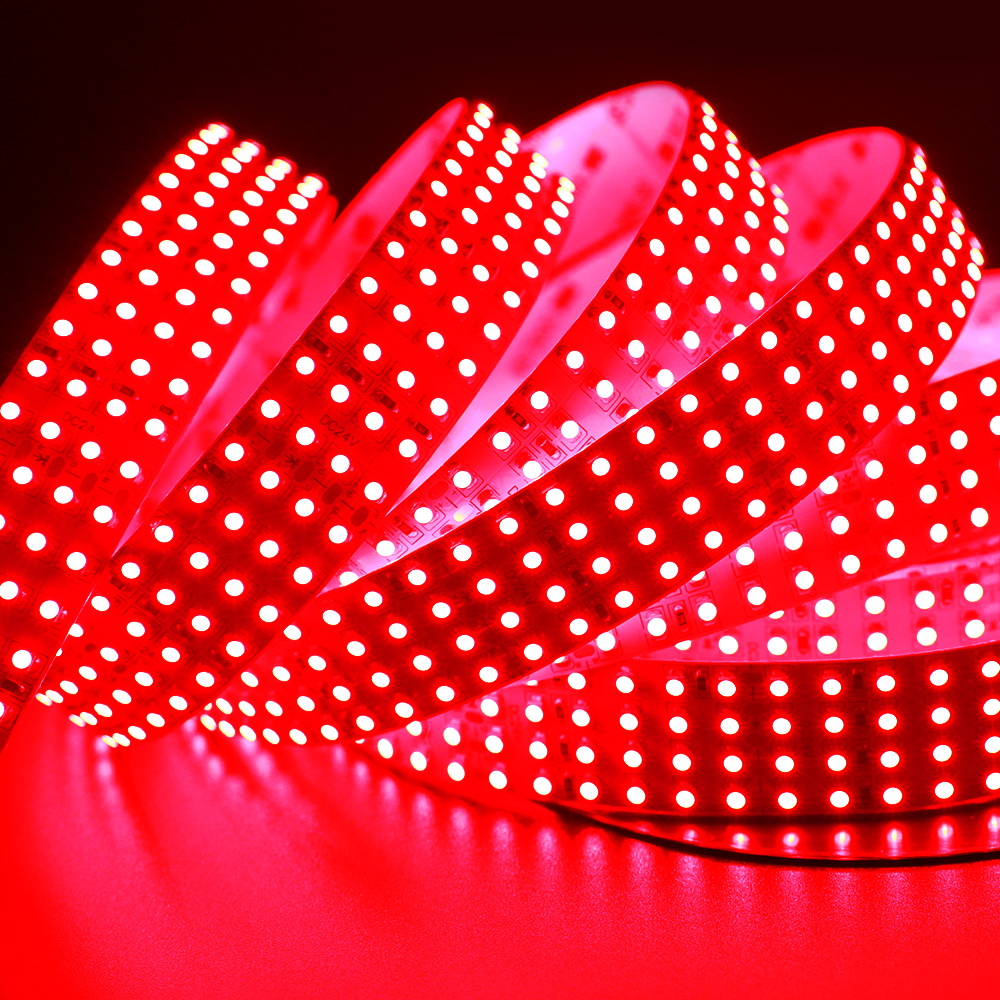
Brightest Red Quad Row Flexible LED Strip Lights
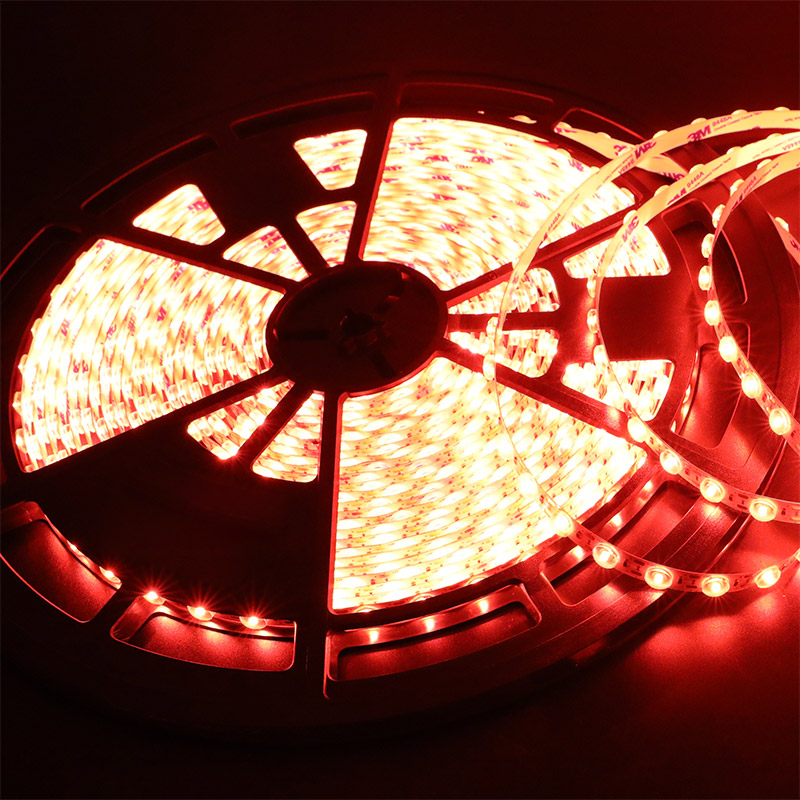
24VDC Bendable Diffused Wide Angle Lens Bright Red LED Tape

DC24V 270 Degree Neon LED Round Strip Lights φ16mm
Frequently Asked Questions About Red LED Strip Lights
Got questions before you buy? As an engineer who's been hands-on with these products for over a decade, here are the straight answers I give customers every day.
Culturally, red light often creates a sense of energy, excitement, or passion. That's why you see red LED strip lights used so often in home theaters, bars, gaming setups, and for festive holidays like Christmas or Valentine's Day. The specific 630nm wavelength provides a pure, saturated red that's vibrant without being harsh. We have a whole guide on the effects of different light colors if you want to go deeper.
That's a classic case of red LED voltage drop. As electricity travels down the flexible PCB, its resistance causes the voltage to decrease. After about 5 meters (16 feet) on a 12V strip, this drop becomes visible as a dimmer, slightly more orange light at the far end. To fix it, you can power the strip from both ends, use a 24V or 48V strip for a longer run, or choose one of our long-run constant current strips designed to prevent this.
It depends entirely on your run length. For longer runs—anything over 5 meters (16 feet)—go with 24V. It handles distance much better with less voltage drop. For shorter, more precise jobs like accent lighting inside a PC case, detailed sign work, or models where you need smaller cut increments, a 12V red LED strip is often a better fit since it typically has cut points every 25mm instead of every 50mm.
On the strip itself, the copper pads are always clearly marked, usually with a '+' for positive and 'GND' or '-' for negative. If you're looking at the connecting wires, the standard convention is that the red wire is positive. If you have a white wire with a red stripe, that's almost always positive, too. But the marking on the PCB is the ultimate truth—always check that before soldering.
Honestly, not really. Color Rendering Index, or CRI, measures how accurately a light source reveals the true colors of objects compared to natural sunlight. This is critical for white light. But for a single-color red LED strip that only emits a very narrow wavelength of light, the CRI value is irrelevant. It's not trying to render other colors, it's just making red. If you need accurate color for a whole scene, you'd want one of our high-CRI full spectrum white strips.
Yes, we stock plenty of ultra-narrow options. A 5mm red LED light is a very common request for slim aluminum profiles or applications like backlighting tight signage. We even have red strips down to 3mm and 4mm for really specialized jobs. For a slim profile, I'd suggest a 5mm red COB strip because its continuous light looks completely dot-free, even in a very shallow channel.
It's normal for any LED strip to get warm, but it shouldn't be too hot to comfortably touch. If it is, the number one cause is lack of heat sinking. A high-density or high-power 12V red LED light generates heat that needs to go somewhere. If it's just stuck to a wood surface, that heat gets trapped and will drastically shorten the LED's lifespan. Mounting it inside an aluminum channel acts as a heat sink and solves the problem.
No, you have to cut on the designated lines. All our 12V red LED strips have cut marks, usually a little scissor icon right across a set of copper pads. Cutting anywhere else will break the circuit for that section and it won't light up. On a 12V strip, these cut points are typically every 3 LEDs (about 1 inch or 25mm), which gives you pretty fine control over the length.
It's all about the dots. An SMD (Surface Mounted Device) strip has visible, individual LED chips spaced out along the board. A COB (Chip on Board) strip uses hundreds of tiny, tightly packed LEDs covered by a continuous strip of phosphor. The result is a perfectly uniform, seamless line of red light with zero hotspots. For direct-view applications where you'll see the strip itself, COB is the clear winner.
Since a car's electrical system runs on 12V DC, any of our 12V red LED strips will work perfectly. The easiest way is to tap into an existing 12V circuit using a fuse tap in your car's fuse box. This is much safer than splicing into random wires. Just make sure you get the polarity right—red wire to positive, black to negative—and you'll have reliable accent lighting for footwells or trunks.
Yes, this is what we do all day. A huge portion of our business is building lighting to a customer's drawing. You can specify the exact length, the type and length of the wire leads, the connector type, the PCB width, and even a specific IP waterproof rating. Just send us your requirements—even a photo of a napkin sketch is fine. An engineer will spec it out and send back a full parts list and quote, usually the same business day, with no obligation to order.
Absolutely. They are low voltage (usually 12V or 24V) and generate very little heat when installed correctly, so they don't pose a fire risk like older incandescent bulbs. From a health perspective, red light is actually one of the best colors for nighttime, as studies show it has the least impact on melatonin and your natural sleep cycle. It's a great choice for subtle, non-disruptive lighting.